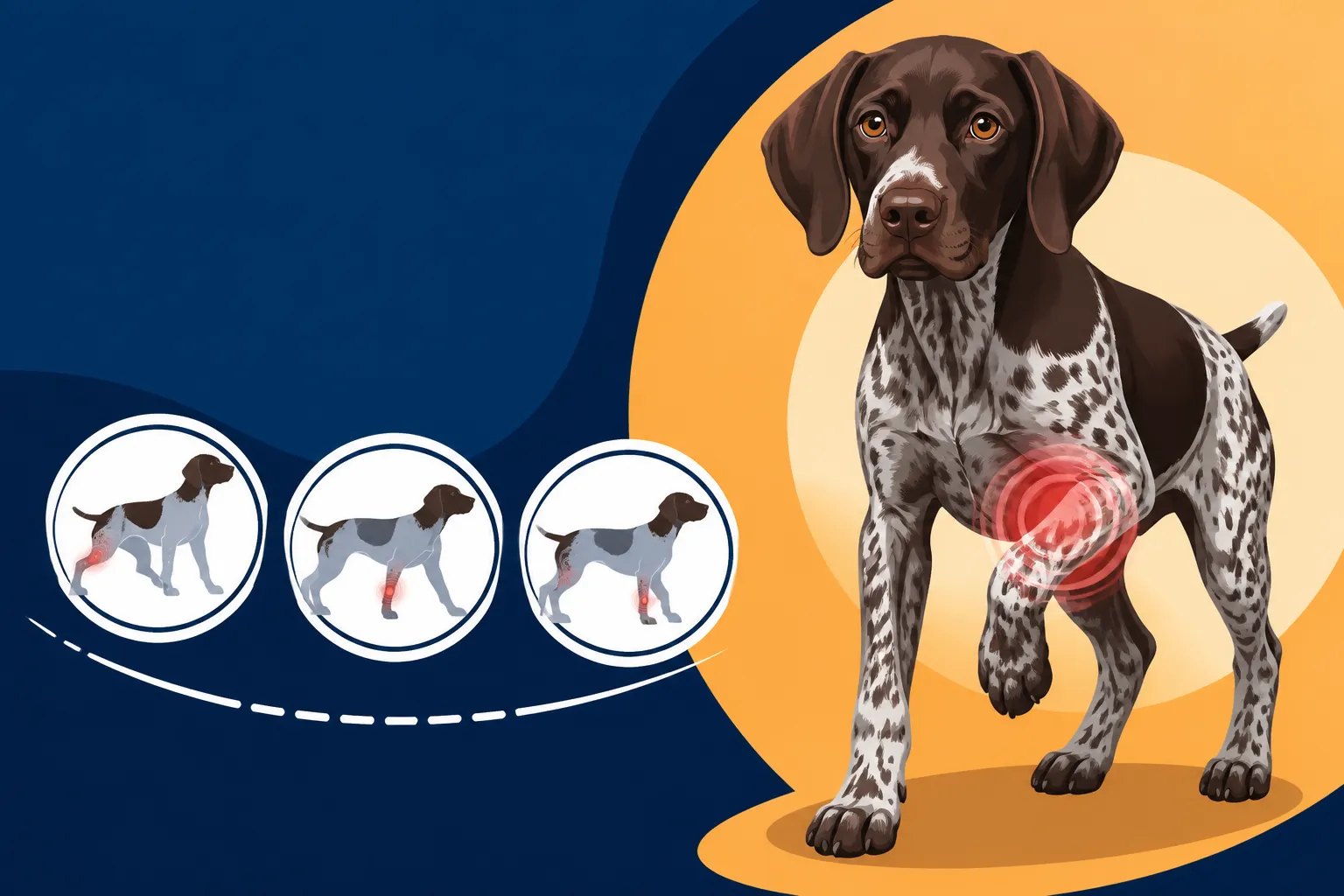
The Shifting Lameness in a Six Month Shorthair
It's incredibly unsettling when your energetic German Shorthaired Pointer puppy, usually a blur of motion, suddenly starts favoring a leg, only for the limp to mysteriously switch to another limb a few days later. This "shifting lameness" in a six-month-old Shorthair isn't just a quirky phase; it's a genuine cause for concern that can point to various underlying health issues impacting their rapid growth. This guide will delve deep into what causes this frustrating symptom, how veterinarians diagnose it, and what you can do to help your beloved companion.
Understanding Shifting Lameness in Young Shorthairs
Shifting lameness is exactly what it sounds like: a noticeable limp or discomfort that moves from one leg to another, often without a clear injury. One day it might be the front left, the next the back right, then seemingly disappear for a bit before reappearing somewhere else entirely. For a breed as active and predisposed to certain growth-related issues as the German Shorthaired Pointer, this isn't something to brush off.
What Shifting Lameness Means for an Active Breed
For a young German Shorthaired Pointer, whose bones and joints are undergoing rapid development, any form of lameness is a red flag. Shifting lameness, in particular, often signals a systemic problem rather than a localized injury. Unlike a torn pad or a sprain, which typically stays put, the migratory nature of this discomfort suggests an inflammatory process or a generalized developmental disorder affecting multiple growth plates or long bones. Owners often describe the frustration of trying to pinpoint the problem, only to have it elude them as the dog's symptoms change. It makes you second-guess yourself, wondering if you're imagining things or if your pup is just being dramatic. But trust me, your Shorthair isn't faking it.
Why Six Months is a Critical Age for Orthopedic Issues
Six months is a prime age for many growth-related orthopedic conditions to manifest in large, fast-growing breeds like the GSP. At this stage, their bones are lengthening quickly, their growth plates are still open, and their bodies are undergoing immense change. This rapid development leaves them vulnerable to conditions that affect bone growth, cartilage formation, and joint integrity. It's a delicate balance, and anything that disrupts it can lead to pain and lameness. You might feel like you've done everything right, feeding them the best food and giving them plenty of appropriate exercise, but sometimes these issues simply arise due to genetics or factors beyond our immediate control. Understanding the nuances of The Growth Year of a German Shorthaired Pointer Puppy is crucial during this period.
Common Causes of Shifting Lameness in Young GSPs
When a young German Shorthaired Pointer presents with shifting lameness, veterinarians often consider a few key conditions that are unfortunately common in rapidly growing, athletic breeds. These conditions can be painful and, if left untreated, potentially lead to long-term mobility issues.
Panosteitis: The "Growing Pains" of Pointers
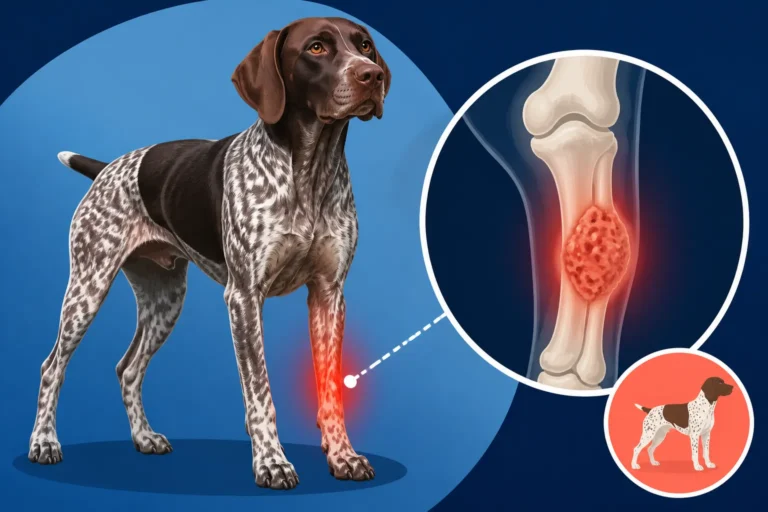
One of the most frequent culprits behind shifting lameness in young GSPs is panosteitis, often affectionately (though inaccurately) referred to as "growing pains." Panosteitis is an inflammation of the outer surface or shaft of the long bones, typically affecting the humerus, radius, ulna, femur, and tibia. It's an immune-mediated condition that causes bone pain, and what makes it tricky is that it often moves from one bone to another, mimicking that frustrating shifting lameness you're seeing.
Typically, panosteitis affects dogs between 5 and 18 months of age, putting your six-month-old right in the sweet spot. Imagine little Copper, usually bounding through the yard, suddenly limping heavily on his front right leg for a few days. You keep him rested, maybe give him some anti-inflammatories, and just as you're about to call the vet again, the limp vanishes, only to reappear in his left hind leg a week later. That's classic panosteitis. The good news is that panosteitis is generally self-limiting, meaning most dogs grow out of it, usually by 2 years of age. However, managing the pain during these episodes is essential for your pup's comfort and well-being.
Hypertrophic Osteodystrophy (HOD): A More Serious Concern
Hypertrophic Osteodystrophy, or HOD, is another inflammatory bone condition seen in fast-growing large breeds, but it tends to be more severe than panosteitis. HOD involves inflammation and abnormal development in the growth plates, particularly at the ends of the long bones near the joints. Unlike panosteitis, which typically affects the shaft of the bone, HOD targets the epiphysis and metaphysis – the areas where bone growth actually occurs.
Symptoms of HOD are often more pronounced than panosteitis, including fever, lethargy, loss of appetite, and significant swelling and pain around the joints. The lameness can be quite severe, and yes, it can also shift between limbs, though often more than one limb is affected simultaneously. You might see a noticeable swelling above the wrist or hock joints, making movement incredibly painful. If your Shorthair puppy presents with these kinds of systemic signs in addition to shifting lameness, HOD needs to be quickly ruled out. This condition can lead to permanent limb deformities if not managed aggressively, making early diagnosis and treatment critical. Sometimes, puppies might also display signs of The Shifting Lameness in a Six Month Shorthair alongside other more noticeable symptoms.
Osteochondritis Dissecans (OCD): A Cartilage Catastrophe
Osteochondritis Dissecans, or OCD, is a condition where the cartilage in a joint fails to develop properly or becomes damaged, leading to a flap of cartilage (and sometimes bone) detaching and causing pain and inflammation. While OCD usually affects a single joint (most commonly the shoulder, elbow, hock, or stifle), the pain it causes can sometimes lead to compensatory shifting of weight, making it appear as though the lameness is shifting. A dog might favor one shoulder due to OCD, then put more pressure on another limb, exacerbating a minor existing issue there, leading to a confusing presentation.
OCD typically develops in puppies between 4 and 9 months of age, once again making your six-month-old Shorthair a prime candidate. Symptoms include lameness that often worsens after exercise, joint swelling, and pain when the affected joint is manipulated. While the primary lesion might be in one joint, the overall gait can be altered, making it seem less localized. If you suspect an issue, getting an accurate diagnosis is key, as OCD often requires surgical intervention to remove the cartilage flap and prevent further joint damage. For dogs that frequently run and jump, like GSPs, conditions like Shoulder and Toe Injuries in a Running Shorthair are always a risk, but OCD is specifically a developmental issue.
Other Possibilities: Injuries, Nutrition, and More
Beyond these three common growth disorders, other factors can cause or contribute to shifting lameness. Given a GSP's active nature, minor sprains, strains, or even paw injuries can cause temporary lameness. A dog might step on a sharp rock, causing discomfort in one paw, and then favor it, only to develop a strain in another limb from overcompensating. These types of injuries, however, typically don't cause the true "shifting" that characterizes conditions like panosteitis.
Nutritional imbalances, particularly an improper balance of calcium and phosphorus, or excessive calorie intake leading to too-rapid growth, can also exacerbate or contribute to developmental orthopedic diseases. This is why paying close attention to Calcium Levels in a Shorthair Puppy's Diet and general feeding guidelines is so important during their formative months. While rare, certain infectious diseases, autoimmune disorders, or even some forms of early-onset cancer can also present with bone or joint pain that appears to shift. This is why a thorough veterinary examination is always paramount.
Diagnosing the Mystery of Shifting Lameness
When your German Shorthaired Pointer starts exhibiting shifting lameness, the first and most important step is a visit to your veterinarian. They will be your detective in unraveling this mystery, carefully sifting through symptoms, medical history, and diagnostic test results.
The Comprehensive Veterinary Examination
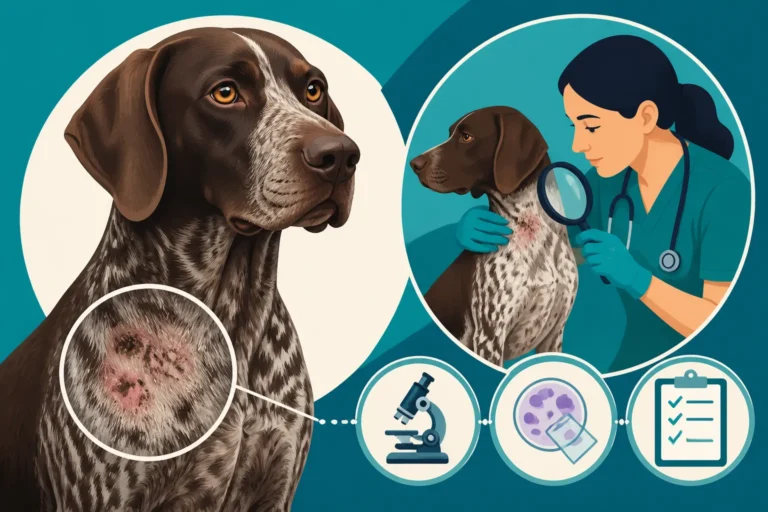
Your vet will start with a thorough physical examination, observing your GSP's gait, feeling all their limbs and joints for swelling, heat, or pain, and assessing their range of motion. Don't be surprised if they spend a good deal of time palpating each bone and joint, looking for even subtle reactions. They'll also ask you detailed questions about when the lameness started, which legs have been affected, how long each episode lasts, and if there are any other symptoms like fever, lethargy, or changes in appetite. This detailed history is vital, as it helps your vet narrow down the possibilities. Be prepared to recall specific dates and observations, even if they feel insignificant to you at the time. Your dog's entire body will get the once over, including its paws, nails, and even its teeth, because sometimes the source of discomfort can be surprisingly distant from where you'd expect.
Imaging Techniques to Look Inside
Once the physical exam is complete, your vet will likely recommend diagnostic imaging. Radiographs (X-rays) are the go-to tool for visualizing bones and joints. For panosteitis, X-rays might show subtle changes in bone density, a hazy appearance within the bone marrow cavity, or thickening of the bone cortex. For HOD, X-rays typically reveal irregular or widened growth plates and areas of bone lysis (destruction) and sclerosis (hardening) near the joints. OCD lesions appear as flattened areas in the cartilage with a detached flap, sometimes with a visible bone fragment.
In some cases, if X-rays are inconclusive or a deeper look at soft tissues or complex joints (like the shoulder or stifle) is needed, your vet might recommend more advanced imaging techniques such as computed tomography (CT) scans or magnetic resonance imaging (MRI). These technologies provide much more detailed cross-sectional images, helping to pinpoint exact locations of lesions, inflammation, or structural damage that might be missed on standard X-rays. While these advanced scans can be expensive, they are often crucial for an accurate diagnosis and treatment plan, especially for conditions like OCD. This is where pet insurance, such as a plan from Healthy Paws, can really make a difference, helping to cover the costs of comprehensive diagnostics.
Blood Tests and Other Diagnostics
In certain scenarios, your vet might also run blood tests. While blood work isn't usually diagnostic for panosteitis or OCD, it can be helpful in ruling out other conditions, especially if your dog has systemic symptoms like fever or lethargy, which might point towards an infectious or inflammatory process. For HOD, blood tests might show elevated white blood cell counts, indicating inflammation. Additionally, if the vet suspects a nutritional component or a more generalized autoimmune issue, specific blood panels might be ordered to assess nutrient levels or inflammatory markers.
It's a process of elimination sometimes, and each test brings your vet closer to understanding what's truly going on with your Shorthair. Don't be afraid to ask questions every step of the way; it's your dog, and you have every right to understand their care plan fully.
Managing and Treating Shifting Lameness
Once your veterinarian has pinpointed the cause of your German Shorthaired Pointer's shifting lameness, a tailored treatment plan can begin. The approach will vary significantly depending on the diagnosis, but the overarching goal is always to manage pain, promote healing, and ensure your pup can return to their active, happy self.
Rest, Medications, and Pain Management
For conditions like panosteitis, conservative management is usually the first line of defense. This primarily involves rest and pain relief. Strict rest means limiting strenuous exercise – no running, jumping, or long walks. Short, controlled leash walks for potty breaks are typically all that's allowed. Non-steroidal anti-inflammatory drugs (NSAIDs) like carprofen (Rimadyl) or meloxicam are commonly prescribed to reduce pain and inflammation. Your vet will determine the appropriate dosage and duration, and it's crucial to follow their instructions carefully to avoid potential side effects. Always finish the prescribed course, even if your dog seems to be feeling better.
For HOD, the treatment can be more aggressive, especially if the puppy is severely affected. Along with rest and NSAIDs, corticosteroids might be used to reduce the intense inflammation at the growth plates. In some critical cases, fluid therapy might be necessary if the puppy is dehydrated from fever and not eating. Nutritional support is also important, ensuring the dog is getting appropriate nutrients without overfeeding, which can exacerbate rapid growth issues. You may want to investigate how best to manage A German Shorthaired Pointer That Has Stopped Wanting to Run to help them recover.
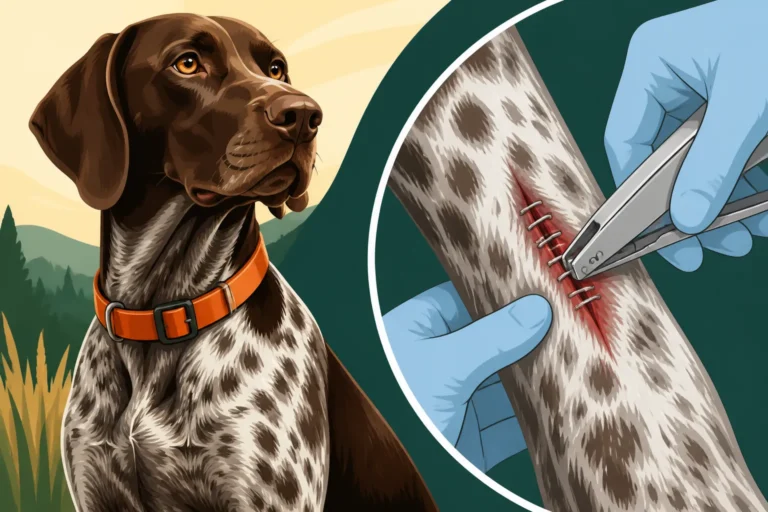
For OCD, while pain management is part of the initial stabilization, surgical intervention is often recommended, especially for larger lesions or those causing significant lameness. Surgery involves removing the detached cartilage flap and smoothing the joint surface to prevent further irritation and progression of arthritis. Post-operative care will include strict rest, pain medication, and a carefully controlled rehabilitation protocol.
Dietary Adjustments and Supplements
Proper nutrition plays a critical role in managing and preventing many growth-related orthopedic conditions in German Shorthaired Pointers. If your GSP is diagnosed with a condition like HOD or even panosteitis, your vet might recommend reviewing their diet. Often, puppies are growing too quickly due to high-calorie, high-protein diets, which can put undue stress on their developing bones and joints. Your vet may suggest switching to a large breed puppy food formulated for slower, more controlled growth, or adjusting their current food intake.
Supplements like glucosamine and chondroitin, often combined in formulations like Dasuquin or Cosequin, are frequently recommended for joint health. While they don't cure these conditions, they can help support cartilage health and reduce inflammation, contributing to your dog's comfort over the long term. Omega-3 fatty acids, found in fish oil, are also natural anti-inflammatories and can be beneficial. Always discuss any dietary changes or supplements with your veterinarian before introducing them, as some can interact with medications or be inappropriate for certain conditions. Ensuring your GSP gets the right nutrients, as discussed in Calcium Levels in a Shorthair Puppy's Diet, can make a significant difference.
Physical Therapy and Long-Term Care
Once the acute pain has subsided and the initial healing phase is complete, physical rehabilitation can be invaluable, particularly after surgery for OCD or to help dogs recover strength and mobility after prolonged rest for HOD or severe panosteitis. This might involve controlled exercises, hydrotherapy (swimming or underwater treadmill), therapeutic massage, and stretching to rebuild muscle, improve joint flexibility, and restore proper gait. A certified canine rehabilitation therapist can design a program tailored to your GSP's specific needs.
For chronic conditions or those that resolve but leave residual weakness, ongoing joint support through diet, supplements, and controlled exercise will be important throughout your GSP's life. Regular check-ups with your vet will help monitor their progress and adjust their care as needed. Remember, dealing with recurring health issues can lead to unexpected expenses, and a robust pet insurance policy like one from Healthy Paws can provide peace of mind by helping to cover the costs of long-term care, medications, and physical therapy sessions. Keeping a German Shorthaired Pointer Hunting Past Ten often relies on excellent foundational health and diligent care in their early years.
Prevention Strategies for Future Generations
While some conditions like panosteitis are idiopathic (meaning the cause isn't fully understood), responsible breeding practices can significantly reduce the incidence of many orthopedic diseases. Reputable breeders screen their breeding dogs for conditions like Hip Dysplasia in a Hard Running German Shorthaired Pointer and Elbow Scores on a German Shorthaired Pointer, and are transparent about health clearances. If you're considering a German Shorthaired Pointer puppy, always choose a breeder who performs these health checks and is willing to share the results.
During your puppy's rapid growth phase, focus on controlled exercise rather than intense, high-impact activities. Avoid excessive running on hard surfaces or jumping from heights. Also, ensure your puppy's diet is appropriate for a large breed, promoting slow and steady growth rather than rapid weight gain. A good quality large breed puppy food will have balanced calcium and phosphorus levels. By taking these proactive steps and working closely with your veterinarian, you can give your German Shorthaired Pointer the best possible chance at a healthy, active life, free from the worries of shifting lameness.
| Condition | Typical Age of Onset | Primary Location Affected | Key Symptoms | Prognosis |
|---|---|---|---|---|
| Panosteitis | 5-18 months | Shafts of long bones | Shifting lameness, pain on palpation of long bones, no fever | Generally self-limiting, resolves by 2 years |
| Hypertrophic Osteodystrophy | 2-7 months | Growth plates (ends of long bones) | Severe shifting lameness, joint swelling, fever, lethargy, loss of appetite | Can lead to deformities, requires aggressive Rx |
| Osteochondritis Dissecans | 4-9 months | Joints (shoulder, elbow, hock, stifle) | Lameness (often worsens after exercise), joint swelling, pain on joint manipulation | Often requires surgery, can lead to arthritis |
| Minor Sprains/Strains | Any age, often young | Muscles, ligaments, tendons | Localized lameness, tenderness in one area, often sudden onset | Resolves with rest and NSAIDs |
Disclaimer
The information provided in this article is for educational purposes only and is not intended to be a substitute for professional veterinary advice, diagnosis, or treatment. Always seek the advice of your veterinarian or other qualified animal health provider with any questions you may have regarding a medical condition.