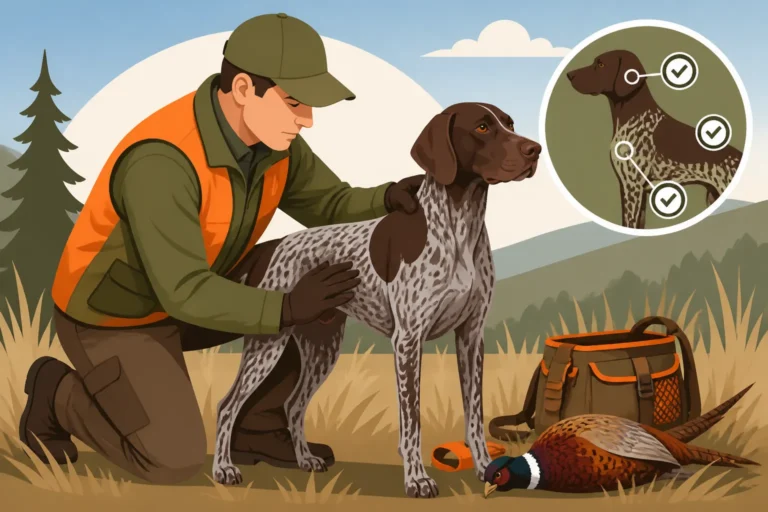
Whether an Affected Shorthair Should Be Bred From
It's truly a heart-wrenching moment when you realize your beloved German Shorthaired Pointer, a dog you might have dreamed of breeding, has been diagnosed with a genetic condition. This isn't just a clinical diagnosis; it's a deeply emotional experience that forces us to confront difficult questions about the future of our dogs and the integrity of the breed we cherish. This guide will walk you through the complexities and ethical considerations involved in deciding whether to breed a German Shorthaired Pointer affected by a genetic condition, offering a realistic perspective on this weighty responsibility.
Understanding Genetic Conditions in German Shorthaired Pointers
When we talk about a German Shorthaired Pointer being "affected" by a genetic condition, we're referring to a dog that exhibits the symptoms or markers of a disease caused by inherited genes. This isn't just about a one-off injury or an environmental illness; these are conditions passed down through generations, often silently, until they manifest in a puppy or adult dog. For GSP owners, this can be particularly devastating, as we breed for health, temperament, and working ability, and a genetic condition can compromise all three.
Diagnosing an Affected Shorthair
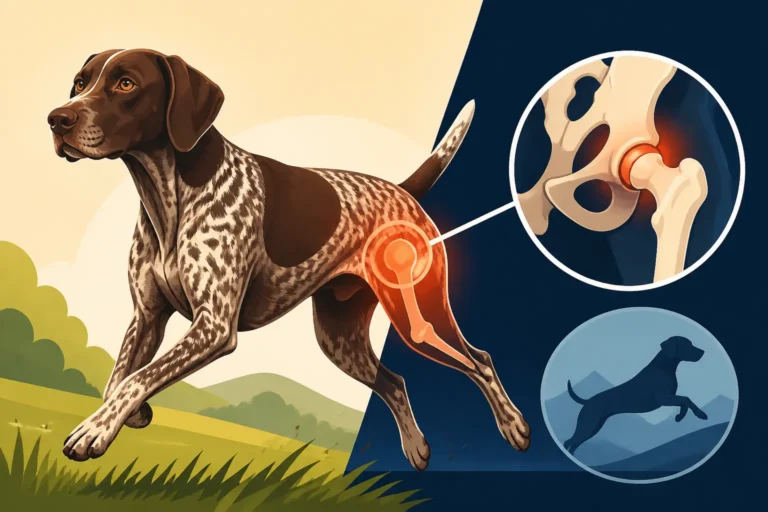
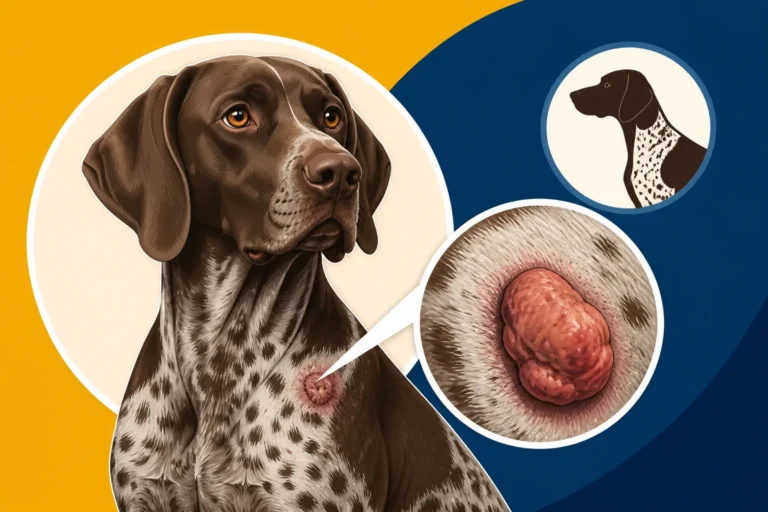
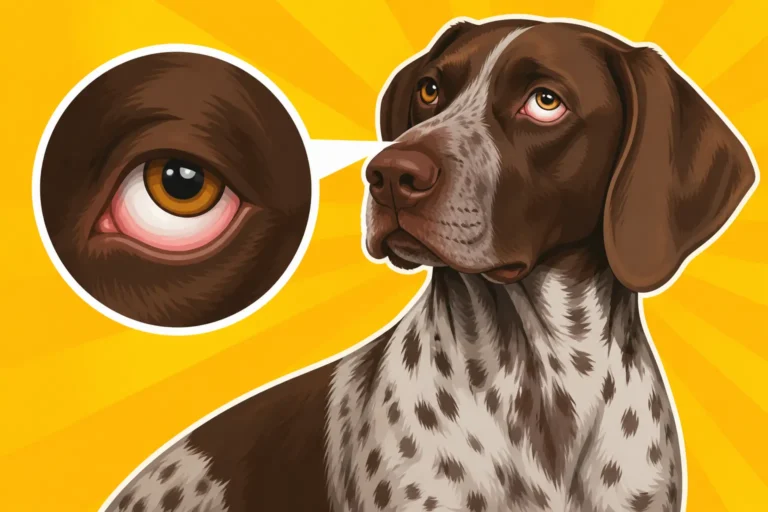
The journey to understanding if your GSP is affected often begins with a vet visit, perhaps for a subtle limp, a change in vision, or an unusual skin issue. A thorough veterinary diagnosis is paramount. For orthopedic issues like hip and elbow dysplasia, this might involve X-rays, possibly reviewed by organizations like OFA or PennHIP. Eye conditions, such as the heartbreaking Cone Degeneration and the Shorthair DNA Test for It, require specialized ophthalmologist exams or specific DNA tests. For cardiac issues, a cardiologist might perform an echocardiogram to check for conditions like The Heart Murmur a German Shorthaired Pointer Puppy Can Carry. Some conditions, like certain skin diseases or bleeding disorders, might involve biopsies or specialized blood work to identify.
Receiving a diagnosis can be incredibly upsetting. You've invested so much love, time, and perhaps even financial resources into your dog, and to learn they carry a genetic flaw can feel like a personal blow. It's easy to get caught up in feelings of guilt or disappointment, but remember, these conditions are often beyond your control, and focusing on your dog's well-being is the most important step forward. Knowing definitively what you're dealing with is the first step toward making responsible choices.
The Spectrum of "Affected"
It's important to understand that "affected" isn't a one-size-fits-all term. A German Shorthaired Pointer can be mildly affected, meaning they show subtle signs that might not severely impact their daily life but are still present. For instance, a dog might have mild hip dysplasia that only causes a slight stiffness after heavy exercise, or a subtle change in vision that they compensate for well in familiar environments. On the other end of the spectrum, a dog could be severely affected, with debilitating symptoms that significantly impact their quality of life, requiring ongoing medical management and potentially limiting their ability to perform even basic tasks. Imagine a dog whose Signs a Shorthair's Hips Are Going in the Field are so pronounced that hunting is no longer an option, or a pup whose Day Blindness in a German Shorthaired Pointer Puppy means they struggle immensely in bright light.
Beyond symptomatic dogs, there are also "carriers" – dogs that carry one copy of a problematic gene but do not themselves show symptoms. While not "affected" in the traditional sense, their carrier status is crucial for breeding decisions because they can pass that gene on. Even a mild case in a dog you adore should raise a red flag when considering breeding. These seemingly minor issues can become severe in their offspring if unknowingly bred to another carrier. It’s a complex puzzle, and understanding where your dog falls on this spectrum is vital for making an informed and ethical decision.
Ethical Considerations for Breeding Affected German Shorthaired Pointers
The decision to breed any German Shorthaired Pointer comes with immense responsibility. Our role as owners and guardians of this magnificent breed isn't just about producing puppies; it's about contributing to the betterment and health of the breed as a whole. When a GSP is affected by a genetic condition, this responsibility takes on an even greater weight, forcing us to consider the ethical implications of passing on known genetic faults.
The Risk of Passing on Genes
If your GSP is genuinely "affected" by a genetic condition, particularly one inherited recessively, it means they possess two copies of the problematic gene. This isn't theoretical; it's a biological certainty. If you were to breed such a dog, every single one of its offspring would, at minimum, be a carrier for that specific genetic condition. The implications are profound: these puppies would then carry the potential to produce affected offspring themselves if they are later bred to another carrier. This cycle can quickly spread undesirable genes throughout the breed pool, unknowingly creating more heartache for future generations of GSP owners.
Consider a condition like Lupoid Dermatosis and a Shorthair's Scaling Skin, which can be deeply uncomfortable and require lifelong management. Breeding an affected dog would guarantee that all its puppies inherit at least one copy of the gene, perpetuating the risk. The same holds true for serious issues like The Bleeding Disorder in German Shorthaired Pointer Lines. While the temptation to breed a dog with an otherwise fantastic temperament or working drive can be strong, the ethical imperative is to avoid knowingly passing on genes that cause suffering. The goal of responsible breeding should always be to improve, or at least maintain, the health of the breed, not to add to its genetic burden.
The Impact on Future Generations
Every breeding decision we make has a ripple effect, extending far beyond a single litter. When an affected German Shorthaired Pointer is bred, even if paired with a completely clear partner, all the resulting puppies will be carriers. This means those puppies, who might appear perfectly healthy, will carry the potential to produce affected offspring if they are later bred to another carrier. This can silently increase the prevalence of a genetic disease within the breed, making it harder for future breeders to produce truly healthy lines. We risk creating a scenario where more and more GSPs are born with conditions that could have been avoided.
Beyond the genetic impact, there's the very real human cost. Imagine the heartbreak of a family whose puppy develops a debilitating condition like severe hip dysplasia or early-onset blindness, knowing it could have been prevented. The financial burden can also be immense; The First Year Bills on a German Shorthaired Pointer can skyrocket with specialist vet visits, diagnostics, and ongoing medications. It’s a responsibility that falls squarely on the breeder. Reputable breeders strive for transparency and commit to extensive health clearances, encompassing not just OFA and PennHIP for hips and elbows, but also eye certifications, cardiac exams, and sometimes even genetic panels, like those required for The Five Tests Behind a a German Shorthaired Pointer CHIC Number. This comprehensive approach helps ensure that the puppies they produce have the best possible chance at a long, healthy life, free from preventable genetic ailments.
Practical Alternatives to Breeding an Affected Shorthair
Discovering your German Shorthaired Pointer is affected by a genetic condition doesn't mean their life's purpose is diminished. On the contrary, it opens up new avenues to celebrate them for the incredible individuals they are, and for you to contribute positively to the breed in other meaningful ways. The focus shifts from propagation to preservation and advocacy.
Celebrating Your Shorthair for Who They Are
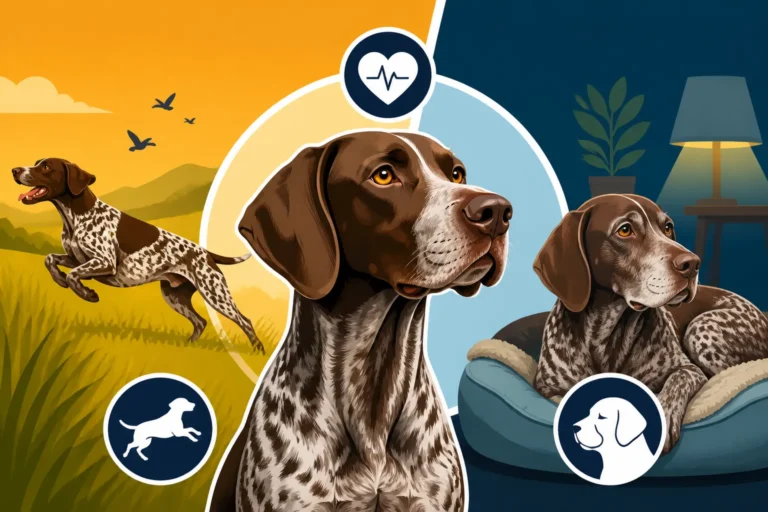
Your German Shorthaired Pointer is so much more than their genetic makeup. They are a loyal companion, a dedicated athlete, and a cherished family member. Just because breeding is off the table doesn't mean their potential to bring joy and companionship is lessened. Many affected GSPs, especially those with milder conditions, can still lead full and active lives. For instance, a dog with controlled hypothyroidism might still be an excellent jogging partner, even if they require Medicating a Hypothyroid German Shorthaired Pointer daily. A dog with hip dysplasia might thrive in lower-impact activities like swimming or nose work, rather than the strenuous demands of field trials. Perhaps they excel in obedience or rally, using their intelligence and boundless energy in ways that don't exacerbate their physical limitations.
Even if your GSP can't hit the fields for a full day of hunting, they can still be an amazing trail companion or a source of endless laughter at home. Many owners find immense satisfaction in simply providing the best possible life for their dog, focusing on their comfort and happiness. Furthermore, having a robust pet insurance plan like those offered by Healthy Paws can be a huge relief, covering unexpected vet bills that can arise from managing genetic conditions, alleviating some of the financial stress. They might not be breeding champions, but they can be champions of your heart.
Supporting Ethical Breeding Practices
Even if your own GSP cannot be part of the breeding pool, you can still play a vital role in promoting a healthier future for German Shorthaired Pointers. One of the most powerful things you can do is to be an advocate for ethical breeding. Share your story, not in a way that discourages GSP ownership, but that educates others on the importance of choosing a breeder who prioritizes health testing and transparency. Demand to see health clearances for both parents, including OFA, PennHIP, eye certifications, and relevant DNA tests. Ask direct questions about the prevalence of certain conditions in their lines. Learning how to navigate and understand documents like Reading a Shorthair's OFA and Eye Results Before Paying is empowering.
By supporting breeders who are committed to extensive health screening, you help to create a market for responsible practices. This incentivizes others to follow suit, slowly but surely reducing the incidence of debilitating genetic diseases. You can also get involved with breed clubs or rescue organizations, lending your time and passion to help GSPs in need. While the dream of breeding your own dog might have shifted, your dedication to the German Shorthaired Pointer breed can still shine brightly through responsible ownership and active advocacy.
Summary of Breeding Considerations
| Consideration | Breeding an Affected Shorthair | Breeding a Clear/Carrier Shorthair (if carrier, to a clear mate) |
|---|---|---|
| Genetic Risk | High. All offspring will inherit at least one copy of the problematic gene. | Low to moderate. Offspring will either be clear or carriers, but no affected (if bred correctly). |
| Ethical Impact | Contributes to increased genetic load, potential for future suffering. | Upholds breed health standards, reduces incidence of disease. |
| Offspring Health | Guaranteed carriers, potential for affected puppies if bred to other carriers. | Potential for clear and carrier offspring; no affected offspring if clear mate. |
| Reputation | Can damage a breeder's reputation and trust within the community. | Enhances breeder's reputation as responsible and ethical. |
| Primary Goal | Focus on dog's quality of life and contribution as a companion. | Improve or maintain breed health and characteristics. |
Disclaimer
This article is intended for informational purposes only and does not constitute veterinary advice. Always consult with a qualified veterinarian or a certified veterinary specialist for any health concerns or before making decisions regarding your German Shorthaired Pointer's health or breeding. Medical information changes rapidly, and individual circumstances vary.