Environmental Allergies in a Shorthair That Works Cover
It's incredibly frustrating to watch your high-drive German Shorthaired Pointer, a dog bred for relentless work in the field, suffer from constant itching, ear infections, or skin flare-ups. These aren't just minor annoyances; they can seriously impact their comfort, focus, and even their ability to do what they love most – working cover. This guide aims to help you understand environmental allergies in our active Shorthairs and provide practical, empathetic advice for managing these persistent challenges.
Understanding Environmental Allergies in German Shorthaired Pointers
Our German Shorthaired Pointers are magnificent athletes, built for endurance and keen senses. But their very nature, which drives them to plunge through tall grass, dense brush, and murky water, also exposes them to a world of environmental allergens. It’s a cruel twist when the activities they thrive on become the source of their discomfort.
Why Working Cover Aggravates Allergies
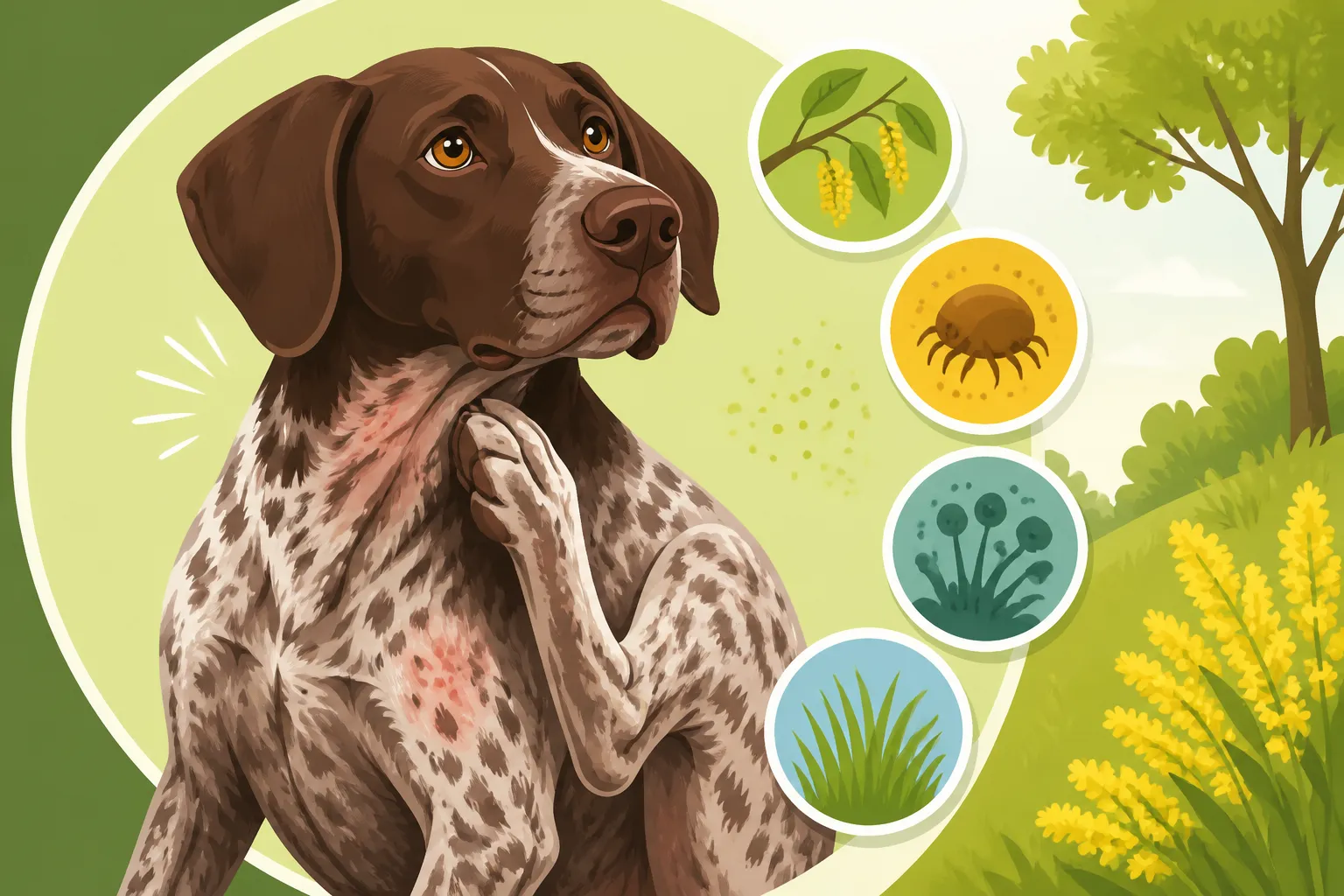
Think about it: a German Shorthaired Pointer is practically glued to the ground, nose down, charging through fields. This isn't a leisurely stroll; it's an immersive experience where they are constantly rubbing against pollens, molds, grasses, and dust mites. Their short, dense coat, while offering some protection, still allows these tiny irritants direct contact with their skin. Unlike some breeds with thicker, longer coats that might offer a slight barrier, a GSP's coat means allergens can settle right onto their skin with minimal hindrance.
Consider a sunny August afternoon in the Midwest. While you might just feel the warmth, your GSP is plowing through ragweed, goldenrod, and various grasses, kicking up dust and spores with every powerful stride. Each time they push through that cover, they're collecting a fresh layer of allergens on their belly, legs, and even their face. And if they're also a water dog, jumping into ponds or streams, they might be exposing themselves to water-borne molds and algae that can cling to their coat and exacerbate skin issues. This constant, high-level exposure significantly amplifies the problem, making environmental allergies a particularly potent challenge for our working Shorthairs.
Common Symptoms and How They Present in a Shorthair
The signs of environmental allergies, often called atopy, can be varied and sometimes subtle, especially in a dog as stoic and driven as a GSP. Initially, you might notice an increase in paw licking, especially after coming in from a hunt. They might rub their face more often on furniture or scratch at their ears. It’s easy to dismiss these as minor, everyday dog behaviors, but pay close attention.
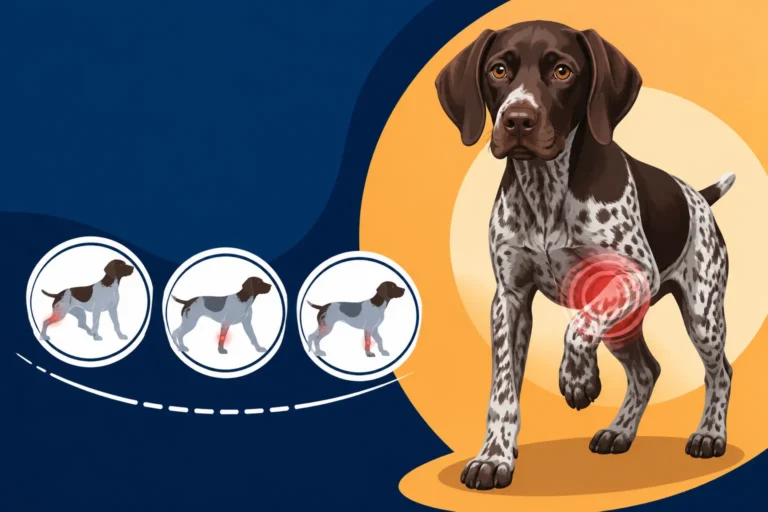
As the allergies progress, symptoms can become much more pronounced and distressing. We often see relentless itching, leading to reddened skin, hair loss (especially on the flanks, belly, and paws), and even secondary bacterial or yeast infections. Recurring ear infections are incredibly common, often presenting as a dark, waxy discharge, redness, a foul smell, and your dog shaking their head constantly or scratching at their ears. You might find your usually energetic companion less enthusiastic about training or hunting because they're simply too uncomfortable. Sometimes, these constant irritations can even lead to more serious skin issues like Hot Spots on a Shorthair After Swimming or generalized inflammation, making their skin painful to the touch. It’s not just about the itch; it’s about their overall well-being and their ability to live their best, active life.
Diagnosing and Identifying Specific Allergens
Pinpointing the exact cause of your Shorthair's environmental allergies can feel like detective work, but it's a crucial step in finding effective relief. It's not uncommon for owners to go through several rounds of treatments before truly getting to the root of the problem.
Working With Your Vet to Pinpoint the Problem
Your first and most important step is always a thorough veterinary visit. Your regular vet is a great starting point, but don't hesitate to ask for a referral to a veterinary dermatologist if the problem persists or becomes complex. The vet will likely start by ruling out other common causes of itching and skin problems, such as fleas, mites, or food allergies. This might involve skin scrapings, cytology (examining cells from the skin or ears), and possibly a food elimination diet trial. For a GSP, especially one prone to ear issues, they will also carefully examine the ears to determine if it's a primary allergy or a secondary infection. Many owners find their GSP experiences A Shorthair's Ear Infection That Returns Every Duck Season, which often has an underlying allergic component.
Once other causes are ruled out, your vet may recommend allergy testing. There are two main types:
- Intradermal Skin Testing (IDT): This is often considered the "gold standard." It involves injecting tiny amounts of various allergens under the skin and observing the reaction. It needs to be done by a veterinary dermatologist and requires light sedation.
- Serum IgE Blood Testing: This involves a blood sample that is sent to a lab to measure antibodies to common environmental allergens. It’s less invasive but can sometimes produce less precise results than IDT.
Both tests have their merits, and your vet will help you decide which is best for your dog's specific situation. The goal is to identify exactly what your GSP is reacting to, whether it's specific tree pollens, certain grasses, dust mites, or molds. This information is absolutely vital for developing a targeted treatment plan, especially if immunotherapy is an option.
Tracking Triggers and Environmental Factors
While professional testing provides a scientific baseline, you, as the observant owner, are an invaluable resource in identifying triggers. Start keeping a detailed journal. Note down when your Shorthair's symptoms flare up, where you've been (which fields, parks, or even just what rooms in the house), and what the weather has been like. For a GSP that works cover, this is especially important. Did they just run through a field of freshly cut alfalfa? Did you spend a weekend hunting pheasants in dry, dusty corn stubble? Or perhaps the symptoms worsen on damp, moldy days?
This diligent tracking can reveal patterns that even the most comprehensive allergy test might miss, giving you practical insights into managing daily exposure. For instance, if you consistently notice increased paw licking after a hunt in late summer, it might strongly suggest a ragweed or late-season grass pollen sensitivity. If they're particularly itchy indoors, dust mites might be a major culprit, suggesting you need to focus on air purification and bedding hygiene. Becoming a detective in your own home and in the field can significantly contribute to your dog's comfort and your peace of mind.
Managing and Treating Environmental Allergies for Active Shorthairs
Living with a German Shorthaired Pointer who has environmental allergies requires a multi-faceted approach, balancing immediate relief with long-term strategies that won't compromise their active lifestyle. It's a journey, not a sprint, and finding the right combination often involves trial and error.
Immediate Relief and Symptomatic Treatment
When your Shorthair is in the throes of an allergic flare-up, comfort is paramount. You want to ease that intense itch and inflammation quickly. Your vet can prescribe a range of options for symptomatic relief:
- Medicated Shampoos and Wipes: Regular bathing with a soothing, medicated shampoo can literally wash allergens off the skin and provide immediate relief from itching. Products containing ingredients like colloidal oatmeal, pramoxine, or even chlorhexidine (for secondary infections) can be highly effective. A lukewarm bath with a good quality shampoo, specifically designed for sensitive or allergic skin, can make a huge difference, especially after a run through heavy cover. Ask your vet about Shampoo for a German Shorthaired Pointer With Bad Skin to find the best option.
- Antihistamines: Over-the-counter antihistamines like diphenhydramine (Benadryl) or cetirizine (Zyrtec) can be tried, but they are often only mildly effective for canine environmental allergies. Always consult your vet for appropriate dosing before administering any human medication.
- Steroids: For severe, acute flare-ups, veterinarians may prescribe corticosteroids (like prednisone) to quickly reduce inflammation and itching. These are powerful drugs and are typically used short-term due to potential side effects with prolonged use.
- Topical Treatments: Sprays, creams, or ointments containing hydrocortisone or other anti-itch ingredients can be applied directly to localized hot spots or irritated areas.
Remember, these are mainly aimed at managing the symptoms, not curing the underlying allergy. They provide a much-needed break from the relentless itch, allowing your dog's skin to heal and giving them some much-deserved peace.
Long-Term Management and Lifestyle Adjustments
For chronic environmental allergies, effective long-term management is crucial. This is where you really start to minimize the impact on your Shorthair's quality of life.
- Immunotherapy (Allergy Shots or Oral Drops): This is often the most effective long-term solution. Once specific allergens are identified through testing, a custom vaccine is formulated. Your dog receives regular injections or oral drops of these allergens, gradually desensitizing their immune system. This doesn't just treat symptoms; it helps modify the immune response itself. It can take several months to a year to see full effects, but for many GSPs, it offers significant, lasting relief, reducing the need for other medications. It's a commitment, but one that can dramatically improve your dog's life.
- Environmental Control: While impossible to completely avoid outdoor allergens for a working dog, you can reduce exposure where possible. Regularly vacuuming with a HEPA filter vacuum, washing your dog's bedding in hot water, and using air purifiers indoors can help with dust mites and indoor allergens.
- Nutritional Support: A high-quality diet rich in omega-3 fatty acids can support skin barrier health and reduce inflammation. Supplements like fish oil or flaxseed oil are excellent additions. Consider exploring Fish Oil for a German Shorthaired Pointer's Skin with your vet.
- Proactive Care: For GSPs prone to ear infections, consistent ear cleaning with a vet-approved solution is vital. This helps remove allergens and prevents yeast and bacteria from taking hold in the warm, moist environment of the ear canal.
- Financial Planning: Managing chronic allergies can be costly, especially with ongoing medications, special diets, or immunotherapy. This is where pet insurance providers like Healthy Paws can be a real lifeline. They often cover diagnostics, treatments, and even some specialty care for chronic conditions like environmental allergies, helping ease the financial burden over your Shorthair's lifespan. It's worth researching how a plan like Healthy Paws could support your ongoing allergy management needs. Don't let the thought of expensive treatments deter you from giving your dog the best care, as solutions like Healthy Paws exist to help. When considering the long-term impact, proactive steps, including looking into pet insurance, can be invaluable for conditions that might require sustained care, ensuring you can afford the best for your GSP.
Many of these strategies are part of Managing a German Shorthaired Pointer's Lifelong Skin Disease.
Protecting Your Shorthair in the Field
It's tempting to think your GSP is tough enough to handle anything the field throws at them, but environmental allergies mean we need to be a bit smarter about their protection.
- Post-Hunt Rinse and Wipe Down: This is arguably one of the most impactful things you can do. As soon as you're done hunting, or even after a long walk in the park, give your Shorthair a quick rinse with plain water, especially their belly, legs, and paws. Follow up with a thorough wipe-down using a damp cloth or hypoallergenic pet wipes. This physically removes pollens, dust, and other allergens before they have a chance to settle and trigger a reaction. Don't forget their ears and between their paw pads where allergens love to collect. This routine should be as standard as Checking a German Shorthaired Pointer Over After a Hunt for injuries.
- Paw Care: The paw pads are often ground zero for allergic reactions. After rinsing, dry them thoroughly and apply a soothing paw balm if needed. Regularly check for irritation, redness, or signs of secondary infection. Boots, while not always practical for extensive field work, can be considered for short stints in particularly irritating cover or if your dog's paws are severely inflamed.
- Strategic Cover Choices: While you can't always pick your hunting grounds, if you know your dog reacts badly to certain types of vegetation (e.g., specific tall grasses or dense brush that collects a lot of dust), try to minimize exposure or schedule hunts when those allergens are less prevalent. For example, some pollens are worse in the morning, others in the afternoon. Knowing your dog's specific triggers can inform these decisions. Always be vigilant about foreign bodies like Foxtails and Grass Awns in a Hunting Shorthair, as these can mimic or exacerbate allergy symptoms.
- Protective Vests: While primarily for injury prevention from thorns or sharp sticks, a lightweight hunting vest can offer a physical barrier for a portion of your dog's body, reducing direct skin contact with some allergens. This won't cover everything, but it's an extra layer of defense that can help. This also helps reduce the risk of Skin Infections Under a Shorthair's Short Coat.
- Preventative Medications: If your dog has severe seasonal allergies that are predictable, your vet might recommend starting certain oral medications (like Apoquel or Cytopoint injections) before the season begins, rather than waiting for a full-blown flare-up. These targeted medications can significantly control the allergic response.
By being proactive and implementing these strategies, you can help your German Shorthaired Pointer continue to enjoy their passion for working cover, even with environmental allergies. It takes dedication, but seeing them comfortable and happy makes every effort worthwhile.
Common Environmental Allergens and Their Impact on GSPs
Here's a quick overview of some common environmental allergens that might affect your German Shorthaired Pointer, especially when they're out in the field.
| Allergen Type | Typical Season/Environment | Common GSP Symptoms | Impact on Working GSP |
|---|---|---|---|
| Pollen (Trees) | Early Spring (March-May) | Itchy paws, face rubbing, ear infections, sneezing, watery eyes | Reduced focus, paw discomfort during retrieves, early season discomfort |
| Pollen (Grasses) | Late Spring to Early Summer (May-July) | Intense itching, redness on belly/paws, hair loss, secondary skin infections | Hindered scenting, skin irritation from friction with grass, post-hunt distress |
| Pollen (Weeds) | Late Summer to Fall (July-October) | Full-body itching, recurring ear infections, irritated eyes, skin hot spots | Major disruption to hunting season, can lead to severe discomfort and reduced stamina |
| Molds (Outdoor) | Damp seasons, wet leaves, decaying vegetation | Itching, skin infections (often yeast), "musty" odor, paw licking, ear issues | Affects dogs working in marshy areas or damp cover, especially in fall |
| Dust Mites (Indoor) | Year-round, especially humid indoors | Chronic itching, paw chewing, hot spots, skin inflammation, even when not in field | Can exacerbate outdoor allergies, making overall itch burden higher. May cause them to self-mutilate or chew on household items, akin to What a Shorthair Destroys in Its First Year when frustrated. |
Disclaimer: This article is intended for informational purposes only and does not constitute veterinary advice. Always consult with a qualified veterinarian for any health concerns or before making any decisions about your German Shorthaired Pointer's care or treatment.