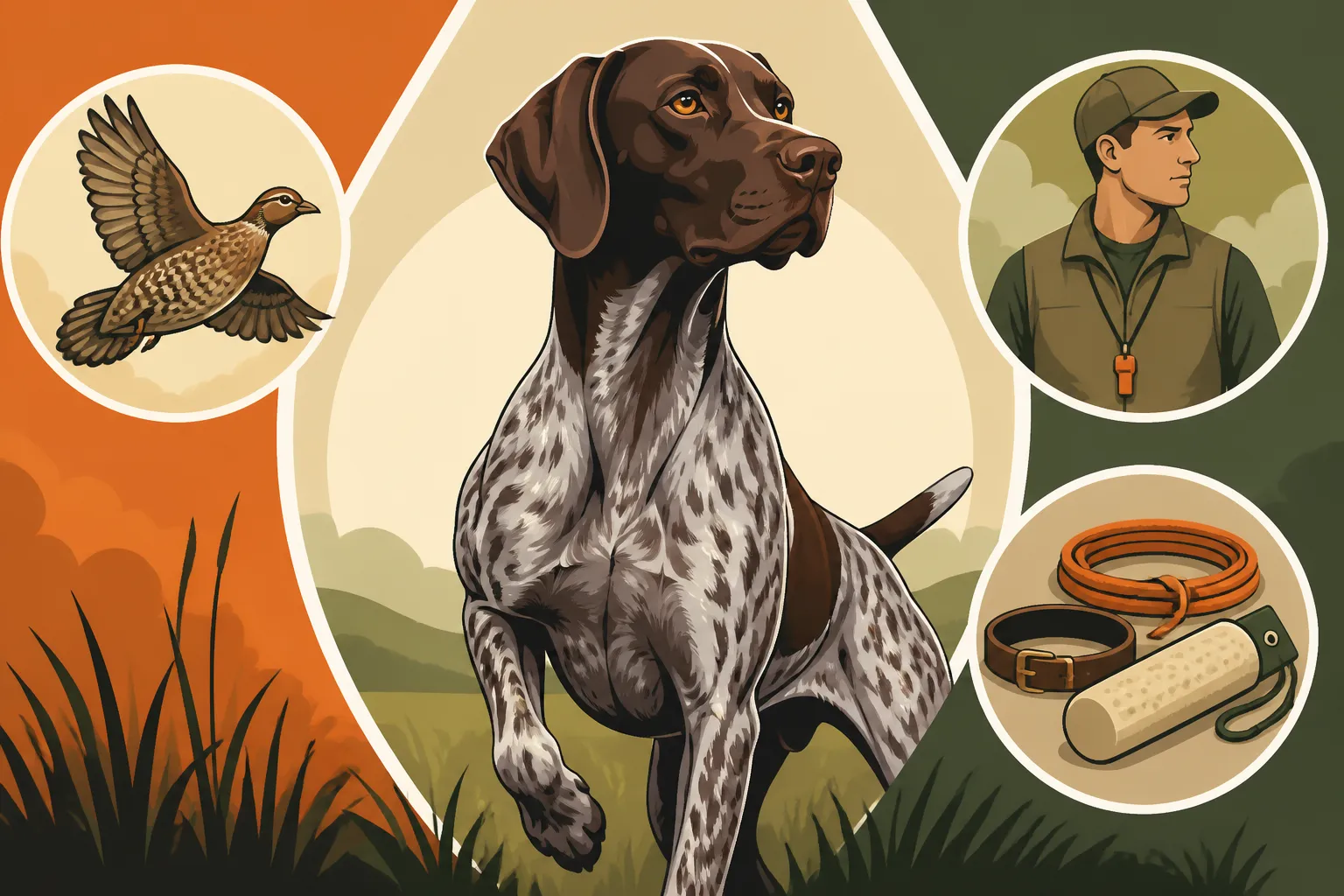
Birds, Trainers and Dues Behind a Finished Shorthair
Anyone who’s ever dreamed of having a German Shorthaired Pointer gracefully pointing a covey of quail knows there's a lot more to it than just getting a puppy. The journey from a wiggly, enthusiastic youngster to a truly "finished" bird dog, one that’s steady to wing and shot, retrieves to hand, and masters the nuances of the field, is a significant undertaking. This guide will walk you through the often-unseen financial commitments involved in training, housing, and utilizing the resources needed to bring out the very best in your hunting companion.
Understanding What "Finished" Truly Means for a German Shorthaired Pointer
When we talk about a "finished" German Shorthaired Pointer, we’re not just talking about a dog that knows "sit" and "stay." We're envisioning a finely tuned athlete and hunting partner, one that performs instinctively and reliably in the field under often challenging conditions. This level of training transcends basic obedience; it’s about honing natural instincts into polished, dependable behaviors that make for a truly effective and enjoyable hunt.
Beyond Basic Obedience: The Specialized Skills
For a German Shorthaired Pointer, being "finished" means mastering a suite of specialized skills. This includes a rock-solid whoa, where the dog freezes on point, steady even when the bird flushes and the gun fires, waiting patiently for your command. It means a reliable retrieve to hand, bringing back game tenderly without mouthing or dropping it. They must be able to quarter the field efficiently, covering ground systematically to find scent, and responding to whistle and hand signals from a distance, even when highly focused on game.
Think about the sheer number of distractions a dog faces in the field – competing scents, other dogs, loud noises, and the adrenaline rush of a flush. A finished Shorthair has learned to filter all that out, maintaining composure and focus on the task at hand. This isn’t something they just pick up; it requires countless repetitions, exposure to varied environments, and the steady guidance of an experienced hand. It’s a deep education in the art of the hunt, building confidence and competence brick by brick.
The Time Investment Versus the Financial Cost
Before we even delve into dollars and cents, it’s crucial to understand that the biggest investment in a finished German Shorthaired Pointer is time. Whether you’re putting in the hours yourself or paying a professional, the cumulative time dedicated to training, conditioning, and reinforcing behaviors is immense. If you plan to tackle the training yourself, prepare for hundreds, if not thousands, of hours over several years. This includes daily drills, weekend trips to training grounds, and full hunting seasons dedicated to applying lessons learned.
The financial costs often mirror this time commitment. Paying a professional trainer means you’re essentially buying their expertise and the time they would dedicate. Even if you're a seasoned amateur, the costs of equipment, birds, land access, and travel quickly add up. Sometimes, owners mistakenly believe they can cut corners by skipping certain stages or rushing the process, only to find themselves with a dog that has gaps in its training, requiring even more time and money to fix later. This is often why many German Shorthaired Pointers end up rehomed at eighteen months, precisely when the true commitment to specialized training begins to show its true colors.
The Difference Between a "Started" and "Finished" Dog
It’s important to distinguish between a "started" dog and a "finished" dog, as their price points and training levels are vastly different. A "started" German Shorthaired Pointer typically has basic obedience, has been introduced to birds and gunfire, and shows a natural point and retrieve. They might follow basic commands and hunt within reasonable range. They’re a good foundation, but they still require a significant amount of work to become a polished hunting companion.
A "finished" dog, on the other hand, is the complete package. They are typically two years old or more, have extensive field experience, and perform consistently at a high level. They handle well, are steady on point, retrieve reliably, back other dogs, and are comfortable in a variety of hunting scenarios. This distinction is paramount when looking at costs, as a "started" dog might command a few thousand dollars, but a truly "finished" dog, with proven capabilities and perhaps even hunt test titles, can easily be five to ten times that amount, if you can even find one for sale. It’s the difference between buying a solid frame and buying a custom-built, fully operational vehicle.
The Essential Costs of Live Birds for Training
You simply can't train a bird dog without birds. This might seem obvious, but the cost and logistics of acquiring and managing live game birds are often underestimated by new owners. Birds are the cornerstone of developing and proofing a German Shorthaired Pointer's pointing, flushing, and retrieving skills.
Acquiring Training Birds: Quail, Pigeons, and Chukar
The types of birds used for training vary, each serving a different purpose and coming with its own price tag.
- Pigeons: These are often the first birds used for puppies and young dogs learning to point and hold whoa. They are relatively inexpensive, hardy, and easy to keep, making them ideal for initial introductions and repeated drills. You can often buy them from local breeders or even catch them if you have access to a suitable location. Expect to pay anywhere from $5-$15 per bird, and you'll need many of them for consistent training sessions. Pigeons are fantastic for helping a Shorthair that points butterflies and birds alike learn discrimination and focus.
- Quail: As the training progresses, quail (often bobwhite or Coturnix) are introduced. They provide a more realistic scent and flush, simulating actual hunting conditions. Quail are smaller and often more challenging for a dog to track and point, making them excellent for refining a Shorthair's nose and stealth. They are typically more expensive than pigeons, ranging from $8-$20 per bird, and have a shorter lifespan in training scenarios as they are often flushed and shot.
- Chukar: These larger, faster-flying game birds are used for more advanced training, especially for dogs that are excelling with quail. Chukar provide a strong scent and a powerful flush, requiring a dog to be very steady. They are also excellent for teaching a Shorthair to pick up a cripple, as they can run and hide effectively. Chukar are usually the most expensive training bird, often $15-$30 per bird. They are hardier than quail and can sometimes be reused if they escape the retrieve.
- Pheasants: For dogs being trained on larger upland game, pheasants are the ultimate test. They provide a strong scent, a spectacular flush, and can run like deer, challenging a Shorthair's trailing ability. Pheasants are generally the most costly at $20-$40+ per bird and are often reserved for later stages of training or full field experiences.
The numbers add up quickly. A single training session might use 5-10 birds, and you'll need dozens, if not hundreds, over the course of your dog's development. This is why some dedicated trainers or owners choose to raise their own birds, but that comes with its own set of housing, feeding, and care costs.
The Logistics and Cost of Keeping Live Birds
Beyond the initial purchase, there are significant logistical and financial considerations for keeping live training birds.
- Housing: Birds need secure, predator-proof housing. This means constructing or buying coops and flight pens that protect them from foxes, raccoons, and even neighborhood cats. These structures can cost hundreds to thousands of dollars, depending on size and materials. They also need to be kept clean to prevent disease.
- Feed and Water: Like any animal, training birds need regular feeding and fresh water. Game bird feed can be specialized and isn't always cheap, especially if you're buying in bulk. Factor in the cost of feeders and waterers, and the time commitment for daily care.
- Permits: Depending on your state and local regulations, you might need permits to possess and release certain game birds. It’s essential to check with your state's wildlife agency (e.g., Department of Natural Resources, Game & Fish) to ensure compliance.
- Bird Launchers/Releasers: To control bird presentation during training, you'll likely invest in remote-controlled bird launchers or manual bird releasers. These allow you to set birds in the field and release them on command, simulating a natural flush. Launchers can range from $100 for basic models to $500+ for advanced remote-controlled systems. This is a critical piece of equipment for building a Shorthair's steadying skills.
If you don't have the space or desire to keep birds, you'll be constantly purchasing them, which impacts the overall budget. Some training groups or clubs might have shared bird resources, but you'll still pay for the birds used.
Using Hunting Preserves and Field Trial Grounds
Another avenue for exposing your German Shorthaired Pointer to birds, especially for advanced training and proofing, is utilizing hunting preserves or dedicated field trial grounds.
- Hunting Preserves: Many commercial hunting preserves offer stocked fields where you can pay a fee to release birds (often pheasants or chukar) and hunt them with your dog. This provides a controlled environment to simulate a real hunt, allowing you to work on handling, pointing, and retrieving. The cost typically includes a per-bird fee (e.g., $30-$50 per pheasant) plus a day-use fee for the preserve itself. While a single trip might seem expensive, it's often more cost-effective than raising your own birds if you only need occasional access.
- Field Trial Grounds: Some private or club-owned grounds are specifically set up for dog training and competitions. Access might be part of a club membership or available for a daily fee. These grounds often have diverse cover, which is perfect for exposing a German Shorthaired Pointer to different hunting conditions. They may also provide access to shared birds or bird-planting services. Utilizing these spaces is vital for simulating the conditions your Shorthair will encounter during a real hunt.
- "Wild" Bird Training: While ideal, access to wild birds can be limited and is usually reserved for season. Even then, wild bird hunting often requires licenses, tags, and travel to specific public or private lands, adding to the overall cost. Many trainers use captive-raised birds to build solid behaviors before transitioning a dog to wild birds. For more on this, you might explore "The First Live Bird for a German Shorthaired Pointer."
Professional Trainer Fees and What They Include
For many aspiring German Shorthaired Pointer owners, professional trainers are an indispensable part of achieving a "finished" bird dog. While the costs can be substantial, the expertise and consistent, structured training can save you countless hours and prevent bad habits from forming.
Deciphering Board-and-Train Programs
The most common and comprehensive option for professional gun dog training is the board-and-train program. This is where your German Shorthaired Pointer lives at the trainer's facility for an extended period, typically one to three months at a time, sometimes longer for a truly finished product.
- Monthly Rates: Pro trainer rates by the month for a Shorthair typically range from $800 to $1,500 or more, depending on the trainer's reputation, location, and the specifics of their program. This fee usually covers boarding, daily training sessions, food, and often an initial supply of training birds. However, it's crucial to clarify what's included. Some trainers charge extra for specialized birds (like pheasants), veterinary care if needed, or advanced equipment like e-collars if you don't provide your own.
- Program Structure: A good board-and-train program will have a clear curriculum, progressing from obedience and foundation work to bird introduction, whoa breaking, gun introduction, retrieving, and finally, advanced handling and field work. They should provide regular updates on your dog's progress and schedule owner-handler sessions to teach you how to maintain the training once your dog comes home.
- What You Get: With a reputable trainer, you're not just paying for someone to spend time with your dog; you're paying for their years of experience, their understanding of German Shorthaired Pointer temperament, their access to training grounds and birds, and their ability to troubleshoot issues effectively. They have the knowledge to navigate challenges like a Shorthair that bumps birds instead of pointing or a dog that is initially hesitant with gunfire.
- Multiple Stays: It's common for a German Shorthaired Pointer to go through multiple board-and-train stays over their development. For example, a puppy might go for foundation work at 6-10 months, return for advanced bird work around 12-18 months, and perhaps a final polish before their first hunting season. Each stay incurs a separate monthly fee.
Choosing a board-and-train means entrusting your dog to another person, so thorough research, facility visits, and checking references are paramount.
Hourly or Daily Training Sessions
For owners who prefer a more hands-on approach or whose dogs only need specific tune-ups, hourly or daily training sessions are another option.
- Cost and Flexibility: These sessions typically cost $75-$150 per hour or $200-$500 for a full day. This can be a great way to work on specific issues, like a particular retrieve problem or refining whistle commands. It allows you to be actively involved in the training process, learning alongside your dog.
- Owner's Role: With this model, you're expected to do the bulk of the daily reinforcement and practice at home. The trainer acts more as a coach, guiding you and your dog through exercises. This can be more affordable in the short term but requires significant dedication and consistency from the owner.
- Limited Scope: While valuable for targeted training, it’s rarely sufficient to achieve a "finished" dog on its own, especially if you're a novice handler. The continuous, immersive nature of a board-and-train program is usually required for that level of polish. However, for specific areas, such as rehabbing a Shorthair after cruciate surgery, or working on complex handling scenarios, these sessions can be invaluable.
The Value of a Skilled Trainer's Expertise
A truly skilled professional trainer brings immense value that goes beyond simply teaching commands. They understand breed-specific nuances, like the German Shorthaired Pointer's high drive and athleticism, and can adapt their methods accordingly.
- Problem Solving: They can quickly identify the root cause of a training issue and implement effective solutions. For instance, if your Shorthair is having trouble with Force Fetch Explained for a Shorthair Owner, a trainer can pinpoint why and correct it.
- Consistency: Trainers provide consistent, daily reinforcement, which is critical for dogs to generalize behaviors. They live and breathe dog training, ensuring that every interaction is a learning opportunity.
- Exposure: They have access to diverse training grounds, equipment, and a steady supply of birds, providing varied exposure that's hard for most individual owners to replicate. They can also provide a safe environment for Introducing the Gun Without Ruining a Shorthair, which is a delicate process.
- Networking: Trainers are often well-connected within the hunting dog community, offering insights into local hunting opportunities, field trials, and quality breeding lines.
The cost of a trainer is an investment in realizing your German Shorthaired Pointer's full potential, transforming a high-energy pet into a masterful hunting companion. Many owners find it to be the most impactful part of their journey to a finished dog.
Equipment and Gear for Advanced Training and Hunting
Beyond birds and trainers, equipping your German Shorthaired Pointer for advanced training and hunting involves a significant investment in specialized gear. This equipment is designed to enhance communication, ensure safety, and optimize performance in the field.
E-Collars, GPS Trackers, and Whistles
These tools are essential for managing a German Shorthaired Pointer’s expansive range and intense focus in the field.
- E-Collars (Electronic Collars): Often misunderstood, e-collars, when used correctly by knowledgeable handlers, are powerful communication tools for gun dog training. They allow for consistent, long-distance communication and correction, crucial for a breed that can range widely. A quality e-collar system from brands like Garmin or SportDOG, designed for hunting dogs, can cost anywhere from $150 to $400+. It’s important to understand that an e-collar is not a shortcut but a sophisticated training aid, and proper conditioning is vital. You can learn more about When an E-Collar Belongs on a German Shorthaired Pointer and how to use it responsibly.
- GPS Tracking Collars: For a German Shorthaired Pointer that covers a lot of ground, a GPS tracking collar is almost a necessity, particularly in dense cover or unfamiliar territory. These systems allow you to see your dog's exact location, track its movements, and even tell you if it's on point. High-quality GPS units with integrated e-collar functionality, like those from Garmin Alpha or SportDOG TEK series, are a significant investment, often ranging from $600 to $1,000+. Many of these require monthly or yearly subscription fees for map data or cellular service, which is another recurring cost to factor in.
- Whistles: A simple whistle is an indispensable tool for long-distance communication. Shorthairs are typically trained to respond to specific whistle commands for recall, turns, and whoa. A good quality whistle is relatively inexpensive ($10-$30) but its value in the field is immeasurable. It provides a consistent, clear sound that carries over distances and through wind, unlike the human voice.
These tools are not just accessories; they are integral to safe and effective training and hunting with a German Shorthaired Pointer, ensuring you can control your dog even when it’s focused on a distant bird.
Training Aids: Launchers, Dummies, and Blanks
To build a well-rounded bird dog, you'll need various training aids that simulate real-world scenarios.
- Bird Launchers/Dummy Launchers: As mentioned earlier, bird launchers are critical for steadying a dog to flush. Dummy launchers, which propel retrieving dummies over long distances, are excellent for practicing retrieves without using live birds every time. They help build drive and reinforce the retrieve command. These can range from $100-$300+.
- Retrieving Dummies: You'll need an assortment of retrieving dummies (plastic, canvas, or specialized bumper dummies) in various sizes and colors. These are used to teach hold, deliver to hand, and retrieve from different terrains, including water. A dozen good quality dummies might cost $50-$100.
- Blank Pistols and Starter Pistols: Proper gun introduction is vital to prevent gun shyness. A .22 or .32 caliber blank pistol or starter pistol allows you to introduce gunfire gradually and at a distance, increasing volume as your dog becomes comfortable. These can range from $100-$300, plus the recurring cost of blank ammunition. It's an important step for Introducing the Gun Without Ruining a a Shorthair.
- Check Cords and Whoa Posts: Long check cords (20-50 feet) are crucial for teaching and enforcing whoa and recall, giving you control over your dog at a distance before transitioning to an e-collar. Whoa posts or barrels are used to physically steady a dog on point in the initial stages. These are relatively inexpensive but essential foundation tools.
These aids allow for controlled, repeatable training scenarios, building confidence and consistency in your German Shorthaired Pointer’s performance.
Field Safety Gear: Vests, Bells, and First Aid
Safety in the field is paramount, especially for a high-energy German Shorthaired Pointer running through unpredictable terrain.
- Protective Vests: A neoprene vest is highly recommended for a hunting Shorthair, particularly when working in cold water or dense cover. It provides protection against abrasions, thorns, and cold temperatures. These range from $40-$80. You might also consider blaze orange vests for visibility during upland hunts, which are often $20-$50. Investing in Vests and Boots for a Hunting German Shorthaired Pointer is a wise decision to protect your dog.
- Bells: Many upland hunters attach a small bell to their Shorthair's collar. The sound allows you to track your dog's movement through thick cover. When the bell stops, you know your dog is likely on point. These are inexpensive ($5-$15) but incredibly useful.
- First Aid Kit: A comprehensive canine first aid kit is non-negotiable for any hunting trip. Shorthairs are prone to cuts, scrapes, pad injuries, and other mishaps in the field. This kit should include items for wound cleaning, bandaging, tick removal, pain relief (vet-approved), and emergency contact information. A well-stocked kit can cost $50-$150, and supplies need to be regularly replenished. For example, you need to know how to handle Cut Pads on a German Shorthaired Pointer After a Long Day.
- Boots: In extremely rough, rocky, or icy terrain, protective dog boots can prevent pad injuries. While some Shorthairs tolerate them better than others, they are a good item to have on hand. A set of four boots can cost $20-$60.
This safety gear isn't just about protecting your investment; it's about ensuring your German Shorthaired Pointer comes home healthy and ready for the next adventure. You want to make sure you're Checking a German Shorthaired Pointer Over After a Hunt to address any minor issues before they become major problems.
Membership Dues and Test Entry Fees
Being part of the German Shorthaired Pointer community, especially if you're serious about developing a finished bird dog, often involves joining clubs and participating in sanctioned events. These activities provide valuable training opportunities, networking, and a way to benchmark your dog's progress.
NAVHDA, AKC, and Field Trial Club Memberships
Joining relevant dog clubs offers numerous benefits, from access to training grounds to a wealth of knowledge from experienced members.
- NAVHDA (North American Versatile Hunting Dog Association): This is arguably the most important organization for German Shorthaired Pointer owners interested in versatile hunting dogs. NAVHDA promotes the training and testing of versatile breeds. Membership dues for a Shorthair owner are typically around $60-$80 annually. Membership gives you access to local chapter training days, resources, and the ability to enter their Natural Ability (NA), Utility Preparatory Test (UPT), and Utility Test (UT) events. These tests are designed to evaluate natural abilities and advanced training.
- AKC (American Kennel Club) Hunt Tests: The AKC also offers hunt tests for pointing breeds, including German Shorthaired Pointers, that evaluate their ability to find, point, and retrieve birds. These tests (Junior Hunter, Senior Hunter, Master Hunter) are more competitive and focus solely on hunting prowess. Individual membership in the AKC is not strictly required to compete, but it's often helpful to be part of an AKC-affiliated hunt test club, which may have its own local dues. Being an active member provides access to training days and mentorship, as outlined by AKC Hunt Test Entry Costs for a Shorthair.
- Field Trial Clubs: For those seeking the pinnacle of competition, field trials are intense events that pit the best dogs against each other. These clubs often have higher annual dues ($50-$150+) and may require sponsorship or an invitation to join. Field trials demand the highest level of training and control, pushing dogs and handlers to their limits.
- Breed-Specific Clubs: National and regional German Shorthaired Pointer clubs offer a sense of community, breed-specific health information, and sometimes host training events. Dues are usually modest ($25-$50 annually) and are a great way to connect with other enthusiasts.
These memberships are an investment in your journey, opening doors to resources and experiences that are otherwise inaccessible.
Entering Hunt Tests and Field Trials
Participation in hunt tests and field trials is where your German Shorthaired Pointer gets to prove its mettle. Each entry comes with a fee.
- NAVHDA Test Entry Fees: What Entering a Shorthair in a NAVHDA Test Costs varies by test level. A Natural Ability (NA) test might be around $75-$100, while a Utility Preparatory Test (UPT) or Utility Test (UT) could range from $125-$175+. These fees cover the cost of judges, birds, and grounds. You can also explore "The Natural Ability Test Scores on a Shorthair" to understand what is being evaluated at these events.
- AKC Hunt Test Entry Costs: AKC hunt test entry fees are typically in a similar range, often $50-$100 per test, per day, depending on the level (Junior, Senior, Master). If you enter multiple tests or multiple dogs, these costs add up quickly.
- Field Trial Entry Fees: Field trials are often the most expensive to enter, with fees ranging from $50-$200+ per stake, and many trials have multiple stakes (e.g., puppy, derby, all-age). This doesn't even include the travel and lodging associated with attending these events, which can be across states or even regions.
- Benefits Beyond Ribbons: Beyond the potential for titles and bragging rights, entering these tests provides invaluable experience for your German Shorthaired Pointer. They expose your dog to different judges, birds, grounds, and pressure situations, helping to solidify their training. It also offers a structured way to gauge your dog's progress and identify areas for improvement. For those considering the higher levels, "Preparing a Shorthair for the Utility Preparatory Test" can provide further insight.
| Test Organization | Test Level | Typical Entry Fee Range | Benefits |
|---|---|---|---|
| NAVHDA | Natural Ability (NA) | $75 – $100 | Evaluates natural hunting instincts in young dogs. |
| NAVHDA | Utility Prep (UPT) | $125 – $175 | Intermediate test for more advanced training. |
| NAVHDA | Utility Test (UT) | $125 – $175 | Advanced test for fully trained versatile hunting dogs. |
| AKC | Junior Hunter (JH) | $50 – $100 | Basic bird finding and retrieving skills. |
| AKC | Senior Hunter (SH) | $50 – $100 | More advanced handling, multiple retrieves, steadiness. |
| AKC | Master Hunter (MH) | $50 – $100 | Highest level, extensive field work, precise handling, steadiness. |
| Field Trials | Puppy/Derby/All-Age | $50 – $200+ | Competitive events showcasing high-level field performance. |
Traveling for Training and Competitions
The German Shorthaired Pointer world is a wide one, and getting to prime training grounds or competitive events often means hitting the road.
- Fuel Costs: Whether you're driving to a local training club, a hunting preserve an hour away, or a major test event several states over, fuel costs quickly accumulate. A dedicated GSP owner can easily put thousands of miles on their vehicle each year for dog-related activities.
- Lodging: For overnight or multi-day events, you'll need to factor in hotel stays, many of which now charge pet fees. If you're lucky enough to have an RV or camper, you'll still have campground fees.
- Time Off Work: Don't forget the opportunity cost of your time. Attending a weekend hunt test might mean taking a Friday off, or a multi-day field trial could mean sacrificing a full week of vacation time. This is a non-monetary cost that has a real impact on your personal and professional life.
- Specialized Transport: If you have multiple dogs or are traveling long distances, you might invest in a specialized dog box for the back of your truck or SUV. These ensure safety and comfort for your dogs on the road but can cost hundreds to over a thousand dollars.
The costs of travel often rival or even exceed the direct fees for training and testing, demonstrating that the pursuit of a finished German Shorthaired Pointer is truly a lifestyle commitment.
The Hidden Costs: Time, Travel, and Unexpected Expenses
Beyond the easily quantifiable expenses of birds, trainers, and dues, there are numerous hidden costs that can significantly impact the overall budget for developing a finished German Shorthaired Pointer. These are often overlooked but are just as critical to consider.
Fuel, Lodging, and Time Off Work
While touched upon previously, these elements deserve a deeper dive as they represent a substantial, often underestimated, financial and personal commitment.
- Fuel Consumption: Imagine driving to a training spot an hour away, two or three times a week. Add in weekend trips to hunt tests or field trial circuits that could be several hours or even a full day's drive. Over a year, this mileage can easily tally thousands of dollars in gasoline, especially with today's fluctuating prices. This doesn't even include the wear and tear on your vehicle, which indirectly adds to the cost of ownership. The German Shorthaired Pointer is a dog of perpetual motion, and so is its dedicated owner, always chasing the next training session or hunting opportunity.
- Lodging and Accommodations: Multi-day events mean overnight stays. Finding dog-friendly hotels can be a challenge, and many charge additional pet fees, ranging from $25 to $100 per night. If you're attending a regional event, these costs can add up quickly over a few nights. Alternatively, if you camp, you're looking at campground fees, which still run $20-$50 per night. This constant need for accommodations means careful planning and budgeting are essential.
- Valuable Time Off: For many, the most precious commodity is time. Training and hunting a German Shorthaired Pointer to a "finished" level isn't a casual weekend hobby; it's a consuming passion. This often means using vacation days for training clinics, hunt tests, or extended hunting trips. If you're self-employed, this translates directly to lost income. Even for those with paid time off, it's time not spent on other leisure activities or family obligations, representing a significant personal sacrifice. You might be interested in "The Hours a Shorthair Tolerates an Empty House" during these demanding periods.
These hidden costs highlight that becoming a finished German Shorthaired Pointer owner isn't just a financial transaction; it's a lifestyle choice that demands deep commitment.
Veterinary Care for a Hard-Working Dog
A German Shorthaired Pointer bred to run all day and traverse tough cover is inherently at a higher risk for injuries and health issues than a typical couch potato pet. These veterinary costs are a significant, unavoidable expense.
- Routine Care & Preventatives: Even without injuries, a hard-working German Shorthaired Pointer needs consistent routine care. This includes annual check-ups, vaccinations (beyond the core vaccines, like leptospirosis or Lyme for dogs in high-risk areas), and year-round flea, tick, and heartworm prevention. These preventative measures, essential for a dog regularly exposed to the elements, can easily run several hundred dollars annually. You need to keep up with The Vet Schedule a Working Shorthair Should Keep to ensure early detection of any issues.
- Injury Management: Field injuries are almost inevitable. Torn pads, barbed wire cuts, strained muscles, foxtail migrations, snake bites, or even more serious issues like torn cruciates or hip dysplasia in a hard running German Shorthaired Pointer are real possibilities. These can lead to emergency vet visits, sutures, medications, and potentially expensive surgeries. A cruciate repair alone can easily exceed $3,000-$5,000. These unexpected costs can quickly derail a budget.
- Performance Monitoring: Some dedicated owners will also invest in regular blood work to monitor their German Shorthaired Pointer's health and ensure they are recovering well from strenuous activity, or to catch issues like thyroid failure in a middle aged German Shorthaired Pointer before they impact performance. This proactive approach can add to vet bills but can also save money and heartache in the long run by preventing more serious problems.
- Pet Insurance: Given the high risk of injuries, many owners wisely invest in pet insurance. Companies like Healthy Paws offer plans that can cover a significant portion of unexpected veterinary bills. While monthly premiums can range from $30-$80+, having insurance can provide peace of mind and prevent financial catastrophe when a serious injury occurs. It's an important consideration for a dog that consistently puts itself in challenging situations.
The vet bills a hunting German Shorthaired Pointer earns are not just a possibility; they are a near certainty, and budgeting for them is a crucial part of responsible ownership.
Nutritional Support for Peak Performance
A German Shorthaired Pointer training and hunting extensively requires a diet that supports its extreme energy demands and physical recovery. This isn't your average kibble.
- High-Performance Diets: Working Shorthairs need high-quality, high-protein, and high-fat performance kibble. These specialized foods are more expensive than standard adult formulas, often costing $70-$100 for a large bag, which might last only a few weeks during peak season. You might also feed more volume, with a German Shorthaired Pointer eating many cups of food daily. You can explore "The Monthly Food Bill for a Hard Working Shorthair" for more details.
- Supplements: Many owners supplement their working German Shorthaired Pointers with joint support (glucosamine, chondroitin), fish oil for skin and coat health, and electrolytes or high-calorie supplements during intense training or hunting periods. Brands like Chewy offer a wide array of these supplements. These additions can easily add another $20-$50+ to your monthly food budget.
- Hydration: Ensuring adequate hydration is vital. This means not just carrying water for your dog in the field but also considering hydration additives or specialized water bowls that encourage drinking. Water intoxication in a retrieving German Shorthaired Pointer is a real danger that owners must be aware of and actively prevent.
- Fresh Food/Raw Diets: Some owners choose to feed fresh food or raw diets for what they perceive as superior nutrition and performance. While potentially beneficial, these diets are significantly more expensive and require careful planning to ensure nutritional completeness for a hard-working dog. Services like Ollie provide high-quality, pre-portioned fresh food that can cater to the dietary needs of active breeds, though at a premium cost.
Feeding a dog that burns what a Shorthair burns requires careful consideration and a willingness to invest in quality nutrition to maintain optimal health, stamina, and recovery. Conditioning a Shorthair before opening day often involves a careful dietary regimen.
DIY vs. Professional: Weighing the Trade-Offs
The decision to train your German Shorthaired Pointer yourself or enlist the help of a professional trainer is one of the biggest choices you'll make. Each path has its own set of advantages, disadvantages, and, critically, cost implications that go beyond just monetary figures.
The Learning Curve and Potential Setbacks of DIY
Taking on the training of a German Shorthaired Pointer yourself can be an incredibly rewarding experience, fostering a deep bond and understanding between you and your dog. However, it comes with a steep learning curve and potential pitfalls.
- Lack of Experience: Unless you grew up training gun dogs, you're starting from scratch. You'll need to invest heavily in books, DVDs, online courses, and clinics to learn the intricacies of gun dog training, particularly for a versatile breed like the Shorthair. This initial investment in knowledge is essential but can be overwhelming. You'll need to understand concepts like "whoa" and why every Shorthair starts there.
- Time Commitment: As discussed, the time commitment for DIY training is immense. You'll need to dedicate consistent, daily effort over several years. This means less time for other hobbies, family, or work. If you have a busy schedule, finding the consistent blocks of time needed for effective training can be a major challenge, leading to inconsistent results.
- Access to Resources: A professional trainer often has dedicated training grounds, a constant supply of birds, and all the necessary equipment. As a DIY trainer, you'll need to source and pay for these things yourself, from buying training pigeons to finding safe places to practice gun introduction. This can be costly and time-consuming to arrange.
- Mistakes and Corrections: Dogs learn through consistency and clear communication. Inexperienced handlers can inadvertently create bad habits that are much harder to correct later. For example, rushing gun introduction can lead to gun shyness, which is incredibly difficult to fix. A German Shorthaired Pointer that self hunts might also be a product of inconsistent handling. It takes a skilled hand to know when to push and when to back off.
- Emotional Investment: It can be emotionally taxing when your dog isn't progressing as quickly as you'd hoped, or when you encounter behavioral roadblocks. A professional trainer can offer an objective perspective and troubleshoot problems without the emotional bias that can sometimes hinder an owner.
While DIY training might seem cheaper upfront, the potential for costly mistakes, wasted time, and a less-than-finished dog can make it a false economy in the long run.
When to Seek Professional Help
Recognizing when to call in a professional isn't a sign of failure; it's a sign of a responsible and discerning owner.
- Specific Behavioral Issues: If your German Shorthaired Pointer is consistently exhibiting a specific, problematic behavior—like bumping birds, hard mouth retrieving, or being difficult to handle at range—a professional trainer can provide targeted intervention. They have the experience and tools to address these challenges efficiently.
- Lack of Progress: If you've been consistently training but feel your dog isn't progressing to the next level, a professional can assess your methods and your dog's capabilities. They can identify gaps in training or areas where your approach might be hindering progress.
- Time Constraints: If your life circumstances change and you simply don't have the time to dedicate to the intensive training a finished German Shorthaired Pointer requires, a board-and-train program can keep your dog on track. It ensures continuity in training even when your schedule doesn't permit it.
- Advanced Skills: For highly specialized skills like steadying to wing and shot, backing other dogs' points, or advanced handling, professional guidance is often invaluable. These complex behaviors require precise timing and nuanced understanding that many amateur trainers struggle to master.
- Pre-Competition Polish: If you plan to compete in NAVHDA Utility Tests or AKC Master Hunter tests, even experienced DIY trainers often send their dogs to a professional for a final polish. A trainer can ensure your German Shorthaired Pointer is performing at peak competitive readiness.
Seeking professional help is an investment in achieving your goals and ensuring your German Shorthaired Pointer reaches its full potential, transforming it into the capable bird dog you envisioned.
Hybrid Training Approaches
For many German Shorthaired Pointer owners, a hybrid approach strikes the best balance between cost, personal involvement, and professional expertise.
- Foundation with a Pro, Finish at Home: You might send your German Shorthaired Pointer to a professional for initial foundation work – basic obedience, bird introduction, and initial whoa breaking. Once those core skills are solid, you take over, continuing the training at home with guidance from the trainer. This allows you to build on a strong base without having to navigate the most challenging early stages yourself.
- Owner-Led with Trainer Consultations: This involves you doing the daily training, but regularly consulting with a professional trainer, either through occasional one-on-one sessions or by attending their group classes and clinics. This provides ongoing mentorship and problem-solving support, helping you avoid common pitfalls. This approach gives you the pride of training your own dog while having a safety net of expert advice.
- Seasonal Tune-Ups: Even if you train your German Shorthaired Pointer primarily yourself, sending them to a professional for a two-to-four-week "tune-up" before hunting season or a major test can be incredibly beneficial. This helps knock off any rust, reinforce commands, and get them physically and mentally sharp for the demands ahead.
- Club Involvement: Joining a local NAVHDA chapter or AKC hunt test club offers a fantastic hybrid option. You'll gain access to training grounds, shared birds, and, most importantly, the collective wisdom of experienced handlers. These clubs often have informal mentors who can guide you without the cost of a full-time professional. You can learn a lot from watching others and getting feedback on your own training.
A hybrid approach allows owners to tailor the training journey to their budget, time constraints, and personal goals, making the dream of a finished German Shorthaired Pointer more attainable for a wider range of enthusiasts. It acknowledges that sometimes "The Age a German Shorthaired Pointer Starts Roadwork" for conditioning, or when to push specific training, benefits greatly from an experienced eye.
Disclaimer
Please remember that this article is for informational purposes only and is not a substitute for professional veterinary advice, training consultation, or legal guidance regarding local regulations for dog ownership and hunting. Always consult with qualified professionals for specific advice related to your German Shorthaired Pointer's health, training, and local hunting laws.