The Yearly Eye Exam Fee for a Breeding Shorthair
One of the often-overlooked financial realities for anyone serious about breeding German Shorthaired Pointers is the cost associated with maintaining impeccable health standards for their breeding stock. Beyond the initial purchase price and general upkeep, specialized veterinary care is absolutely paramount, and among these, the yearly eye exam stands out as a critical, recurring expense that needs careful planning. This guide aims to thoroughly explore the fees associated with these essential ophthalmic examinations, helping you understand what to expect and how to budget for the ongoing eye health of your valuable breeding Shorthairs.
Why Eye Exams Are Crucial for Breeding German Shorthaired Pointers
For a German Shorthaired Pointer breeder, the health of your dogs is your reputation. You're not just breeding pets; you're striving to produce dogs that embody the breed standard in terms of temperament, working ability, and, crucially, health. Eye health, in particular, is non-negotiable. Passing on inherited eye diseases can devastate future generations and damage the standing of your entire line, impacting the German Shorthaired Pointer breed as a whole.
The Importance of Ophthalmic Clearances in Breeding Lines
Think of ophthalmic clearances as a critical gatekeeper for your breeding program. Responsible breeders understand that every dog intended for breeding should be screened for genetic conditions that could affect its offspring. Eye diseases, unfortunately, are a common area of concern across many breeds, including the German Shorthaired Pointer. Without these regular examinations, you're essentially breeding blind, risking the production of puppies that will suffer from painful, debilitating, or even blinding conditions. Buyers expect this due diligence, and reputable breed clubs often mandate these clearances for registration or participation in certain events. These exams aren't just about avoiding problems; they're about actively promoting the health and longevity of the breed. Ensuring that your breeding animals have clear eyes free from hereditary defects contributes directly to the overall health profile of your line. It’s part of the comprehensive health battery, alongside screenings for conditions like hip and elbow dysplasia, which are also vital. You'll often find these clearances are part of a larger picture, leading to a coveted CHIC number, a testament to a dog's complete health screening. For a deeper dive into overall health screening, you might be interested in The Five Tests Behind a German Shorthaired Pointer CHIC Number.
Common Eye Conditions in German Shorthaired Pointers
While German Shorthaired Pointers are generally a robust breed, like all purebreds, they can be predisposed to certain inherited eye conditions. One condition of particular note is Cone Degeneration, which can lead to day blindness. This is a progressive condition that impacts the cones in the retina, making dogs unable to see properly in bright light. Breeders who care about the future of their lines often test for this specific gene. You can learn more about Cone Degeneration and the Shorthair DNA Test for It. Other conditions that a certified veterinary ophthalmologist will look for include cataracts, which can cause clouding of the lens and impair vision, progressive retinal atrophy (PRA), which leads to eventual blindness, and various eyelid abnormalities such as entropion (inward rolling eyelid) or ectropion (outward rolling eyelid). While less common, glaucoma, a painful condition involving increased pressure within the eye, can also occur. Beyond hereditary conditions, Shorthairs, especially active hunting dogs, are also prone to eye injuries from dense cover or foreign bodies, making regular check-ups even more important to catch issues early, even if they're not genetic. As dogs age, they can also develop changes like Cloudy Eyes in a Shorthair Past Ten, which may or may not be significant but warrant monitoring.
Understanding the ACVO Eye Exam
When we talk about yearly eye exams for breeding dogs, we're typically referring to the examinations performed by a board-certified veterinary ophthalmologist, often affiliated with the American College of Veterinary Ophthalmologists (ACVO). These are not your routine vet check-ups; they are specialized examinations designed to detect even subtle signs of hereditary eye disease.
What Happens During an ACVO Exam
The ACVO eye exam is a thorough and systematic evaluation of every part of your German Shorthaired Pointer's eyes. It usually begins with a comprehensive history of the dog, including any past eye issues, injuries, or concerns. The ophthalmologist will then perform a series of tests. This often includes testing pupillary light reflexes, assessing menace response (the blink reflex when an object quickly approaches the eye), and examining the external structures of the eye, eyelids, and tear production.
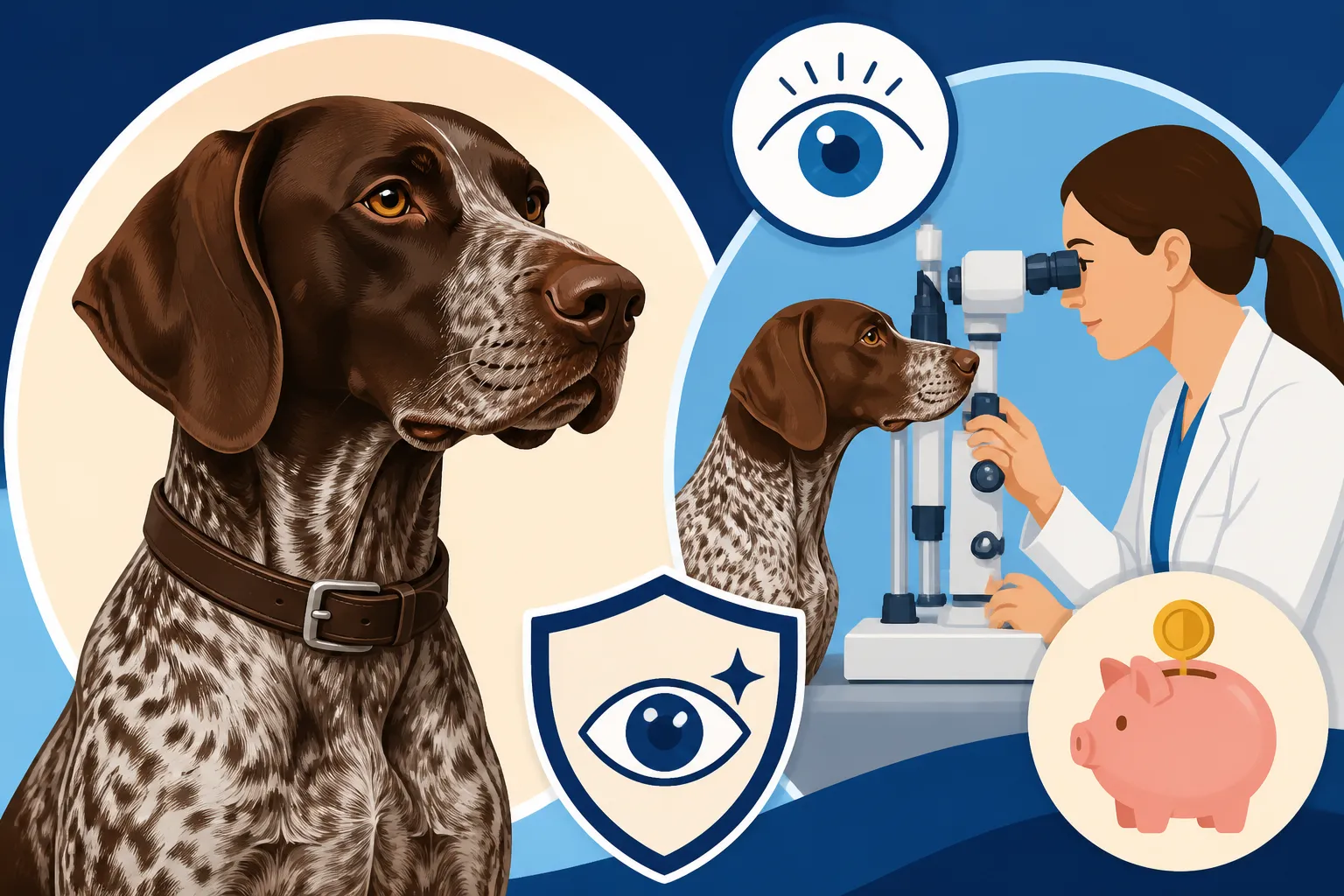
A vital part of the exam involves dilating the pupils to get a clear view of the deeper structures of the eye, such as the retina and optic nerve. This dilation can take 20-30 minutes, during which time the dog might be restless or uncomfortable in bright light. Once dilated, the ophthalmologist will use specialized equipment like an indirect ophthalmoscope and a slit lamp biomicroscope. These tools allow for magnified, detailed examination of the cornea, anterior chamber, iris, lens, and the vitreous, right down to the fundus (the back of the eye). The specialist is looking for any abnormalities, no matter how minute, that could indicate a hereditary condition. They are highly trained to distinguish between age-related changes, incidental findings, and true hereditary defects. It's a precise and detailed process, far more in-depth than what your general practice vet typically performs. The findings are then recorded on an official ACVO form. Understanding this form is key, and you can learn more by checking out Reading a German Shorthaired Pointer's Eye Certificate.
Certification and Data Submission
After the examination, if the dog's eyes are found to be free of observable, significant hereditary eye disease, the ophthalmologist will issue an ACVO eye certification. This certificate typically lasts for one year from the date of examination, which is why annual exams are so crucial for breeding animals. The results are often submitted to a central database, such as the Orthopedic Foundation for Animals (OFA) Eye Certification Registry, where they become publicly accessible. This transparency is incredibly important for maintaining breed health, allowing prospective puppy buyers and other breeders to verify the health clearances of a dog's parents. If an anomaly or potential hereditary condition is found, the ophthalmologist will discuss the implications with you, providing guidance on whether the dog should be bred and outlining any necessary follow-up care or testing. This rigorous certification process is why these exams are so highly valued in responsible breeding circles – they offer a standardized, credible assessment of eye health. Remember, The ACVO Eye Exam a Shorthair Needs Each Year isn't just a recommendation; for serious breeders, it's a commitment.
Factors Influencing the Cost of a Yearly Eye Exam
It’s fair to say that specialized veterinary care, like an ACVO eye exam, comes with a specific price tag. The cost isn't uniform across the board; several factors can influence the final bill you receive. Understanding these can help you better prepare your budget and avoid any surprises.
Geographic Location and Veterinary Practice Fees
Just like real estate or human medical care, veterinary costs can vary significantly depending on where you live. A yearly eye exam fee in a major metropolitan area with high overhead costs for veterinary specialists will likely be higher than in a rural region with lower operating expenses. For example, a specialist's office in a bustling city like Dallas or Chicago might charge a premium compared to a smaller town in the Midwest. The reputation and demand for a particular veterinary ophthalmologist's services can also play a role. A highly sought-after specialist with extensive experience might command higher fees.
Additionally, the type of practice can matter. A large veterinary university hospital or a specialized referral center often has state-of-the-art equipment and a team of specialists, which can be reflected in their pricing. In contrast, a smaller, private specialist practice might have slightly different fee structures. It's always a good idea to call around to a few different certified veterinary ophthalmologists in your accessible region to get a comparative quote. Don't be shy about asking for an itemized breakdown of what the exam includes.
Anesthesia and Sedation Considerations
For most adult German Shorthaired Pointers, a standard ACVO eye exam can be performed without sedation. These dogs are generally cooperative, and the examination, while thorough, isn't painful. However, there are instances where sedation or even light anesthesia might be required, and this will invariably add to the cost.
Reasons for sedation might include:
- Temperament: A particularly anxious or fractious dog that cannot remain still for the precise measurements and examinations needed.
- Pain: If the dog is experiencing acute eye pain or has an injury that makes handling difficult.
- Puppies: Very young puppies, while not typically undergoing full ACVO certification, sometimes need a preliminary exam, and their squirmy nature might warrant mild sedation for accuracy.
- Extensive Investigation: If the ophthalmologist needs to perform more invasive diagnostic procedures beyond the standard exam.
Sedation involves pre-anesthetic blood work, the sedative drugs themselves, and monitoring by veterinary staff, all of which contribute to a higher fee. If full anesthesia is somehow necessary for a very complex or painful condition, the costs escalate further due to the involvement of an anesthetist, more extensive monitoring, and recovery care. Always discuss with your ophthalmologist whether sedation is anticipated for your Shorthair's exam and factor that into your budget.
Additional Diagnostic Tests
While the core ACVO exam is comprehensive, sometimes the ophthalmologist might find something during the initial assessment that warrants further investigation. These additional diagnostic tests are not part of the standard certification fee and will be an extra expense.
Examples of such tests include:
- Electroretinography (ERG): This test measures the electrical responses of the light-sensitive cells in the eye (rods and cones). It's crucial for diagnosing conditions like progressive retinal atrophy (PRA) or Cone Degeneration, especially if the initial clinical signs are ambiguous.
- Ocular Ultrasound: If the internal structures of the eye are obscured (e.g., by a dense cataract or severe hemorrhage), an ultrasound can help visualize the retina and other posterior segments.
- Genetic Testing: Although often done separately, if a suspected inherited condition like Cone Degeneration is identified, the ophthalmologist might recommend specific genetic testing to confirm the diagnosis and determine carrier status. You can often order a specific test for The Gene Behind Cone Degeneration in Shorthairs.
- Biopsy: In rare cases, if a growth or suspicious lesion is found on or around the eye, a biopsy might be necessary for definitive diagnosis.
These additional tests are not always needed, but it's wise to be aware that they can be recommended and will add to the overall cost of your Shorthair's eye care. They are, however, essential if you want a complete picture of your dog's eye health and to make informed breeding decisions.
Budgeting for Breeding German Shorthaired Pointer Eye Care
Understanding the potential costs is one thing; actually integrating them into your breeding budget is another. Responsible breeding is an expensive endeavor, and proactive financial planning for health clearances, especially yearly eye exams, is paramount.
Comparing Costs Across Different Providers
As mentioned, prices for a yearly eye exam can fluctuate based on location and the specific veterinary ophthalmologist. Therefore, a little bit of legwork on your part can potentially save you a significant amount. Don't hesitate to call different board-certified veterinary ophthalmologists within a reasonable driving distance. Ask for their standard fee for an ACVO eye certification exam. Some practices might offer a slight discount if you're bringing multiple dogs in for examination on the same day, which can be a real boon for breeders.
When comparing, make sure you're asking about the same service. Clarify whether the quoted price includes the official ACVO certification paperwork and submission to the OFA. Also, inquire about any potential additional fees, such as for the initial consultation, facility fees, or if light sedation is included should it be deemed necessary. Some clinics might have slightly higher base rates but include certain follow-up checks, while others might separate every single charge. Having a clear, itemized quote in advance helps prevent surprises. Creating a simple table can make this comparison straightforward:
| Clinic Name | Location | Base ACVO Exam Fee | Sedation Cost (Estimated) | Multi-dog Discount? | Notes |
|---|---|---|---|---|---|
| City Vet Ophth | Metro Area | Check Current Rates | Check Current Rates | Sometimes | Highly experienced |
| Rural Pet Eyes | Rural Town | Check Current Rates | Check Current Rates | Yes | Longer drive |
| University Animal Hospital | City | Check Current Rates | Check Current Rates | No | Cutting-edge tech |
Remember that the cheapest option isn't always the best, especially when dealing with specialized health clearances for breeding animals. You want a qualified, experienced ophthalmologist who is thorough and whose certifications are widely recognized.
How Pet Insurance Can Help
Many breeders wonder if pet insurance is a viable option to help offset the costs of health clearances and unexpected veterinary bills. The answer is nuanced, especially when it comes to routine health certifications like yearly eye exams. Most standard pet insurance policies are designed to cover accidents and illnesses, not routine wellness or pre-screening for breeding purposes. However, some pet insurance providers offer "wellness add-ons" or plans that cover a portion of routine care, which might include eye exams.
It's absolutely essential to read the fine print of any policy. Specifically ask prospective insurers if yearly ACVO eye exams for breeding dogs are covered, and if so, what percentage is reimbursed and if there are any caps. For instance, a provider like Healthy Paws focuses primarily on accident and illness coverage, which would be invaluable if your Shorthair suffers an injury like a foreign body in the eye while out in the field, or develops a sudden illness like glaucoma. However, their standard plans typically wouldn't cover the routine certification exam. You might find other providers that offer wellness packages that do include some preventative care, but you’ll need to weigh the cost of the premium against the potential reimbursement for these specific exams. If your German Shorthaired Pointer unfortunately does develop a condition that requires surgery or ongoing medication, a good accident and illness policy becomes incredibly valuable. For example, if your Shorthair has a Bleeding Risk During a German Shorthaired Pointer's Surgery, insurance could be a lifesaver.
The Long-Term Investment in Eye Health
Viewing the yearly eye exam fee as merely an expense misses the bigger picture for a responsible breeder. This is a long-term investment, not just in the individual dog's health, but in the health and reputation of your entire breeding program and the German Shorthaired Pointer breed itself.
- Preventing Future Costs: By catching hereditary eye conditions early, you can make informed decisions that prevent passing on costly and heartbreaking problems to future generations. Treating a severe eye disease in a puppy or adult dog can far exceed the cost of multiple preventative exams.
- Maintaining Breed Standards: Eye health is a fundamental component of breed integrity. By diligently screening, you're upholding the standards of the German Shorthaired Pointer and ensuring that the breed remains healthy and functional for generations to come.
- Reputation and Trust: For serious buyers, proof of comprehensive health clearances, including up-to-date eye certifications, is a non-negotiable expectation. Breeders who consistently provide clear health records build trust and a sterling reputation, which ultimately helps them place their puppies in good homes more easily.
- Ethical Responsibility: At its core, it's an ethical responsibility to ensure that you are not knowingly perpetuating genetic health problems. This commitment extends beyond just eye health to conditions like hip dysplasia; if you're looking into those costs, you might also be curious about What OFA Hip and Elbow Films Cost on a Shorthair.
Ultimately, budgeting for these yearly exams is a commitment to excellence and a testament to your dedication as a German Shorthaired Pointer breeder. It ensures that the German Shorthaired Pointer, a breed renowned for its vitality and intelligence, continues to thrive with healthy eyes to guide them through every field and forest.
Beyond the Exam: Ongoing Eye Care for Breeding Shorthairs
While the annual ACVO exam is a cornerstone of eye health for breeding German Shorthaired Pointers, it's not the only piece of the puzzle. What you do between those yearly appointments, and how you respond to new developments, are equally important. Proactive observation and daily care contribute significantly to your dog's overall ocular well-being.
Recognizing Signs of Eye Issues at Home
As a breeder and owner, you are on the front lines of your German Shorthaired Pointer's health. You see your dogs every day, which puts you in the best position to notice subtle changes that might indicate an emerging eye problem. Don't wait for the annual exam if you spot something amiss.
Keep an eye out for these potential signs:
- Redness or Inflammation: The whites of the eyes (sclera) or the tissues around the eye (conjunctiva) appearing red or swollen.
- Discharge: Excessive tearing, watery eyes, or thick, colored discharge (yellow, green, or white) could indicate infection or irritation.
- Squinting or Excessive Blinking: This is often a sign of pain or discomfort in the eye, possibly from a foreign body, injury, or underlying condition.
- Cloudiness or Color Change: Any new cloudiness, haziness, or change in the color of the cornea or pupil, beyond what might be normal age-related changes, warrants attention.
- Pawing at the Eye: Repeated rubbing or pawing at the face or eyes suggests irritation or pain.
- Changes in Vision: Your dog might bump into objects, be hesitant to go down stairs, or show difficulty navigating in certain light conditions. For instance, Signs a German Shorthaired Pointer's Day Vision Is Failing would be noticeable if your dog struggles outdoors in bright sun.
- Uneven Pupil Size: Pupils that are different sizes or don't react equally to light can indicate a neurological or ocular problem.
- Prolapsed Third Eyelid: The third eyelid (nictitating membrane) becoming visible in the corner of the eye more than occasionally can be a symptom of various issues.
Any of these signs should prompt a call to your general veterinarian, who can then decide if a referral to a veterinary ophthalmologist is necessary. Early detection can make a huge difference in treatment outcomes and can prevent minor issues from becoming major problems.
General Eye Health Maintenance
While specialized exams are for breeders, basic eye health maintenance is important for every German Shorthaired Pointer owner. Integrating a few simple practices into your routine can help keep their eyes healthy and comfortable.
- Regular Visual Checks: Take a moment each day, or at least a few times a week, to simply look at your Shorthair's eyes. Are they clear? Are the whites white? Is there any discharge? This is especially important for hunting dogs that run through brush and might pick up debris. After a day in the field, performing Checking a German Shorthaired Pointer Over After a Hunt should always include a thorough eye inspection.
- Gentle Cleaning: If you notice a bit of crusting or discharge, gently wipe the area with a soft, damp cloth or a veterinary-approved eye wipe. Always wipe away from the eye, and use a fresh part of the cloth for each eye to prevent cross-contamination.
- Protection from Irritants: Be mindful of dust, chemicals (like cleaning supplies), or strong winds that can irritate your dog's eyes. When travelling in the car, don't let your Shorthair stick its head completely out the window, as wind and debris can cause eye damage.
- Environmental Considerations: For dogs with significant white markings around their eyes, or very light eyes, consider sun protection in extremely bright conditions, though this is less common for GSPs than for some other breeds.
- Nutrition: A balanced, high-quality diet, like those offered by Chewy or Ollie, can support overall health, including eye health. Some owners opt for supplements like fish oil, which contains Omega-3 fatty acids, believed to support ocular health, but always discuss this with your vet first.
These simple steps won't replace a professional exam, but they form a crucial part of ongoing care and allow you to stay attuned to your dog's needs.
When to Seek Emergency Ophthalmic Care
There are times when an eye issue in your German Shorthaired Pointer moves beyond a minor concern and becomes an emergency requiring immediate veterinary attention. Recognizing these situations quickly can save your dog's vision, or even their eye.
You should seek emergency care if you observe:
- Sudden Blindness: If your dog suddenly seems disoriented, bumps into things, or appears unable to see, this is a severe emergency.
- Severe Pain: Marked squinting, inability to open the eye, crying out when the eye area is touched, or aggressive pawing at the face indicates intense pain.
- Trauma or Injury: Any visible injury to the eye itself, such as a deep scratch, puncture, or chemical burn, requires immediate assessment. This is especially true for field dogs prone to Eye Injuries a Shorthair Gets Running Heavy Cover.
- Protruding Eyeball: If the eyeball appears to be bulging or has come out of its socket, this is a critical emergency.
- Rapid Swelling: Sudden, significant swelling around the eye could indicate an allergic reaction, abscess, or other serious issue.
- Bleeding: Any active bleeding from or around the eye.
In these situations, do not attempt to self-diagnose or treat. Protect the eye from further injury if possible (e.g., by preventing your dog from pawing at it with a cone if you have one), and get to an emergency veterinary clinic or an on-call veterinary ophthalmologist as quickly as possible. Time can be of the essence in preserving vision and preventing permanent damage.
Disclaimer
This article is for general informational purposes only and does not constitute professional advice. Laws, prices and regulations vary by location and change over time. Consult a qualified professional for guidance on your specific situation.