Collars, Boxes and Vests a Shorthair Owner Buys
Bringing a German Shorthaired Pointer into your life is an incredible adventure, but it quickly becomes clear that these energetic, intelligent dogs come with a specific set of needs. One of the initial hurdles many new owners face is figuring out what gear is truly essential. It’s not just about a leash and a collar; for a GSP, especially one destined for the field, there’s a whole world of specialized equipment designed to keep them safe, comfortable, and performing at their best. This guide will walk you through the various collars, boxes, vests, and other vital accessories a Shorthair owner buys, explaining why each piece is important and what to look for when making your selections.
Essential Collars for Your German Shorthaired Pointer
When you first bring home your German Shorthaired Pointer puppy, a simple collar is probably one of the first things you think about. But as they grow, and especially if you're planning on any sort of field work or extensive outdoor activity, you'll discover that not all collars are created equal. Each type serves a distinct purpose, and having the right one can make a world of difference in your dog's safety, comfort, and training.
Everyday and Identification Collars
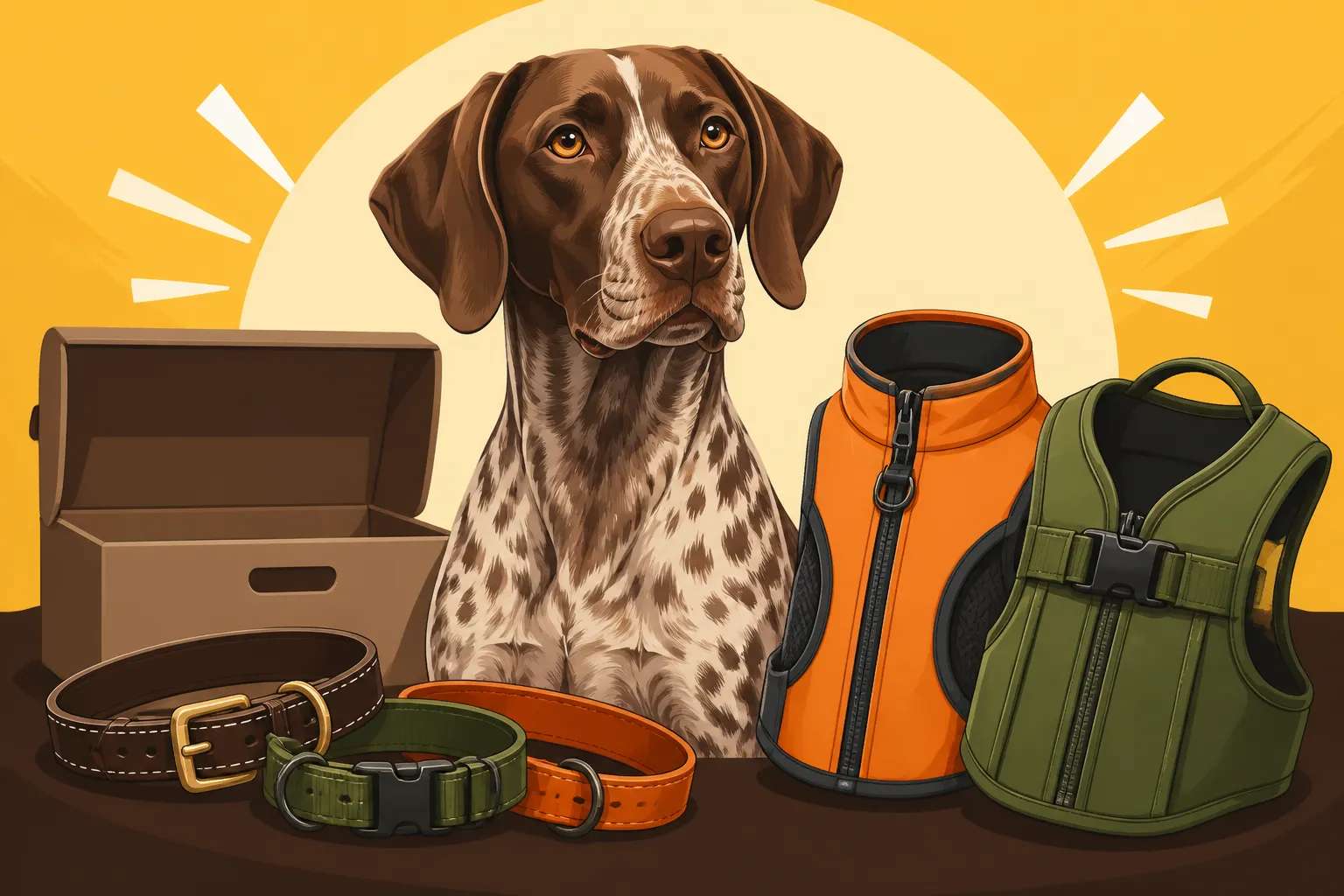
Every German Shorthaired Pointer needs a basic collar for identification. This is the one they'll wear most of the time, ideally fitted snugly enough that it won't slip over their head, but loose enough that it doesn't chafe or restrict their breathing. A good rule of thumb is that you should be able to comfortably slip two fingers between the collar and your dog's neck. For a GSP, a flat buckle or quick-release collar made of nylon or durable canvas is usually the best choice for daily wear. Leather can look sharp, but it often requires more maintenance and can get stiff or uncomfortable when wet, which happens a lot with a water-loving Shorthair.
On this collar, it's absolutely crucial to have up-to-date identification tags. This includes your dog's name, your phone number, and ideally, your address. Many owners also add a rabies tag and a tag indicating if their dog is microchipped. Consider having these details engraved directly onto the collar buckle or an embedded plate to prevent tags from getting snagged, lost, or becoming illegible over time. This simple piece of gear is your first line of defense if your adventurous GSP ever gets loose. Even with the most diligent training, a curious Shorthair can follow a scent for miles, and clear identification is their fastest ticket home.
Training and E-Collars
Training a German Shorthaired Pointer, especially for field work, often involves specialized collars. Traditional slip leads and martingale collars can be excellent tools for teaching Loose Leash Walking a German Shorthaired Pointer and ensuring control during walks, particularly for a dog that pulls towards every scent or bird it sees. These collars tighten slightly when pulled, providing a gentle reminder without causing discomfort if fitted correctly. They are particularly effective for dogs with narrow heads that might slip out of a standard collar.
For advanced training, particularly off-leash work in the field, electronic collars (E-collars) become a consideration for many GSP owners. It's important to understand that E-collars are not punitive devices; when used correctly, they are communication tools that apply mild stimulation or vibration to reinforce commands at a distance. Proper Conditioning a Shorthair to the E-Collar Properly is paramount to avoid creating a negative association or shutting down a soft Shorthair. They allow you to maintain control when your dog is ranging far out, ensuring their safety and adherence to commands, which is invaluable when hunting or hiking in expansive areas. Always seek professional guidance when introducing an E-collar to your dog to ensure humane and effective use.
GPS Tracking Collars
The boundless energy and keen prey drive of a German Shorthaired Pointer mean they can cover ground incredibly quickly. Whether you're hunting in dense cover, hiking in unfamiliar territory, or just enjoying an off-leash romp in a large park, the thought of your dog disappearing can be terrifying. This is where GPS tracking collars become an absolute game-changer. These collars offer real-time location tracking, often displaying your dog's position on a handheld device or a smartphone app.
Brands like Garmin Alpha or SportDOG Tek series are popular choices among hunting dog owners, offering durable, waterproof units that can withstand the rigors of the field. Many models also integrate E-collar functions, allowing you to track and train with a single device. The peace of mind that comes with knowing you can locate your dog, even if they range out of sight or get disoriented, is immeasurable. These systems often come with GPS Collar Subscription Fees for a Shorthair Owner, so factor that into your budget. For an energetic and independent breed like the GSP, a GPS collar isn't just a luxury; it's a vital safety tool that can prevent heartbreak and ensure you always know exactly where your beloved companion is.
Crating and Dog Boxes for Safety and Travel
Crates and dog boxes are far more than just cages; they are indispensable tools for training, safety, and comfortable travel for your German Shorthaired Pointer. From providing a secure den at home to ensuring protection during transport, understanding the different types and their uses is crucial for any GSP owner.
Home Crates for Training and Denning
A wire or plastic crate at home provides your German Shorthaired Pointer with a secure, personal space, a den where they can feel safe and relaxed. For puppies, a crate is invaluable for How Long House Training Takes on a Shorthair Puppy and preventing destructive behaviors like A Shorthair That Chews Through Doors and Drywall when left unsupervised. It taps into their natural instinct to have a den. Start early, making the crate a positive experience with treats, toys, and comfortable bedding. Never use the crate as punishment; it should always be a retreat.
As your GSP grows, the crate continues to serve as a safe haven. It's a place they can go to escape the hustle and bustle of a busy household, or simply to nap undisturbed. For adult dogs, a crate can be a lifesaver when you have guests, need to leave them alone for a few hours, or even during stressful events like fireworks. The key is to ensure the crate is appropriately sized – large enough for your GSP to stand up, turn around, and lie down comfortably, but not so large that they can soil one end and sleep in the other, which can hinder house training. Investing in a good quality crate like those from MidWest or Petmate is a solid choice, ensuring durability that will last through your dog's energetic younger years.
Vehicle Dog Boxes for Field Safety
For German Shorthaired Pointers destined for the field or regular outdoor adventures, dedicated vehicle dog boxes are a non-negotiable safety item. These are far more robust than standard wire crates and are designed to secure your dog safely in the back of a truck, SUV, or even a trailer. When you're driving on rough country roads, navigating busy highways, or making quick stops, an unsecured dog can become a projectile or be severely injured in an accident. A high-quality dog box keeps your GSP contained, preventing them from distracting the driver and protecting them from sudden impacts.
Beyond crash protection, dog boxes offer insulation and ventilation, protecting your Shorthair from extreme temperatures during transport. Many hunters appreciate the separate compartments, which can keep multiple dogs secure and prevent squabbles. They also make cleanup easier, containing mud, dirt, and shedding hair after a long day in the field. Brands like Ruff Land Kennels and Gunner Kennels are highly regarded for their durability, ventilation, and superior crash-test ratings. While the initial What a Truck Bed Dog Box Costs for a Shorthair might seem significant, it's an investment in your dog's safety and your peace of mind when traveling to and from hunting spots or trailheads.
Crash-Tested Crates for Road Travel
Beyond specialized field boxes, standard crash-tested crates are a smart investment for any GSP owner who frequently travels by car. The average wire or plastic crate offers minimal protection in a collision, and in some cases, can even become part of the hazard. Crash-tested crates, on the other hand, are engineered to absorb impact and prevent your dog from being ejected or severely injured during an accident. These crates undergo rigorous testing, often adhering to industry standards set by organizations like the Center for Pet Safety.
These crates might look similar to regular travel crates, but their construction, materials, and locking mechanisms are significantly reinforced. They are typically made from high-strength aluminum or impact-resistant composite materials. While they tend to be heavier and more expensive than conventional crates, the added safety for your beloved GSP is invaluable. Considering the potential vet bills and heartache from an accident, which a reputable pet insurance provider like Healthy Paws might help with, choosing a Crash Rated Crates for a German Shorthaired Pointer is a responsible decision for any dog owner who wants to maximize their pet's safety on the road. Remember, securing the crate within the vehicle is also essential; often, these crates have tie-down points to prevent them from shifting.
Protective Vests for Every Adventure
German Shorthaired Pointers are built for action, but their short, sleek coats don't offer much protection against the elements or abrasive terrain. This is where specialized vests come into play, providing crucial safeguards whether your GSP is swimming in cold water, running through dense cover, or working on a scorching autumn day.
Neoprene Vests for Cold Water and Cover
If your German Shorthaired Pointer is going to be doing any kind of water work, especially retrieving ducks in chilly lakes or icy rivers, a neoprene vest is an absolute must-have. A GSP's short coat, while somewhat water-resistant, offers minimal insulation when fully submerged in cold water. A neoprene vest, much like a wetsuit for humans, provides an insulating layer that helps your dog retain body heat, preventing hypothermia. This allows them to stay in the water longer and retrieve more effectively without suffering from the cold. Many GSPs love to swim, and a vest ensures they can enjoy this activity safely. You want a vest that offers a snug, but not restrictive, fit to maximize its insulating properties.
Beyond insulation, neoprene vests also offer a layer of protection against abrasive underwater debris, sharp sticks, or ice. They can also help your dog float, adding an extra measure of safety, particularly for younger or less experienced swimmers. Look for vests with sturdy zippers or buckles and reinforced stitching. Some even include a handle on the back, which can be incredibly useful for lifting your dog in and out of a boat or helping them over difficult obstacles. Investing in a good What a Neoprene Vest Costs for a Shorthair and ensuring proper fit is paramount for the health and performance of your water-loving GSP.
Blaze Orange Vests for Visibility
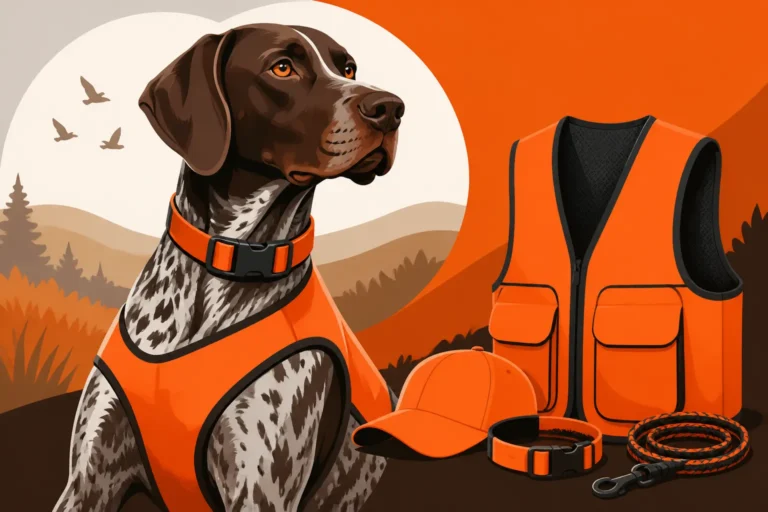
Safety in the field, particularly during hunting season, is paramount. A blaze orange vest is an indispensable piece of gear for any German Shorthaired Pointer working in areas where hunters might be present, or even just for hiking in dense woods. A GSP's liver or black coloring, while beautiful, can blend surprisingly well into natural environments, especially at dawn, dusk, or in thick cover. Blaze orange, a highly visible color to human eyes, ensures your dog stands out and is easily identifiable, dramatically reducing the risk of accidental shootings.
These vests are lightweight and designed not to impede your dog's movement, allowing them to point, run, and retrieve freely. Many are made from durable, tear-resistant materials that can withstand snags from briars and brush, offering an additional layer of protection against minor cuts and scrapes. Some vests even incorporate reflective strips for added visibility in low-light conditions. Even if you're not hunting, if you're hiking or exercising your GSP in areas frequented by hunters, a blaze orange vest is a critical safety measure. It's a small investment that offers huge peace of mind, ensuring your dog is seen and safe, always. Make sure to consider Blaze Orange Gear for a Hunting Shorthair as a vital safety feature, not just an accessory.
Cooling Vests for Hot Weather Work
German Shorthaired Pointers are high-energy dogs, and their enthusiasm often overrides their sense of self-preservation, especially when it comes to heat. Their short coat offers little protection against intense sun, and they can quickly overheat, leading to dangerous conditions like heat exhaustion or Heat Stroke in a September Shorthair. This is particularly true during early season hunts or vigorous exercise on warm days. Cooling vests are designed to combat this by helping to regulate your dog's body temperature.
These vests typically work by either holding water that evaporates and cools the dog, or by containing non-toxic cooling gel packs. When wet, evaporative vests draw heat away from the dog's body as the water evaporates, providing a cooling effect. Gel-pack vests can be chilled in a freezer before use, offering a prolonged cooling sensation. While they aren't a substitute for smart scheduling and avoiding extreme heat, a cooling vest can provide crucial relief and allow your GSP to work or exercise more comfortably and safely in warmer conditions. Look for lightweight, breathable designs that don't restrict movement. It's a proactive step to prevent your dog from The Temperature a German Shorthaired Pointer Should Not Hunt In and ensuring they can safely enjoy their activities.
Keeping Paws Protected: Boots and Balms
A German Shorthaired Pointer's paws are their primary tools for doing what they love: running, pointing, and retrieving. They take a tremendous amount of abuse, especially if your GSP is an active hunter or an avid hiker. Neglecting paw care can lead to painful injuries, lameness, and ultimately, sidelined dogs. Properly protecting their paws with boots and balms is essential for keeping them sound and active.
Hunting Boots for Rough Terrain
Imagine trying to run barefoot over rocky ground, through thorny brush, or across frozen stubble. That's what your GSP's paws endure on a typical day in the field or on a challenging trail. Hunting boots, often referred to as paw protectors or dog booties, provide a vital barrier against these harsh conditions. They protect against cuts from sharp rocks, thorns, glass, and barbed wire, and prevent A Foxtail Lodged in a Shorthair's Paw or other invasive plant material from burrowing between their toes. Boots also help prevent A Shorthair's Pads Splitting Halfway Through the Season, a common and painful ailment for working dogs.
Finding boots that actually stay on a GSP's active feet can be a challenge, but brands like Ruffwear and Neopaws offer durable options with secure fastening systems. It takes time and patience to get your dog used to wearing boots, so start with short sessions at home before introducing them in the field. This also allows you to find the right fit; boots that are too tight can restrict circulation, and those too loose can cause chafing or fall off. While they might look a bit silly at first, Boots for a Shorthair on Rock and Stubble are a practical and highly effective way to prevent debilitating paw injuries and keep your GSP hunting strong.
Paw Balms and Conditioners
Even with boots, a German Shorthaired Pointer's paw pads need regular conditioning. Constant exposure to varying terrains and weather conditions can lead to dry, cracked, and rough pads, making them more susceptible to injury. Paw balms and conditioners work to moisturize and soften the pads, improving their elasticity and resilience. This helps prevent minor cracks from escalating into deeper, more painful fissures, especially for dogs that spend a lot of time on hard surfaces.
Look for balms made with natural ingredients like beeswax, shea butter, or vitamin E. Applying them regularly, especially before and after periods of intense activity, can make a significant difference. Products like Musher's Secret or Bag Balm create a protective barrier that helps guard against salt, ice, and hot pavement, while also providing conditioning. Even if your GSP isn't a hunting dog, Whether Paw Balm Helps a Shorthair's Working Feet is a resounding yes for any active dog. Routine application can keep their pads supple and tough, ready for whatever adventures lie ahead. You can often find a good selection of these and other pet supplies on online retailers like Chewy.
Protecting Paws from Extreme Weather
Beyond general conditioning, special attention needs to be paid to a GSP's paws in extreme weather conditions. In winter, ice balls can form between their toes, causing pain and lameness. Salt and chemical de-icers used on roads and sidewalks can be highly irritating and even toxic if ingested. In summer, hot pavement can cause severe burns. Paw protection isn't just about boots; it's about smart management.
For winter, trimming the hair between your GSP's pads can help prevent ice and snow buildup. Always wipe their paws clean after walks in areas treated with de-icers to remove any residue. For very cold conditions, well-fitting boots are the best defense against frostbite and chemical exposure. In summer, avoid walking your GSP on hot asphalt or concrete during the hottest parts of the day. If you can't comfortably hold your hand on the pavement for five seconds, it's too hot for your dog's paws. Opt for grass or shaded trails. Combining sensible walking habits with paw balm for a Shorthair's working feet and protective boots will ensure your German Shorthaired Pointer's feet stay healthy and ready for anything, regardless of the season.
| Gear Type | Primary Benefit | Key Considerations | Average Cost Range |
|---|---|---|---|
| Everyday Collar | Identification, leash attachment | Durable material (nylon/canvas), clear ID tags, quick-release option | $10 – $30 |
| E-Collar | Off-leash communication, training | Proper fitting, professional training, waterproof, range | $100 – $400+ |
| GPS Tracking Collar | Real-time location tracking | Durability, battery life, subscription fees, integrated training features | $200 – $800+ (plus fees) |
| Home Crate | Denning, house training, safety | Size (room to stand/turn), material (wire/plastic), secure latch | $50 – $200 |
| Vehicle Dog Box | Crash protection, temperature control | Material (aluminum/composite), ventilation, tie-down points, crash-tested | $300 – $1,000+ |
| Neoprene Vest | Insulation, floatation, protection | Snug fit, durable stitching, chest/belly coverage, grab handle | $40 – $100 |
| Blaze Orange Vest | Visibility, brush protection | Lightweight, tear-resistant, secure fit, reflective strips | $20 – $60 |
| Cooling Vest | Heat management, temperature regulation | Evaporative or gel-pack type, breathable fabric, non-restrictive | $30 – $80 |
| Hunting Boots | Paw protection (cuts, thorns, hot/cold) | Durable material, secure fastening, proper fit (won't slip) | $30 – $80 per set |
| Paw Balm | Moisturizing, conditioning, protection | Natural ingredients, non-toxic, easy application | $10 – $25 |
Other Indispensable Gear and Accessories
While collars, boxes, and vests are big-ticket items, there's a host of other smaller, but no less essential, gear that every German Shorthaired Pointer owner will find invaluable. These items support daily life, enhance training, and provide critical safety measures, ensuring your GSP is well-equipped for every adventure.
Leashes, Check Cords, and Whistles
Every German Shorthaired Pointer needs a good leash for walks, vet visits, and public outings. A sturdy 6-foot nylon or leather leash is a versatile choice for everyday use. For training, especially early on, a longer lead or "check cord" is incredibly useful. These can range from 15 to 30 feet or more and allow you to work on recall, "whoa" commands, and range control in a more open environment while still maintaining a physical connection to your dog. Using a Building Whoa on a Shorthair With a Check Cord is a foundational step in field training. It allows the dog to explore, but you can gently correct them if they range too far or break a command.
Whistles are another cornerstone of GSP training, particularly for hunters or anyone who enjoys off-leash activities in large spaces. A whistle's sound carries further than your voice, especially in windy conditions or dense cover, and it's less emotive, providing consistent, clear commands. Training your GSP to respond to The Whistle Signals a Shorthair Learns First for recall, turns, and "whoa" can be incredibly effective, allowing you to handle your dog at a greater distance. Whether it's a traditional Acme GSP whistle or an electronic version, consistent training with this simple tool can dramatically improve your dog's responsiveness and safety.
Field First Aid Kits
A German Shorthaired Pointer's adventurous spirit, combined with their propensity for running full tilt through all sorts of terrain, means they are susceptible to various injuries. From minor cuts and scrapes to more serious incidents like Barbed Wire Cuts on a Running Shorthair or a Snake Bites and a German Shorthaired Pointer, having a well-stocked field first aid kit is not just a good idea – it's absolutely essential. Being prepared to handle immediate injuries can prevent minor problems from escalating and can even save your dog's life.
Your kit should include basics like antiseptic wipes, gauze, vet wrap, medical tape, blunt-nosed scissors, tweezers (for removing splinters or ticks), and a saline solution for flushing wounds or eyes. Pain relievers suitable for dogs (always consult your vet first), a styptic powder for bleeding nails, and possibly an anti-inflammatory can also be beneficial. Don't forget an emergency blanket and contact information for your vet and a 24-hour emergency clinic. Periodically check and replenish your kit, ensuring all items are within their expiry dates. Knowing how to perform basic first aid on your dog, even something as simple as Stapling a German Shorthaired Pointer's Field Wound, is an invaluable skill that every GSP owner should possess.
Travel Water and Food Solutions
Hydration and nutrition are critical for any active German Shorthaired Pointer, especially when you're on the go. Whether you're heading to the field for a hunt, embarking on a long hike, or just spending a day at the park, ensuring your dog has access to fresh water and appropriate food is paramount. Dehydration can quickly become a serious issue for a working GSP, leading to heat stress and diminished performance.
Portable water bowls, collapsible dishes, and dedicated dog water bottles with attached drinking cups are fantastic inventions. Brands like Kurgo and Ruffwear offer durable, leak-proof solutions that are easy to carry. Always carry more water than you think you'll need, especially on hot days. For food, particularly if you're out for an extended period, travel-friendly containers or pre-portioned bags are key. If your GSP is on a specific diet from a brand like Ollie, ensure you pack enough to maintain their routine. Some innovative products even combine water and food storage in one compact unit. These simple tools ensure your GSP stays properly fueled and hydrated, allowing them to perform at their best and recover effectively after their strenuous activities. Remember that Carrying Water for a German Shorthaired Pointer is vital, as not all natural water sources are safe for consumption.
Understanding the Investment in German Shorthaired Pointer Gear
Bringing a German Shorthaired Pointer into your life is a significant financial commitment, and it's not just about the initial purchase price or the monthly food bill. The array of specialized gear needed to keep these active dogs healthy, happy, and safe can add up quickly. Understanding these costs and planning for them is a crucial part of responsible GSP ownership.
Budgeting for Initial Outlays
When you first bring home your GSP, whether it's a puppy or a rescue, there's an immediate need for foundational gear. This initial outlay goes beyond just a collar and leash. You'll need a properly sized crate for house training and denning, identification tags, food and water bowls (possibly travel ones if you're active), and a selection of durable toys to redirect their boundless energy away from your furniture. For dogs destined for the field, the list expands to include things like a whistle, a check cord, and potentially a basic blaze orange vest.
The cost can vary widely depending on the quality and brand you choose. For instance, a basic nylon collar and leash might be $20, while a high-end leather set could be $100+. A simple wire crate might start at $50, but a robust, crash-tested vehicle crate could easily run $500 or more. It's wise to set aside a dedicated budget specifically for these initial gear purchases. Many owners find value in shopping at online retailers like Chewy, which offer a wide selection at competitive prices, making it easier to compare options and stick to a budget without compromising on quality for essential items. Don't forget to account for What a German Shorthaired Pointer Puppy's First Shots Cost and other initial vet visits too.
Long-Term Replacement and Maintenance Costs
The initial gear purchase is just the beginning. German Shorthaired Pointers are powerful, active dogs, and their gear takes a beating. Collars wear out, leashes fray, and toys are destroyed. Even the most durable items, like dog boxes, may require replacement parts or repairs over time. Therefore, it's essential to factor in long-term replacement and maintenance costs into your ownership budget.
Things like E-collar batteries need regular charging and eventually replacement. GPS tracking collars may have subscription fees and can be lost or damaged in the field, sometimes requiring Replacing the Receiver a Shorthair Lost in the Field. Boots wear down and need to be replaced periodically, especially if your GSP is working hard on rough ground. Field vests can get torn by thorns and brush. Regular cleaning and care can extend the life of many items, but eventually, things will need to be replaced. Having a small contingency fund for these eventualities can prevent unexpected financial strain.
Prioritizing Gear Based on Lifestyle
Not every German Shorthaired Pointer needs every single piece of gear mentioned in this guide. The key is to prioritize your purchases based on your dog's specific lifestyle and your planned activities together. If your GSP is primarily a family companion who enjoys daily runs and hikes in local parks, a basic identification collar, sturdy leash, comfortable home crate, and perhaps a cooling vest for summer exercise might be all you need.
However, if your GSP is a serious hunting partner, then specialized items like a GPS tracking collar, a robust vehicle dog box, a neoprene vest for water retrieves, hunting boots, and a comprehensive first aid kit become essential. Consider your environment: if you live in a cold climate and your dog is often outside, a warm coat might be more important than a cooling vest. If you live in an apartment, a robust crate and lots of enrichment toys become even more critical. Whether a German Shorthaired Pointer Needs to Hunt to Be Happy is a common question, and while they thrive on purposeful activity, the specific gear needed depends entirely on how that activity is channeled. Be realistic about your lifestyle, your dog's needs, and your budget, and prioritize accordingly to ensure your GSP has everything they need to thrive.
Disclaimer
The information provided in this article is for general informational purposes only and is not a substitute for professional veterinary advice. Always consult with a qualified veterinarian for any health concerns or before making any decisions related to your pet's health and well-being.