Reading a Shorthair’s OFA and Eye Results Before Paying
Bringing home a German Shorthaired Pointer puppy is incredibly exciting, but the journey to finding the right one can feel like navigating a maze of unfamiliar terms and paperwork. Many prospective owners feel overwhelmed trying to decipher complex health clearances, wondering if they're truly getting a healthy dog or just a stack of documents. This guide is here to demystify those essential health records, specifically focusing on OFA and eye results, so you can confidently choose a well-bred companion.
Understanding the Orthopedic Foundation for Animals (OFA)
When you're looking at German Shorthaired Pointer puppies, especially from responsible breeders, you'll inevitably encounter references to OFA. The Orthopedic Foundation for Animals is a not-for-profit organization that has been collecting and disseminating information concerning orthopedic and genetic diseases of animals since 1966. Their primary goal is to improve the health and well-being of companion animals through objective evaluation of health clearances. For a breed as active and athletic as the German Shorthaired Pointer, understanding these evaluations is absolutely crucial.
What is the Orthopedic Foundation for Animals?
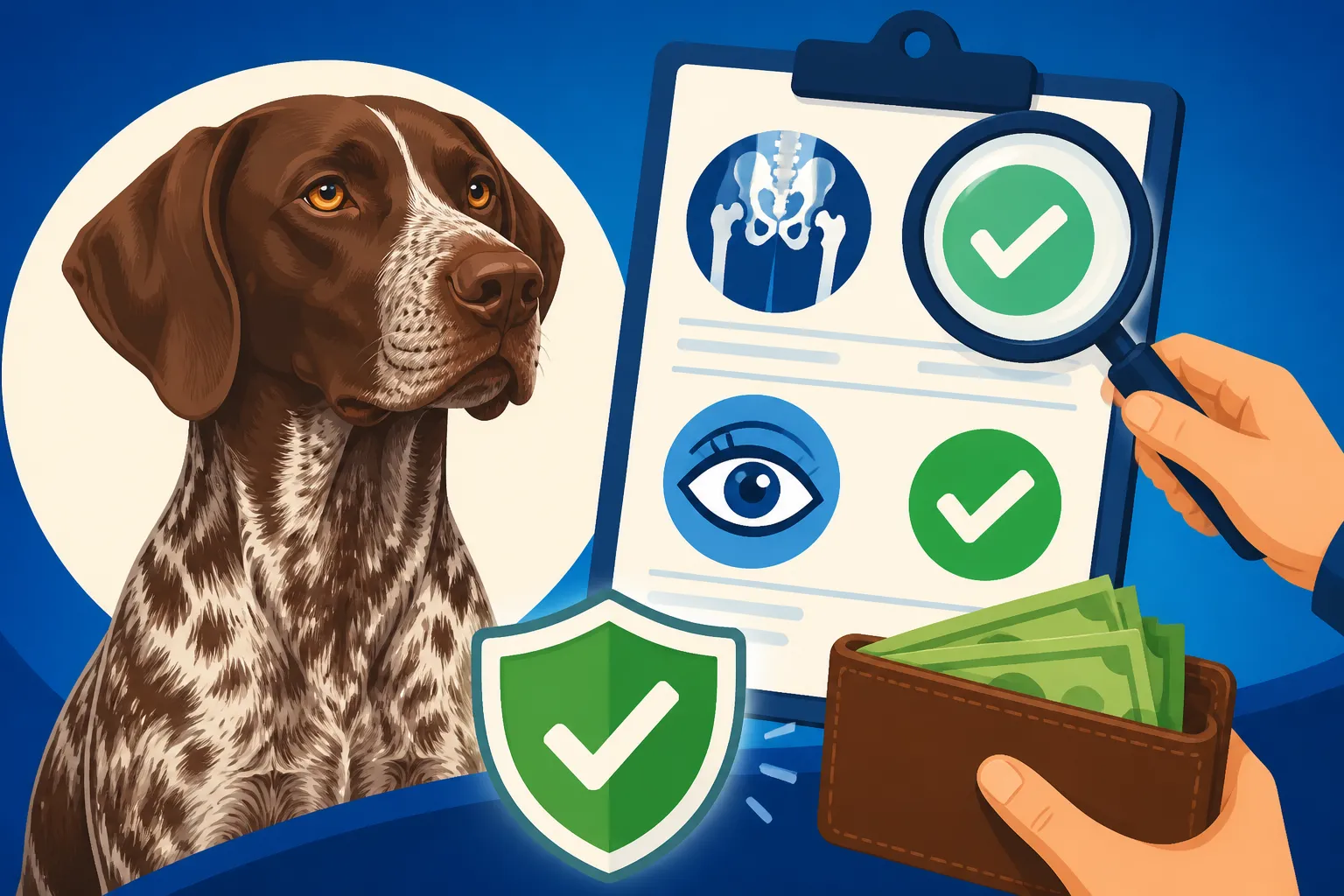
Think of OFA as a central database and certification body for canine health. Breeders voluntarily submit X-rays and other test results from their breeding dogs to OFA, where a panel of veterinary specialists reviews them. For hips and elbows, these specialists evaluate the images for signs of dysplasia – a genetic condition where the joints don't develop properly, leading to arthritis, pain, and lameness. It’s not just about getting a piece of paper; it’s about ensuring that the parent dogs you’re considering for your puppy have been assessed by independent experts. This rigorous process helps breeders make informed decisions to reduce the incidence of these debilitating diseases in future generations, which is a huge step toward ensuring a long, active life for your future hunting partner or family member.
Why OFA is Crucial for German Shorthaired Pointers
German Shorthaired Pointers are built for endurance, speed, and agility. Their bodies are finely tuned machines, and their joints take a tremendous amount of impact, whether they're quartering a field, splashing through a marsh, or simply playing fetch in the backyard. Hip and elbow dysplasia can severely impact their ability to perform these activities, leading to a life of chronic pain and expensive veterinary care. If you've ever had a dog struggle with joint issues, you know the heartbreak and the financial strain it can cause. By prioritizing puppies from OFA-cleared parents, you're not just buying a dog; you're investing in its future mobility and comfort. Reputable breeders understand this and invest significant time and money into these screenings, knowing it's part of their ethical responsibility to the breed and to their puppy buyers. It’s a foundational step to ensure your energetic companion stays sound for as long as possible.
Decoding OFA Hip and Elbow Scores
The OFA results aren't just a pass/fail; they come with specific ratings that tell you a lot about the joint health of a breeding dog. Understanding these nuances is key to appreciating the breeder's commitment to sound genetics. It’s not enough just to know a dog "passed"; you want to know how well they passed.
OFA Hip Dysplasia Ratings Explained
For hip evaluations, OFA provides seven categories, ranging from excellent to severely dysplastic. The goal for breeding German Shorthaired Pointers is to have parents with ratings of Fair, Good, or Excellent. These are considered within the normal range and acceptable for breeding.
- Excellent: This is the highest rating, indicating a nearly perfect hip joint with a deep socket and a tight fit. These hips are truly a picture of orthopedic health.
- Good: Hips are well-formed and show a good congruity between the femoral head and the acetabulum (socket), with minimal joint laxity. This is a very desirable rating.
- Fair: The hip joint is still considered within normal limits but has minor irregularities. There might be slight laxity or a shallow socket, but it's not indicative of dysplasia. While not as ideal as Good or Excellent, Fair is still an acceptable breeding score, especially if paired with a dog with a higher rating.
Hips rated as Borderline, Mild, Moderate, or Severe are considered dysplastic and should not be used for breeding.
| OFA Hip Rating | Description | Breeding Status |
|---|---|---|
| Excellent | Superior hip conformation; deep socket, tight fit. | Acceptable |
| Good | Well-formed hips; good congruity, minimal laxity. | Acceptable |
| Fair | Minor irregularities; still within normal limits. | Acceptable |
| Borderline | Not clearly normal or dysplastic; usually re-evaluated. | Not Recommended |
| Mild Dysplasia | Slight evidence of dysplasia; definite laxity or remodeling. | Not Acceptable |
| Moderate Dysplasia | Significant evidence of dysplasia; shallow socket, osteophytes. | Not Acceptable |
| Severe Dysplasia | Marked evidence of dysplasia; flat socket, severe degenerative changes. | Not Acceptable |
Understanding these grades helps you appreciate the efforts of a breeder who consistently produces dogs with Good or Excellent hips. It shows a dedication to health that goes beyond the bare minimum.
Understanding Elbow Dysplasia Grades
Elbow dysplasia is another common orthopedic issue, and OFA also provides clearances for this joint. Unlike hips, elbows are graded simpler: Normal or various grades of dysplasia.
- Normal: This is what you want to see. It means the elbow joint is free of any radiographic evidence of dysplasia.
- Grade I, II, or III Dysplasia: These grades indicate increasing severity of elbow dysplasia, with Grade III being the most severe. Dogs with any grade of elbow dysplasia should not be bred, as the condition is highly heritable.
It's common for breeders to list OFA hip and elbow scores together. You want to see "OFA Hips: Good/Excellent" and "OFA Elbows: Normal." Don't be shy about asking to see the actual certificates or checking the OFA public database yourself, as this information is generally transparent. You can search by a dog's registered name or OFA number. This verification is part of being a diligent puppy buyer. When a breeder has taken the time to get these critical clearances, it significantly reduces the chances your active German Shorthaired Pointer will suffer from debilitating joint issues down the road. It’s also important to remember that the standard recommendation is that The Age OFA Will Certify a Shorthair's Hips is typically after they reach 24 months of age, ensuring their joints are fully developed for an accurate assessment.
Navigating Eye Health Clearances
Beyond the bones and joints, a German Shorthaired Pointer's eyes are vital for their work in the field and their quality of life as a companion. Eye diseases can be progressive and heartbreaking, making proper screening an absolute must. Good breeders will have their dogs' eyes examined by specialists and potentially conduct genetic tests.
The Annual ACVO Eye Exam
The American College of Veterinary Ophthalmologists (ACVO) performs specialized eye examinations, often referred to as "eye certs." These exams are done annually by board-certified veterinary ophthalmologists who check for a wide range of inherited and acquired eye conditions, such as cataracts, progressive retinal atrophy (PRA), glaucoma, and other structural abnormalities. A dog might pass an eye exam one year but develop an issue the next, which is why annual certification is so important for breeding dogs.
When looking at a German Shorthaired Pointer litter, ask to see the ACVO certificates for both parents, and confirm they are current. A "Normal" rating indicates that the dog was free of observable inherited eye disease at the time of the examination. Conditions like progressive retinal atrophy can severely impact a dog's vision, often leading to blindness, so avoiding these through careful breeding is paramount. A responsible breeder understands that The Yearly Eye Exam Fee for a Breeding Shorthair is a small price to pay for future puppy health.
Genetic Testing for Ocular Conditions
In addition to the physical ACVO exam, certain eye conditions in German Shorthaired Pointers can now be identified through DNA testing. One of the most notable is Cone Degeneration (CD), sometimes referred to as Day Blindness. This inherited condition affects the cone photoreceptor cells in the retina, leading to poor vision in bright light. While dogs with CD might navigate well in dim light, they struggle significantly outdoors on sunny days, which can be particularly challenging for a hunting dog.
Fortunately, a genetic test is available for Cone Degeneration, allowing breeders to identify affected, carrier, and clear dogs. Responsible breeders will test their dogs for CD and ensure that at least one parent of a litter is "clear" to avoid producing affected puppies. Even a carrier can be safely bred to a clear dog without producing affected offspring, though some breeders opt to only breed clear dogs. Discussing this specific test and seeing the results is a good indicator of a breeder's diligence. For more detailed information on this specific condition, you can read about Cone Degeneration and the Shorthair DNA Test for It to understand its impact and the available screening methods. Getting these tests done is part of the overall investment in a healthy litter, and savvy buyers understand What Testing Adds to a German Shorthaired Pointer Litter.
Beyond the Paperwork: What Else to Consider
While OFA and eye clearances are foundational, they are just one piece of the puzzle when selecting a German Shorthaired Pointer puppy. A truly responsible breeder will offer much more than just a stack of certificates. You want a holistic picture of the puppy's background, environment, and the parents' temperaments.
The Importance of Pedigree and Lineage
A dog's pedigree isn't just a list of names; it's a map of its genetic heritage, a record of generations of breeding decisions. When a breeder shows you a pedigree, they're not just showing off titles; they're showing you the lineage that contributes to your puppy's potential health, temperament, and working ability. Look for multiple generations of dogs with health clearances, not just the immediate parents. This consistent pattern indicates a strong commitment to health within the line. You'll often see terms like "CHIC number" which stands for Canine Health Information Center. A CHIC number means a dog has had all the health tests recommended by the parent club for the breed, which for German Shorthaired Pointers typically includes hips, elbows, eyes, cardiac, and thyroid. Understanding The Five Tests Behind a German Shorthaired Pointer CHIC Number gives you a comprehensive view of what good breeders are striving for.
A strong pedigree will also show you if the dogs in the lineage have achieved any titles – whether in conformation (show ring) or, more importantly for a Shorthair, in field events. These titles indicate that the dogs not only meet breed standards but also possess the inherent working abilities that German Shorthaired Pointers are famous for. It’s a testament to both physical soundness and proper temperament for their intended purpose.
Meeting the Parents and Relatives
There's no substitute for meeting the actual parents of your potential puppy. If possible, meet both the dam (mother) and the sire (father), though often only the dam will be on-site with the puppies. Observe their temperament: Are they friendly, calm, and well-socialized? Do they seem to enjoy interacting with people? Are they comfortable in their home environment? This interaction gives you a real-world preview of what your puppy might grow up to be like.
Also, ask to see any other adult German Shorthaired Pointers the breeder owns, perhaps aunts, uncles, or older siblings from previous litters. This allows you to see the consistency in their breeding program. Pay attention to their physical condition, their coat quality, their energy levels, and how they interact with each other and with the breeder. A breeder who proudly introduces you to their entire canine family is a breeder who has nothing to hide and is confident in the quality of their dogs. It helps you assess not just genetics, but also the environmental influence and care the dogs receive.
Talking to the Breeder: Questions to Ask
A good breeder will welcome your questions and have plenty of their own for you! This isn't an interrogation; it's a mutual interview to ensure their puppies are going to suitable homes. Beyond the health clearances, ask about:
- Socialization: How are the puppies being raised? Are they exposed to different sounds, people, and experiences?
- Temperament: What are the temperaments of the parents like, and what kind of temperaments do they expect from this litter?
- Vaccinations and Worming: What schedule have the puppies been on, and what will they need next?
- Diet: What food are the puppies currently eating? This can be helpful as you prepare for your puppy's arrival; you might find yourself ordering a specific kibble from retailers like Chewy or exploring fresh food options from brands like Ollie.
- Their Philosophy: What are their breeding goals? What do they consider most important in a German Shorthaired Pointer?
A good breeder will also provide you with a written contract and health guarantee. This document should outline their responsibilities and yours, including specifics about health issues. It's truly a two-way street; they want to know you're committed to providing a loving, appropriate home for one of their pups.
Making an Informed Decision
Choosing a German Shorthaired Pointer puppy is a significant commitment that impacts the next decade or more of your life. Armed with knowledge about health clearances and responsible breeding practices, you're in a much better position to make a choice you won't regret.
Red Flags to Watch Out For
While you're doing your due diligence, keep an eye out for these warning signs:
- No Health Clearances: If a breeder cannot or will not provide OFA or ACVO certificates for both parents (or at least one clear parent for genetic tests like Cone Degeneration), walk away. No excuses are acceptable here. This is non-negotiable for a responsible breeder. You should specifically be able to verify this information, not just take their word for it.
- Vague Answers: A breeder who is evasive or gives vague answers about their breeding practices, the health of their dogs, or the lineage should raise a red flag.
- Multiple Breeds/Always Available Puppies: Breeders with many different breeds, or who always seem to have puppies available, are often commercial operations focused on profit over health and welfare. A good breeder usually has a waiting list and only breeds occasionally.
- Poor Conditions: Puppies raised in unsanitary conditions, or who appear unhealthy, timid, or aggressive, are a definite no.
- No Contract or Health Guarantee: A reputable breeder will always provide a written contract, outlining health guarantees and often requiring you to return the dog to them if you cannot keep it. Be wary of anyone who pushes for cash-only transactions or discourages vet visits for their puppies.
What a Comprehensive Health Guarantee Looks Like
A solid health guarantee from a responsible German Shorthaired Pointer breeder should cover more than just the first few days of your puppy's life. It typically offers protection against specific genetic health conditions that manifest later, like hip and elbow dysplasia, as well as severe inherited eye or cardiac issues.
The best guarantees specify a time frame – often up to two years of age – for these debilitating genetic conditions. They usually state that if your puppy is diagnosed with a severe, crippling, or life-threatening genetic condition by a board-certified specialist, the breeder will either offer a replacement puppy (when available) or a partial refund. It's rare for a guarantee to cover every single illness or injury, but it should protect against the major, foreseeable genetic problems that a good breeding program works to eliminate. This shows the breeder's long-term commitment to the health of their lines. Understanding The Health Guarantee in a Shorthair Contract fully is essential before you sign on the dotted line. It’s also wise to consider pet insurance from providers like Healthy Paws as soon as you bring your puppy home, as it can help cover unexpected medical costs not covered by a breeder's guarantee.
The Value of a Responsible Breeder
Ultimately, the value of a responsible breeder cannot be overstated. They are stewards of the breed, dedicated to preserving the German Shorthaired Pointer's health, temperament, and working ability. They put immense effort into genetic testing, proper socialization, and matching puppies to the right families. They are a resource for life, often remaining available to answer questions and offer support throughout your dog's journey.
By choosing a puppy from a breeder who meticulously performs OFA and eye clearances, carefully reviews pedigrees, and thoughtfully raises their puppies, you are setting your German Shorthaired Pointer up for the best possible start. You're not just buying a pet; you're joining a community and investing in a healthy, happy companion who will enrich your life for years to come, whether you're hunting pheasants together or just enjoying a long walk in the park. This diligence in selecting a puppy can truly make all the difference in your shared future.
Disclaimer
Please remember that the information provided in this article is intended for educational and informational purposes only, and does not constitute veterinary medical advice. Always consult with a qualified veterinarian for any health concerns or before making any decisions about your pet's health or treatment.