Whether a Started Shorthair Is Worth the Premium
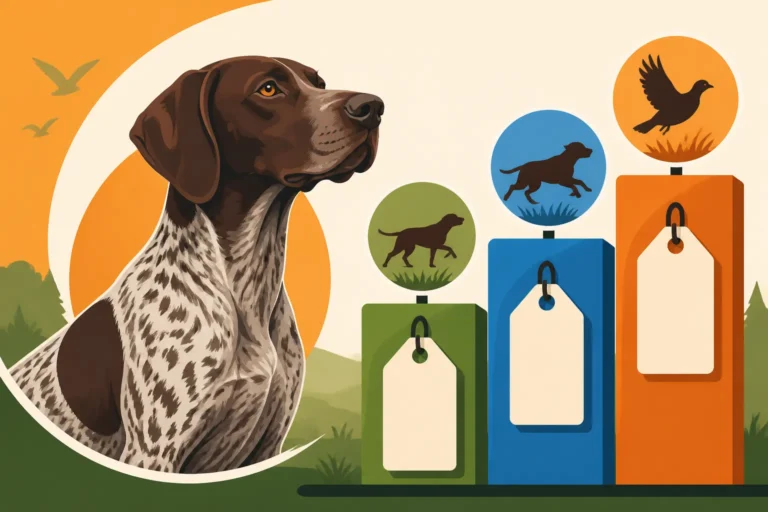
Bringing a German Shorthaired Pointer into your life is an exciting prospect, but the journey often begins with a critical decision: do you start with a lively, untrained puppy, or invest in a "started" dog that already has some foundational training under its belt? This choice can feel overwhelming, especially when you see the price difference. This guide will meticulously break down what a started Shorthair entails, what value that premium truly offers, and help you determine if it's the right path for you and your hunting aspirations.
Understanding What "Started" Actually Means for a German Shorthaired Pointer
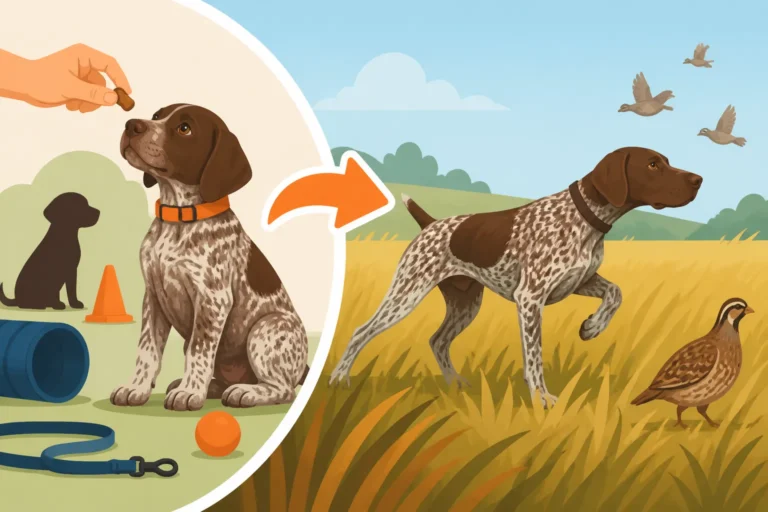
The term "started German Shorthaired Pointer" is one you'll hear a lot in the hunting dog community, and it's essential to understand that it's not a universally standardized definition. What one trainer considers "started," another might call "green," and yet another might have a much more comprehensive program in mind. Generally, a started Shorthair is a dog that has moved beyond basic puppyhood and has begun its formal education, particularly in the realm of bird work and obedience.
The Levels of "Started" Training
When you're looking at a started Shorthair, you're not just looking at a dog that can sit and stay in your living room. You're looking for signs that they've been introduced to the real-world scenarios they'll encounter in the field. This typically includes a progression of skills:
- Basic Obedience and Manners: This is the bedrock. A good started dog should be reliably house-trained and understand core commands like "sit," "stay," "come," and "heel." They should walk politely on a leash, understand crate training, and generally have good household manners. This foundational training helps them transition more smoothly into a new home, bypassing much of the initial chaos that comes with a brand-new puppy.
- Bird Introduction and Desire: This is where the "started" really shines for a hunting breed. The dog should have been introduced to birds – typically pigeons, chukar, or quail – and show strong natural hunting instincts. They should point birds with enthusiasm, perhaps even hold their point for a short duration, and be interested in retrieving. They might even retrieve to hand, though a fully polished retrieve is usually part of more advanced training like force fetch. For a deeper dive, read about Introducing a German Shorthaired Pointer to Birds.
- Gun Conditioning: A critical step for any gun dog is being "gun-broke" or gun-conditioned. This means the dog has been exposed to the sound of gunfire in a controlled, positive manner, associating it with birds and excitement, not fear. A properly gun-conditioned dog will not flinch or run from the sound of a shotgun. This isn't something to rush, and starting a Shorthair's gun introduction with a cap pistol is often a good way to begin.
- "Whoa" Training: This command is absolutely foundational for a pointing dog. "Whoa" means "stop and stand still, no matter what." A started Shorthair should understand this command and be able to hold a stationary "whoa" for a reasonable period, even with distractions. This skill is crucial for steadying a Shorthair to wing and shot later on, allowing you to flush the bird and shoot without the dog breaking point. You can learn more about Whoa and Why Every Shorthair Starts There.
- Simple Retrieves: Beyond just picking up a bird, a started dog might have basic retrieving skills, bringing the bird back in a straight line. They might not have a polished "to-hand" retrieve, but the willingness and understanding are there.
It's vital to distinguish between a "started" dog and a "finished" dog. A finished Shorthair is a polished hunter, steady to wing and shot, retrieving reliably to hand, quartering effectively, and capable of handling complex field situations. A started dog is merely on its way to becoming that finished dog. The trainer has laid the groundwork, but you will still have significant work to do to bring them to their full potential.
The Time and Effort Investment
Why do started Shorthairs command a higher price tag? It boils down to the considerable investment of time, expertise, and resources from the trainer. This isn't just someone taking a puppy through a few obedience classes; it's a dedicated program.
Think about it:
- Professional Expertise: A good bird dog trainer has years of experience understanding canine behavior, pointing breeds specifically, and the nuances of field work. They know how to read a dog, how to build drive, and how to correct issues without ruining the dog's spirit. This expertise is a service you are paying for.
- Time Commitment: Training a gun dog takes consistent, daily work, often for several months. A trainer isn't just doing one session a week; they're integrating training into the dog's entire daily routine, building habits and reinforcing commands.
- Birds and Equipment: Training birds aren't free! Pigeons, quail, and chukar are significant expenses. Beyond birds, trainers use specialized equipment like check cords, launchers, e-collars (used properly and humanely), and access to appropriate training grounds.
- Boarding and Care: The dog typically lives with the trainer for an extended period, meaning they are providing food, shelter, and daily care, which also contributes to the cost.
All these factors accumulate, making the premium for a started German Shorthaired Pointer entirely understandable. You are essentially paying to fast-forward through the most intensive and often most challenging phases of early training.
The Advantages of Bringing Home a Started Shorthair
Deciding to bring a started German Shorthaired Pointer into your home can offer some compelling benefits, especially for specific types of owners or those with particular lifestyle demands. The upfront investment often translates into significant savings in time, effort, and even potential frustration.
Skipping the Puppy Chaos
Let's be honest, German Shorthaired Pointer puppies are adorable bundles of energy, but they are also a whirlwind of commitment. For many, the idea of skipping the initial "puppy phase" is a huge draw.
- House Training and Basic Manners: A well-started Shorthair should already be reliably house-trained, which means fewer accidents on your rug and less constant supervision. They'll also likely be crate trained and understand boundaries, preventing much of the chewing on furniture, counter surfing, and general mischievousness that can define a Shorthair puppy's first year. If you've ever dealt with a German Shorthaired Pointer that digs the yard out, you'll appreciate a dog that's past that stage.
- Established Routines: A started dog comes with established routines for feeding, potty breaks, and exercise. This makes integrating them into your home much smoother than trying to establish these from scratch with a rambunctious puppy.
- Reduced Initial Stress: For first-time dog owners, or those with busy lives, the sheer demands of a young Shorthair puppy can be overwhelming. A started dog provides a calmer, more predictable entry into German Shorthaired Pointer ownership, allowing you to focus on bonding and reinforcing their existing training rather than putting out daily fires.
Expedited Field Readiness
This is perhaps the biggest draw for hunting enthusiasts. A started Shorthair dramatically shortens the timeline from acquisition to field performance.
- Hunt Sooner: Instead of waiting 18 months or more for a puppy to mature and go through its full training regimen, a started dog might be ready to join you on early season hunts or continue its advanced training much sooner. This means you could be enjoying its abilities in the field within weeks or months, rather than over a year down the line. You can start working on skills like Running a Shorthair in a Dock Diving Event or perfecting its retrieve in cold water.
- Reduced Training Headaches: For owners who are new to gun dog training, or who simply don't have the time or facilities for extensive bird work, a started dog provides a massive head start. The crucial, foundational work of bird introduction, gun conditioning, and whoa is already done. This means you're not trying to figure out how to introduce the gun without ruining a Shorthair, a common fear for many novice trainers.
- Faster Progression: With the basics firmly in place, you can move directly to more advanced concepts, like refining quartering patterns, strengthening recall on a German Shorthaired Pointer that is locked on, or working on complex retrieves. The dog already understands the language of training and the expectations of field work, allowing for a more efficient and rewarding training journey.
Health and Temperament Insights
Another often-overlooked advantage of a started Shorthair is the increased transparency regarding their health and temperament.
- Established Personality: With a puppy, you're making an educated guess about its future temperament based on its parents and early behavior. A started dog, usually between 9-18 months of age, has a much more established personality. You can see if they are bold or soft, how they respond to pressure, and their general demeanor. This helps ensure a better match for your household and hunting style.
- Early Health Clearances: Many reputable breeders and trainers will have completed some initial health clearances on started dogs, particularly for genetic conditions common in German Shorthaired Pointers. For example, hips and the CHIC panel a German Shorthaired Pointer needs are often completed by this age. This gives you more certainty about the dog's health status than a young puppy. You may even be able to get an eye certificate or confirmation of Von Willebrand testing before a German Shorthaired Pointer is bred if the dog was originally intended for breeding.
- Demonstrated Ability: You can often see the started dog work in person, demonstrating their skills. This visual confirmation is invaluable, allowing you to assess their drive, focus, and trainability firsthand.
Potential Downsides and Considerations Before You Buy
While a started German Shorthaired Pointer offers many benefits, it's crucial to approach the decision with open eyes, understanding that there can be potential downsides and important considerations beyond just the sticker price. A smart buyer carefully weighs these factors against their own circumstances and expectations.
The Financial Investment
Let's address the elephant in the room: the cost. A started Shorthair will almost certainly come with a higher price tag than a puppy. This isn't just a slight bump; it can be a significant premium.
- Higher Upfront Cost: While a German Shorthaired Pointer puppy might cost anywhere from six hundred to fifteen hundred dollars, a started dog, especially one with a solid foundation, can easily be several times that amount. This is the direct reflection of the trainer's expertise, time, and resources, as discussed earlier. You are paying for a significant amount of pre-work. Understand What a Started Shorthair Costs at Twelve Months to get a realistic picture.
- Ongoing Expenses: Don't forget that the initial purchase price is just the beginning. You'll still have all the regular expenses of dog ownership: high-quality food (especially if you're using performance kibble for a Shorthair), vet care, equipment, and potentially continued training. While insurance premiums on a German Shorthaired Pointer can help with unexpected vet bills, they won't cover the purchase price.
- Value for Money: The key is to assess if the value you receive for that premium aligns with your needs. If you have limited time for training, specific hunting goals, or prefer to skip the puppy phase, the premium can be seen as an investment in time saved and a smoother transition. However, if you enjoy the process of raising and training a puppy from scratch, or if your budget is tight, the premium might not be "worth it" for you.
Temperament and Bonding
Bringing home an older dog, even one that's been professionally trained, presents different bonding dynamics than raising a puppy.
- Existing Bonds: A started Shorthair has spent many months with its trainer, and a strong bond will have formed. They'll know their trainer's cues, routines, and expectations intimately. When they come to you, they'll need time to transfer that loyalty and understanding. Be patient; it's a process, not an instant switch. The dog might miss its previous routine and handler initially.
- Training Style Adaptation: You'll need to learn the specific commands and handling style the trainer used. While good trainers strive for consistency, minor differences in tone, hand signals, or phrasing can confuse a dog. You'll need to be consistent in how you reinforce their existing training.
- Potential for Unseen Quirks: While a started dog's temperament is more established, it's not a blank slate. They may have developed habits or quirks during their time with the trainer that might not be immediately apparent or may not align perfectly with your household. This is why thorough vetting, spending time with the dog, and asking detailed questions about its daily life are critical. For instance, sometimes a Shorthair that whines in the truck isn't a huge issue for a trainer, but might be for you.
"Started" Doesn't Mean "Finished"
This is a critical point that many new owners of started dogs misunderstand. A started dog is not a plug-and-play, fully finished hunting machine.
- Ongoing Commitment: The training journey does not end when you bring a started dog home. You are responsible for maintaining, reinforcing, and building upon the foundation the trainer has established. If you don't keep up with their training, those hard-earned skills can erode. This means regular practice, continued field exposure, and consistency in your commands.
- Refinement and Partnership: To turn a started dog into a true hunting partner, you need to invest in building a strong working relationship. This involves understanding their individual nuances, anticipating their moves, and developing seamless communication. This takes time, patience, and continued effort on your part. You'll need to work on everything from steadying a Shorthair that chases the flush to teaching a Shorthair to deliver a bird to hand consistently.
- Specific Hunting Scenarios: A started dog might be great on pen-raised birds in a training field, but how will they react to wild birds, dense cover, or unfamiliar terrain? You'll still need to expose them to various hunting conditions and help them generalize their skills to real-world scenarios.
Making the Right Decision for Your Lifestyle
Choosing between a German Shorthaired Pointer puppy and a started dog is a very personal decision, and there's no single "right" answer. What works best for one hunter or family might be entirely unsuitable for another. It really boils down to an honest assessment of your own time, experience, resources, and specific goals.
Assessing Your Time and Experience
Your personal capacity is perhaps the most significant factor in this decision.
- Time Availability: Do you have the dedicated hours each day, week, and month that a young German Shorthaired Pointer puppy demands? We're talking about extensive house training, socialization, basic obedience, and gradually introducing them to birds and gun conditioning. This isn't just an hour a day; it's an ongoing process for the first 12-18 months. If you're someone who works full-time and has a demanding schedule, you might find yourself quickly overwhelmed by the needs of a puppy, leading to frustration for both you and the dog. A started dog cuts down significantly on this initial time commitment.
- Training Experience: Are you a seasoned dog trainer, particularly with pointing breeds? Do you understand how to build desire, introduce concepts like "whoa," and properly condition a dog to gunfire? If you're a first-time owner or new to gun dog training, the learning curve with a puppy can be steep. A started dog allows you to benefit from a professional's expertise, providing you with a solid foundation to build upon without having to navigate the trickiest initial stages yourself. It can make the overall experience much more enjoyable and less prone to common mistakes that ruin whoa on a Shorthair or create gun shyness.
- Specific Hunting Goals: Are you looking for a casual hunting companion, or do you have ambitions for hunt tests or field trials? If your goals are high-level competition, a started dog might give you a significant head start, but you'll still need to commit to ongoing, specialized training. If you simply want a dog to join you in the pheasant fields, a well-started dog can get you there much faster. Consider How Many Seasons a German Shorthaired Pointer Hunts and what you want out of those seasons.
What to Ask a Trainer or Seller
If you're leaning towards a started dog, thorough vetting of both the dog and the trainer is paramount. Don't be afraid to ask detailed questions and expect transparent answers.
- Detailed Training History: Ask for a comprehensive breakdown of what training the dog has received. What commands does it know? What birds has it been exposed to? Has it been gun conditioned? To what degree is its "whoa" reliable? How is its retrieve? Ask if it has been exposed to water work or different types of cover.
- Demonstrations: Crucially, request to see the dog work in person. Watch it point birds, retrieve, and respond to commands. Does it show enthusiasm? Is it focused on the birds? How does it react to the sound of a gun? This is your opportunity to assess its skills and temperament directly.
- Temperament and Socialization: Inquire about the dog's daily routine, its personality around other dogs, strangers, and children. Has it spent time in a home environment? A good trainer will be able to tell you if the dog counter surfs and steals, for instance, or how it acts in the truck. You want a dog that is well-adjusted, not just well-trained in the field.
- Health Information: Ask about any health clearances that have been done, such as hip and elbow scores on a German Shorthaired Pointer, or any genetic testing. Request veterinary records.
- Trial Period or Support: Does the trainer offer any support or guidance after the purchase? Sometimes a short trial period can be negotiated to ensure the dog is a good fit.
A Realistic Look at the Investment
Ultimately, the decision to invest in a started Shorthair comes down to whether the premium is worth it for you.
Consider the comparison of costs and benefits:
| Feature | German Shorthaired Pointer Puppy | Started German Shorthaired Pointer |
|---|---|---|
| Initial Cost | Lower (often $600-$1500) | Higher (often several thousand dollars) |
| Immediate Field Readiness | None; 18+ months of training needed | Partial; ready for continued training/early hunting |
| Training Time Investment | Significant (house training, obedience, bird work) | Reduced; foundation already in place |
| Bonding | Starts from scratch; builds over puppyhood | Requires effort to transfer bond from trainer |
| Temperament Insights | Predominantly based on parents; still developing | More established; seen in action |
| Puppy Chaos | High (chewing, accidents, high energy) | Largely bypassed; often past destructive phases |
| Vet Bills | Initial vaccinations, neuter, potential puppy-related issues | Established vaccination history; health clearances done |
If you calculate the true cost of running a German Shorthaired Pointer for a year, including food, vet visits, and basic training, you'll see that a puppy quickly accumulates expenses. The premium for a started dog might seem high, but it offsets significant investments in trainer fees, birds, and time you would otherwise spend. For those who prioritize immediate progress in the field or simply want to avoid the intensity of puppy raising, a started Shorthair can be an incredibly valuable and worthwhile investment. Just remember, it's not the end of the training journey, but a fantastic head start. Whether you choose to feed them high-quality kibble from Chewy or opt for a fresh food diet from a brand like Ollie, the ongoing care and financial commitment remains. A started dog might even qualify for pet insurance earlier, with companies like Healthy Paws, helping to cover unexpected accidents or illnesses that might occur during their active hunting life.
Disclaimer
This article is for general informational purposes only and does not constitute professional advice. Laws, prices and regulations vary by location and change over time. Consult a qualified professional for guidance on your specific situation.