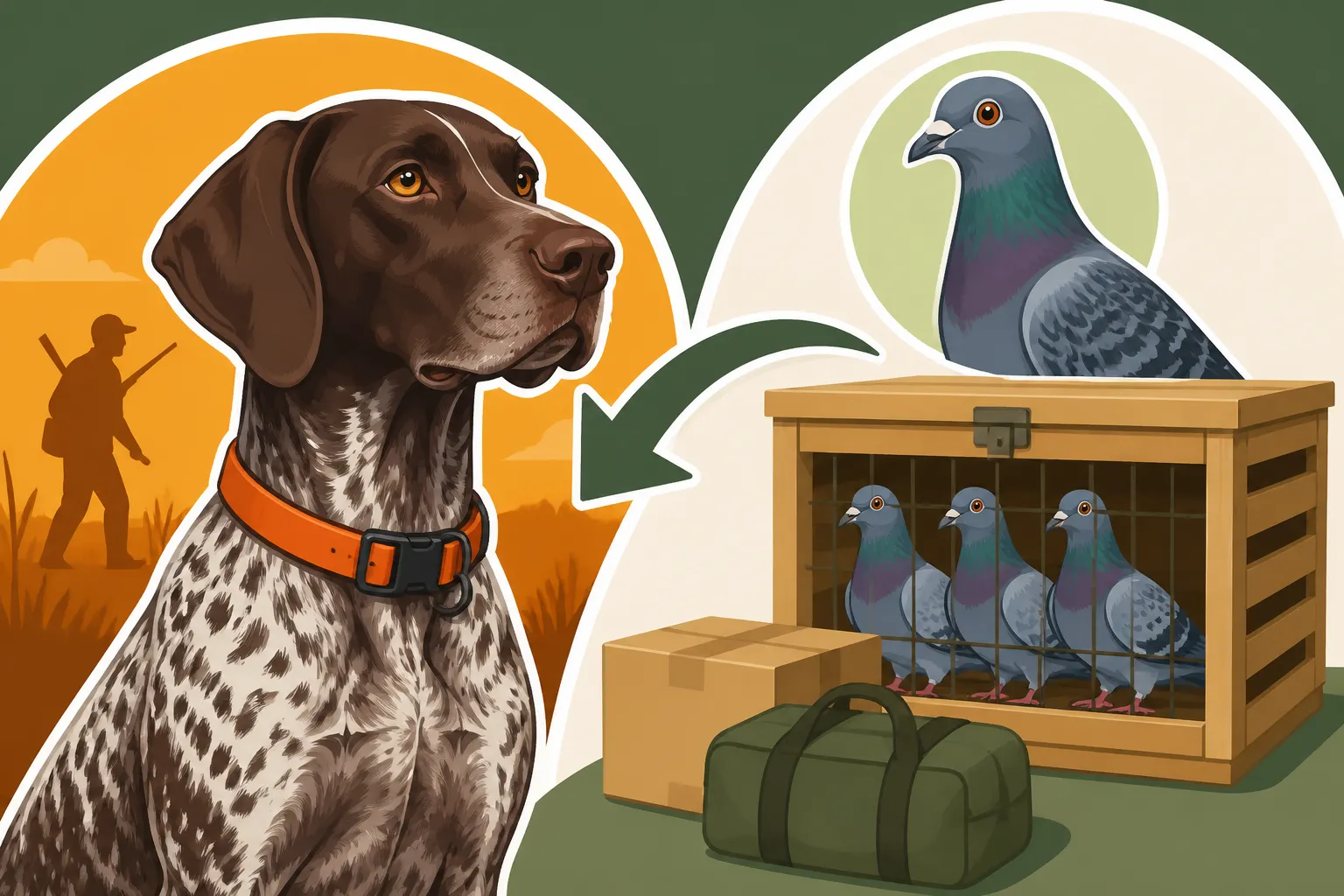
Where a Shorthair Owner Buys Training Pigeons
As a German Shorthaired Pointer owner, you know that raw instinct for game birds is hardwired into their very being. But harnessing that drive into a refined, cooperative hunting partner requires more than just field time; it often means introducing them to the real deal: live birds. Finding reliable sources for training pigeons can sometimes feel like a wild goose chase itself, leaving you frustrated and wondering where to even begin. This guide will walk you through the various avenues available for sourcing training pigeons, ensuring you can give your GSP the best possible foundation for its working career.
Why Live Bird Exposure is Non-Negotiable for Your German Shorthaired Pointer
You might be thinking, "Can't I just use dead birds or dummies?" While artificial aids and dead birds have their place in fundamental retrieve training, nothing, and I mean nothing, replaces the experience of a live bird for a German Shorthaired Pointer. These dogs were literally bred for centuries to locate, point, and retrieve game. To truly develop their natural abilities, they need to encounter the real stimulus.
The Instinctual Drive and Early Exposure
From a young age, a GSP puppy shows glimmers of its ancestral purpose. They might mouth everything, chase leaves, or even "point" a stray feather. This is their prey drive manifesting, and it's something we, as owners, need to cultivate properly. Introducing them to live birds, especially pigeons, at an appropriate age taps directly into these instincts. A pigeon's scent, its flutter, its attempt to escape – these are all powerful triggers that cement the concept of "game" in your dog's mind.
It's not just about letting them chase; it's about channeling that raw energy. A controlled introduction allows the dog to learn boundaries, such as holding a point without breaking or retrieving gently to hand. Without this critical exposure, you risk having a dog that is enthusiastic but unskilled, potentially flushing birds wildly or being rough with retrieves. Think of it as laying the very first, most crucial brick in the foundation of your dog's hunting education. This early work helps them understand their job in a visceral way, far beyond what any plastic dummy could teach. Many trainers advocate for starting this process early, as detailed in articles like Introducing a German Shorthaired Pointer to Birds.
Bridging the Gap from Pen-Raised to Wild Birds
Pigeons, often described as "bulletproof" for training, are an excellent bridge bird. They are hardy, relatively inexpensive, and can be used repeatedly, making them ideal for initial training sessions. They provide a realistic scent and movement profile without the extreme flight response of some wild birds. This controlled environment allows your German Shorthaired Pointer to build confidence and develop technique before encountering the unpredictability of actual wild game.
Imagine your young GSP out in a field, suddenly encountering a wild pheasant for the very first time, without any prior live bird experience. The dog might be overwhelmed, confused, or even shut down. Pigeons, on the other hand, offer a stepping stone. They allow for repetition, which is key to learning. You can control the environment, the flush, and the retrieve, gradually increasing the difficulty as your dog progresses. This systematic approach ensures that when your GSP does finally hit the marsh or the prairie for real, they are prepared, confident, and know exactly what to do. It also helps manage expectations, preventing the dog from developing Whether Pen Raised Birds Teach a Shorthair Bad Habits by always getting an easy grab.
Your Best Bets for Sourcing Quality Training Pigeons
Now that we've established the absolute necessity of live birds for your GSP's training, the next logical question is, where do you find them? It's not like you can just pick them up at your local pet store. Sourcing training pigeons requires a bit of detective work and networking, but thankfully, there are several reliable avenues available.
Local Pigeon Fanciers and Breeders
One of the oldest and most reliable methods for acquiring training pigeons is through local pigeon fanciers or breeders. These individuals often raise pigeons for racing, showing, or simply as a hobby, and they typically have a surplus of birds that are perfectly suited for field training. The benefit here is that you're often getting birds that are already accustomed to being handled, are healthy, and might even be trained to return to a loft, which is invaluable for repeated use.
To find these breeders, start by looking for local pigeon clubs or associations in your area. A quick online search for "pigeon clubs near me" or "racing pigeon breeders [your state]" can yield excellent results. Don't be shy about reaching out; most fanciers are passionate about their birds and often happy to help a fellow dog enthusiast. Explain that you're looking for birds specifically for German Shorthaired Pointer training. They can also offer valuable advice on housing and care, and the prices are often very reasonable. This direct connection often results in a supply of healthy, robust birds ideal for getting your GSP hooked on game.
Game Bird Farms and Specialty Suppliers
Another fantastic resource, particularly if you need larger quantities of birds or prefer the convenience of ordering, are dedicated game bird farms or specialty suppliers. These operations primarily raise various game birds—pheasants, quail, chukar—but many also raise and sell training pigeons. Their business is literally to supply birds for hunting and training purposes, so they understand the needs of a hunting dog owner.
These farms can be found through online searches, often advertised in hunting dog magazines or on websites dedicated to upland hunting or field trials. Companies like Chewy might not sell live birds, but they are a great resource for everything else you might need for your training setup, from long lines to bird launchers. The advantage of a game bird farm is consistency and availability. You can usually place larger orders and often arrange for pick-up or even specialized delivery, though shipping live birds can be complex and costly. These birds are typically raised in a managed environment, ensuring they are healthy and suitable for release in a training scenario. When you're thinking about What Birds Cost to Train One Shorthair, sourcing from a farm can be a cost-effective bulk solution.
Online Marketplaces and Hunting Dog Forums
In today's digital age, online communities and marketplaces have also become viable options for finding training pigeons. Websites dedicated to hunting dogs, specific German Shorthaired Pointer forums, or even general classifieds sites sometimes have postings from individuals or small hobbyists looking to sell their pigeons. Social media groups focused on gun dog training or GSP ownership can also be goldmines for local connections.
Be a bit more discerning when using these methods. While you might find a great deal or a convenient local pick-up, ensure you ask plenty of questions about the birds' health, age, and handling. Always arrange to inspect the birds in person if possible before committing to a purchase. You want healthy, active birds that will fly well and provide good scent, not birds that are listless or show signs of illness. Sometimes, these informal networks can even connect you with other GSP owners who might have a surplus of birds or know of a reliable, unadvertised local source. When networking, you might even pick up tips on advanced techniques like Using Pigeons to Start a Shorthair.
What to Look for When Acquiring Training Pigeons
Just like you wouldn't pick up any old puppy to be your next hunting partner, you shouldn't just grab any bird that flutters past. There are specific qualities that make a pigeon suitable for German Shorthaired Pointer training, and paying attention to these details will save you headaches and potentially even money in the long run.
Health and Temperament Considerations
The health of your training pigeons is paramount, not just for the birds' welfare but also for the health of your German Shorthaired Pointer. A sick pigeon could potentially transmit diseases to your dog, which is the last thing any owner wants. Look for birds that are alert, have bright eyes, and clean nostrils. Their feathers should be smooth and well-kept, not ruffled or missing in patches, which can be a sign of illness or stress. They should be active and responsive, demonstrating a good flight instinct when handled.
Equally important is their temperament. You want birds that are "flighty" but not completely wild or panicked to the point of injuring themselves in a trap. Ideally, they should be accustomed to being placed into a bird launcher or a holding cage without excessive struggle. Pigeons that are too docile might not provide the challenging flush your GSP needs to develop a strong point and retrieve, while overly aggressive birds could peck your dog. When purchasing, always observe the birds for a few minutes. If a bird seems lethargic, has discharge from its eyes or nose, or shows any lameness, it's best to pass. Keeping an eye on your dog's overall health and having a good pet insurance plan from providers like Healthy Paws can offer peace of mind, especially when your working dog is exposed to new environments and animals.
Quantity and Storage Needs
Before you even start looking for pigeons, consider how many you'll need and how you plan to store them. The quantity will depend on your training frequency, the number of dogs you're training, and how often you plan to reuse or release birds. For initial introductions and basic pointing drills, a small number (say, 5-10) might suffice. If you're doing more advanced work, multiple flushes per session, or training multiple dogs, you'll need a larger supply. Remember, pigeons can be reused if they return to a loft or if you're using them in a controlled environment like a bird launcher or a remote-release trap.
Storage is another critical factor. Pigeons need a safe, secure, and clean coop or loft. This isn't just a temporary box; it needs to be a dedicated space that protects them from predators, offers shelter from the elements, and allows for proper ventilation. The coop should be easy to clean to maintain hygiene and prevent disease. Adequate space per bird is essential to reduce stress and aggression. You'll also need feeders and waterers that keep the birds' food and water clean. Failing to plan for proper housing means you'll be constantly scrambling for birds, or worse, housing them in conditions that compromise their health and performance. Remember to factor in these supplies when considering The First Year Bills on a German Shorthaired Pointer if you're getting a new puppy and starting its training journey.
Keeping Your Training Pigeons Healthy and Ready for Work
Sourcing the right pigeons is just the first step. To get the most out of your investment and ensure ethical treatment, you need to provide proper care for your training birds. A healthy, well-maintained pigeon will provide a better training experience for your German Shorthaired Pointer and will last longer in your training program.
Housing and Nutrition for Pigeons
Proper housing is fundamental to keeping your training pigeons healthy and vigorous. A secure, predator-proof loft or coop is essential. This means strong wire mesh, sturdy walls, and a lockable door. Pigeons need space to move around, roost, and escape from each other if needed. A general rule of thumb is at least 2-4 cubic feet per bird, though more is always better. The coop should have good ventilation to prevent respiratory issues, but also be free from drafts. Roosting perches should be provided, as pigeons prefer to sleep off the ground.
Nutrition plays a vital role in their energy and flight capability. Pigeons require a specialized diet, typically a pigeon feed mix consisting of various grains, seeds, and sometimes legumes. This is different from chicken feed or wild birdseed. You can often find these specialized feeds at agricultural supply stores or through online retailers. Chewy has a wide array of feed options, though perhaps not live pigeon feed, it’s a good example of the kind of dedicated supply stores you’ll need to seek out. Fresh water must always be available, changed daily, and kept clean. Grit, a mixture of small stones and minerals, is also crucial for their digestion. Without proper nutrition, pigeons can become lethargic, reluctant to fly, and more susceptible to illness, making them less effective for training your GSP.
Ethical Considerations and Release
As responsible dog owners and enthusiasts of the sport, we also have an ethical obligation to treat our training birds humanely. This includes providing them with excellent care, minimizing stress, and ensuring their well-being. When pigeons are used in launchers or traps, ensure the equipment is safe and designed to release the bird without injury. Avoid overusing individual birds in a single session; give them breaks and allow them to rest and recover.
After training, if you're not planning to keep them, consider the responsible release of the birds. If you've acquired banded racing pigeons, they may be trained to return to their original loft. Unbanded or farm-raised pigeons, however, might not have the homing instinct. Releasing them into a completely unfamiliar environment might expose them to unnecessary predation or starvation. Instead, some trainers choose to keep a small flock of pigeons specifically for training, allowing them to live out their lives in a managed coop. If releasing, choose an area with natural cover and food sources, away from busy roads or dense human habitation, and check local regulations regarding the release of domestic birds. This mindful approach ensures that while we hone our German Shorthaired Pointer's skills, we do so with respect for the animals involved.
Table: Sourcing Training Pigeons – Pros and Cons
When it comes to getting those birds for your German Shorthaired Pointer, each source has its own set of advantages and challenges. Here's a quick overview to help you decide which path is best for you and your training goals.
| Source Category | Pros | Cons | Best For |
|---|---|---|---|
| Local Pigeon Fanciers/Breeders | Direct contact, often healthy, well-cared-for birds, good advice. | Can be harder to find, inconsistent supply, may require local pickup. | Consistent, smaller-scale training; building local connections. |
| Game Bird Farms/Specialty Suppliers | Reliable supply, often healthy and vigorous birds, bulk orders. | Higher cost (especially with shipping), less personalized interaction. | Regular, large-volume training; diverse bird types (quail, chukar, etc.). |
| Online Marketplaces/Forums | Potentially good deals, local connections, convenience. | Quality can vary, risk of unhealthy birds, requires more vetting. | Budget-conscious trainers; finding occasional birds or specific types. |
Remember, no matter where you source your training pigeons, the ultimate goal is to provide your German Shorthaired Pointer with high-quality, safe, and effective training experiences. Whether you're working on basic pointing, steadying to wing and shot, or refining their retrieve to hand, the right birds make all the difference. Knowing The Structure a German Shorthaired Pointer Needs Daily for training helps inform how many birds you'll need to keep up with their boundless energy and learning capacity. And when it comes to the critical moment of their first retrieve, ensuring they Teaching a Shorthair to Deliver a Bird to Hand is key to a clean hunt.
Disclaimer
This article is for general informational purposes only and does not constitute professional advice. Laws, prices and regulations vary by location and change over time. Consult a qualified professional for guidance on your specific situation.