AKC Hunt Test Entry Costs for a Shorthair
Deciding to dive into AKC Hunt Tests with your German Shorthaired Pointer is an exciting step, but for many owners, the financial aspect can feel like walking into a maze without a map. You want to give your shorthair every opportunity to shine, but the costs involved, from entry fees to travel, can quickly add up and feel overwhelming if you're not prepared. This guide aims to demystify the various expenses associated with AKC Hunt Test entry, helping you understand what to expect so you can budget effectively and focus on the joy of working with your incredible dog.
Understanding the AKC Hunt Test System
Before we even talk about dollars and cents, it's important to grasp what AKC Hunt Tests are all about. These aren't just casual events; they're designed to evaluate the natural hunting abilities and training of pointing breeds like our German Shorthaired Pointers in a simulated hunting environment. It's a fantastic way to measure your dog's progress, celebrate their instincts, and connect with a community that shares your passion.
What AKC Hunt Tests Evaluate
The American Kennel Club (AKC) offers a structured system of hunt tests, progressing through different levels: Junior Hunter (JH), Senior Hunter (SH), and Master Hunter (MH). Each level builds upon the previous one, demanding more polished performance, greater consistency, and a higher degree of control. For a German Shorthaired Pointer, this means demonstrating their ability to find game, hold a steady point, honor another dog's point (at higher levels), and retrieve cleanly.
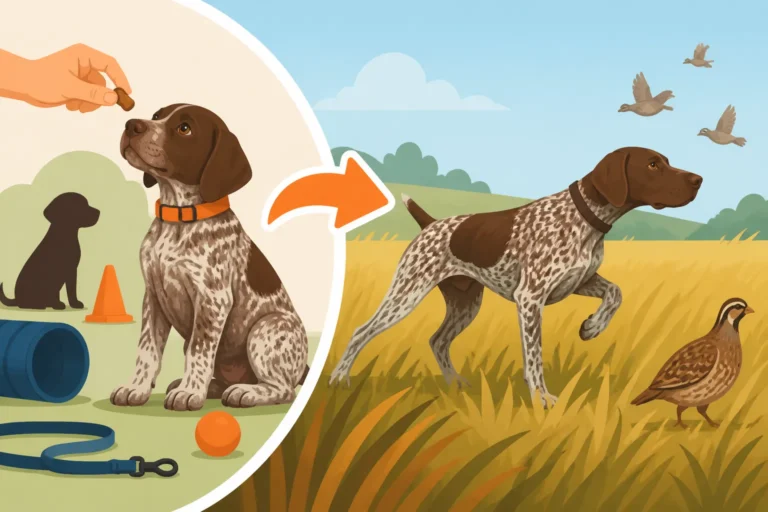
For a Junior Hunter title, your dog needs to show basic natural ability: finding birds, pointing with reasonable staunch-ness, and being generally biddable. They don't have to be steady to wing and shot at this level, which means they can move when the bird flushes or the gun fires. This is a great entry point for younger dogs or those just starting their journey. The Age a Shorthair Is Ready for the Natural Ability Test is a good read if you're thinking about starting young.
Moving to Senior Hunter, the expectations increase. Here, your Shorthair needs to be steady to wing and shot, meaning they must remain staunch on point until you release them after the bird has flown and the shot has been fired. They also need to retrieve game to hand. This level requires more advanced training and a deeper understanding between you and your dog. Finally, Master Hunter is the pinnacle, demanding consistent, exceptional performance, often with multiple finds, honoring other dogs, and retrieving with precision in a variety of cover types. It's the ultimate test of a truly finished gun dog.
Why German Shorthaired Pointers Excel in Hunt Tests
German Shorthaired Pointers were literally bred for this kind of work. Their heritage as versatile hunting dogs, capable of pointing, retrieving, and even tracking, makes them ideal candidates for AKC Hunt Tests. They possess the drive, intelligence, and athleticism to excel. These tests offer a structured environment to showcase those innate abilities. It's not just about earning titles, though those are certainly a badge of honor. It's about honing your dog's skills, strengthening your bond, and ensuring they are a reliable and effective partner in the field. Watching your Shorthair confidently quarter a field, lock onto scent, and hold a picture-perfect point is incredibly rewarding, regardless of the ribbons. What Versatile Actually Means for a Shorthair goes into more detail about their natural talents.
Breaking Down Entry Fees and Associated Costs
Now, let's talk about the specific costs that hit your wallet when you decide to enter an AKC Hunt Test. These aren't always straightforward, and understanding the nuances can help you avoid surprises.
Standard Entry Fees by Test Level
The primary cost you'll encounter is the entry fee itself. These fees can vary, but generally, they increase as you move up through the levels, reflecting the longer field times, more birds used, and greater logistical demands of the higher-level tests.
You'll typically find that Junior Hunter entries are the least expensive, Senior Hunter costs a bit more, and Master Hunter is the highest. These fees cover the cost of birds, judges' expenses, field rental, and administrative overhead for the host club. It's not uncommon for these fees to be paid several weeks or even months in advance when you submit your entry form. Always check the premium list published by the specific club hosting the event, as prices can fluctuate between different clubs and regions. They often list a closing date for entries, and sometimes a late entry fee might be applied if you miss that deadline, so mark your calendar!
Membership and Registration Fees
Before your German Shorthaired Pointer can even think about entering an AKC Hunt Test, they need to be registered with the American Kennel Club. If your dog comes from AKC-registered parents, you'll need to submit their individual registration application. This is a one-time fee. Beyond individual dog registration, you, as the owner, don't necessarily need to be an AKC member to enter hunt tests, but there are benefits to it, such as reduced fees for some services and publications.
Another fee you'll encounter is the recording fee for any titles your dog earns. Once your Shorthair completes the requirements for Junior Hunter, Senior Hunter, or Master Hunter, there's a separate fee to officially record that title on their AKC pedigree. This isn't usually included in the initial entry fee.
Here's a generalized look at how costs might compare:
| Cost Category | Junior Hunter | Senior Hunter | Master Hunter | Notes |
|---|---|---|---|---|
| Entry Fee (per day) | Lower range | Mid-range | Upper range | Varies by club, region, and number of birds needed |
| AKC Registration | One-time fee | One-time fee | One-time fee | If not already registered, necessary for any AKC event |
| Title Recording Fee | Separate fee | Separate fee | Separate fee | Paid after successfully earning the title, not included in entry |
| Late Entry Fee | Potential | Potential | Potential | If you miss the premium list's closing date |
| Camping/Stabling (if any) | Varies | Varies | Varies | If the venue offers it and you choose to stay onsite |
| Handler Fee (if applicable) | N/A (usually owner) | N/A (usually owner) | N/A (usually owner) | If you hire a professional handler, this is a significant cost |
Remember, these are just the basic entry and registration costs. There's a whole world of associated expenses that many new competitors often overlook.
Beyond the Entry Fee: Hidden Costs of Competition
The entry fee is just the tip of the iceberg, unfortunately. To truly prepare and participate in AKC Hunt Tests, you'll inevitably incur other expenses. These "hidden" costs can quickly add up and are crucial to factor into your overall budget.
Travel and Lodging Expenses
Unless you're incredibly lucky and live right next door to every hunt test venue, travel is going to be a significant cost. Many enthusiasts travel across state lines to find tests that fit their schedule or to compete with specific judges. This means factoring in fuel costs for your vehicle, especially if you're hauling a dog box or multiple dogs.
Then there's lodging. Some venues offer primitive camping, which can be a cost-saver, but often you'll be looking at hotels or motels. Finding dog-friendly accommodations, especially ones that welcome multiple large hunting dogs, can sometimes be a challenge, and they often come with additional pet fees. You might be spending two or three nights, depending on the test schedule and your travel distance. Consider these expenses for each test you plan to attend throughout the season. What a Hunting Road Trip Costs With a Shorthair explores this in more detail.
Training Costs: Birds, Gear, and Professional Help
This is perhaps the biggest "hidden" cost, yet it's absolutely essential for success. You can't just show up to a hunt test with an untrained dog and expect to pass. Training takes time, effort, and, yes, money.
First, you need birds. Lots of them. Quail, chukar, or pigeons are commonly used for training. You'll need to purchase these from game farms, and their prices can fluctuate. If you're running a lot of drills, you'll go through quite a few birds. Then there's the gear: check cords, e-collars (used responsibly and appropriately), bird launchers, blank pistols, and even training tables. These are investments, but they're necessary tools. You can find many of these supplies through retailers like Chewy, which often has a good selection of training gear and even some bird-specific items.
Many owners also choose to work with a professional trainer, especially for higher levels like Senior and Master Hunter. Trainer fees can range significantly, from hourly lessons to "board and train" programs that span several weeks or months. While this can be a substantial outlay, a good trainer can accelerate your dog's progress and help you iron out specific issues. If you choose this route, be sure to research trainers carefully and understand their fee structure upfront. What a Pro Trainer Charges to Start a Shorthair on Birds dives deeper into that particular cost.
Food and Supplements for Peak Performance
A German Shorthaired Pointer training for and competing in hunt tests is an athlete. Their nutritional needs are far greater than a sedentary pet. They burn immense amounts of energy in the field, requiring high-quality, calorie-dense food to maintain their weight, muscle mass, and stamina.
You'll likely be feeding a premium "performance" kibble, which typically costs more per bag than standard dog food. And during peak training or competition seasons, your dog might need even more of it. Some owners also opt for fresh food diets or add supplements to their dog's regimen. Brands like Ollie offer fresh, human-grade food that can be excellent for active dogs, though it generally comes at a higher price point than traditional kibble. Joint supplements, fish oil for coat and skin health, and electrolytes for hydration during long, hot days are common additions. These aren't mandatory, but many serious competitors find them beneficial for their dog's overall health and performance. What a German Shorthaired Pointer Owner Spends on Supplements Each Season might be helpful here.
Unexpected Veterinary Costs and Insurance
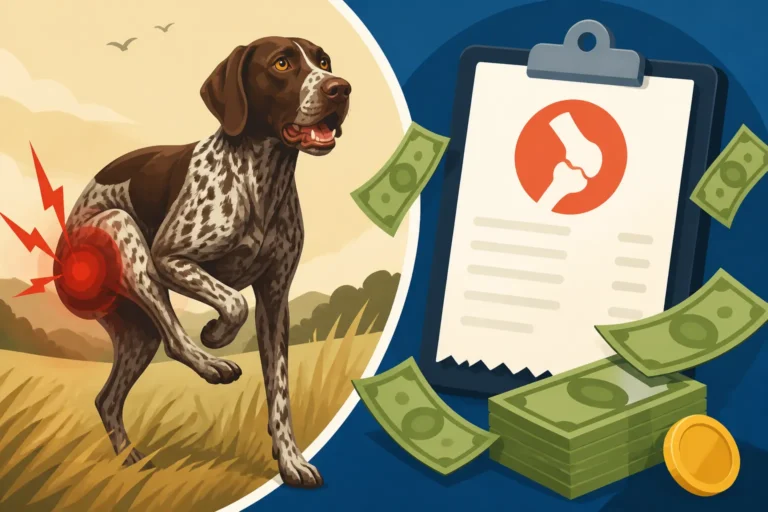
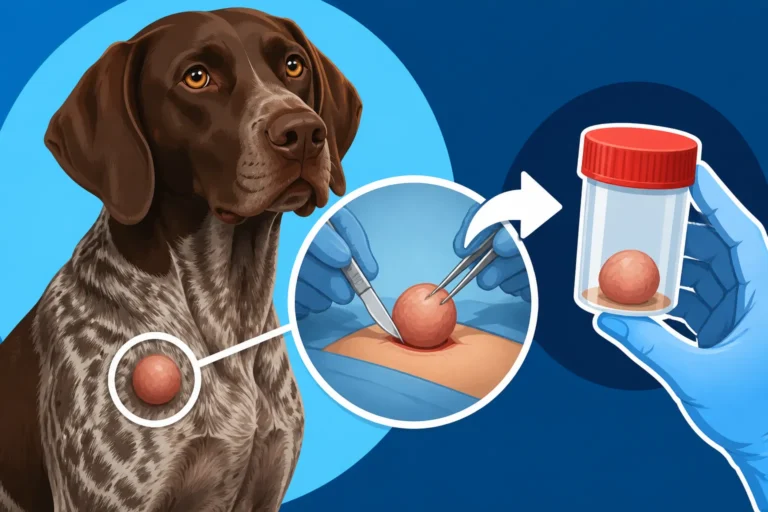
No one wants to think about their dog getting injured, but for a German Shorthaired Pointer running hard in various terrains, it's a very real possibility. A torn cruciate ligament, a serious cut from barbed wire, or even ingesting a dangerous foxtail can mean an emergency vet visit and potentially thousands of dollars in bills. Field Injuries a Hunting German Shorthaired Pointer Comes Home With is an eye-opener in this regard.
Having a robust pet insurance plan can be a lifesaver. Companies like Healthy Paws offer comprehensive accident and illness plans that can significantly offset these unexpected costs. While there's a monthly premium, knowing that a large percentage of a major vet bill will be covered provides immense peace of mind. It’s a cost you hope you never have to use, but when you do, it more than pays for itself. Without insurance, a single injury could put an abrupt end to your hunt test aspirations, not to mention put your dog through unnecessary suffering due to delayed care.
Making Hunt Tests Affordable: Tips and Strategies
The costs might seem daunting, but don't let them deter you. With some smart planning and creative solutions, you can absolutely pursue hunt tests with your German Shorthaired Pointer without breaking the bank.
Budgeting and Financial Planning
The first step is to create a detailed budget. Be honest with yourself about what you can afford. Track all your expenses related to your dog and hunt tests for a few months to get a realistic picture. This includes food, training birds, fuel, entry fees, and any gear purchases. Once you have a clear understanding, you can identify areas where you might be able to cut back or optimize spending.
Consider setting up a dedicated "dog fund" savings account. Even putting aside a small amount each week can accumulate into a significant sum over time, helping you cover those bigger expenses like a professional trainer or an upcoming series of tests. Many people find it useful to keep a running tally of anticipated costs for the entire season, allowing them to make informed decisions about how many tests to enter.
Self-Training and Group Training Benefits
While professional trainers offer invaluable expertise, they're not the only path to success. There are countless resources available for self-training. Books, online videos, and local club seminars can teach you the fundamentals. The key is consistency and patience. Building Whoa on a Shorthair With a Check Cord is a perfect example of a foundational skill you can teach yourself.
Joining a local German Shorthaired Pointer or versatile hunting dog club is one of the best ways to save money and gain knowledge. These clubs often organize group training sessions, where members share birds, field time, and expertise. You might split the cost of a dozen quail with a few training partners, making it far more affordable than buying them all yourself. You'll also benefit from peer advice, mentorship from experienced handlers, and access to training grounds that might otherwise be unavailable. Plus, the camaraderie makes the journey much more enjoyable!
Smart Gear Procurement and Maintenance
You don't need the most expensive gear to get started. Look for used equipment in good condition. Many experienced handlers upgrade their gear periodically, and you can often find good deals on gently used e-collars, launchers, or dog boxes. Check online forums, local club newsletters, or even social media groups dedicated to German Shorthaired Pointers or hunting dogs.
Maintaining your existing gear is also crucial. A well-cared-for e-collar or dog box will last much longer, delaying the need for costly replacements. Regularly clean and inspect your equipment, making small repairs as needed. When it comes to everyday supplies like food and treats, consider buying in bulk from retailers like Chewy to take advantage of volume discounts. They often have auto-ship options that can save you a percentage and ensure you never run out.
Prioritizing and Strategic Entry
You don't have to enter every single hunt test that comes up. Be strategic. If your Shorthair is new to the game, focus on a few Junior Hunter tests that are relatively close to home to minimize travel costs. As they gain experience, you can then plan for Senior or Master Hunter tests, perhaps choosing those where multiple judges will be present, allowing you more chances to qualify over a single weekend.
Think about your dog's readiness. Entering a test before your dog is truly prepared can lead to frustration and wasted entry fees. Instead, invest that money in a few more training sessions with birds, ensuring your Shorthair has the best possible chance of success. Sometimes, waiting an extra month or two to polish a skill can save you money in the long run by preventing repeat entries. It's not a race; it's a journey with your incredible German Shorthaired Pointer. How Many Seasons a German Shorthaired Pointer Hunts reminds us that this is a long-term commitment.
Disclaimer
This article is for general informational purposes only and does not constitute professional advice. Laws, prices and regulations vary by location and change over time. Consult a qualified professional for guidance on your specific situation.