What a Hunting Road Trip Costs With a Shorthair
Oh, the hunting road trip! There’s nothing quite like packing up the truck, your trusty German Shorthaired Pointer panting with excitement in the back, and heading for wide-open spaces where the birds are plentiful. But let's be real, those romantic images on social media rarely show you the dent it puts in your wallet. This guide is here to break down the real costs involved in taking your GSP on a hunting adventure, from the planning stages to the drive home, helping you budget for a smooth and enjoyable trip.
Initial Planning and Pre-Trip Expenses
Before your Shorthair even sniffs the fresh morning air of a new hunting ground, there's a good chunk of preparation that happens at home. These aren't just about getting ready; they often come with a price tag that you absolutely need to factor into your trip budget. Skimping here can lead to bigger problems, and bigger costs, down the road.
Health Clearances and Vaccinations
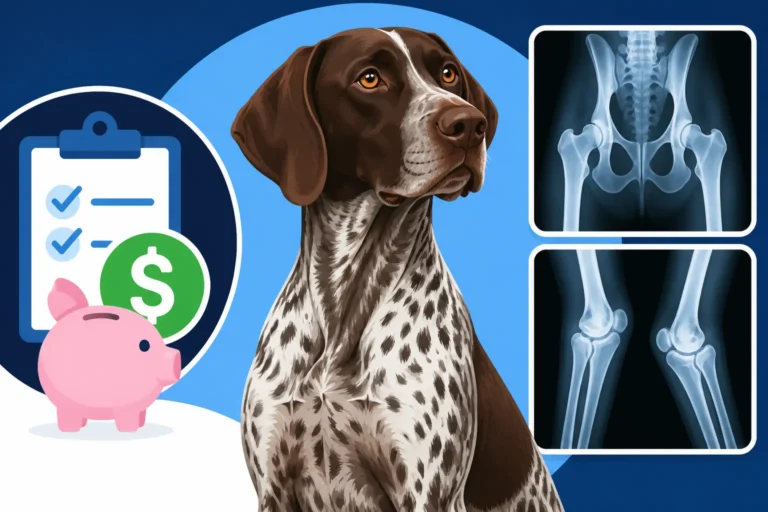
Think of your German Shorthaired Pointer's health as the foundation of your hunting trip. If that foundation isn't solid, the whole adventure can crumble. Before you hit the road, especially if you're crossing state lines or heading to areas with different environmental risks, a visit to the vet is non-negotiable. This isn't just a friendly check-up; it's a strategic move to prevent medical emergencies far from home. Your vet might recommend boosters for core vaccines, and absolutely discuss any additional protections needed for the region you’re visiting. For instance, some areas are hotbeds for Lyme disease, while others might have a higher prevalence of Leptospirosis. These preventative measures, while an upfront cost, are far less expensive than treating a full-blown illness in an emergency vet clinic miles away. Don't forget, if your Shorthair hasn't had its annual check-up, now is the time. Knowing The Vet Schedule a Working Shorthair Should Keep can help you plan this visit.
They might also suggest specific parasite preventatives that are more robust for traveling, like a stronger tick and flea treatment. And if your dog has any underlying conditions, getting those managed and having current medical records, potentially even a prescription refill to carry with you, is paramount. This initial health investment ensures your dog is robust enough for the rigors of travel and hunting, giving you peace of mind that your beloved companion is ready for action.
Gear Upgrades and Replacements
A hunting road trip isn't just about your gear; your German Shorthaired Pointer needs its kit to be in top condition too. Over time, even the most durable items wear out, and a road trip is no time for gear failure. Take a good hard look at your dog's vest, especially if you're going into heavy cover. Is it torn? Does it still fit well? A new protective vest can prevent serious injuries from thorns, sharp sticks, or even encounters with other animals. Don't forget about Vests and Boots for a Hunting German Shorthaired Pointer. Similarly, good boots are crucial if you're expecting rough terrain or extreme weather.
Beyond protective wear, consider your GPS tracking collar. Is the battery still holding a charge like it should? Is the system reliable? Losing track of your free-ranging Shorthair in unfamiliar territory is every hunter’s nightmare, and the cost of replacing a lost receiver in the field, or the sheer panic it induces, far outweighs the cost of a pre-trip inspection or a new unit. What a GPS Tracking Collar Costs a Shorthair Owner can give you an idea of the investment. Also, think about their travel crate or dog box. Is it secure? Does it offer enough ventilation? A comfortable and safe travel setup reduces stress for your dog and minimizes distractions for you on the long drive. Investing in quality gear upfront is an insurance policy against headaches and potential dangers during the trip.
Training Tune-Ups and Field Practice
Before a big hunting road trip, it’s not just your dog’s physical health and gear that need checking; their training needs a tune-up too. A rusty "whoa" or a spotty recall can turn a dream hunt into a frustrating, even dangerous, experience. Spending some time in the weeks leading up to your trip, reinforcing core commands in a simulated field environment, can make a huge difference. This might involve buying some pen-raised birds to work with, or paying a small fee to access a private training grounds. These practice sessions help solidify their manners and ensure they’re sharp on game.
Consider what areas your Shorthair might need extra work on. Is their delivery to hand consistent? Do they hold their points staunchly, or do they tend to creep? These small training investments, whether it’s a session with a local trainer for specific drills or simply dedicating more time to focused practice, will pay dividends in the field. A well-trained German Shorthaired Pointer makes for a more efficient and safer hunt, reducing the chance of lost birds, bumped coveys, or worse, your dog getting into a dangerous situation due to a missed command. This commitment to ongoing training is part of what makes these incredible dogs such effective hunting partners.
On-the-Road Costs: Travel and Lodging
Once you've done all the prep, it's time to hit the road. This leg of the journey brings its own set of expenses, and for a German Shorthaired Pointer owner, it's more than just gas money and a bed for the night. You're traveling with an athlete who needs specific care, and that means factoring in their needs every mile of the way.
Fuel, Food, and Overnight Stays
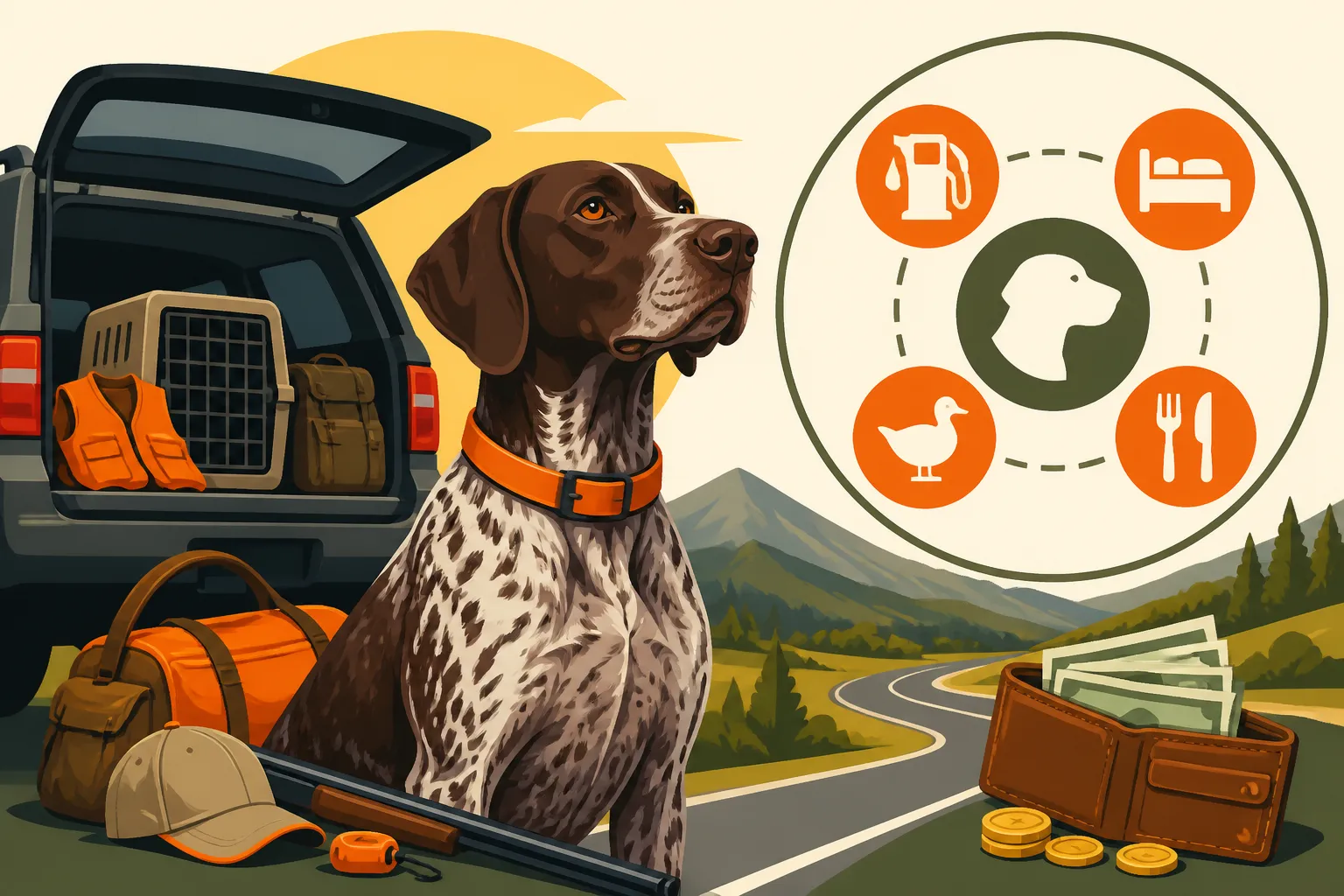
The most obvious costs for any road trip are fuel and your own sustenance. However, when you add a high-energy German Shorthaired Pointer to the mix, these calculations become a bit more specific. Your truck, loaded with a dog box, gear, and supplies, might not get the best fuel economy, so budget accordingly for those long hauls across states. Then there's the food. You're likely feeding a performance diet, especially if your Shorthair is actively hunting. Feeding a German Shorthaired Pointer Around a Hunt requires specific planning. Don't just pack enough for the hunting days; ensure you have extra for travel days, especially if you get delayed. Consider ordering food from a reliable online source like Chewy to be delivered to your first stop if you're concerned about carrying a large quantity.
Overnight stays can quickly add up. If you're covering vast distances, you'll need a place to rest your head, and your Shorthair will need a secure, comfortable spot too. This means seeking out hotels or motels that are genuinely pet-friendly, and often, those come with an additional pet fee per night. These fees can range from nominal to significant, so always check ahead. Sometimes, opting for a campsite with a cabin or a tent site can be more economical if the weather allows and your dog is accustomed to that setup. Remember, a tired, hungry dog makes for a stressed-out trip, so budgeting for their comfort and nutritional needs is paramount.
Pet-Friendly Accommodations
Finding pet-friendly lodging isn't just about avoiding a "no pets allowed" sign; it's about finding a place where your German Shorthaired Pointer (and you!) can truly relax and recharge. Many hotels might allow dogs but have strict size or breed restrictions, or they might confine you to specific, less desirable rooms. Always call ahead and confirm their pet policy, including any fees, deposit requirements, and specific rules (like not leaving your dog unattended). These policies can vary widely, even within the same hotel chain. For instance, one hotel might charge a flat fee, while another charges per night, which can dramatically increase costs for a multi-day stay.
Beyond hotels, exploring options like Airbnb or VRBO can sometimes yield better results, as owners are often more flexible and the accommodations might be more spacious, offering a small yard for your Shorthair to stretch its legs. However, these also come with their own set of potential cleaning fees or deposits. If your Shorthair is accustomed to a specific diet, like the fresh food options from Ollie, you'll need to ensure your accommodation has a refrigerator or enough cooler space to keep their meals fresh. The key is thorough research and booking well in advance, especially during peak hunting seasons, to avoid being stranded or paying exorbitant last-minute rates for substandard options.
Unexpected Detours and Emergencies
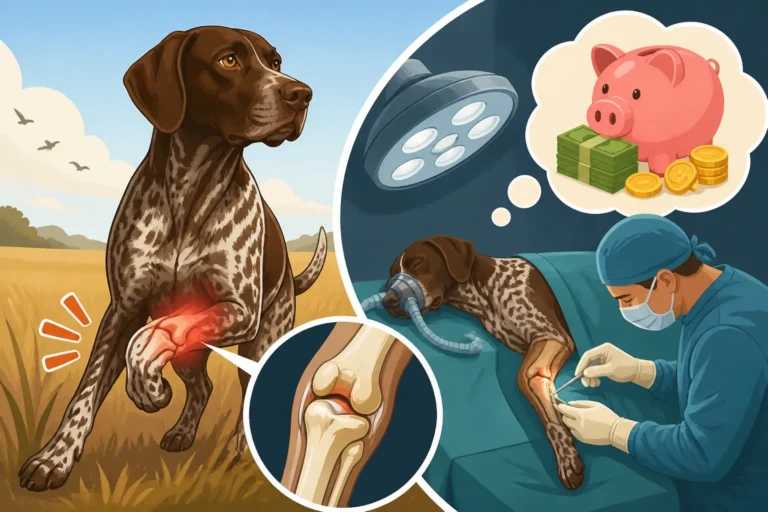
No matter how meticulously you plan, road trips with dogs can throw you a curveball. A sudden lameness after a particularly vigorous run, a mysterious allergic reaction, or even just a cut pad from sharp terrain can mean an unplanned visit to an unfamiliar veterinary clinic. These emergency vet visits, especially in an area where you don't have an established relationship, can be shockingly expensive. Having a robust pet insurance plan, perhaps from a provider like Healthy Paws, can be a game-changer here, helping to mitigate the financial shock of an urgent care bill. Whether a Policy Covers a Shorthair's Hunting Injuries is a crucial consideration when choosing a plan.
Beyond medical emergencies, consider unexpected detours. A road closure, a sudden blizzard, or even your vehicle having an issue can add extra nights to your trip or necessitate more expensive, last-minute accommodation. Always carry a buffer in your budget for these unforeseen circumstances. Packing extra food and water for your Shorthair, a comprehensive first-aid kit for both human and canine, and some backup cash can turn a potential disaster into a minor inconvenience. Being prepared for the unexpected is simply part of being a responsible German Shorthaired Pointer owner, especially when you're far from home.
Hunting Day Expenses: Permits, Birds, and Fees
Now for the main event: the actual hunting. This is where many of the variable costs come into play, directly related to what, where, and how you plan to hunt with your German Shorthaired Pointer. These expenses are often directly tied to the length and intensity of your trip.
Licenses, Stamps, and Preserve Fees
Before your Shorthair can even sniff out its first bird, you need to be legally ready to hunt. This means acquiring the appropriate hunting licenses and stamps for the state or region you're visiting. Non-resident licenses are almost always significantly more expensive than resident ones, and you might need specific stamps for different types of game birds, like migratory bird stamps. These are often available online, but it’s best to sort them out well in advance to avoid last-minute hassles.
If you're hunting on a private preserve, as many GSP owners do, there will be preserve fees. These can vary wildly depending on the exclusivity of the preserve, the services they offer (guided hunts, dog handling, bird cleaning), and whether you're bringing your own birds or using theirs. Some preserves offer day rates, while others might have membership options if you plan to visit frequently. It's crucial to understand what's included in these fees. Is bird cleaning part of the price? Are extra birds available for purchase? Planning to hunt pheasant, quail, or chukar will likely involve different pricing structures.
Ammunition and Bird Costs
The actual act of hunting involves consumable supplies, and these add up faster than you might think. Ammunition, for instance, isn't a one-and-done purchase. A good day in the field, especially when your German Shorthaired Pointer is really on fire, can mean going through several boxes of shells. The cost of shotgun shells has seen fluctuations, so buying in bulk beforehand might be a smart move if you know your preferred load.
If you're hunting on a preserve, the cost of birds can be a significant line item. Many preserves charge per bird released, or they might have a "package" deal with a certain number of birds included. If your dog is particularly good, or you have a large hunting party, you could easily go through many birds in a day, increasing this cost. Even if you're hunting wild birds, there might be travel costs to reach prime public hunting land. Understanding your expected bird count and how many shells you typically use will help you budget for these direct hunting expenses. Don't forget, Checking a German Shorthaired Pointer Over After a Hunt is critical to ensure they haven't picked up any unwanted passengers or injuries.
Post-Hunt Recovery and Supplies
After a long day in the field, your German Shorthaired Pointer will be tired, likely muddy, and potentially have a few scrapes. Just like human athletes, they need proper recovery. This means having plenty of fresh water and electrolytes on hand to rehydrate them. It also means a good, high-quality, easily digestible meal to replenish their energy stores. What Performance Kibble Costs for a Shorthair can be a significant part of your overall budget.
You'll also need supplies for basic first aid: paw balm for sore pads, antiseptic spray for minor cuts, and maybe even some wrap for a twisted ankle. Cut Pads on a German Shorthaired Pointer After a Long Day are a common occurrence, and having the supplies to treat them on the spot can prevent more serious issues. A comfortable, dry place to rest in the dog box or crate is also essential. This might mean fresh bedding or towels, especially if you're hunting in wet conditions. These aren't glamorous expenses, but they're critical for keeping your Shorthair sound and ready for the next day's hunt. Overlooking recovery can quickly lead to injuries or burnout, effectively shortening your trip.
Managing the Budget for Your Shorthair's Adventure
A hunting road trip with a German Shorthaired Pointer is an investment in time, training, and money. While the costs can be significant, there are smart ways to approach your budget that will make the entire experience less stressful and more enjoyable for both you and your tireless hunting companion.
Planning for the Unexpected Vet Bill
One of the biggest financial worries for any dog owner, especially those taking their active Shorthairs into the field, is an unexpected vet bill. Field injuries, like those covered in Field Injuries a Hunting German Shorthaired Pointer Comes Home With, are unfortunately a reality. Having a plan for these scenarios is paramount. This is where pet insurance truly shines. A good policy from a provider like Healthy Paws can cover a significant portion of emergency veterinary costs, from diagnostics to surgery, saving you from a potentially devastating financial hit. It’s not just about covering big accidents; smaller things like grass awns migrating under the skin can also require professional removal.
Beyond insurance, it's wise to have an emergency fund specifically for your dog. Even with insurance, there's often a deductible or a co-pay, and sometimes not every treatment is covered. A separate savings account, even if it's just a few hundred dollars, can provide immense peace of mind. Familiarize yourself with the signs of common GSP emergencies, such as The Unproductive Retching That Means a Shorthair Is Bloating, so you can act quickly if something serious occurs. Knowing you're financially prepared for the unexpected allows you to focus on enjoying the hunt, rather than worrying about what might happen.
Smart Packing and Supply Management
Efficient packing isn't just about saving space; it's about saving money and preventing last-minute scrambles. Before you go, make a detailed checklist of everything your German Shorthaired Pointer needs. This includes ample food (consider ordering a bulk bag from Chewy to your destination or bringing it all if space allows), plenty of fresh water containers, bowls, a first-aid kit, extra leashes, a tie-out, and comfort items like their favorite bed or blanket. Double-check expiration dates on medications and ensure you have enough for the entire trip.
Consider reusable items where possible, like durable water bottles or collapsible bowls, rather than single-use plastics. If your dog has a specialized diet, such as fresh food from Ollie, plan out your meals and storage meticulously, bringing extra coolers and ice if necessary. By being organized and packing thoughtfully, you avoid costly impulse purchases at convenience stores or pet shops along the way, where prices are often inflated. This proactive approach ensures you have everything your Shorthair needs, when they need it, without breaking the bank.
Long-Term Savings and Preparedness
While specific hunting trips have their own costs, being a German Shorthaired Pointer owner, especially of a hunting dog, is a long-term financial commitment. Thinking about preparedness in the long run can help you smooth out the financial demands of regular trips. Setting aside a little bit each month into a "Shorthair Adventure Fund" can make those larger trip expenses feel much less daunting when the time comes. This dedicated fund can cover everything from annual license renewals to new gear for the upcoming season, or even cover unexpected repairs to your dog box.
Additionally, continuously training and conditioning your Shorthair at home can reduce the need for expensive last-minute training refreshers or medical interventions due to poor fitness. Conditioning a Shorthair Before Opening Day is a great example of preventative care that has long-term benefits. Being a responsible owner means anticipating these costs and budgeting for them as part of the overall experience of having a magnificent hunting companion. The joy and satisfaction of watching your German Shorthaired Pointer work in the field are priceless, but getting there requires a realistic understanding and management of the associated costs.
Disclaimer
This article is for general informational purposes only and does not constitute professional advice. Laws, prices and regulations vary by location and change over time. Consult a qualified professional for guidance on your specific situation.