Replacing the Receiver a Shorthair Lost in the Field
There's nothing quite like the heart-stopping moment you realize that expensive, critical piece of gear—your German Shorthaired Pointer's GPS collar receiver—is no longer where it should be. You're out in the field, maybe your Shorthair just crashed through some heavy cover or made a particularly enthusiastic retrieve, and suddenly, the signal is gone, and the receiver along with it. This guide is here to walk you through why these vital components go missing, what steps you need to take to replace it, and how to safeguard against losing another one.
Why Receivers Go Missing in the Field
It's a familiar scenario for any German Shorthaired Pointer owner who hunts or trains in rugged terrain. One minute your dog is wearing its GPS Collar Subscription Fees for a Shorthair Owner proudly, the next you're scouring the underbrush, heart pounding, wondering if you'll ever see that receiver again. Losing a receiver isn't just an inconvenience; it's a significant financial setback and can interrupt critical training or hunting days. Understanding why it happens is the first step toward preventing it.
The Thrill of the Chase and What Gets Left Behind
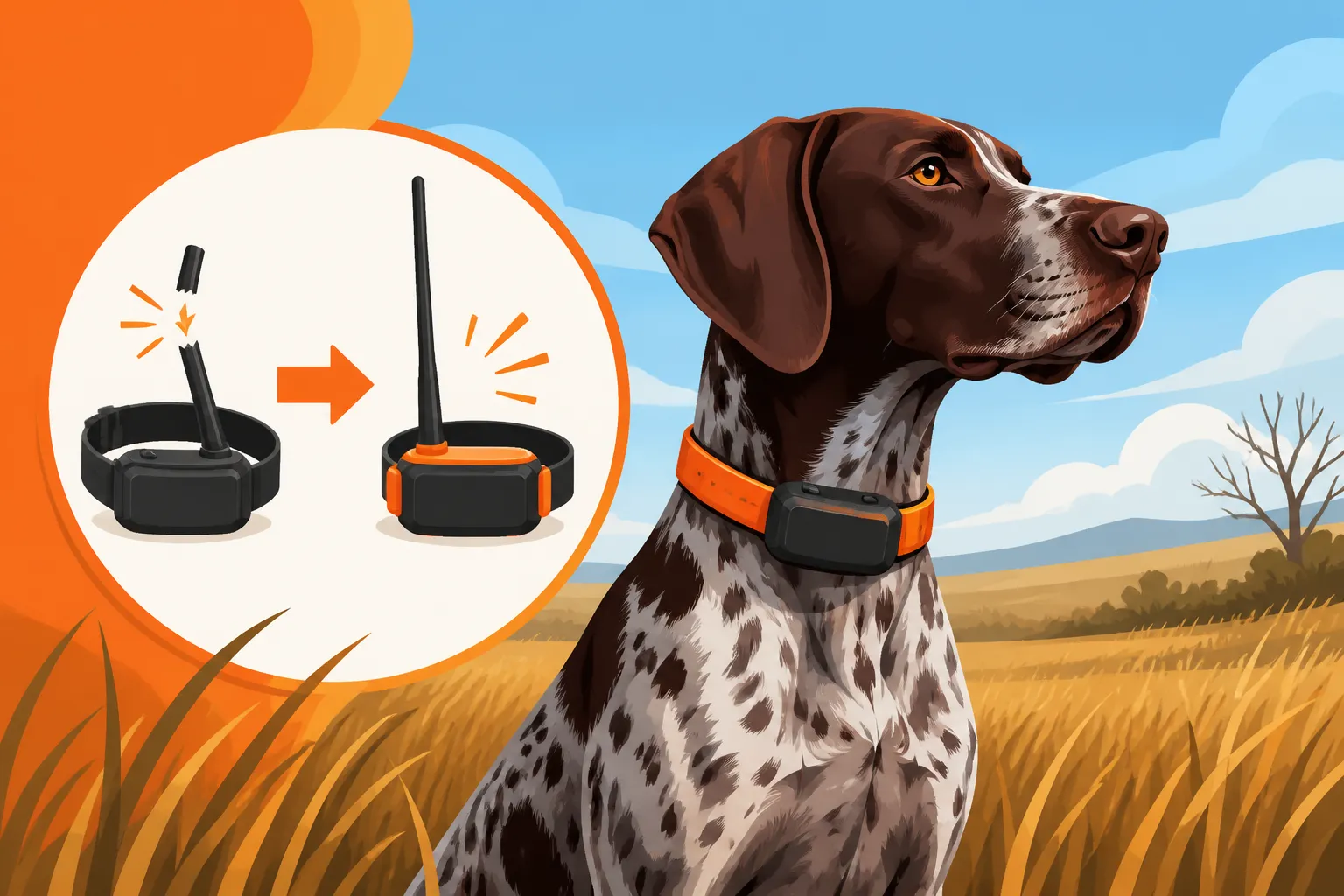
German Shorthaired Pointers are, by their very nature, intensely driven athletes. Their focus in the field is almost singular: find the bird, point the bird, retrieve the bird. This unwavering dedication means they often move with incredible speed and disregard for obstacles. They'll plunge into thick tangles of multiflora rose, barrel through dense cattails, or dive headfirst into icy water for a retrieve, all without a second thought for the expensive gear attached to their neck. A branch can snag a collar, a quick shake can loosen a poorly secured clasp, or the sheer force of their movement can cause equipment failure.
Imagine your Shorthair, "Dakota," locked on point, then exploding into the flush. She pushes through a briar patch that would give a human pause, her muscles bunching and releasing with raw power. In that split second, a thorn bush might catch the antenna or the edge of the receiver, yanking it loose from its strap. Or perhaps your GSP is making a deep water retrieve, shaking vigorously as she emerges from the pond, and the force of the water or the momentum of her head shakes dislodges the receiver from a worn collar. These aren't signs of a faulty dog, but rather a testament to their incredible drive, and a reminder that their equipment needs to be as robust as they are. This relentless drive makes them excellent hunting partners, but it also puts their gear at risk every time they hit the field.
Equipment Failure or User Error?
While it's easy to blame the dog or the terrain, sometimes the fault lies closer to home, either with the equipment itself or how it's maintained. Collar straps, especially those used with heavy-duty receivers and E-Collars Built for a Running German Shorthaired Pointer, can wear down over time. Constant exposure to the elements—mud, water, sun, freezing temperatures—takes its toll on materials, weakening stitching and degrading plastics or leather. A buckle might become brittle, or a rivet might loosen, leading to a catastrophic failure at the most inopportune moment.
On the other hand, simple human oversight can also be a culprit. Did you double-check the collar's clasp before letting your German Shorthaired Pointer out of the truck? Was the strap tightened correctly, or was it left a little too loose, allowing the receiver to slip over the dog's head during a vigorous shake? Sometimes, in the rush and excitement of getting out into the field, we might overlook a small detail that has big consequences. It's a frustrating realization when you retrace your steps and find the collar, only to realize you could have prevented the loss with a quick inspection. Taking a few extra seconds for a Checking a German Shorthaired Pointer Over After a Hunt and before the hunt can save you a lot of headache and expense down the road.
The Financial Hit of a Lost Receiver
Let's be honest, GPS tracking systems for hunting dogs are an investment. They're not cheap, and losing a receiver feels like throwing money into the wilderness. These devices are complex pieces of technology, designed to withstand harsh outdoor conditions, and their price reflects that durability and functionality. When you consider the cost of the entire GPS tracking system, the receiver unit often accounts for a substantial portion of that price.
The immediate pain point is the cost of replacement, but there's also the ripple effect. If you rely on that GPS unit for training or for keeping tabs on your dog's safety during a hunt, being without it can mean missed training opportunities or even having to sit out a hunt. This isn't just about a lost gadget; it's about the disruption to your routine and potentially your dog's progress. For many German Shorthaired Pointer owners, these tools are indispensable for managing their dog's wide-ranging style and ensuring their safety in unfamiliar territory.
The Practicalities of Replacing Your German Shorthaired Pointer's Receiver
Once you've come to terms with the loss, the next step is to figure out how to get a new receiver for your GSP. It's not always as simple as grabbing any receiver off the shelf, so a little planning and research will save you time and frustration.
Identifying Your Specific Receiver Model
The first, and most crucial, step is to accurately identify the specific make and model of your lost receiver. GPS dog tracking systems are often proprietary, meaning a receiver from one brand won't work with a handheld unit from another. Even within the same brand, different models might have unique pairing protocols or frequencies. You'll need to know the brand (e.g., Garmin, SportDOG, Alpha), the specific model number (e.g., T5, TT15, Delta), and possibly even the version number if there have been updates to the line.
Check your existing handheld unit—the model number is usually printed on the back or inside the battery compartment. If you still have the original packaging or manuals, those will also contain the necessary information. It might seem like a minor detail, but ordering the wrong model will lead to frustrating returns and delays. You want to get your German Shorthaired Pointer back in action with its full tracking capabilities as quickly as possible, and that starts with precise identification of the lost component.
Where to Purchase a Replacement Receiver
Once you know exactly what you need, you have a few options for where to buy a replacement receiver. The most straightforward approach is usually to go directly to the manufacturer's website or an authorized dealer. This ensures you're getting a genuine part, often with a warranty, and that it's compatible with your existing system. Many specialized hunting dog supply stores, both brick-and-mortar and online, also carry a range of replacement components.
General online retailers can also be a source. While a broad pet supply site like Chewy might not carry specialized hunting GPS receivers, they are excellent for general dog supplies, and sometimes manufacturers list their products there. Always verify the seller's authenticity and return policy, especially if you're buying from a third-party seller on a larger marketplace. You might also consider checking forums or social media groups dedicated to German Shorthaired Pointers or hunting dogs; sometimes owners upgrade their systems and sell their older, still functional receivers. This can be a more budget-friendly option, but always proceed with caution to ensure you're getting a working, compatible unit.
Compatibility and Setup Considerations
Replacing a receiver isn't usually as simple as just attaching it to a collar. Most modern GPS tracking systems require a pairing process between the new receiver and your existing handheld unit. This typically involves following specific instructions in the user manual to link the two devices. Sometimes it's a simple button sequence, other times it might require software updates or connecting to a computer.
Don't assume it will be an immediate plug-and-play situation. Before your German Shorthaired Pointer heads back into the field, you'll want to test the new receiver thoroughly. Take your dog out for a short walk, confirm the signal is strong and consistent, and ensure all tracking and e-collar functions (if applicable) are working as expected. Familiarize yourself with the pairing process now, so you're not trying to figure it out in the middle of a remote hunting trip. This also gives you a chance to ensure the collar strap is securely fitted and the receiver is snug.
Costs Involved in Receiver Replacement
Let's not sugarcoat it: replacing a lost GPS receiver for your German Shorthaired Pointer can be expensive. These aren't cheap pieces of plastic; they're sophisticated electronic devices designed for extreme use. Understanding the potential financial outlay is important for any responsible dog owner.
Breaking Down the Price Tag
The cost of a replacement receiver can vary significantly based on the brand, model, and the features it includes (e.g., GPS tracking only vs. GPS plus e-collar functionality). Generally, you can expect these units to represent a substantial investment, often hundreds of dollars, sometimes approaching the cost of a brand-new, complete system if you catch a sale. The technology, durability, and specialized nature of these devices mean they don't come cheap.
While it's impossible to give exact figures here, understand that this is not a small, disposable expense. You are buying a precision instrument that helps you keep your beloved GSP safe and effective in the field. Comparing prices from various authorized retailers and the manufacturer directly is always a good idea. Sometimes, you might find a slightly older model at a reduced price if it's still compatible with your handheld unit, which can offer some relief to your wallet.
The Unexpected Benefit of Pet Insurance
When we think of pet insurance, we typically think of vet bills for illnesses and injuries. And indeed, policies from providers like Healthy Paws are invaluable for covering significant medical expenses like The Bloat Risk a Shorthair Carries Into Every Season or Torn Cruciates in a Field Bred German Shorthaired Pointer. However, what about lost or damaged equipment? This is a bit of a grey area, and coverage is rare for simply "lost" items.
Most pet insurance policies are designed to cover veterinary care resulting from accidents or illnesses. A lost receiver, by itself, is generally not covered. However, if the receiver was damaged as part of an accident that also injured your dog, or if the loss occurred in a situation that necessitated significant veterinary care (e.g., your dog crashed through something, got hurt, and the receiver was lost in the process), there might be a slim chance of some related coverage, or at least the vet bills from the associated incident would be covered. It's crucial to read your specific policy's terms and conditions very carefully and not assume coverage for lost gear. It's more realistic to expect pet insurance to protect your GSP's health than its accessories.
Budgeting for the Unforeseen
Given the high cost of replacement receivers and the unlikelihood of insurance coverage, it's wise for German Shorthaired Pointer owners to factor equipment replacement into their overall The First Year Bills on a German Shorthaired Pointer and ongoing expenses. Think of it as an emergency fund specifically for your dog's gear. Accidents happen, and gear gets lost or broken, especially when you have a dynamic, hard-running GSP.
Setting aside a small amount each month, or having a dedicated savings account for such contingencies, can soften the blow when a receiver inevitably goes missing. This proactive approach means you won't be caught off guard and can replace the vital equipment quickly, minimizing downtime for you and your hunting partner. Just as you budget for premium dog food or training sessions, consider the long-term investment in keeping your German Shorthaired Pointer safe and well-equipped in the field.
Preventing Future Receiver Losses
Losing a receiver once is usually enough to teach a valuable lesson. Taking proactive steps can significantly reduce the chances of a repeat occurrence, saving you money, time, and a whole lot of stress.
Regular Gear Checks and Maintenance
This might sound simple, but it's arguably the most effective preventative measure. Before every single outing with your German Shorthaired Pointer, take a few moments to thoroughly inspect their collar and receiver. Look for frayed straps, loose stitching, cracked plastic, or a weak clasp. Ensure the receiver is securely attached to the collar and that the collar itself fits snugly but comfortably around your dog's neck. A collar that's too loose can easily slip off, especially during intense activity or when shaking water off.
Think of it like checking your tires before a long road trip; it's a small effort that can prevent a major headache. Pay particular attention to the areas where the receiver connects to the strap, as these are common points of failure. Regularly cleaning any mud or debris from the receiver and its connection points can also help prevent wear and tear. This routine inspection becomes second nature over time, a vital habit for any German Shorthaired Pointer owner who wants to avoid another lost receiver scenario.
Investing in Durable Collar Systems
Sometimes, the original collar strap that comes with a GPS receiver might not be robust enough for the demands of a hard-charging German Shorthaired Pointer. Consider upgrading to heavy-duty, reinforced collar straps. Many aftermarket options are available from specialized vendors, made from tougher materials like biothane or thicker nylon, often with stronger buckles and keepers. These might be a bit more expensive upfront, but they are a worthwhile investment in the long run.
Some systems offer double-clasp mechanisms or additional security loops, which provide an extra layer of protection against accidental detachment. While your GSP's enthusiasm can sometimes be unstoppable, reinforcing their Collars, Boxes and Vests a Shorthair Owner Buys is a practical step. If you're consistently losing receivers due to strap failure, it's a clear sign that the current setup isn't up to the task of How Long a Working German Shorthaired Pointer Stays Sound in the field. You'll thank yourself for the peace of mind knowing your valuable equipment is less likely to come off during a rigorous hunt.
Alternative Tracking Methods and Best Practices
While a GPS receiver is your primary tool for tracking, having backup measures and adhering to best practices can offer additional security. Ensure your German Shorthaired Pointer is microchipped and that your contact information is always up to date with the microchip registry. While a microchip won't help you find a lost receiver, it's critical for identifying your dog if they somehow lose their collar and wander off.
Additionally, always engrave your phone number and your dog's name on a separate ID tag attached to the collar. If the GPS fails or the receiver is lost, a good Samaritan might still be able to contact you. Consider a bright, blaze orange collar or a reflective one, even if it's just a backup, to improve visibility if your dog does become separated from you in dense cover or low light. Finally, consistent recall training is paramount. A well-trained German Shorthaired Pointer with a reliable "come" command, even at range, is your ultimate safety net, regardless of whether their expensive electronics are working or not. Your bond and training are the most valuable assets you have in the field, more so than any piece of gear.
Cost Considerations for Receiver Replacement
Navigating the costs of replacing a lost receiver can be complex. Here’s a summary of key financial considerations to help you prepare.
| Cost Factor | Description | General Impact on Budget |
|---|---|---|
| New Receiver Purchase | Direct cost of a brand-new, compatible receiver from the manufacturer or authorized dealer. | Significant; often hundreds of dollars. |
| Shipping & Handling | Charges for delivery of the replacement unit, especially if ordering online. | Minor to moderate, depending on speed and distance. |
| Expedited Shipping | If you need the receiver quickly for an upcoming hunt or training session. | Can add substantially to overall cost. |
| Upgraded Collar Strap | Investing in a more durable, heavy-duty collar strap to prevent future losses. | Moderate upfront cost, potential long-term savings. |
| Backup ID Tag/Microchip Update | Ensuring your dog has proper identification beyond the receiver itself. | Minimal; often a small fee or free update. |
| Pet Insurance Deductible (if applicable) | If an accident caused damage to the receiver (and is covered), you'd still pay your policy's deductible. | Varies widely by policy; often hundreds of dollars. |
| Downtime Costs | Lost opportunity for training, missed hunting days, or the need to hire a trainer if you rely on the device for specific exercises. | Indirect, but can be significant depending on your activities. |
| Emergency Fund Allocation | Proactive savings for unexpected gear replacement. | Consistent small contribution, cushions against large expenses. |
Remember, while the immediate cost of a new receiver might sting, it's a necessary expenditure to maintain the safety and training effectiveness of your beloved German Shorthaired Pointer.
Disclaimer
This article is for general informational purposes only and does not constitute professional advice. Laws, prices and regulations vary by location and change over time. Consult a qualified professional for guidance on your specific situation.