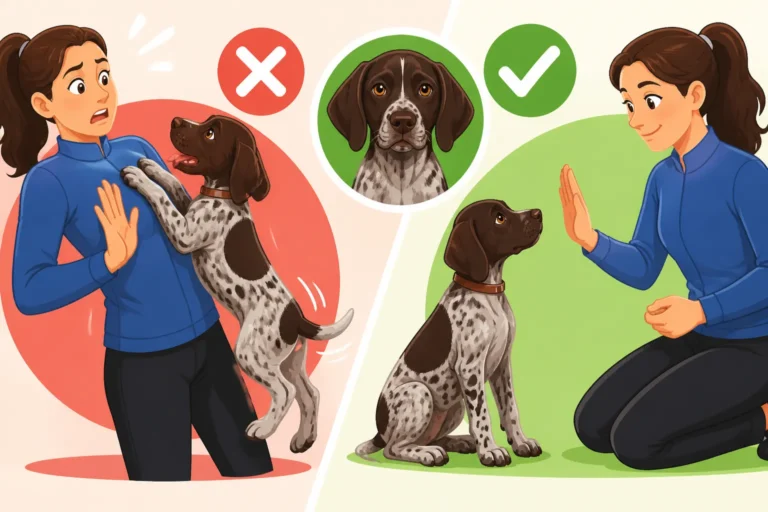
The Velcro Side of a German Shorthaired Pointer
If you've ever owned a German Shorthaired Pointer, you know that the term "Velcro dog" wasn't coined for just any breed – it was practically invented for them. They're often glued to your side, a shadow following your every move, and while this devotion is incredibly endearing, it can sometimes present unique challenges for owners simply trying to walk to the bathroom or make a cup of coffee. This guide is here to help you understand why your GSP is so attached, how to embrace their incredible loyalty, and how to gently guide that attachment into a healthy, balanced relationship for both of you.
Understanding the German Shorthaired Pointer's Need for Closeness
There's a reason your German Shorthaired Pointer seems to believe their main job in life is to be within three feet of you at all times. It’s not just a quirk; it's deeply ingrained in their history and their very being. They weren't bred to be aloof kennel dogs, but rather integral members of a hunting team, working closely with their human partners.
Breed History and Purpose
Think about the origins of the German Shorthaired Pointer. They weren't created as a specialized retriever or a pointing dog that works miles out. Instead, they were meticulously developed in Germany to be "versatile" hunting dogs – companions who could point, retrieve, and even track both fur and feather, all while maintaining a close connection to their handler. This meant they needed to be intelligent, eager to please, and highly attuned to human direction. This close working relationship cultivated generations of dogs that thrive on interaction and partnership. They weren't just tools; they were teammates. This history hardwired a strong desire for companionship and partnership into their DNA, making them inherently people-oriented dogs.
The concept of a close working partner, always aware of their handler's position and commands, is central to the breed's purpose. This means they learned to observe, anticipate, and respond to human cues in the field. When you bring that dog into a home environment, those same instincts kick in. They still want to be your partner, still want to know where you are, and still want to participate in whatever you're doing. It’s not clinginess to them; it’s fulfilling their deepest-seated purpose: to be with you and work with you.
Innate Personality Traits
Beyond their historical purpose, German Shorthaired Pointers possess a distinct set of personality traits that contribute to their "Velcro" nature. They are known for being incredibly loyal, affectionate, and deeply devoted to their families. A GSP isn't typically satisfied with just existing in the same house; they want to be actively involved in your life. This often manifests as them following you from room to room, settling at your feet, or leaning against you while you work or relax. They genuinely crave connection and physical touch.
This desire for connection stems from a place of genuine affection. They are often described as having a joyful, outgoing disposition, and that joy is amplified when they are with their people. They’ll greet you with an exuberant tail wag, happy yips, and a lean that almost knocks you over, just because you stepped out of the room for two minutes. This isn't desperation; it's pure, unadulterated love and a strong social drive. They aren't content being alone for long stretches, and their expressive eyes will often convey their deep desire to be included in whatever you're doing, even if it's just folding laundry.
Why GSPs Become "Velcro Dogs"
While the breed’s heritage certainly plays a huge role, there are several other factors that contribute to a German Shorthaired Pointer’s intense attachment to their human family. Understanding these can help you better manage and channel their need for closeness into healthy behaviors.
Instinctive Pack Mentality
At their core, GSPs retain a strong pack mentality. In the wild, being part of a pack means safety, security, and cooperation. For your German Shorthaired Pointer, you and your family are their pack. They instinctively want to be close to their pack leaders and members to feel secure and connected. This is why they might choose to sleep right next to your bed, or even in it, rather than in a distant room. They're seeking the comfort and reassurance that comes from being part of the group.
This inherent desire for inclusion means they often want to be aware of where every "pack member" is at all times. If you leave the room, their instinct kicks in to follow and maintain that cohesion. It’s not necessarily a sign of insecurity in all cases, but rather a reflection of their deep social bonds. They thrive on routine and predictability within their pack, and being able to see and feel your presence contributes greatly to their overall sense of well-being. This powerful drive can be both heartwarming and, at times, a bit overwhelming.
Reinforcement of Attention-Seeking Behaviors
Sometimes, without even realizing it, we inadvertently reinforce our GSP's "Velcro" tendencies. Every time your dog nudges your hand for a pet and you give it, or follows you to the kitchen and gets a treat, they learn that proximity to you yields positive results. This isn't to say you shouldn't give your dog affection or treats, but understanding how quickly GSPs pick up on patterns is key. If they learn that following you always leads to some form of interaction, even just a glance or a word, they'll keep doing it.
Consider those moments when you're busy and your GSP is right underfoot. If you consistently push them away or reprimand them, it can still be a form of attention for them – even negative attention can be better than none at all. Instead, try rewarding them for being calmly near you, or even better, for settling in a designated spot away from your immediate area. This shifts the focus from constant following to independent relaxation. It’s a subtle but powerful change in how you interact, and GSPs are smart enough to catch on.
Lack of Sufficient Exercise or Mental Stimulation
A German Shorthaired Pointer that isn't getting enough physical exercise or mental engagement is a recipe for a clingy, restless dog. These dogs were bred for endurance and intelligence; they need outlets for both. If their physical and mental tanks aren't sufficiently drained, that excess energy and brain power often get redirected into attention-seeking behaviors, including shadowing your every move. A bored GSP is rarely a calm, independent GSP.
Imagine a highly athletic human being stuck in a small room all day with nothing to do. They'd likely become antsy, perhaps a little demanding, seeking any form of interaction or stimulation. It's the same for your GSP. A couple of short walks around the block simply won't cut it. They need vigorous activity, like running, swimming, or long hikes, and they need mental challenges such as puzzle toys, training sessions, or scent work. When they are physically tired and mentally satisfied, they are far more likely to settle down and tolerate some alone time without feeling the desperate need to be right on top of you. Read more about The Two Hours a Day a German Shorthaired Pointer Needs to understand their exercise demands. This kind of intense exercise is not just good for their bodies, but absolutely crucial for their mental state and behavior within the home.
Living with a Highly Attached German Shorthaired Pointer
Embracing the "Velcro" nature of your GSP can be a truly enriching experience, but it also comes with its own set of daily realities. Understanding both the joys and the challenges will help you navigate life with your devoted companion.
The Joys of a Devoted Companion
Let’s be honest, there’s something incredibly heartwarming about having a dog that adores you so completely. A German Shorthaired Pointer’s devotion means you’ll never feel truly alone. They’re always there, offering a comforting presence, a soft head on your lap, or an insistent nudge for a pet. This unwavering loyalty can be a huge source of emotional support and unconditional love. They are keen observers of your mood, often sensing when you need a little extra comfort and providing it without a second thought.
This constant companionship also translates into a highly responsive and trainable dog. Because they are so focused on their people, GSPs are often eager to please and quick to learn, especially when they feel like they are working with you. This bond strengthens their desire to understand and obey your commands, making training a cooperative and rewarding experience. Whether you’re teaching a new trick or refining field commands, their attention is usually fixed squarely on you. This makes them exceptional partners in various dog sports and activities.
Everyday Challenges
While the devotion is wonderful, it’s not without its practical challenges. Simple daily tasks can become an obstacle course. Picture trying to cook dinner with a sixty-pound dog weaving between your legs, or attempting to take a shower only to find a sad pair of eyes staring at you through the bathroom door. Personal space, particularly in smaller homes, can become a luxury. This constant shadowing can lead to tripping hazards, especially for children or older family members.
Beyond the physical presence, the mental demand can also be draining. Feeling constantly watched or needed can be a heavy burden. If you're someone who values quiet solitude, a GSP's persistent need for interaction might test your patience. Furthermore, if not managed properly, this intense attachment can quickly escalate into separation anxiety when you do leave, leading to destructive behaviors, excessive barking, or house-soiling. It’s a fine line between loving companionship and unhealthy dependency. You can often see What an Under Exercised Shorthair Does to a House when they're left alone and feel this attachment acutely.
Impact on Daily Routines
The "Velcro" nature of a GSP can significantly impact your daily routines. For those who work from home, it might mean constantly redirecting a nudging nose from your keyboard or trying to conduct a virtual meeting with a whine from beneath your desk. Going out, even for short errands, can become a production if your dog struggles with being left alone. The emotional toll on both you and your dog can be substantial if they don't learn healthy coping mechanisms for your absence.
Travel, whether for vacation or even a simple overnight stay, requires careful planning. You'll need to consider boarding options, pet sitters who understand their unique needs, or dog-friendly accommodations, as leaving them alone for extended periods can be difficult. This also applies to sudden changes in your schedule; GSPs thrive on routine, and disruptions can exacerbate their clingy tendencies. It's crucial to acknowledge this impact and build strategies into your life that support both your needs and your GSP's well-being.
Preventing Over-Attachment and Separation Anxiety
Building a healthy, balanced relationship with your GSP means fostering independence from puppyhood. While their devotion is cherished, preventing an unhealthy over-attachment is vital for their mental health and your peace of mind.
Early Socialization and Independence Training
From the moment you bring your German Shorthaired Pointer puppy home, focus on balanced socialization and independence training. This means exposing them to a variety of people, places, sounds, and other friendly dogs in a positive way. A well-socialized puppy grows into a confident adult who isn't solely reliant on one person for security. It helps them understand the world isn't scary when you're not right there. How Long House Training Takes on a Shorthair Puppy is a good time to also start thinking about these broader behavioral lessons.
Beyond exposure, actively teach your puppy to be comfortable alone, even for very short periods. Start with just a few minutes in a designated safe space like a crate, gradually increasing the time. Give them a high-value chew toy or a puzzle feeder when you leave, making alone time a positive experience. Avoid overly dramatic goodbyes or hellos, as this can heighten their anxiety about your departure and return. The goal is to make your coming and going a normal, low-key event.
Establishing Clear Boundaries
Setting clear boundaries is essential for any dog, but especially for an affectionate breed like the GSP. Decide where your dog is allowed and not allowed in the house. Perhaps they're not permitted in the kitchen while you cook, or on the furniture without an invitation. Consistently enforce these rules. This isn't about being mean; it's about teaching them that your space is also your space, and that they don't always need to be physically attached to you.
Use cues like "place" or "bed" to send them to a designated spot when you need a moment. Reward them heavily for staying there calmly. This helps them understand that they can be near you without being on you, and that they can be rewarded for relaxing independently. These boundaries provide structure and predictability, which actually helps reduce anxiety, as the dog understands what is expected of them in different situations. It allows them to relax knowing their role.
Crate Training and Alone Time
Crate training is an invaluable tool for German Shorthaired Pointers, especially for those prone to being "Velcro dogs." A properly introduced crate becomes their den – a safe, comfortable, and quiet space where they can relax and feel secure, even when you're not right there. This space is crucial for teaching them how to cope with being separated from you, and for preventing destructive behaviors when left unsupervised. Crating a Shorthair That Has Energy to Burn is a critical skill for their well-being.
Once they're comfortable in their crate, build up alone time gradually. Start by leaving the house for just a few minutes, then five, then ten, always returning before they become distressed. As they show comfort, slowly extend the duration. Provide stimulating toys, like a Kong filled with frozen peanut butter, to keep them occupied. Avoid making a big fuss when you leave or return. The goal is to normalize your absence and empower your GSP to feel secure and content on their own. This foundation is crucial for preventing more severe separation anxiety down the line.
Managing a German Shorthaired Pointer's Need for Proximity
Once you understand why your GSP is so attached, you can implement strategies to manage their need for closeness in a way that benefits everyone. It’s all about balance: acknowledging their affectionate nature while nurturing their ability to be confident, independent dogs.
Consistent Exercise and Mental Engagement
This cannot be stressed enough for a German Shorthaired Pointer: a tired dog is a good dog, and a mentally stimulated dog is a calm dog. Consistent, vigorous exercise is the bedrock of managing a GSP’s energy and propensity for clinginess. They need far more than a leisurely walk. Think long runs, intense games of fetch, swimming, or hiking. Aim for at least 60-90 minutes of high-intensity activity daily, broken into sessions. This physical outlet prevents them from channeling pent-up energy into attention-seeking behaviors.
Beyond physical exertion, mental engagement is equally important. These are intelligent dogs who need to use their brains. Incorporate daily training sessions, even short 10-15 minute bursts, working on new commands or refining old ones. Puzzle feeders, snuffle mats, and scent games like hide-and-seek with treats can provide excellent mental stimulation. A dog whose mind is engaged is less likely to obsess over your every move. Check out Puzzle Feeders and Scent Games for a Shorthair for ideas on how to keep their minds sharp and engaged.
Structured Alone Time Routines
Establishing a predictable routine around your departures and arrivals can significantly reduce anxiety for your "Velcro" GSP. Dogs thrive on routine, and knowing what to expect helps them cope. Before you leave, make sure your GSP has had plenty of exercise and a potty break. Give them a special, high-value chew toy or treat that they only get when you're leaving, such as a Kong stuffed with something delicious that takes a while to finish. This creates a positive association with your departure.
When you prepare to leave, keep your actions calm and deliberate. Avoid fussing over them or saying prolonged goodbyes. Simply put them in their designated safe space (like their crate), provide their special treat, and leave. When you return, wait until they are calm before greeting them. Don't rush over with enthusiastic hugs and kisses immediately. This teaches them that your absence is not a big deal and your return is simply part of the normal rhythm of their day. Over time, this consistent routine helps them understand that you always come back, reducing the intensity of their "Velcro" tendencies. Learning The Hours a Shorthair Tolerates an Empty House is key for both of you.
Utilizing Tools and Resources
There are many tools and resources available to help manage a GSP's need for proximity and to alleviate separation anxiety. A well-constructed, comfortable crate is foundational, providing a secure "den" for your dog when you're away or busy. For dogs prone to destruction or noise, heavy-duty crates might be necessary. Pet cameras are also incredibly useful, allowing you to monitor your dog's behavior while you're out and providing insights into their anxiety levels. Many cameras offer two-way audio, so you can speak to your dog or dispense treats remotely. You can find a wide range of these on Amazon.
For owners looking for structured training help, programs like BAXTER & Bella offer online puppy and dog training courses that emphasize positive reinforcement and building independence. Their step-by-step guidance can be incredibly helpful for addressing specific behavioral challenges related to over-attachment. Additionally, high-quality, long-lasting chew toys and interactive puzzle feeders are essential for keeping their minds occupied when you can't actively engage with them. Don't underestimate the power of a good distraction! If problems persist or worsen, consulting with a certified professional dog trainer or veterinary behaviorist is always a wise step.
The Benefits of the German Shorthaired Pointer's Devotion
While their "Velcro" tendencies can sometimes be a handful, the unwavering devotion of a German Shorthaired Pointer brings a multitude of wonderful benefits into your life. These are dogs that live to love and please their people.
Unwavering Loyalty and Companionship
One of the most remarkable aspects of a German Shorthaired Pointer is their absolute, unwavering loyalty. When a GSP bonds with you, they commit completely. This translates into an incredible sense of companionship; they are truly your ride-or-die partner. Whether you’re on a grand adventure in the field or simply curled up on the couch, their presence is a constant, comforting reminder that you have a devoted friend by your side. They offer boundless affection, often leaning into you, resting their head on your lap, or nudging your hand for a reassuring pat.
This deep loyalty also means they often form strong bonds with all members of the family, extending their affection freely. They become an integral part of the household, a living, breathing testament to unconditional love. Their dedication can be a source of immense joy and emotional support, particularly during challenging times. Knowing you have such a faithful companion who always wants to be near you can truly enrich your life in countless ways, making every day a little brighter.
Excellent Family Dogs
Despite their high energy and hunting drive, German Shorthaired Pointers are often described as excellent family dogs due to their loving and patient nature. Their inherent desire to be part of the "pack" extends to children, often making them gentle and tolerant companions for younger family members. They thrive on interaction and can be wonderful playmates, always up for a game of fetch in the yard or a supervised romp. A German Shorthaired Pointer With Children and Cats can be a great addition to the family if proper introductions and training are in place.
However, it's important to remember that their energy needs to be met to ensure they are calm and well-behaved around kids. A well-exercised GSP is much more likely to exhibit patience and gentleness. Early socialization and teaching children how to interact respectfully with dogs are crucial. When their needs are met, GSPs typically integrate seamlessly into family life, offering endless entertainment, affection, and a playful spirit that keeps everyone smiling. They love being involved in family activities, whether it's a backyard barbecue or a trip to the park.
Training Receptiveness
The "Velcro" nature of the German Shorthaired Pointer directly contributes to their high training receptiveness. Because they are so eager to please their human companions and thrive on partnership, they are incredibly motivated to learn and follow directions. Their attentiveness to you in daily life translates directly into focus during training sessions. They want to know what you want from them, and they are quick to figure it out, especially when positive reinforcement is used.
This makes them not only fantastic hunting partners but also excellent candidates for various dog sports like agility, obedience, and even advanced tracking. Their natural intelligence combined with their strong desire to work with you means they pick up new skills rapidly. This willingness to learn and their joy in cooperative tasks can make training an incredibly rewarding experience, deepening the bond between you and your GSP. They excel when they feel like they are contributing and earning your approval.
When the Velcro Becomes Too Much: Recognizing Problems
While a GSP's devotion is charming, there's a point where their need for proximity can tip into an unhealthy attachment, often manifesting as separation anxiety. Recognizing these signs early is crucial for intervention and ensuring your dog's well-being.
Signs of Separation Anxiety
True separation anxiety in a German Shorthaired Pointer goes beyond mere clinginess or a sad look when you leave. It's a distress response that occurs specifically when they are left alone or separated from their primary attachment figure. Common signs include destructive chewing or scratching at doors and windows, often leading to damage to the house or self-injury. Excessive barking, howling, or whining that starts shortly after you leave and continues for extended periods is another clear indicator.
Other symptoms can include inappropriate urination or defecation, even in a previously house-trained dog, which is not due to a lack of bladder control but extreme stress. Some dogs may pace excessively, salivate or drool more than usual, or engage in self-mutilation, like compulsive licking or chewing at their paws. If you come home to a dog frantic with excitement, rather than calmly happy, that can also be a sign of the stress they endured in your absence. These behaviors are not acts of defiance; they are genuine panic responses. You can get a clearer picture of this distinction by understanding Signs a Shorthair Is Panicking Rather Than Bored.
Seeking Professional Help
If you suspect your German Shorthaired Pointer is suffering from separation anxiety, it's vital to seek professional help. This is not a behavior that typically resolves on its own, and it can be incredibly distressing for both you and your dog. Start by consulting your veterinarian. They can rule out any underlying medical conditions that might be contributing to the symptoms, such as urinary tract infections or dental pain that could be exacerbated by stress. Your vet might also discuss medication options as a short-term aid to help reduce anxiety while behavioral modification techniques are implemented.
For behavioral guidance, seek out a certified professional dog trainer or a veterinary behaviorist who specializes in separation anxiety. These experts can help you develop a comprehensive behavior modification plan tailored to your dog's specific needs. They often use techniques like desensitization (gradually increasing alone time in tiny increments) and counter-conditioning (creating positive associations with your departure). This process requires patience and consistency, but with the right guidance, many GSPs can learn to cope more comfortably with being alone.
Holistic Approach to Anxiety Management
Addressing separation anxiety in a German Shorthaired Pointer often requires a holistic approach that tackles multiple aspects of their life. This means ensuring all their needs are met, not just focusing on the moments of separation. First and foremost, consistent, high-quality exercise and mental stimulation are non-negotiable. A physically and mentally fatigued dog is better equipped to handle alone time. Make sure their diet is balanced and consistent, as digestive upset can contribute to overall stress.
Beyond exercise and mental games, create a calm and predictable home environment. Use white noise machines, classical music, or dog-specific relaxation tracks to mask outside noises that might trigger anxiety. Consider using calming diffusers or sprays that release synthetic dog appeasing pheromones. Ensure they have a comfortable, safe "den" (like their crate) where they feel secure. Finally, consistency from all family members in following the behavior modification plan is paramount. Everyone needs to be on the same page regarding departures, arrivals, and how the dog's alone time is managed. A multi-faceted approach offers the best chance for your GSP to overcome their anxiety and truly thrive.
| Aspect | Normal GSP "Velcro" Behavior | Signs of Separation Anxiety |
|---|---|---|
| Following | Follows calmly from room to room, settles near you, then relaxes. | Panics when you prepare to leave, attempts to block you, distressed. |
| Being Left Alone | May sigh or look sad, but settles down within minutes; no damage. | Destructive chewing, scratching at exits, self-harm. |
| Vocalization | Occasional whine or bark for attention, but stops when ignored. | Constant barking, howling, crying from the moment you leave. |
| House Soiling | Only happens if left too long or due to illness; not routine. | Urination/defecation occurs consistently and soon after you leave. |
| Greeting | Happy, excited greeting, then settles quickly. | Frantic, uncontrollable excitement, prolonged jumping or whining. |
| Independence | Can relax in a different room or yard for periods; enjoys toys. | Cannot settle without human presence; uninterested in toys when alone. |
| Triggers | Desires attention regardless of context. | Distress specifically tied to being alone/separated from specific people. |
Disclaimer
This article is for general informational purposes only and does not constitute professional advice. Laws, prices and regulations vary by location and change over time. Consult a qualified professional for guidance on your specific situation.