The First Live Bird for a German Shorthaired Pointer
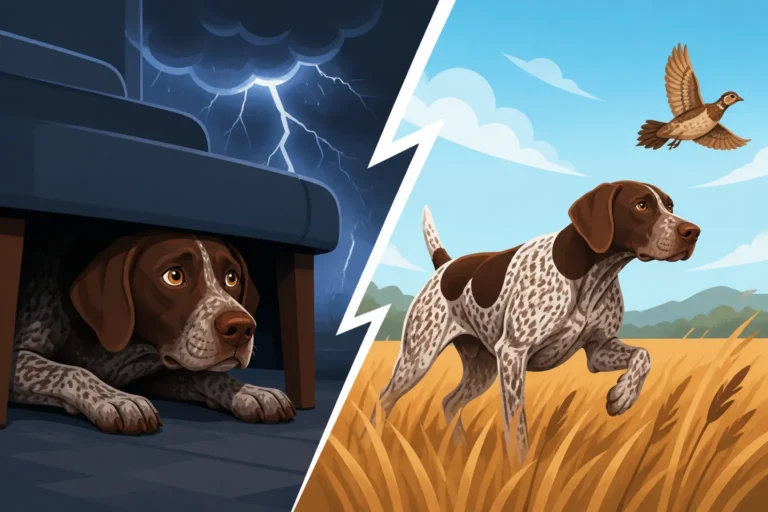
Bringing your German Shorthaired Pointer to its first live bird is a monumental step, often filled with both immense excitement and a touch of anxiety. You've dreamed of this moment, envisioning that classic, staunch point, but the reality can feel daunting. Will they know what to do? Will they chase? Will they be gun shy? This guide is here to walk you through that thrilling, sometimes messy, but always rewarding first introduction, helping you set your Shorthair up for a lifetime of successful bird work.
Setting the Stage: Essential Pre-Bird Training
Before you ever introduce a live bird, you need to ensure your German Shorthaired Pointer has a solid foundation. Skipping these critical steps is like trying to build a house without a proper foundation – it might stand for a bit, but it won’t hold up when the wind blows, or in this case, when a bird flushes! The frantic excitement of a live bird can erase all prior training if the basics aren't rock-solid.
Solidifying Basic Obedience and Whoa
This isn't about fancy tricks; it's about control and communication when instinct takes over. Your Shorthair needs to understand and reliably perform basic obedience commands like "sit," "stay," and, crucially, a solid "recall." Imagine your dog locked on point, then the bird flushes, and your dog gives chase into a busy road or unknown territory. A reliable recall isn't just a convenience; it's a safety net. Work on these commands in increasingly distracting environments, ensuring your dog will listen even when its nose is to the ground, or it's focused on something exciting.
Then there's "whoa." For a German Shorthaired Pointer, "whoa" is the cornerstone of all bird work. It's the command that asks your dog to freeze in place, regardless of what's happening around them. A dog that truly understands "whoa" will hold its point even as the bird flushes, waiting for your command. Many trainers start building whoa on a barrel or table, isolating the concept of standing still, then move to a check cord in an open field. The goal is for your dog to stop and stand absolutely still upon hearing "whoa," even if a bird is running or flushing right in front of them. This control allows you to manage the situation, ensure your dog doesn't bump birds, and prevent them from developing bad habits early on. Patience here pays dividends for years to come. Remember, a dog that consistently breaks point and chases the flush will quickly learn to bump birds, making it much harder to train them later. Building Whoa on a Shorthair With a Check Cord can be a great place to start reinforcing this vital command.
Developing Prey Drive and Scent Recognition
While German Shorthaired Pointers are inherently bred with strong prey drive, it's still something you can channel and develop positively before introducing live birds. Don't assume your pup will just "know" what to do. Many new owners worry about their dog being "soft" or not showing enough drive, but often, it's just a matter of proper exposure and encouragement. Start with dead birds, bird wings, or scented dummies. Drag a pigeon wing across the yard and let your puppy follow the scent. Hide it and encourage them to find it. This builds their nose work and gets them excited about bird scent without the overwhelming stimulus of a live, flushing bird.
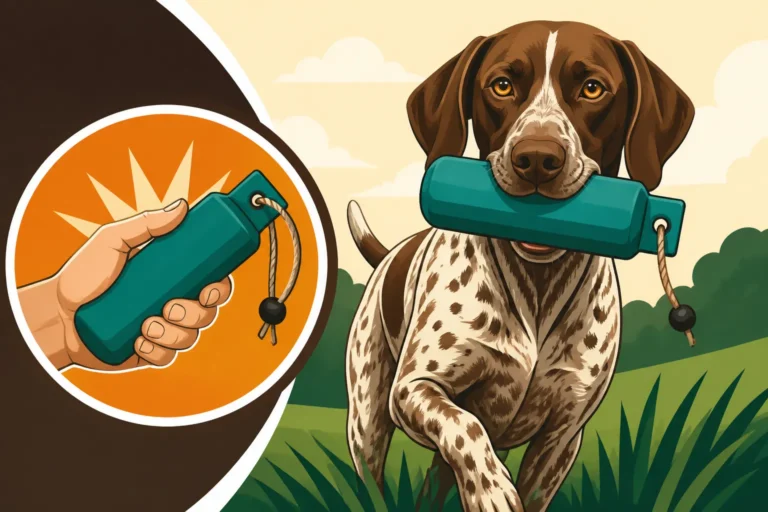
Introduce these items gently. Let your puppy mouth them, carry them, and explore them. Play fetch with soft bumpers or dummies that might be scented with bird training scents (easily found on Amazon). The key here is to build positive associations with birds and bird-like objects. Watch for signs of possessiveness or hard mouthing with dead birds, as you’ll want to address those early on if they appear, long before a live bird is introduced. You want enthusiasm, not aggression or destruction. Many owners find success using dried bird wings attached to a string for a puppy's first introduction to a "bird" in motion, allowing them to chase and pounce, but without the unpredictability of actual flight. This helps them understand the game before the stakes get higher. Wing on a String for a Shorthair Puppy is a fantastic resource for this stage.
Selecting the Perfect First Bird
The type of bird you choose for your Shorthair's initial introduction can make a huge difference in their confidence and how quickly they grasp the concept of pointing and holding. Not all birds are created equal in the training world, and picking the wrong one can lead to frustration for both you and your dog.
Understanding Bird Temperament and Flight
For a first-time introduction, you want a bird that isn't too fast or too aggressive. The goal is to set your dog up for success, allowing them to experience the thrill of the hunt without being overwhelmed or discouraged.
- Pigeons: These are often the gold standard for a Shorthair's first live bird. They are relatively slow to flush, fly in a predictable straight line, and are easy for a dog to track visually. Their scent is also strong, which helps engage the dog's nose. They aren't prone to running on the ground excessively before flushing, which can frustrate a young dog.
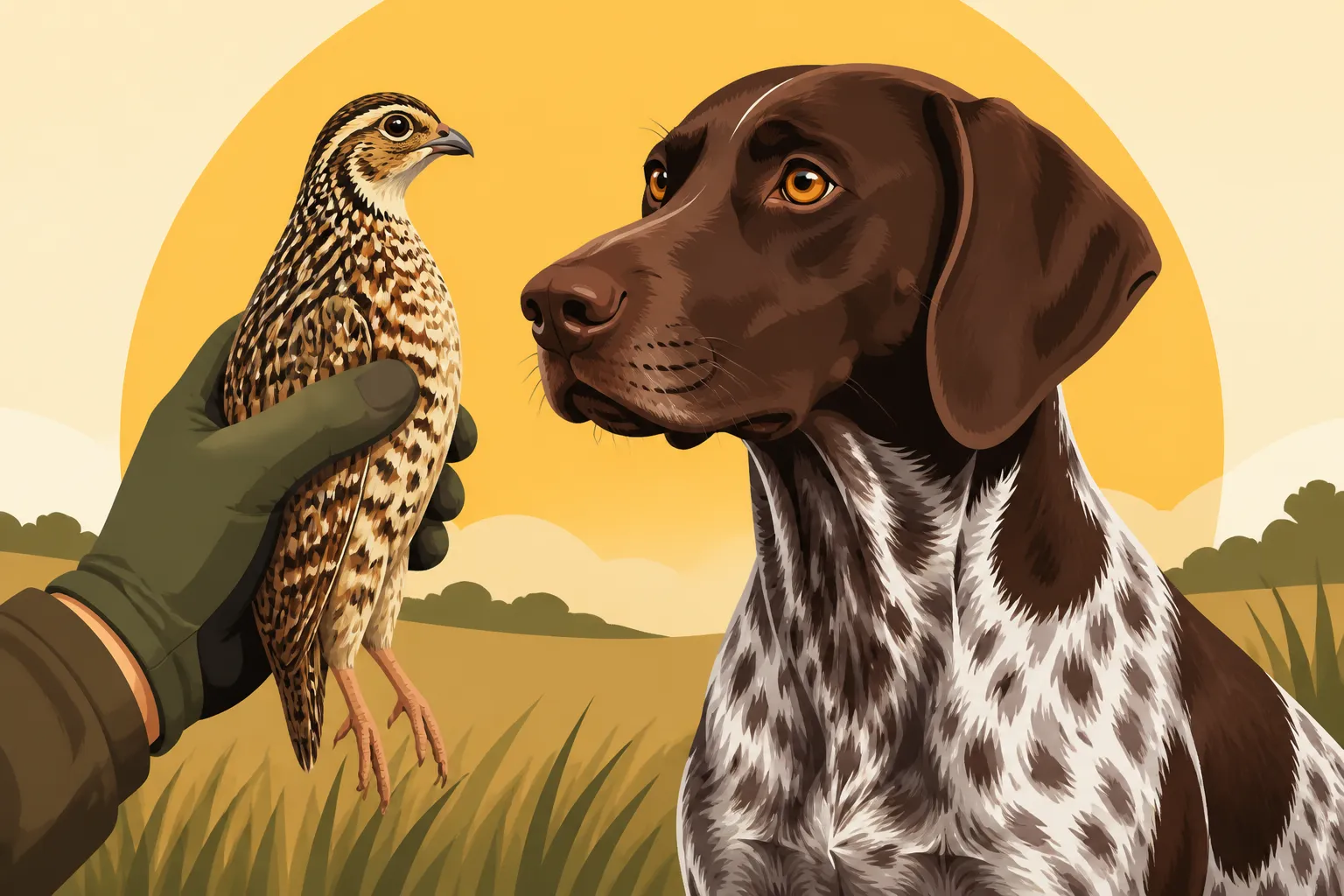
- Quail: Smaller and quicker than pigeons, quail can be a good second step, but for the very first introduction, they might be a bit too zippy for some pups. They tend to hold tight in cover, making them excellent for developing a staunch point, but their explosive flush can sometimes startle a sensitive young dog or encourage chasing if the "whoa" isn't fully ingrained.
- Chukar: These are larger, faster, and much more prone to running on the ground before flushing. While fantastic for more advanced training and experienced dogs, they are generally not recommended for a Shorthair's very first bird. A young dog might get frustrated trying to pin down a running chukar and could develop the habit of bumping birds to try and make them fly.
The bird's flight pattern and tendency to run versus hold are crucial considerations. You want a bird that will present a clear, attainable challenge, allowing your dog to understand the sequence: scent, find, point, flush. A bird that immediately rockets off or runs for hundreds of yards without flying can inadvertently teach your dog that its efforts are futile or that it needs to force the flush.
Sourcing Healthy, Flight-Ready Birds
The quality of your training birds directly impacts the quality of your training. You can't expect good results from unhealthy or weak birds. Look for reputable local bird breeders or game farms that specialize in birds for dog training. Hunting clubs and field trial organizations are also excellent resources for finding quality birds. When you pick them up, check that the birds are alert, have clean feathers, and are free of injuries. A bird that is sick or too weak to fly properly won't give your dog the realistic experience you need.
It's also essential that the birds are "flight-ready." This means they haven't been in a small pen for weeks on end, losing their ability to fly effectively. Birds that are too fat or have underdeveloped flight muscles will simply flop or run, defeating the purpose of a proper introduction. Some trainers clip a wing feather to ensure the bird doesn't fly too far and can be recovered, but for a first introduction, it's often better to have a fully capable bird to observe the dog's natural reaction to a strong flush.
Consider investing in a remote bird launcher. Devices like the ones offered by reputable brands can be incredibly useful. They allow you to control the timing of the flush remotely, ensuring your dog is truly on point and steady before the bird takes to the air. This adds a level of control that simply throwing a bird by hand cannot match, helping to steady your dog and prevent self-taught bad habits. A launcher ensures a consistent, strong flush every time, eliminating variables that could confuse your young Shorthair.
Here’s a quick comparison of common first birds:
| Bird Type | Scent Strength | Flight Speed | Tendency to Run | Ideal for First Introduction? | Notes |
|---|---|---|---|---|---|
| Pigeon | High | Slow/Moderate | Low | Yes | Predictable, good for building confidence, strong scent, easy to track. |
| Quail | High | Fast | Moderate | Good (second step) | Hold tight, explosive flush. Good for teaching staunch points in cover. |
| Chukar | Moderate | Fast | High | No | Prone to running. Best for experienced dogs and advanced tracking. |
The Controlled First Encounter: Step-by-Step
This is the moment! You've laid the groundwork, chosen your bird, and now it's time to facilitate that magical first interaction. Remember, controlled is the keyword here. You want to manage the environment and the bird to maximize your Shorthair's success and confidence.
Choosing the Right Environment
The location of your Shorthair's first live bird encounter is just as important as the bird itself. You need a calm, controlled environment with minimal distractions. Think of a large, open field with some light cover—maybe some tall grass or very sparse brush. Avoid dense woods where the bird could get lost immediately or your dog could get tangled. The key is visibility for you, so you can observe your dog's reactions closely.
Make sure the area is completely secure. You don't want your precious pup chasing a bird into a road, a neighbor's yard, or disappearing into unfamiliar territory. An enclosed space, or an area where you have a clear line of sight for a good distance, is ideal. If you're using a check cord (which I highly recommend for the first few sessions), ensure the field is free of obstacles that the cord could snag on. A quiet environment away from other dogs, people, or loud noises will allow your Shorthair to focus purely on the bird and its scent, rather than being overwhelmed by external stimuli. A place where you know no wild birds are present is also beneficial, as you want the only "bird" your dog encounters to be the one you introduce.
The Initial Release and Observation
Okay, deep breaths! This is exciting. For this very first session, have your Shorthair on a long check cord—say, 30 to 50 feet—attached to a comfortable flat collar or harness. This isn't for punishment, but for gentle guidance and safety. You can find excellent quality check cords on Amazon. With your dog at heel, or sitting calmly, take the bird (a pigeon is still my top recommendation here) and place it gently in the cover, making sure it has a moment to settle itself. Don't throw it directly in front of your dog. Give the bird a chance to run or fly a short distance away from where you placed it, making it more of a "find" for your dog.
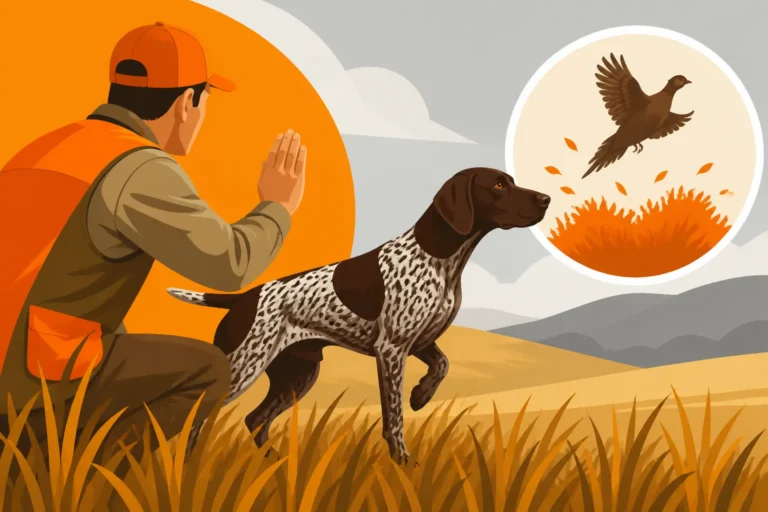
Now, lead your Shorthair into the wind, working the cover where you placed the bird. As your dog catches the scent, watch for that incredible transformation: the head comes up, the nose works frantically, the tail might start to flag excitedly, and then—hopefully—that beautiful, statuesque point. It might not be perfect; they might creep, or fidget, or even try to pounce. That's okay! This is learning. If they do point, hold them there gently with the check cord, whispering encouragement. Let them savor that moment of discovery. After a few seconds, step in and flush the bird yourself, or use a remote launcher if you have one. As the bird flies, give your "whoa" command firmly, and gently restrain your dog with the check cord if they try to chase. The goal here is to teach them that your decision dictates when the bird flies, and that they must hold still through the flush. Celebrate even the smallest successes with praise and maybe a small treat. Consistency and patience are your best friends here. Don't expect perfection on day one.
Nurturing Natural Instincts and Correcting Mistakes
Even with all the preparation, your Shorthair is still a dog learning a complex series of behaviors. There will be moments of brilliance and moments of confusion. Your role is to guide, not to punish, fostering their natural abilities while gently correcting any developing bad habits.
Encouraging the Point and Hold
The point is truly what defines a German Shorthaired Pointer, and it's a magnificent thing to witness. Most Shorthairs have this instinct embedded deep within them, but it needs to be nurtured. When your dog first stiffens on scent, that's your cue to be quiet and still. Let them figure it out. Don't rush in immediately. Allow them to "own" that point for a few moments. If they start to creep forward, a gentle tug on the check cord accompanied by a soft "whoa" can help remind them to hold still. The cord is a teaching tool, not a punitive measure. You are helping them understand what you want.
Some dogs will naturally hold a staunch point right from the start; others will be a bit more hesitant or want to pounce. If your Shorthair is pouncing or bumping the bird, it often means they haven't fully grasped the concept of "whoa" or they are simply overflowing with excitement. Go back to basics if necessary. Practice "whoa" without birds, then with dead birds, then with live birds on a very short check cord. The goal is a steady dog that understands its job is to find and indicate, not to catch the bird. Remember, every dog is an individual. A "soft" Shorthair might need more encouragement and less pressure, while a bold, high-drive dog might need firmer, more consistent handling to maintain control. It's a delicate balance. A Shorthair That Creeps Once It Points offers more specific advice on this common issue.
Handling Bumping and Chasing
Ah, the classic challenges! A Shorthair that bumps birds (rushes in, causing the bird to flush prematurely) or chases after the flush is exhibiting behaviors that need immediate, consistent correction. Why do they do it? Often, it's pure, unadulterated prey drive and excitement. They haven't yet learned self-control or the proper etiquette of bird work.
If your dog bumps the bird, use the check cord immediately to stop them, give a firm "whoa," and hold them steady. Do not allow them to continue the chase. This teaches them that bumping a bird ends the interaction, rather than leading to more fun. Repeat this process patiently. If bumping persists, you might need to revert to less stimulating birds (like pigeons if you've moved on) or even go back to whoa drills without live birds, using a whoa post or barrel. The concept of "whoa" must be stronger than the instinct to chase.
When it comes to chasing the flush, again, the check cord is your primary tool. As the bird flies, give your "whoa" command and physically prevent your dog from moving. Hold them still until the bird is out of sight. The message is clear: the flush is the end of their active pursuit, and they must remain steady. Over time, with consistent reinforcement, your Shorthair will learn to hold steady to wing and shot. This isn't about crushing their spirit, but about channeling their incredible drive into a partnership that makes them a more effective and enjoyable hunting companion. If you're struggling, consider looking into virtual training resources. Services like BAXTER & Bella offer online programs and support that can help guide you through these challenging stages from the comfort of your home, supplementing your hands-on work. Steadying a Shorthair That Chases the Flush provides further guidance.
Transitioning to More Complex Scenarios
Once your German Shorthaired Pointer is consistently finding, pointing, and holding steady through the flush of that first bird, it’s time to slowly and carefully introduce more elements of the actual hunting experience. This is where you begin to weave together all the individual lessons into a cohesive whole.
Introducing the Gun Gradually
One of the biggest fears for new German Shorthaired Pointer owners is creating a "gun-shy" dog. It’s a completely valid concern, as a gun-shy dog’s hunting career is over before it truly begins. The key here is gradual introduction and always associating the sound with something positive, never negative. This part of training should be completely separate from the initial live bird introduction, only beginning once your dog is fully comfortable and steady around birds. Never, ever, introduce a gun to a dog that is uncertain or showing any signs of stress.
Start incredibly small. A cap gun, fired a significant distance away (think hundreds of yards) while your dog is happily engaged in a fun activity, like eating dinner or playing fetch. Observe their reaction. Is there any flinching? Ears flattening? If so, move further away or use an even quieter sound. Gradually, over many sessions and days, you can decrease the distance and increase the sound (moving from a cap gun to a .22 blank pistol, then to a shotgun with light loads). The sound of the gun should always signal something good – a treat, praise, or the opportunity to retrieve (once retrieving is also solidly established). Never fire a gun when a dog is startled, bored, or stressed. The goal is for the gun's report to simply be part of the background noise of an exciting day in the field, not a terrifying bang. Starting a Shorthair's Gun Introduction With a Cap Pistol provides a detailed roadmap for this delicate process.
Working Different Cover and Bird Types
With a solid foundation in place, you can gradually expand your Shorthair's experiences. Start introducing birds in slightly heavier cover. This challenges their nose work and teaches them to adapt to different terrain. What might have been an easy point in short grass becomes a more complex puzzle in head-high cattails or thick brush. This also helps them learn how birds behave differently in various habitats—some hold tighter, others run more.
You can also start introducing different bird species, remembering the temperament considerations we discussed earlier. Move from pigeons to quail, then perhaps to chukar. Each bird presents a slightly different challenge in terms of scent, flight pattern, and holding habits. This variety builds a well-rounded bird dog, capable of handling whatever the field throws at them. The more diverse their training experiences, the more confident and adaptable your Shorthair will become. Always introduce one new challenge at a time—don't switch to chukar and heavy cover and gunshots all at once. Break it down, layer the learning, and always set your Shorthair up to succeed. This graduated exposure will ensure your German Shorthaired Pointer develops into a versatile, confident, and steady hunting companion ready for many seasons afield. Chukar and Quail for a Young German Shorthaired Pointer dives deeper into introducing these various species.
Disclaimer
This article is for general informational purposes only and does not constitute professional advice. Laws, prices and regulations vary by location and change over time. Consult a qualified professional for guidance on your specific situation.