Turning a German Shorthaired Pointer With One Blast
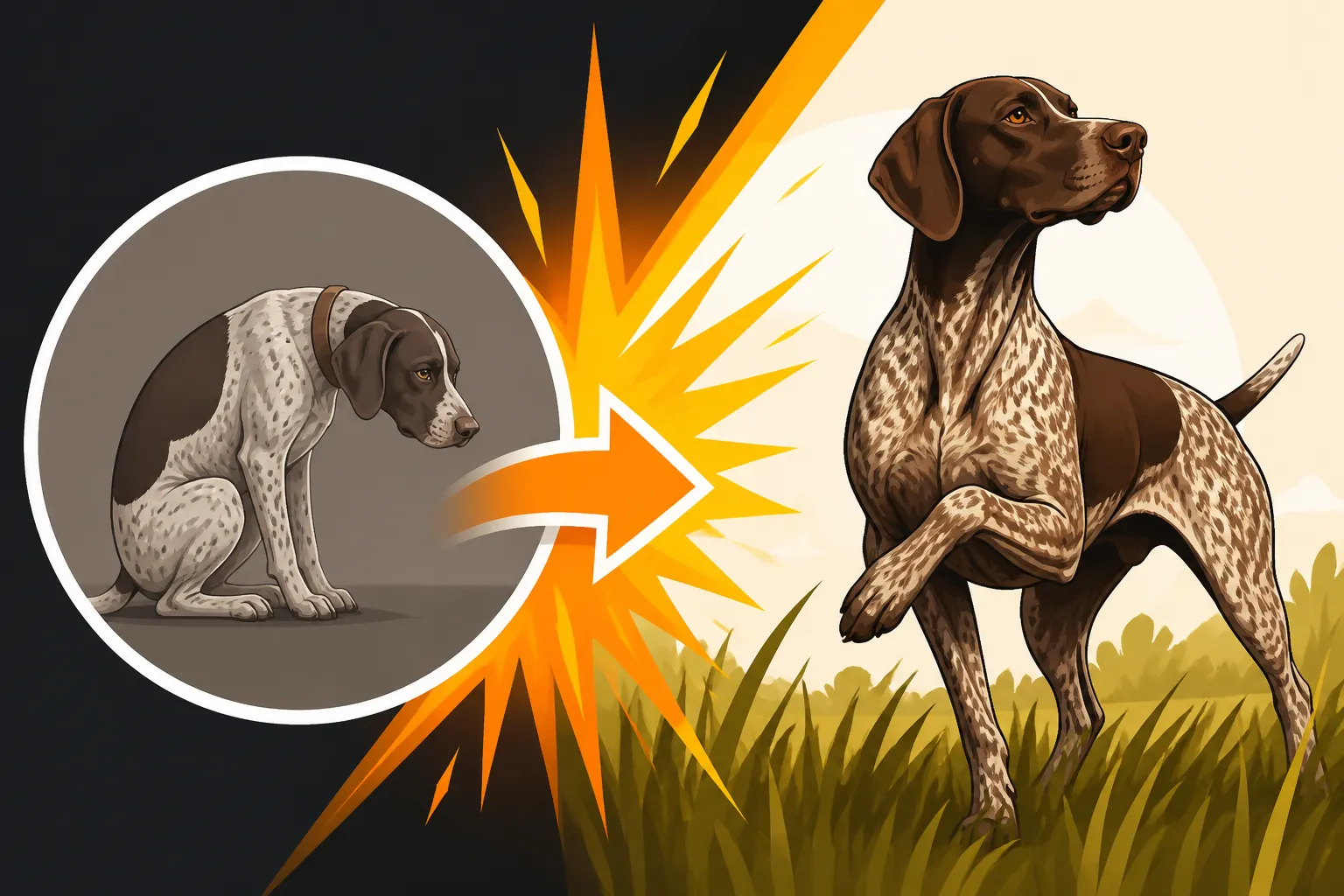
It’s a scenario every German Shorthaired Pointer owner who ventures afield knows well: your powerful, enthusiastic companion is casting wide, perhaps a little too wide for the cover, or worse, heading straight for a fence line or a busy road you didn't anticipate. You need to turn them, and you need to turn them now, without breaking stride or losing momentum. This guide is all about mastering that critical skill: teaching your German Shorthaired Pointer to turn crisply and immediately on a single whistle blast, keeping them safe and effective in any terrain.
Why a Single Whistle Blast Turn Is Indispensable
Let's be real, a German Shorthaired Pointer is a dog built for speed and endurance, covering ground with an enthusiasm that can sometimes feel like a runaway train. When they're locked onto a scent or just enjoying a wide-ranging cast, verbal commands can get lost in the wind, or worse, they might just pretend not to hear you. That's where the sharp, undeniable sound of a whistle comes in, cutting through distractions and demanding attention.
Controlling Wide-Ranging Instincts
German Shorthaired Pointers have an innate desire to cover ground, often ranging far and wide in search of game. It’s part of their charm, and what makes them such incredible hunting partners. But that same powerful drive can put them in precarious situations. Imagine your dog, full of youthful vigor, hitting the edge of a vast field and then deciding to explore the next county over. A single whistle blast, consistently taught as a turn command, gives you the power to redirect that energy, bringing them back into your hunting pattern or away from potential hazards like unseen ravines or busy paths. It’s about being a silent, guiding hand from a distance, rather than yelling yourself hoarse.
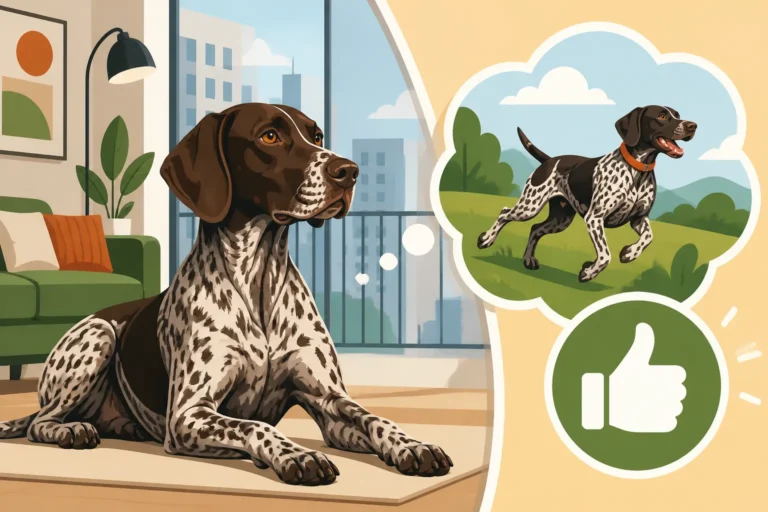
This isn't just about hunting, either. Even for those with a German Shorthaired Pointer primarily as a family companion, if you enjoy off-leash adventures in open spaces like hiking trails or large parks, this command is a lifesaver. It allows you to maintain control without constantly micromanaging, giving your dog the freedom they crave while ensuring their safety. You're not stifling their natural instincts; you're simply providing the framework for them to express those instincts responsibly.
Preserving Birds and Hunting Ethics
For the serious hunter, a well-executed turn command is fundamental to preserving birds and upholding hunting ethics. A dog that continually busts birds because it's overrunning cover or pushing too far ahead isn't just inefficient; it's disruptive and can educate game to flush wildly. The single blast turn allows you to "paint" your dog into the optimal hunting pattern, keeping them within effective gun range and working the cover thoroughly rather than just blowing through it.
Think about a field with sparse cover, where birds might be holding tight. If your Shorthair is working too fast or too wide, they might overshoot the scent cone or kick up a bird out of range. A quick whistle turn can bring them back, allowing them to slow down, process the scent, and lock into a solid point. This precision in handling not only leads to more successful hunts but also demonstrates respect for the quarry and the land. It also means you're less likely to have your dog get into a scuffle with another hunter's dog by encroaching on their territory.
Enhancing Teamwork and Communication
Ultimately, training your German Shorthaired Pointer to turn on a single whistle blast deepens the bond and communication between you. It fosters a level of unspoken understanding that is truly rewarding. When your dog responds instantly, it signifies trust and a strong working relationship. They learn to listen to your direction, even when their instincts are pulling them strongly in another direction.
This command isn't just about telling them what not to do, but about guiding them to where they need to be. It becomes a fluid part of your hunting or adventuring rhythm, a silent dialogue that allows both of you to operate as a cohesive unit. It frees you from the constant verbal reminders and allows you to focus on the environment, knowing your partner is responsive and engaged. This enhanced communication is a hallmark of a truly well-trained German Shorthaired Pointer, a testament to the time and effort invested.
Laying the Groundwork for a Reliable Whistle Turn
Before you even think about blowing a whistle in the field, your German Shorthaired Pointer needs a rock-solid foundation in basic obedience and directional control. Trying to shortcut this will only lead to frustration for both of you. It's like trying to build a house starting with the roof – it just won't stand.
Mastering Recall and Close-Quarter Directionals
The absolute bedrock for any whistle command, especially a turn, is a reliable recall. Your dog must understand that when you call, they come, no questions asked. Practice this in various environments, with increasing distractions. Use a long line initially, like a 30-foot or 50-foot check cord, to ensure compliance before going completely off-leash. Many excellent resources, including programs like those offered by BAXTER & Bella, emphasize building this foundational obedience from puppyhood.
Once recall is solid, move to close-quarter directional commands. Think of simple "left" and "right" turns, or a "hup" (halt) command that stops them dead in their tracks. Use hand signals alongside verbal cues initially. For instance, walk forward, then quickly turn left, giving your verbal "left" command and a clear hand signal. Reward them immediately when they follow. The goal here is to establish the concept of changing direction on your cue, not just on their own whim. These initial steps are crucial for building the mental understanding that will later transfer to the whistle. The Whistle Signals a Shorthair Learns First covers other essential whistle commands that will complement this training.
Introducing the Whistle as a Positive Cue
Your whistle should be seen as a cue, not a punishment. Many folks make the mistake of only using the whistle when they're frustrated or when the dog is doing something wrong. Instead, introduce it positively. Start indoors or in a low-distraction environment. Use a specific whistle pattern – for a turn, a single, sharp blast is common, but consistency is key.
Blow the whistle, then immediately follow with a known positive command like "come" or "treat." When your dog responds, even if they just orient towards you, reward them lavishly. Repeat this many, many times over several short sessions. The goal is for the whistle blast to become a predictor of good things, a sound that immediately grabs their attention and makes them think, "What's next? Probably something good!" You want them to want to listen to the whistle. A good quality whistle is essential here; consider one that's easily audible over distance, available from retailers like Amazon.
Step-by-Step Training for the Single Blast Turn
Once your foundation is solid, it's time to put it all together. This process requires patience, consistency, and a clear progression from simple to complex. Don't rush it; each step must be truly solid before moving to the next.
Starting with Motion and Direction
Begin in an open, low-distraction area, still on a long check cord if your recall isn't 100% bomb-proof, or even in a large fenced yard. You'll want to combine your established close-quarter directionals with the whistle. Walk with your German Shorthaired Pointer, then, as you initiate a turn (say, a sharp left), give your single whistle blast just before or as you turn, followed by your verbal "left" and hand signal. Immediately reward when they follow.
The key here is to associate the whistle blast with the act of turning. Your body language is critical in these early stages. Physically pivot, encourage them to follow, and make it a fluid motion. Gradually, you'll start to rely less on your verbal cues and hand signals, letting the whistle blast take center stage. Repeat this in both directions, left and right, ensuring they understand the concept of directional change triggered by that specific sound. Practice Loose Leash Walking a German Shorthaired Pointer as a way to reinforce changes in direction while on leash, making it a habit.
Expanding Distance and Introducing Distractions
Once your Shorthair is consistently turning with you on the whistle in a low-distraction environment, it's time to add distance and then distractions. Start by having your dog a few feet away, facing you, then send them a short distance away (maybe 10-15 feet). As they move away, blow the single whistle blast. The expectation is that they will stop, turn, and look at you for the next instruction. When they do, reward them by calling them in, or sending them in a new direction.
Next, have them casting out as if quartering. When they are moving in one direction, blow the single blast. They should ideally turn and start moving in the opposite direction, or at least stop and look for your next command. This is where the beauty of the whistle truly shines, allowing you to Shortening a Shorthair That Ranges Too Far and control their cast from a distance. Gradually increase the distance and introduce mild distractions – another person walking by, a retrieve dummy, or even a very calm, non-reactive second dog in the distance. The ultimate goal is for the whistle blast to become the strongest, most immediate redirecting cue in their arsenal.
Common Pitfalls and Troubleshooting
One of the most common issues is a dog that simply ignores the whistle. If this happens, go back to basics. Are you sure your whistle is positively associated? Are you practicing in too distracting an environment too soon? Re-establish the positive connection. Sometimes, it helps to use a very high-value treat immediately after the whistle, especially when they just orient towards you. Another common issue is the "over-runner" – the dog that blows past the desired turn point before eventually changing direction. This often means you need to tighten up your timing and potentially use a longer check cord to physically guide them back to the correct turning radius in the initial stages.
| Training Phase | Focus | Environment | Equipment | Goal |
|---|---|---|---|---|
| Phase 1: Foundation | Recall, Close-quarter turns (verbal/hand) | Indoors, Fenced Yard | Long line, Treats | Reliable response to basic directionals |
| Phase 2: Introduction | Whistle=positive association | Low-distraction | Whistle, Treats | Dog looks at handler/turns on whistle cue |
| Phase 3: Motion Turn | Whistle + body turn + verbal/hand | Open, low-distraction | Whistle, Check cord, Treats | Dog turns with handler on whistle, then independent turn |
| Phase 4: Distance & Distraction | Whistle for redirecting wide casts | Varied terrain, mild distractions | Whistle, E-collar (optional for reinforcement) | Instant turn/redirect on whistle from distance |
| Phase 5: Field Integration | Seamless whistle handling in hunting/exercise | Hunting grounds, high distractions | Whistle, E-collar (optional) | Effortless guidance in real-world scenarios |
Remember, a German Shorthaired Pointer needs consistency. If you sometimes let them ignore the whistle, they will learn that it's optional. Every time you blow that whistle for a turn, you must be prepared to follow through and ensure compliance, even if it means walking out to them and physically guiding them.
Integrating the Whistle Turn into Field Work
Once your German Shorthaired Pointer reliably turns on a single whistle blast in controlled settings, the true test, and reward, comes in the field. This is where all that hard work transforms into seamless teamwork.
Practicing in Diverse Terrain
Real-world conditions are never perfectly flat, open, and distraction-free. You need to practice your whistle turns in varied terrain: dense cover, open fields, rolling hills, and even near water. Each environment presents new challenges. In thick brush, the sound might be muffled, or your dog might be less inclined to break concentration. In wide-open spaces, they might range further before you need to turn them.
Start in familiar areas where your dog feels comfortable, then slowly introduce new, more challenging environments. Use your E-Collars Built for a Running German Shorthaired Pointer as a secondary reinforcement tool if needed, but remember the goal is for the whistle itself to be the primary cue, with the e-collar serving only as a means to ensure compliance when they choose to ignore the whistle. The more varied your practice grounds, the more robust their understanding of the command will become, making them truly versatile.
Reading Your Dog's Range and When to Turn
A crucial part of effective whistle handling is learning to "read" your German Shorthaired Pointer and anticipate their movements. This isn't just about giving a command; it's about timing the command. Watch their body language: are they starting to drift too far left? Are they pushing too hard into a known unproductive area? Is their head up, indicating they're losing scent and just running?
The single blast turn isn't just for emergencies; it's a tool for subtle, proactive guidance. Use it to keep your dog quartering effectively, moving them back and forth across the wind to maximize their chances of finding birds. You want to turn them before they get too far out of range or into trouble, not after. This proactive approach reinforces their understanding and prevents them from developing habits of overrunning or self-hunting. Consistent practice, where you are actively anticipating and guiding, will help you develop this crucial intuition. Keeping a Shorthair in Front on Big Country highlights the importance of this type of directional control.
Maintaining Consistency Through Hunting Seasons
The whistle turn, like any command, will weaken without consistent reinforcement. This is especially true for hunting dogs who might only be "working" during specific seasons. It's vital to incorporate short training sessions into your routine year-round, even if it's just a few minutes in a park or a large field. Don't let the whistle become something you only pull out when you're hunting.
During hunting season, always use the whistle turn consistently. Don't fall back on verbal commands just because you're tired or frustrated. Every single time you want your dog to turn at a distance, use that single blast. This consistency solidifies the command and prevents your German Shorthaired Pointer from trying to "test" whether the whistle truly means something. Remember, they thrive on routine and clear expectations. By being consistent, you're not just training a behavior; you're building a reliable, lifelong hunting partner. What a German Shorthaired Pointer can still do at older ages depends heavily on this kind of lifelong training and consistent expectations.
Disclaimer
This article is for general informational purposes only and does not constitute professional advice. Laws, prices and regulations vary by location and change over time. Consult a qualified professional for guidance on your specific situation.