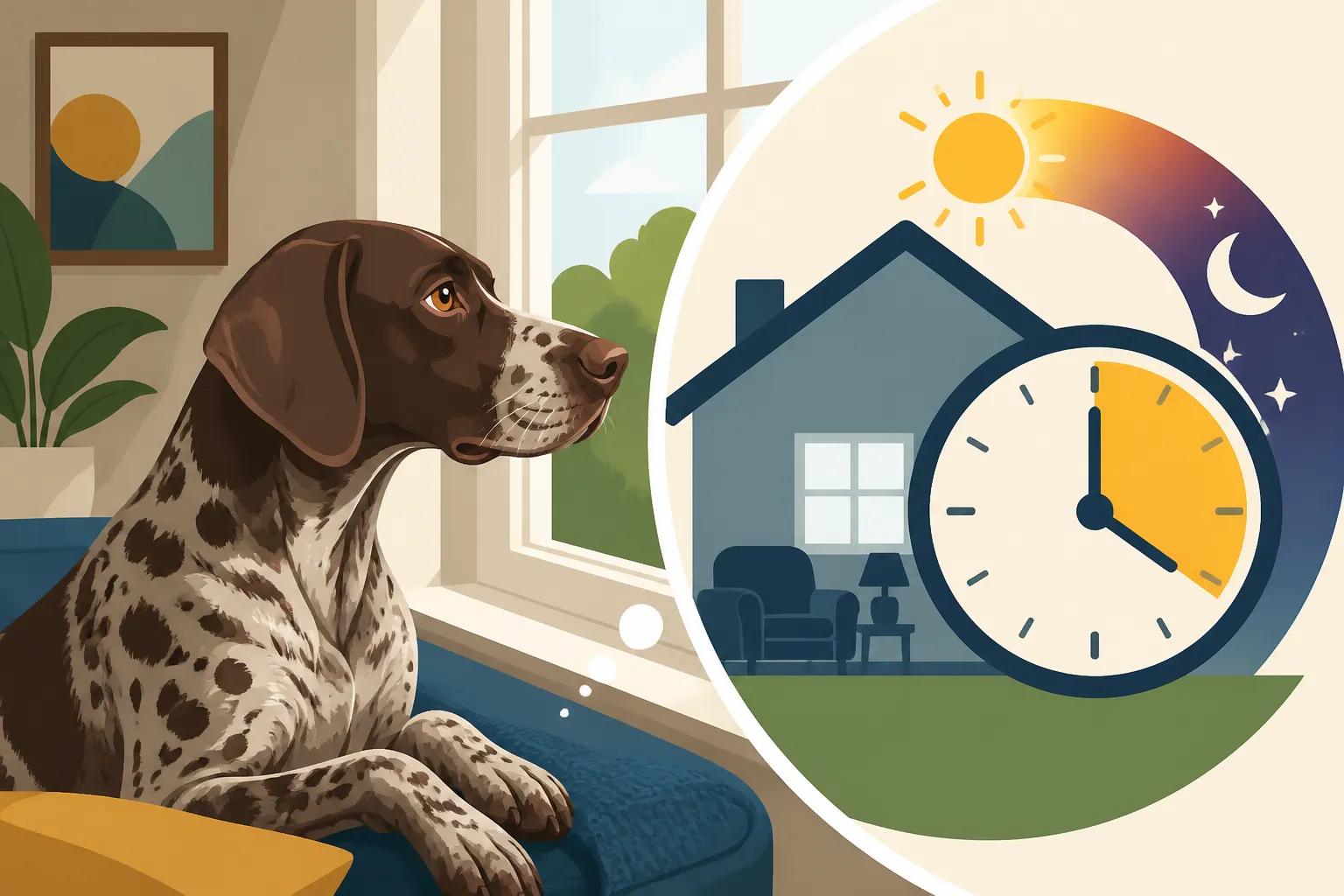
The Hours a Shorthair Tolerates an Empty House
Oh, the eternal question for every German Shorthaired Pointer owner: "How long can I actually leave my energetic, shadow-like companion home alone without coming back to a tornado or a distraught mess?" It's a genuine struggle, isn't it? These incredible dogs are wired for connection and activity, and leaving them to their own devices for too long can feel like setting them up for failure. This guide dives deep into understanding their needs, setting realistic expectations for alone time, and most importantly, offering practical strategies to ensure your GSP remains happy and your home stays intact while you're out.
Understanding Your GSP's Innate Need for Connection
Let's be real, German Shorthaired Pointers aren't just pets; they're family members who believe their sole purpose in life is to be right by your side. They were bred to work closely with humans, tracking and pointing game, which fostered a deep bond and a strong desire for companionship. This isn't just a quirky personality trait; it's ingrained in their DNA, and it heavily influences how well they handle solitude.
The "Velcro Dog" Phenomenon
If you own a GSP, you know exactly what I mean by "Velcro dog." They follow you from room to room, often leaning against your legs as you stand, or insisting on being physically connected while you relax. This intense attachment, while endearing, can make alone time particularly challenging for them. They don't just miss you; they can genuinely feel distressed by your absence. For many GSPs, the quiet of an empty house isn't peaceful; it's unsettling, especially if they haven't been properly prepared for it. This is why you often hear about them getting into trouble or vocalizing excessively when left alone – it’s their way of coping with a situation they find inherently unnatural.
It’s crucial to understand that this isn’t a sign of a "bad" dog, but rather a dog acting on its breed instincts and emotional needs. They thrive on interaction, purpose, and the constant presence of their people. When that's taken away, it creates a void that can quickly lead to boredom, stress, or even full-blown separation anxiety. Expecting them to be content with long stretches of quiet solitude without any preparation or compensatory activities is often an unfair ask of this highly social and intelligent breed.
The Crucial Role of Pre-Departure Exercise
Before you even think about stepping out the door, your German Shorthaired Pointer needs to be physically and mentally exhausted. I'm not talking about a leisurely stroll around the block; I mean a serious workout. These dogs are athletes, designed for endurance and speed. If they have pent-up energy, that energy will find an outlet, and it often manifests as destructive chewing, digging, or incessant barking. It's not maliciousness; it's simply a GSP being a GSP.
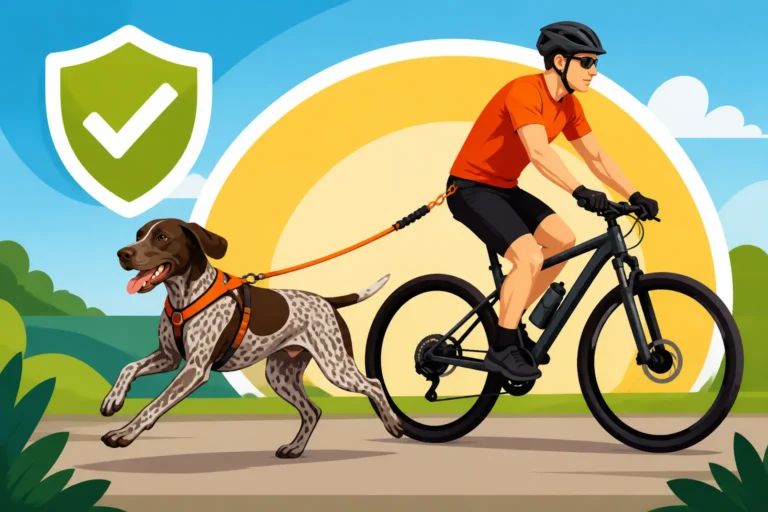
Consider a solid hour of vigorous activity – think running, fetching, swimming, or even a fast-paced bike ride where they can truly stretch their legs. Running a Shorthair Beside a Bike Safely can be a fantastic way to burn off steam. After the physical exertion, adding a short burst of mental work, like a training session or a puzzle feeder, can help calm their minds further. A tired dog is a good dog, and a mentally stimulated dog is a content dog. Skipping this vital step is like putting a toddler down for a nap after a sugary snack – it's just not going to work out well for anyone. Without this pre-emptive strike against boredom, you're essentially leaving a ticking time bomb of energy and intelligence in your living room, and that rarely ends well for the furniture.
Mental Stimulation Beyond Physical Exhaustion
While physical exercise is non-negotiable, it's only half the battle. A German Shorthaired Pointer's mind is just as active as its body, if not more so. Leaving them alone with only their thoughts for hours can lead to them inventing their own "jobs," which might include redecorating your couch or excavating your prize-winning petunias. That's why mental enrichment is paramount.
Interactive toys, puzzle feeders, and long-lasting chews can be lifesavers. Imagine your GSP spending an hour figuring out how to get treats out of a complex toy, rather than staring at the door. Some fantastic options include treat-dispensing balls or durable rubber toys that can be stuffed with peanut butter or kibble and frozen. These can keep them engaged for significant periods. You can find a wide variety of these products on platforms like Amazon, making it easy to experiment and find what your particular Shorthair loves. The goal is to provide an engaging challenge that redirects their powerful drive into something constructive, keeping their minds busy and preventing boredom-induced mischief.
Realistic Timeframes for Leaving a GSP Alone
Let's address the elephant in the room: how long is too long? There's no magic number that applies to every single German Shorthaired Pointer, but there are definitely guidelines based on their age, temperament, and training. It's a delicate balance between their needs and our busy lives.
Puppy Considerations
Leaving a German Shorthaired Pointer puppy alone for extended periods is simply not feasible or fair. Their bladders are tiny, their need for social interaction is immense, and they're still figuring out the world. A young puppy, under six months, shouldn't be left alone for more than 2-3 hours at most. This short timeframe allows for crucial potty breaks, prevents loneliness from escalating into full-blown anxiety, and supports their critical socialization period. Think about it: a puppy needs to learn that being alone isn't a terrifying ordeal, but a normal, temporary part of life. Overdoing it early on can create a lifetime of anxiety.
As they get a bit older, perhaps six to twelve months, you might stretch that to 3-4 hours, but always with the caveat that they've had ample exercise, a potty break, and mental engagement before you leave. They're still growing, both physically and emotionally, and consistency is key. Proper Crating a Shorthair That Has Energy to Burn can be incredibly helpful during these puppy stages, offering them a den-like safe space. It’s also during this phase that you're working on foundational skills like house training; too much alone time can completely undermine your efforts to instill good habits, leading to frustrating accidents and setbacks.
Adult GSPs and the Four to Six Hour Rule
For a well-adjusted, properly exercised, and mentally stimulated adult German Shorthaired Pointer, four to six hours is generally considered the maximum tolerable time to be left alone regularly. This isn't a hard and fast rule, but a sensible guideline. During this timeframe, most adult GSPs can hold their bladder comfortably and manage their boredom if their needs were met beforehand.
However, "tolerable" doesn't necessarily mean "thriving." Even within this window, there are factors that influence their experience. A GSP who had a vigorous morning run, a hearty meal, and a challenging puzzle toy might handle five hours better than one who just had a quick walk and no mental prep. The quality of that alone time matters immensely. If you're consistently pushing this boundary, you might start seeing subtle signs of stress or boredom manifest over time, such as increased vocalization, mild destructiveness, or a general "unsettled" demeanor when you return.
The Absolute Max – When It's Too Long
Pushing beyond six hours, and certainly beyond eight hours, for a German Shorthaired Pointer on a regular basis is generally not recommended. This breed is simply not built for such long stretches of isolation. At eight hours, you're not just risking boredom or minor mischief; you're inviting potential issues like:
- House Soiling: Even a GSP with excellent bladder control will struggle to hold it for 8+ hours. This can lead to accidents and, worse, break down their house-training habits and self-esteem.
- Destructive Behavior: An under-stimulated GSP will find things to do, and your furniture, shoes, or even walls might bear the brunt. This isn't spite; it's coping. What an Under Exercised Shorthair Does to a House is no joke, and it often involves significant damage.
- Excessive Vocalization: Barking, howling, or whining can become a persistent problem, not just for your dog but potentially for your neighbors.
- Separation Anxiety: Consistently long periods of isolation can exacerbate or even create full-blown separation anxiety, a complex behavioral issue that can be very difficult to resolve. Signs a Shorthair Is Panicking Rather Than Bored are important to recognize here.
- Depression/Lethargy: While some GSPs become destructive, others might become withdrawn, losing their spark and enthusiasm due to chronic loneliness and lack of engagement.
While there might be rare, unavoidable circumstances where an adult GSP is left for 8 hours (like an emergency), it should never be the norm. If your lifestyle consistently requires such long absences, a German Shorthaired Pointer might not be the right fit, or you'll need to invest heavily in supplementary care.
Here’s a general guide:
| Age of GSP | Maximum Recommended Alone Time (Regular Basis) | Key Considerations |
|---|---|---|
| 8-16 Weeks (Puppy) | 1-2 hours | Tiny bladder, critical socialization, high need for attention |
| 4-6 Months (Puppy) | 2-3 hours | Improved bladder, still needs frequent breaks and interaction |
| 6-12 Months (Adolescent) | 3-4 hours | Growing independence, but still high energy/social needs |
| 1-7 Years (Adult) | 4-6 hours | Well-exercised & mentally stimulated GSP, good bladder control |
| 7+ Years (Senior) | 4-5 hours | May need more frequent potty breaks, prone to stiffness |
Strategies for Making Alone Time Bearable (and Shorter)
Okay, so we know GSPs aren't built for solitude. But life happens, and we can't always be with them. The good news is there are plenty of strategies to help make their alone time more manageable and, if possible, shorter.
Creating a Safe and Enriching Environment
When you do have to leave your German Shorthaired Pointer, creating an environment that minimizes stress and maximizes engagement is paramount. This starts with a safe space. For many GSPs, especially during their younger years or if they are prone to destructive behavior, a crate can be an invaluable tool. It should be a comfortable, positive den, not a punishment zone. Ensure it’s large enough for them to stand, turn around, and lie down comfortably. Fill it with a soft bed and plenty of safe, durable chew toys.
Beyond the crate, consider dog-proofing the area where they’ll be. Remove anything valuable or dangerous that they might chew or ingest out of boredom or anxiety. Provide a variety of puzzle toys. I've found that some of the best interactive toys can be found on Amazon, and brands like Kong or Nina Ottosson make excellent brain games that can keep a GSP engaged for a while. You can also hide treats around the designated "safe zone" for them to "hunt" using their incredible nose, tapping into their natural instincts in a constructive way. This creates a more stimulating and less anxiety-inducing experience than just leaving them in an empty, silent room.
Utilizing Dog Walkers, Daycare, or Friends/Family
If your workday extends beyond the recommended 4-6 hour window, relying on external help is a game-changer. This isn't a luxury; it's often a necessity for a high-energy, high-socialization breed like the GSP. A midday dog walker can break up the long hours, provide a much-needed potty break, and get some exercise in. This significantly reduces the total amount of uninterrupted alone time, making the day much more manageable for your dog.
Doggy daycare is another excellent option for German Shorthaired Pointers who enjoy the company of other dogs. It provides constant supervision, structured play, and socialization, ensuring they come home happy and exhausted. Be sure to research facilities carefully, looking for clean, safe environments with experienced staff. What Daycare Charges to Run a Shorthair can vary widely, so it's worth exploring local options. If professional services aren't in the budget, consider enlisting trusted friends, family, or even neighbors who might be willing to stop by for a short visit and a quick potty break. Even a 15-minute check-in can make a world of difference to a lonely Shorthair.
Technology to Bridge the Gap
In our modern world, technology offers some fantastic solutions to help us monitor and even interact with our GSPs when we're not home. Pet cameras, often with two-way audio and treat dispensers, can provide peace of mind. You can check in on your dog, talk to them to offer reassurance, and even reward calm behavior with a treat from afar. This can be particularly helpful for dogs that are prone to anxiety or if you just want to see what they're truly up to when you're gone.
There are also smart feeders that can dispense meals at set times, ensuring your GSP sticks to their routine even if you're running late. While these tools are certainly not a substitute for human interaction or exercise, they can be valuable aids in managing alone time, helping you understand your dog's behavior, and making them feel a little less alone throughout the day. Consider adding a white noise machine or leaving a radio on soft music to provide some auditory comfort and block out unsettling outdoor noises.
Recognizing and Addressing Separation Anxiety
There's a big difference between a GSP being a little bored or mischievous when left alone and truly suffering from separation anxiety. The latter is a serious behavioral issue that requires a dedicated approach. It's heartbreaking to see your usually vibrant companion stressed and panicking.
Signs a Shorthair Is Panicking Rather Than Bored
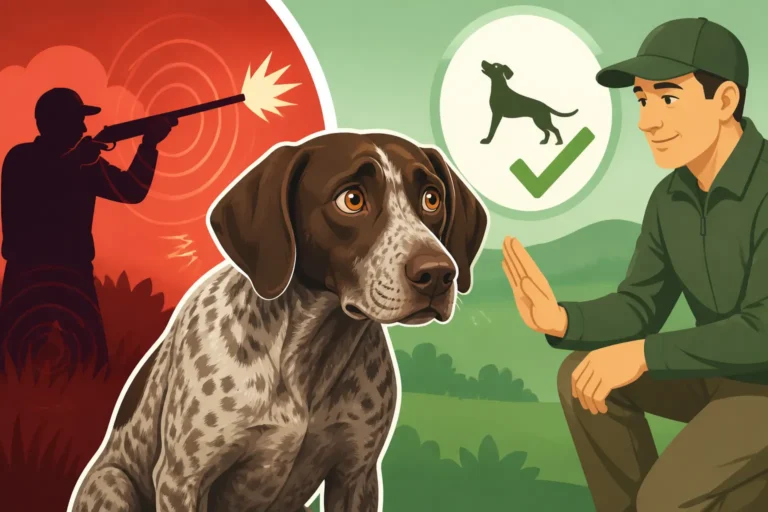
It's crucial for GSP owners to differentiate between simple boredom or mischief and the genuine distress of separation anxiety. A bored GSP might chew on a shoe, counter surf for snacks, or dig a hole in the yard. While annoying, these behaviors are often curiosity-driven or a search for entertainment. A GSP experiencing separation anxiety, however, displays behaviors rooted in panic and fear.
Look for these key indicators:
- Excessive Vocalization: Constant, desperate barking, howling, or whining that begins shortly after you leave and continues for extended periods, rather than just an initial protest.
- Destructive Behaviors Focused on Escape: Chewing on doorframes, window sills, or crates, often causing self-injury (broken nails, bloody mouths). This isn't just generalized chewing; it's an attempt to get out.
- House Soiling: Urinating or defecating indoors even after being thoroughly potty-trained and having had a recent outdoor break. This often happens when the dog is usually clean in the house but panics when left alone.
- Pacing and Restlessness: Observed via pet cameras, the dog can't settle, constantly moving, panting, or trembling even in a cool environment.
- Self-Mutilation: In severe cases, a GSP might lick or chew excessively at their paws or body, leading to hot spots or skin infections, as a self-soothing mechanism in their distress.
- Excessive Greeting: An overly enthusiastic, almost frantic greeting when you return, as if they haven't seen you in years, coupled with difficulty settling down.
If you suspect separation anxiety, it's vital to address it promptly, as it doesn't usually resolve on its own and can worsen over time.
Building a Shorthair's Tolerance for Being Alone
Helping a German Shorthaired Pointer cope with alone time is a gradual process that focuses on positive association and desensitization. It's all about teaching them that your departures are temporary and not a cause for alarm. This isn't something you can rush.
Start with very short absences. Leave for literally 30 seconds, then return calmly. Don't make a big fuss when you leave or return. The goal is to make your departure and return a non-event. Gradually increase the duration: 1 minute, 5 minutes, 10 minutes, and so on. During these brief absences, ensure your GSP has an enriching activity, like a stuffed Kong. Building a Shorthair's Tolerance for Being Alone is a slow game, but incredibly rewarding.
Practice "fake" departures. Pick up your keys, put on your coat, and then sit back down. Repeat this several times a day without actually leaving. This helps desensitize them to your departure cues, breaking the association between these actions and your eventual absence. Crate training, if introduced correctly as a safe, comfortable den, can also provide a sense of security during alone time. Ensuring your GSP is well-exercised before any planned absence is non-negotiable; a tired dog is less likely to have the energy for anxiety-driven behaviors. Consistency and patience are your best friends here.
When to Seek Professional Help
Sometimes, despite your best efforts, your German Shorthaired Pointer's anxiety around being left alone is simply too intense for you to manage on your own. This is not a failure on your part, but rather an indication that professional intervention is needed. A certified professional dog trainer specializing in behavior, or a veterinary behaviorist, can offer invaluable guidance.
They can help you develop a tailored desensitization and counter-conditioning program, which is often the most effective way to address true separation anxiety. This might involve structured exercises, environmental management strategies, and in some cases, veterinary prescribed medication to help reduce your GSP's anxiety levels, making them more receptive to training. What a Behaviorist Charges for an Anxious Shorthair can vary, but consider it an investment in your dog's mental well-being and your household's peace. Don't hesitate to reach out if you're struggling; these experts have the knowledge and experience to help your beloved GSP find calm and confidence when you're away.
Disclaimer
This article is for general informational purposes only and does not constitute professional advice. Laws, prices and regulations vary by location and change over time. Consult a qualified professional for guidance on your specific situation.