Signs a Shorthair Is Panicking Rather Than Bored
It's incredibly frustrating, isn't it? You come home to a mess, or perhaps your neighbors mention incessant barking, and you're left wondering if your beloved German Shorthaired Pointer is simply a bored mischief-maker or genuinely distressed. Distinguishing between a bored dog acting out and one experiencing true panic or separation anxiety is crucial for providing the right support, and this guide will help you decode your Shorthair's behaviors when left alone.
Understanding the Energetic German Shorthaired Pointer
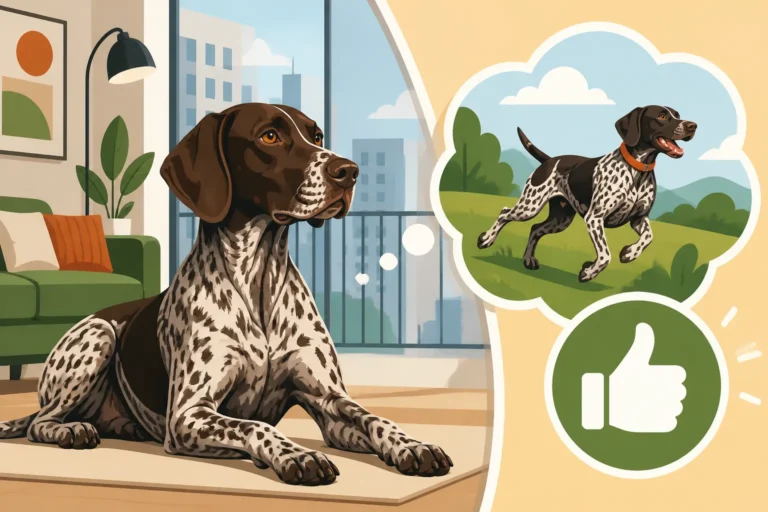
German Shorthaired Pointers are not your average couch potatoes. These dogs were bred to be dynamic, intelligent, and highly driven hunting partners, and that heritage runs deep in their veins, even if they're "just" family pets. Their need for physical exertion and mental engagement is profound, and ignoring it often leads to what many owners mistake for spite.
The Inherent Drive of a Shorthair
Think about the purpose a German Shorthaired Pointer was originally developed for: to hunt all day, point birds, retrieve them, and even track game. This isn't a breed that evolved to lounge around an empty house for eight hours. Their genetic blueprint calls for activity, problem-solving, and constant interaction. When these fundamental needs aren't met, their energy doesn't just dissipate; it manifests in other ways. They are smart, curious, and incredibly physical, which means they'll find "jobs" to do, whether you approve of them or not. This is why The Two Hours a Day a German Shorthaired Pointer Needs is so important to grasp early on.
Consider a young Shorthair, maybe around 18 months old – that adolescent phase where they're full of boundless energy and still figuring out the world. If they're left alone after a quick 15-minute walk, their drive to do something is still burning brightly. They'll look for outlets, and often, that outlet involves your furniture, trash, or anything else they can get their paws and mouths on. This isn't malicious; it's simply a dog fulfilling an intrinsic need for activity.
Common Boredom Behaviors
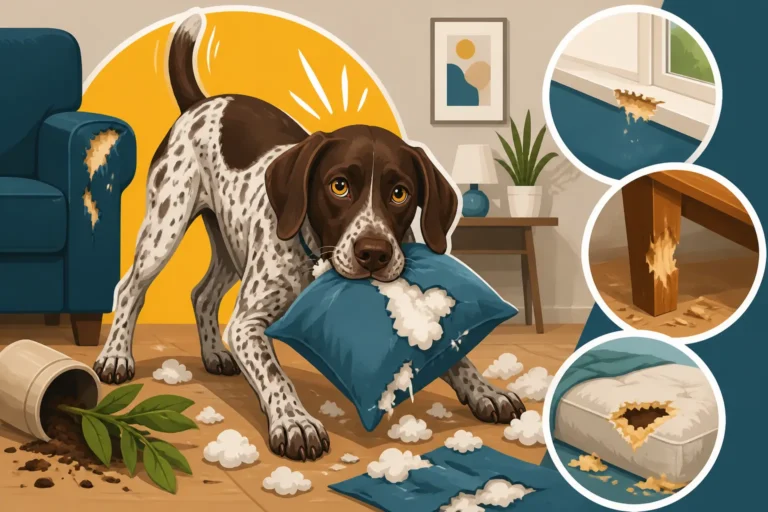
A bored German Shorthaired Pointer is often a creative German Shorthaired Pointer, but not in a way that brings joy to their human companions. Their "creativity" typically translates into destructive behaviors that are often aimed at relieving pent-up energy or seeking stimulation. These actions tend to be focused on novelties or objects they can easily access and manipulate.
You might find that a bored GSP will chew on things that smell interesting or have a satisfying texture – the leg of a wooden table, the arm of a sofa, or even the skirting board. They might get into the trash, not necessarily because they're hungry, but because the act of rummaging, pulling things out, and maybe tearing up some paper is a fun game. Digging in the yard is another classic sign; it's physically demanding and inherently rewarding for a dog. These behaviors usually start relatively quickly after you leave, or during periods when they have nothing else to occupy their minds. What an Under Exercised Shorthair Does to a House often paints a clear picture of this kind of activity.
Distinguishing Panic and Separation Anxiety
While boredom stems from a lack of stimulation, panic and separation anxiety are rooted in genuine distress and fear. For a German Shorthaired Pointer, a breed known for its "Velcro" nature and strong bond with its people, separation anxiety can be particularly heartbreaking to witness and challenging to manage. It's not about being naughty; it's about being terrified.
The Root Causes of Anxiety in GSPs
German Shorthaired Pointers are companion dogs at heart, even with their strong hunting instincts. They thrive on human interaction and often bond deeply with their primary caregivers. This strong attachment, while wonderful, can sometimes make them prone to separation-related distress. The transition from being constantly with their littermates and mother to a new home, or sudden changes in routine, can trigger anxiety. Past negative experiences, like being rehomed multiple times or left alone for excessively long periods without proper preparation, can also contribute. A Shorthair That Panics Alone in the House delves deeper into these specific anxieties.
Imagine a Shorthair who has always had someone home, and then suddenly the whole family is gone for a full workday. This abrupt change can be truly jarring for a dog that thrives on companionship. Their anxiety isn't a choice; it's an involuntary response to feeling unsafe and alone. They aren't thinking "I'll chew this shoe because I'm bored," but rather, "I need to get out of here, or find my people, or make this terrifying feeling stop." It's a fundamental breakdown in their ability to cope with solitude.
Common Panic Behaviors
When a German Shorthaired Pointer is experiencing panic or separation anxiety, their behaviors are usually more intense, persistent, and clearly indicative of distress rather than simple mischief. These behaviors are often attempts to escape, to relieve profound internal stress, or to call for their absent humans. They can also occur regardless of how much exercise they've had or how many toys are available.
You might see intense vocalizations – not just a bark here or there, but sustained howling, whining, or barking that can last for extended periods. Destructive behaviors often target exit points like doors, windows, or crates, as the dog tries desperately to get out. They might salivate excessively, pace frantically, or even have accidents indoors, even if they are perfectly house-trained. These are not signs of a dog who's just looking for something to do; they are clear indicators of a dog in emotional turmoil.
Observable Differences Between Boredom and Panic
While some behaviors might overlap, there are key distinctions in how and why a Shorthair exhibits certain actions, as well as the accompanying physiological signs. Learning to observe these differences will be your most powerful tool in addressing the underlying issue correctly.
Physical Cues and Body Language
A bored German Shorthaired Pointer might display a more relaxed demeanor, perhaps wandering aimlessly, sniffing around, or engaging in casual chewing. Their destruction might be exploratory, focusing on various items throughout the house rather than a concentrated escape effort. There might be some frustrated vocalizations, but they typically aren't sustained wails of distress. Their overall body language, even when "misbehaving," might not scream fear or anxiety.
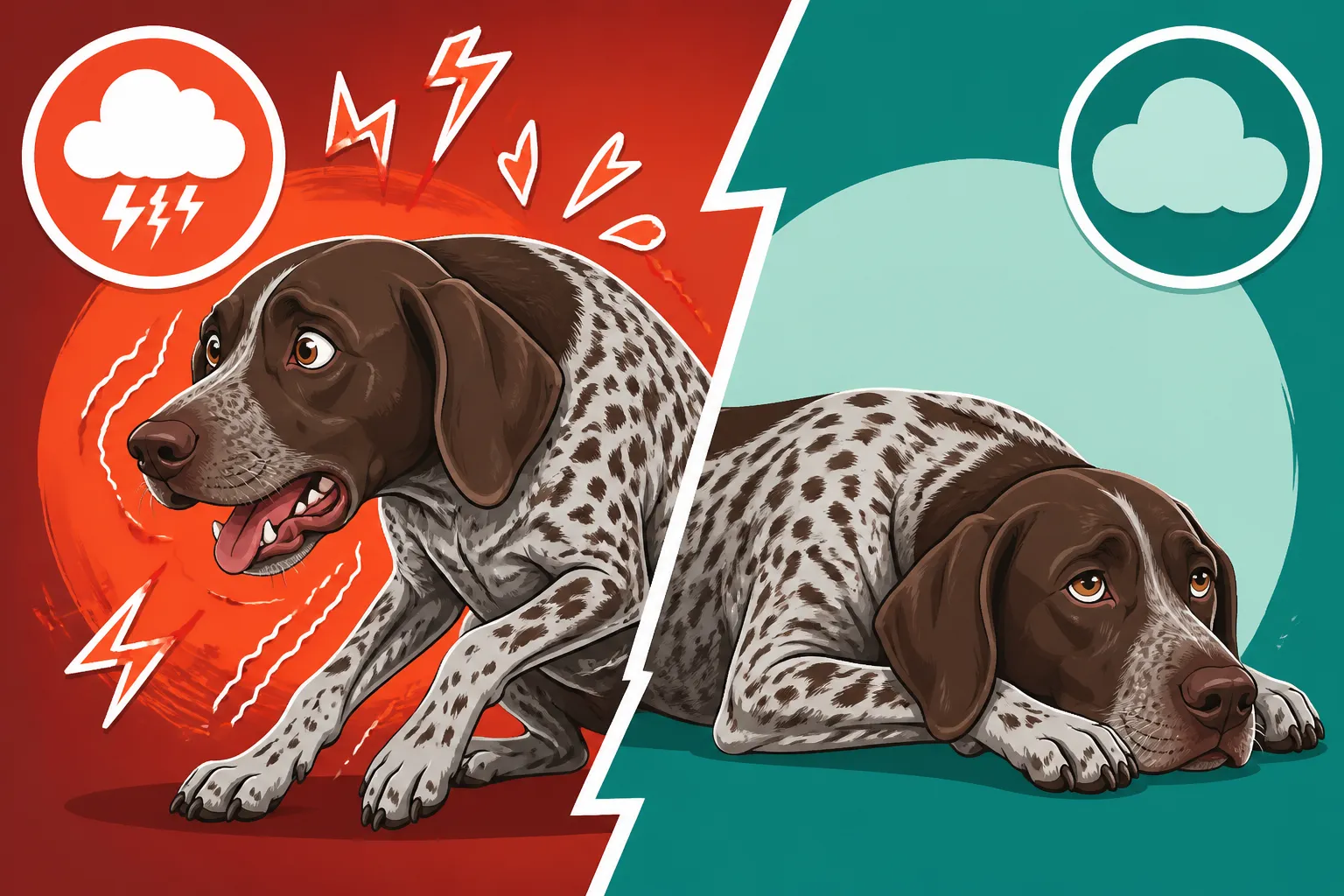
In contrast, a Shorthair in a state of panic will exhibit clear signs of distress. You might notice excessive drooling or panting, even when it's not hot. Their eyes might appear wide, their ears may be pulled back, and their body might be tense or crouched. They could pace compulsively, circle, or seem unable to settle. A dog experiencing intense anxiety often develops stress tremors, particularly if they are confined. These physical manifestations of fear are crucial clues that differentiate panic from mere boredom. Reading a German Shorthaired Pointer's Stress Signals is an excellent resource for understanding these subtle body language cues.
Patterns of Destruction and Vocalization
The pattern of destructive behavior is a major giveaway. A bored GSP might chew a shoe, then a book, then dig a small hole in the yard. It's often varied and opportunistic. The vocalizations might be intermittent "alert" barks at squirrels or an occasional grumble, but not constant, high-pitched cries.
| Behavior Type | Boredom | Panic/Separation Anxiety |
|---|---|---|
| Target of Destruction | Varied, opportunistic (furniture, trash, toys) | Exit points (doors, windows, crates), self-mutilation |
| Intensity | Moderate, exploratory | High, frantic, desperate |
| Vocalization | Intermittent barking, whining, alert sounds | Sustained howling, whining, distressed barking |
| Timing | Can occur at any point, often after initial quiet | Starts immediately or soon after owner leaves |
| Accidents | Unlikely if house-trained | Common, even in house-trained dogs |
| Other Cues | Restless, searching for stimulation | Pacing, drooling, panting, trembling, frantic behavior |
However, a GSP with separation anxiety often focuses their destructive energy on points of exit – chewing the door frame, scratching at the window sill, or trying to chew their way out of a crate. The destruction is an attempt to escape or to find you. Their vocalizations are often continuous, distressed cries, howls, or barks that persist for the duration of your absence or until they're utterly exhausted. They might also engage in self-mutilation, like licking or chewing their paws raw, which is never a sign of boredom. If your dog is having accidents inside despite being perfectly house-trained, it's a strong indicator of stress rather than boredom. This is especially true if these accidents occur right after you leave, even if they were just let out.
Your Arrival and Departure Cues
Think about what happens when you leave and when you return. A bored Shorthair might be excited to see you when you get back, perhaps a bit bouncy or over-the-excited to finally have some attention. They might bring you a toy or try to engage you in play. There's no major shift in their behavior just before you leave.
A German Shorthaired Pointer with separation anxiety, however, will often start exhibiting anxious behaviors before you even walk out the door. They might cling to you, pace, whine, or try to block your exit as you prepare to leave. When you return, their greeting is typically frantic and prolonged, sometimes accompanied by submissive urination or extreme excitement, which then takes a long time to settle. They might ignore their toys completely, even the new ones you left for them, because their mind is entirely consumed by your absence. Building a Shorthair's Tolerance for Being Alone is a slow but essential process that addresses these heightened responses.
Actionable Steps for Support and Training
Once you've made an educated guess about whether your German Shorthaired Pointer is bored or panicking, you can start implementing targeted strategies. Remember, consistency and patience are key, especially with a breed as intelligent and sensitive as the Shorthair.
Addressing Boredom with Enrichment
If you suspect boredom is the primary culprit, the solution lies in increasing both physical and mental stimulation. German Shorthaired Pointers need a lot of exercise, but it needs to be quality exercise that truly tires them out, not just a casual stroll. Think about engaging activities like running, biking, or vigorous games of fetch in a large, safe area. Off Leash Time a German Shorthaired Pointer Needs Weekly is a good benchmark.
Beyond physical exertion, mental enrichment is vital. Puzzle feeders, where your dog has to work to get their kibble, can keep their minds busy. Interactive toys that dispense treats slowly or require manipulation are excellent. Chewing is a natural, stress-relieving activity for dogs, so providing appropriate, long-lasting chew items, perhaps sourced from a trusted pet supplier on Amazon, can redirect destructive behaviors. You can also hide treats around the house for them to "hunt" or rotate toys to keep them novel and exciting. The goal is to provide acceptable outlets for their energy and intelligence.
Gentle Steps for Separation Anxiety
Tackling separation anxiety is more complex and requires a more systematic approach than simply providing more toys. It involves desensitization and counter-conditioning, gradually teaching your GSP that being alone is not something to fear. This often starts with very short absences and slowly building up duration. Never punish anxiety-related behaviors; it will only increase their fear.
Start by practicing short departures that don't escalate into full-blown panic. This might mean stepping out the door for five seconds and immediately returning, then gradually increasing the time. Provide a special "departure treat" – a high-value chew or a puzzle toy stuffed with something delicious – that they only get when you leave. The goal is to associate your departure with something positive. Over time, this can help reframe their emotional response. For many owners, especially with a strong-willed breed like a Shorthair, professional guidance is invaluable. Online training platforms, such as those offered by BAXTER & Bella, often have specific modules and one-on-one coaching for managing separation anxiety, providing structured programs you can follow from home. The Hours a Shorthair Tolerates an Empty House is a great reference for how to approach this gradual increase in alone time.
Crate training can sometimes help, but it's crucial that the crate is seen as a safe den, not a punishment. If your Shorthair panics in the crate, it can exacerbate the anxiety. Crating a Shorthair That Has Energy to Burn discusses how to introduce a crate positively. Consider leaving on a radio or TV for background noise, and even using pheromone diffusers designed to promote calmness. Above all, be patient, consistent, and empathetic. Your GSP isn't trying to be difficult; they're genuinely suffering, and with the right support, they can learn to cope.
Disclaimer
This article is for general informational purposes only and does not constitute professional advice. Laws, prices and regulations vary by location and change over time. Consult a qualified professional for guidance on your specific situation.