Building a Shorthair’s Tolerance for Being Alone
It’s a tale as old as time for German Shorthaired Pointer owners: you adore their vibrant energy and fierce loyalty, but then you try to leave the house, and it feels like you're abandoning your very best friend, who suddenly transforms into a howling, destructive mess. The truth is, GSPs are notorious "Velcro dogs," and teaching them to be comfortable with solitude is a crucial, often challenging, part of responsible ownership. This guide is dedicated to helping you build your shorthair's confidence and tolerance for being alone, turning those anxious goodbyes into calm departures.
Understanding Why Your German Shorthaired Pointer Clings
German Shorthaired Pointers were bred for partnership. They were developed to be versatile hunting companions, working closely with their human partners in the field all day long. This inherent drive for connection and shared purpose means they thrive on interaction and often struggle when that connection is broken, even temporarily. It’s not just a personality quirk; it's deeply ingrained in their genetic makeup.
The "Velcro Dog" Phenomenon in GSPs
You know the drill: your GSP follows you from room to room, even to the bathroom, always wanting to be within sight or touch. This "Velcro dog" tendency, while endearing, is also the root of many alone-time challenges. For a breed that defines itself by its bond with its human, being suddenly left alone can feel unnatural and even threatening. It’s not that they don't love you; it’s that their entire existence is oriented around being with you, or at least in close proximity to a family member. This intense attachment is part of what makes them such incredible partners in the field, but it requires careful management at home.
High Energy and Mental Stimulation Needs
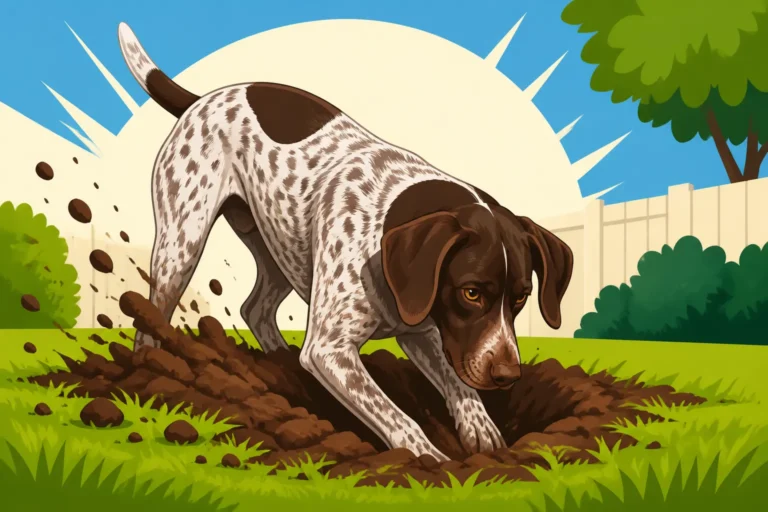
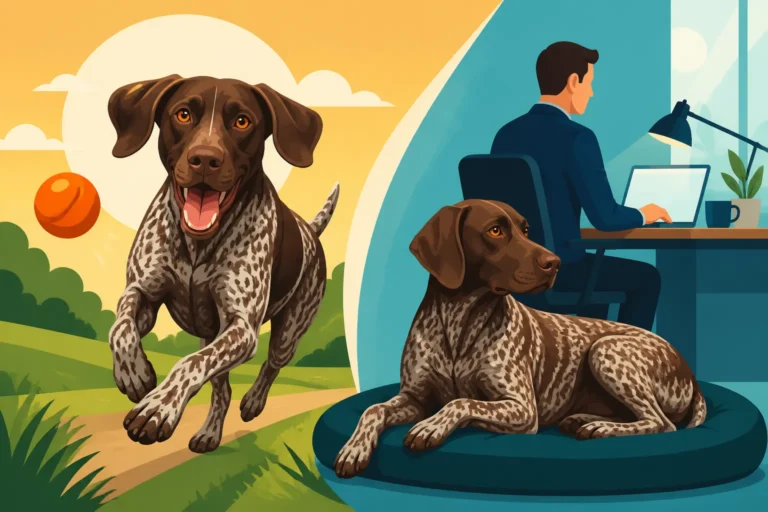
Another significant factor contributing to alone-time struggles is the GSP's incredibly high energy level and need for mental stimulation. These aren't dogs content to nap all day; they need The Two Hours a Day a German Shorthaired Pointer Needs of vigorous exercise, often more, to truly be settled. A GSP that hasn't had adequate physical and mental outlets before being left alone is like a coiled spring, ready to release that pent-up energy in destructive ways. This is why you might come home to chewed furniture or scratched doors – it’s often a manifestation of boredom, frustration, and anxiety all rolled into one. Without proper stimulation, your shorthair might find their own, often undesirable, ways to occupy themselves. If you've ever wondered What an Under Exercised Shorthair Does to a House, you know exactly what I'm talking about.
Building a Secure Foundation for Alone Time
Before you even think about leaving your GSP alone for extended periods, it's vital to lay a strong foundation of security and routine. This isn't about ignoring them; it's about teaching them that your departures are normal, temporary, and nothing to worry about.
Establishing a Consistent Routine
Dogs thrive on predictability, and GSPs are no exception. A consistent daily routine provides a sense of security that can significantly reduce anxiety when you're away. This means regular feeding times, designated potty breaks, and, critically, scheduled exercise. Make sure your GSP gets a solid workout before you need to leave them alone. A tired dog is a good dog, and a truly tired GSP is much more likely to settle down and rest rather than pace and whine. Integrate alone time into this routine from a young age, starting with very short periods. Even as adults, a predictable schedule helps them understand what to expect from their day, making your departures less jarring.
Creating a Safe and Comfortable Den
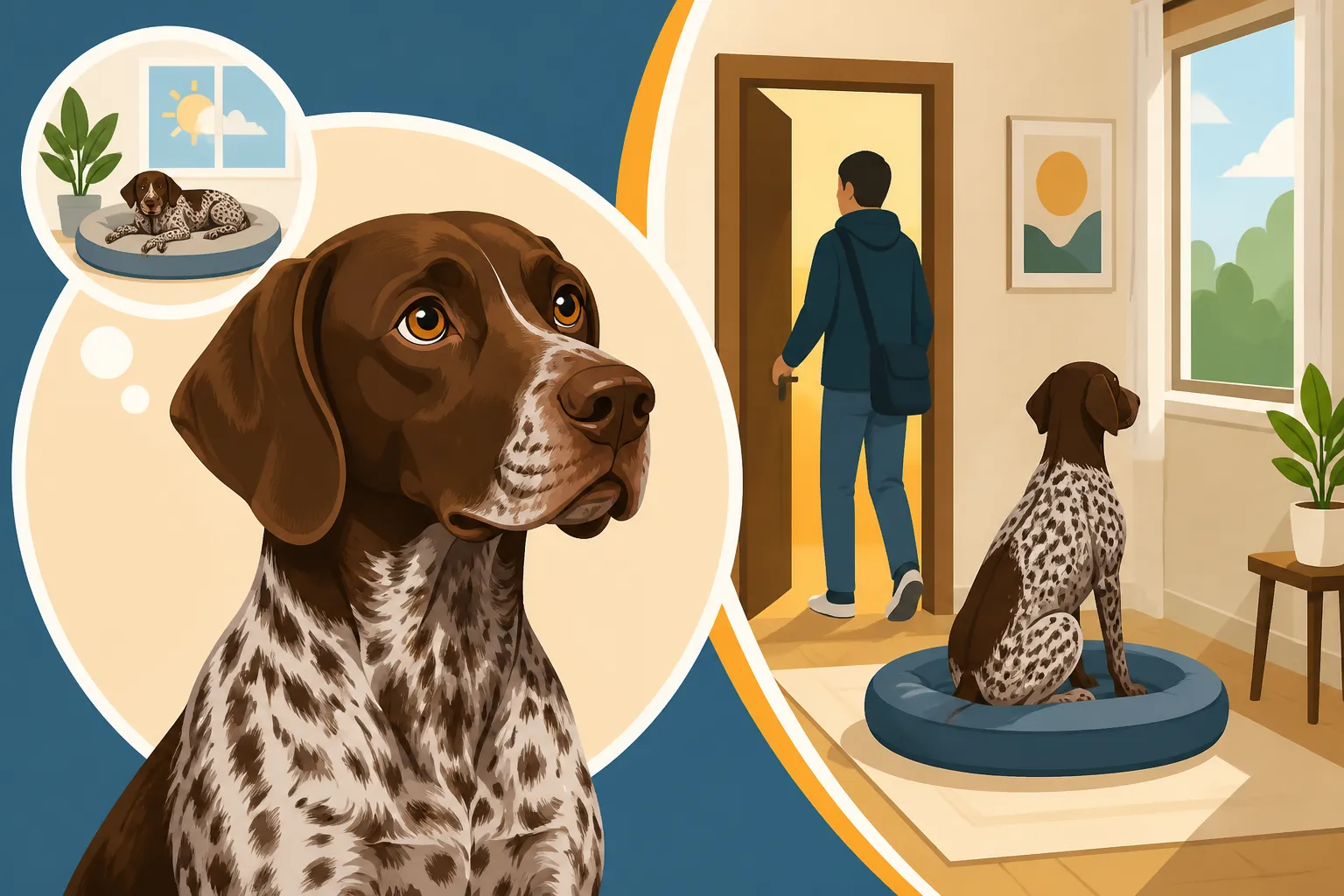
Your GSP needs a designated "safe space" where they feel secure and comfortable when alone. For many GSPs, this is a crate. A properly introduced crate becomes their den, a place of refuge rather than punishment. It should be comfortable, with soft bedding, and large enough for them to stand, turn around, and lie down easily. Make it a positive place by feeding meals inside, offering high-value chews, and never using it for punishment. If your shorthair views their crate as a sanctuary, they’ll be much calmer when confined. For some dogs, a small, dog-proofed room might serve the same purpose. The key is that this space is consistent, quiet, and free from potential hazards or temptations. To learn more about this, explore Crating a Shorthair That Has Energy to Burn and Whether Crate Time Helps a Clingy Shorthair.
Desensitizing to Departure Cues
Dogs are masters at picking up on our pre-departure rituals – grabbing keys, putting on shoes, picking up a bag. These cues can trigger anxiety before you even walk out the door. To desensitize your GSP, start performing these actions randomly throughout the day without actually leaving. Pick up your keys, jingle them, then sit back down and watch TV. Put on your coat, then go make a cup of coffee. Repeat this often. The goal is to break the association between these cues and your actual departure, making them less significant in your dog's mind. Over time, your GSP will learn that these actions don't always mean you're leaving, reducing their pre-departure stress.
Implementing a Gradual Alone-Time Training Plan
This isn't a quick fix; it's a process of gradually increasing your GSP's comfort with solitude. Patience and consistency are your best friends here.
Short, Controlled Departures
Start with incredibly short absences. We're talking seconds, not minutes. Put your GSP in their safe space with a high-value, long-lasting chew (like a bully stick or a Kong stuffed with frozen peanut butter). Walk out the door, close it, wait five to ten seconds, then re-enter quietly. Don't make a big fuss when you return. The idea is to return before your dog has a chance to get anxious or destructive. As they consistently remain calm during these very brief stints, slowly increase the duration.
Consider this progression:
- 5-10 seconds: Just out of sight.
- 30 seconds: Still calm.
- 1 minute: Still calm.
- 2-5 minutes: Continuing the pattern.
- 10-15 minutes: Now you can briefly leave the property.
The crucial part is to only increase the time if they were calm for the previous duration. If they show signs of stress (barking, whining, pacing), you've gone too far, too fast. Go back to a shorter, successful duration and build up again.
Avoiding Big Hellos and Goodbyes
As empathetic owners, our instinct is often to shower our dogs with attention when we leave and return. However, this can inadvertently reinforce anxiety around departures. When you're about to leave, keep your goodbyes low-key. A simple "Be a good boy/girl, I'll be back" is sufficient. Similarly, when you return, wait until your GSP is calm before engaging with them. Don't rush in with excited greetings. Ignore any initial whining or jumping, and once they've settled, calmly acknowledge them. This teaches them that your comings and goings are not a huge deal, just a normal part of life.
Incorporating Interactive Toys and Enrichment
A bored GSP is an anxious GSP. Providing engaging, stimulating toys specifically for alone time can be a game-changer. Puzzle feeders that dispense kibble, durable chew toys, or KONGs stuffed with treats can keep your GSP occupied and mentally stimulated, redirecting their focus from your absence. These aren't just distractions; they are enriching activities that satisfy their natural drive to work for food and to chew. Rotate these toys to keep them novel and exciting. For example, some puzzle toys are fantastic for mental engagement and can be found easily on sites like Amazon. Remember, these are tools to make alone time positive, not just to pass the time.
Tools, Enrichment, and When to Seek Help for Alone-Time Issues
Sometimes, even with the best training, our GSPs need a little extra support, or we need to recognize when the problem is deeper than simple boredom.
Beneficial Products for Alone-Time Training
There's a whole world of products designed to help dogs cope with being alone. Here are a few to consider:
- Interactive Puzzle Toys: As mentioned, these are invaluable. Look for toys that require your dog to work to get treats. Brands available on Amazon often offer a wide variety, from beginner-friendly to advanced.
- Durable Chew Toys: Ensure they are safe for unsupervised chewing.
- Calming Aids: Some owners find success with pheromone diffusers or sprays, thunder shirts, or even certain calming supplements. Always discuss supplements with your veterinarian first.
- Dog Cameras: A camera with two-way audio allows you to monitor your GSP and even speak to them if needed (though be careful not to reinforce attention-seeking behaviors). This can give you peace of mind and valuable insight into their behavior when you're away.
- Online Training Resources: Online platforms can provide structured guidance. For instance, some positive reinforcement programs, like those offered by BAXTER & Bella, include modules on separation training, guiding you through the process step-by-step with expert advice.
Here's a quick comparison of behaviors to help you distinguish between a GSP who is merely bored versus one experiencing true separation anxiety:
| Behavior | Often Indicates Boredom / Frustration | Often Indicates Separation Anxiety |
|---|---|---|
| Vocalization | Occasional barking, whining, usually stops after a bit | Persistent, frantic barking, howling, whining |
| Destructive Chewing | Chews on toys, furniture (non-exit points) | Chews at exit points (doors, windows), self-harm (paws) |
| Potty Accidents | May happen if left too long, not consistently | Frequent accidents, even if recently pottied |
| Pacing/Circling | Less common, or brief | Persistent, frantic pacing, circling, trembling |
| Escaping Attempts | Rare, unless an easy opportunity arises | Intense attempts to escape confinement |
| Obsessive Behaviors | May get into trash, counter surf | Licking lips, yawning, drooling, panting (without heat) |
| Greeting Upon Return | Happy, excited but settles quickly | Overly frantic, prolonged excitement, sometimes submissive urination |
This table can help you determine if you're dealing with typical puppy or adolescent GSP energy and frustration, or something more serious. If you recognize multiple signs of separation anxiety, it's time to seek professional help. Signs a Shorthair Is Panicking Rather Than Bored delves deeper into these distinctions.
Addressing More Severe Separation Issues
If your GSP exhibits true separation anxiety – excessive drooling, destructive behavior focused on escape routes (like A Shorthair That Chews Through Doors and Drywall), persistent howling or barking, or self-harm – it’s time to call in the professionals. This isn't something you can usually train out on your own with simple tips. A certified professional dog trainer or a veterinary behaviorist can help you devise a specific, tailored plan. They might recommend counter-conditioning exercises, medication in conjunction with behavior modification, or other specialized techniques. Remember, separation anxiety is a panic disorder for dogs, and it requires a compassionate, structured approach. Don't feel guilty about seeking help; it's the best thing you can do for your GSP's well-being.
Building your GSP’s tolerance for being alone is a journey, not a sprint. It takes dedication, understanding, and a whole lot of patience. But by consistently applying these strategies, you can help your German Shorthaired Pointer feel secure and content, whether you’re home or away. It’s about teaching them that your absence is just a temporary pause, not an ending to your wonderful companionship.
Disclaimer
This article is for general informational purposes only and does not constitute professional advice. Laws, prices and regulations vary by location and change over time. Consult a qualified professional for guidance on your specific situation.