A Shorthair That Chews Through Doors and Drywall
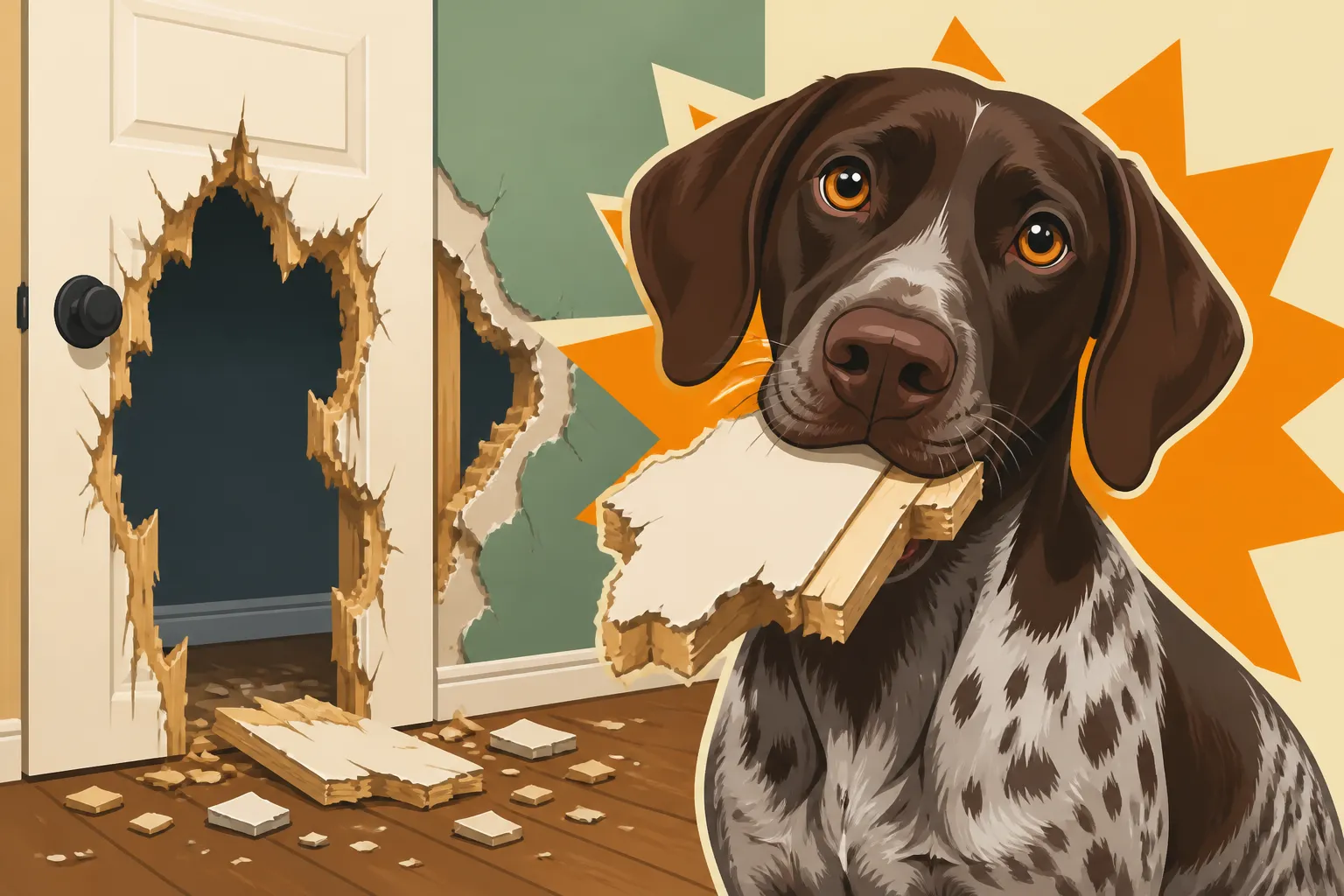
There's nothing quite like walking into your home to find your beloved German Shorthaired Pointer has redecorated… by chewing a hole straight through the drywall, or maybe even gnawing on a doorframe. It's incredibly frustrating, worrying, and expensive, leaving you wondering if your energetic companion is ever going to settle down. This guide is here to help you understand why your Shorthair might be resorting to such destructive chewing and, more importantly, what concrete steps you can take to put an end to it and reclaim your home (and your sanity!).
Understanding Why Your Shorthair Becomes a Home Decorator
When a German Shorthaired Pointer starts demolishing parts of your house, it's rarely out of spite or malice. Dogs don't work that way. Instead, destructive chewing is almost always a symptom of an underlying issue, a way for your GSP to cope with stress, boredom, or developmental stages. Pinpointing the root cause is the first critical step toward finding an effective solution.
Boredom and Insufficient Exercise
Let's be real, German Shorthaired Pointers are not couch potatoes. They were bred for endless hours in the field, covering vast distances, pointing, and retrieving. They are canine athletes with boundless energy, sharp minds, and an innate need to do something. If that incredible drive isn't channeled appropriately, it will find an outlet, and often, that outlet is your furniture, your baseboards, or your drywall.
Imagine being stuck in a small room with nothing to do for hours on end, despite having the energy to run a marathon. You'd probably get antsy, wouldn't you? For a GSP, that pent-up energy and mental under-stimulation can manifest as destructive chewing. They might start with innocent items, but if those don't provide enough release, they graduate to bigger, more challenging targets like doorframes or even digging at walls. It's not about being "bad"; it's about being unfulfilled. A short walk around the block simply isn't enough for these dogs; they need vigorous physical activity and mental engagement every single day. Without it, their minds and bodies are just buzzing, looking for a way to release that pressure. You might even notice other behaviors like excessive barking or pacing if they're not getting enough activity.
Anxiety and Stress
Another major culprit behind destructive chewing, especially the kind that targets doorways and exits, is anxiety. German Shorthaired Pointers are often described as "Velcro dogs" for a reason—they bond incredibly closely with their families. While this devotion is wonderful, it can sometimes tip into separation anxiety when they are left alone. If your Shorthair only chews when you're not home, or specifically targets doors and windows, it's a strong indicator that they're stressed by your absence.
This isn't just a dog being "naughty" because you left. It's a genuine panic response. They might try to chew their way out to find you, or simply self-soothe through the repetitive action of chewing. Other signs of separation anxiety can include excessive drooling, vocalization (barking, howling), house-soiling, or intense greetings when you return. It's heartbreaking to realize your dog is experiencing such distress, but recognizing it is key to helping them. Fear-based chewing can also occur if a dog is left in an environment where they feel unsafe, perhaps due to loud noises outside, or if they've had a traumatic experience while alone. Understanding A Shorthair That Panics Alone in the House can offer deeper insight into this specific challenge.
Puppy Teething and Exploration
Let's not forget the innocent, yet equally destructive, phase of puppyhood! Just like human babies, GSP puppies explore the world with their mouths. From about three to six months of age, they're losing their baby teeth and growing in their adult set, and this process can be uncomfortable. Chewing helps alleviate that discomfort. Everything becomes fair game: chair legs, shoes, your hands, and yes, even the corner of a wall or a doorframe that happens to be at the right height.
This isn't anxiety or boredom; it's a natural developmental stage. However, if not managed correctly, these puppy habits can quickly become entrenched adult behaviors. A puppy learns what's acceptable to chew and what isn't based on what's available and what gets a reaction from you. If they're not provided with plenty of appropriate chew toys and consistently redirected from inappropriate items, they'll just keep on munching on whatever feels good or catches their interest. This is a critical period for setting boundaries and establishing good habits.
Attention-Seeking Behavior
Sometimes, destructive chewing isn't about deep-seated anxiety or physical discomfort; it's about getting your attention. German Shorthaired Pointers are smart cookies, and they quickly learn what behaviors get a rise out of their humans. If they chew on an inappropriate item and you rush over, scolding them, chasing them, or even just making eye contact, they might interpret that as a reward—any attention is good attention, in their book.
This is especially common if your GSP isn't getting enough positive interaction or structured playtime. If they're bored and you're preoccupied, a quick chew on the corner of the rug might be just the ticket to get you to engage. The key here is to ignore the unwanted behavior (if it's safe to do so and not causing harm to the dog) and redirect them to an appropriate chew toy, then lavish them with praise and attention for chewing on that. It requires patience and consistency, but it teaches them that desirable behaviors are what get them what they want.
Strategies to Stop the Destructive Chewing
Once you have a better idea of why your German Shorthaired Pointer is chewing through your house, you can start implementing targeted strategies to address the behavior. It’s a holistic approach, often requiring changes in routine, environment, and training.
Maximize Exercise and Mental Stimulation
This is non-negotiable for a German Shorthaired Pointer. They are built for endurance and intelligent work. If your Shorthair is chewing out of boredom or pent-up energy, increasing their physical and mental exercise is your most powerful tool. Aim for at least The Two Hours a Day a German Shorthaired Pointer Needs of vigorous activity. This isn't just a stroll around the block; this means serious, heart-pumping exercise.
Think about activities that engage both their body and their incredible nose. Long off-leash runs in a safe, fenced area are fantastic. Consider biking with your dog (once they're old enough and properly conditioned) or incorporating swimming into their routine. Flirt poles can mimic prey and provide a quick burst of intense exercise. Beyond physical exertion, challenge their minds. Training sessions, even short ones throughout the day, can be incredibly tiring for a GSP. Hide-and-seek with treats or toys, teaching new tricks, or even advanced scent work can wear them out mentally. Puzzle feeders are also excellent for meal times, making them work for their food rather than just gobbling it down. Regular, consistent engagement will drastically reduce their need to invent their own "jobs" by destroying your home.
Managing Anxiety and Fear
If separation anxiety or fear is the root cause, addressing the underlying emotional distress is paramount. Punishment will only make anxiety worse. Start by creating a safe, comfortable space for your dog. For many GSPs, a well-introduced crate can be a den of security. Make it a positive place with soft bedding, favorite toys, and high-value treats given only when they're in the crate. Never use the crate as punishment.
Gradually desensitize your GSP to your departures. Start with very short absences—just stepping out the door for a minute, then coming back in before they show signs of anxiety. Slowly increase the duration over days or weeks. Leave them with a special, high-value chew toy or a food-stuffed Kong right before you leave, which they only get when you're gone. This helps them associate your departure with something positive. You might also explore calming aids, such as pheromone diffusers or vet-prescribed anti-anxiety medications in severe cases. Some owners find classical music or specific dog relaxation playlists helpful in masking outdoor noises and creating a calm atmosphere. A strong training foundation, like that offered by programs such as BAXTER & Bella, can also help build your dog's confidence and reduce overall anxiety.
Providing Appropriate Chewing Outlets
Regardless of the reason for chewing, your GSP needs appropriate things to chew on. This is where you can redirect that natural instinct. German Shorthaired Pointers have powerful jaws, so choose durable, size-appropriate chew toys designed for strong chewers.
- Rubber Puzzle Toys: Brands like Kong offer toys that can be stuffed with peanut butter, yogurt, or kibble and frozen, providing a long-lasting, mentally stimulating chew.
- Durable Chew Bones: Look for Nylabones or similar products that are designed for aggressive chewers. Always ensure they are non-toxic and won't splinter.
- Natural Chews: Items like bully sticks, yak chews, or deer antlers can be good options, but always supervise your dog with these and choose appropriate sizes to prevent choking hazards or dental damage. Avoid rawhide, which can be difficult to digest and pose choking risks.
- Rotation is Key: Don't leave all the toys out all the time. Rotate them to keep things interesting and prevent your dog from getting bored with their options. When you catch your GSP chewing on something inappropriate, gently interrupt, then immediately redirect them to an approved chew toy and praise them lavishly when they start chewing on it.
Creating a Safe Environment
"Puppy-proofing" isn't just for puppies; it's a lifelong endeavor with a GSP, especially if they're prone to destructive chewing. Remove temptations and restrict access to vulnerable areas.
- Remove or Cover Temptations: Store shoes, remote controls, and other enticing items out of reach. Cover furniture legs with chew-proof wraps if they're a target.
- Bitter Sprays: Products like "Bitter Apple" or similar deterrents from Amazon can be sprayed on doorframes, baseboards, or other off-limits items. Most dogs find the taste unappealing, though some dedicated chewers might power through. Test a small, inconspicuous area first to ensure it doesn't stain.
- Barriers: Use baby gates or exercise pens to restrict your GSP's access to rooms where they are prone to destructive chewing, particularly when you can't supervise them directly. This is especially helpful if your dog tends to focus on a particular spot, like a specific doorway or corner of a wall.
- Secure Doors and Windows: Ensure all exits are secure if anxiety is a factor. Your GSP trying to chew through a door might be attempting to escape, and you want to prevent them from injuring themselves or getting outside.
Implementing Training and Redirection
Effective training is the cornerstone of managing destructive chewing. It's about teaching your German Shorthaired Pointer what is acceptable and reinforcing those behaviors consistently.
Teaching "Leave It" and "Drop It"
These two commands are invaluable for any dog owner, but especially for those with an oral fixation like GSPs. "Leave It" teaches your dog to ignore an item, while "Drop It" tells them to release something they already have in their mouth.
- "Leave It": Start with a treat in your closed hand. Say "Leave It" and present your fist. Your dog will likely try to sniff, lick, or paw at it. Wait patiently. The moment they back away or look at you, open your hand and immediately give them another, even higher-value treat from your other hand, or toss a separate treat on the floor for them. Practice this many times. Once they consistently leave your hand alone, progress to placing a low-value item on the floor, saying "Leave It," and rewarding them for ignoring it. Gradually increase the value of the item and the duration they have to leave it.
- "Drop It": Start by having your dog hold a low-value toy. Offer a high-value treat right to their nose. As they open their mouth to take the treat, say "Drop It." When they release the toy, give them the treat. Immediately pick up the toy and repeat. The goal is for them to associate "Drop It" with getting something better and for them to understand that dropping the item isn't losing it forever, but a momentary exchange. Practice this with various toys and items, always making the trade worthwhile for your dog.
These commands create a bridge, allowing you to proactively prevent chewing on inappropriate items and retrieve them safely if they do grab something they shouldn't.
Positive Reinforcement and Consistency
Positive reinforcement is the most effective way to modify behavior with German Shorthaired Pointers. They are eager to please and respond incredibly well to rewards for good choices. When your GSP chews on an appropriate toy, praise them enthusiastically, give them a treat, or engage in a quick game of fetch. Make it clear that chewing that item makes you happy.
Consistency is absolutely critical. Everyone in the household needs to be on the same page. If one person allows the dog to chew on an old shoe while another scolds them for it, your GSP will become confused and the unwanted behavior will persist. Establish clear rules and stick to them. Provide appropriate outlets, supervise diligently, and redirect firmly but kindly. Your GSP won't understand "no" if it's not followed by a clear alternative. Building a strong bond through consistent training and positive interactions will empower your GSP to make better choices. The Structure a German Shorthaired Pointer Needs Daily is not just about physical activity, but also about consistent rules and boundaries that help them feel secure and understand their role in the family.
Seeking Professional Help
Sometimes, despite your best efforts, the destructive chewing persists or is accompanied by other concerning behaviors that you feel ill-equipped to handle alone. This is not a failure on your part; it's a sign that you need an expert.
- Certified Professional Dog Trainer (CPDT-KA): A good positive reinforcement trainer can assess your GSP's behavior, help identify the underlying cause, and develop a tailored training plan. They can teach you effective techniques for behavior modification and help you implement them correctly.
- Veterinary Behaviorist: For severe cases of anxiety, particularly separation anxiety, or when chewing is extreme and self-harming, a veterinary behaviorist is the best choice. These are veterinarians who specialize in animal behavior and can prescribe medication if necessary, in conjunction with behavior modification protocols. They can rule out any underlying medical conditions that might be contributing to the behavior, which is always a good first step with any sudden behavioral change.
Working with a professional can provide fresh eyes, expert knowledge, and the tools you need to overcome these challenging behaviors, ensuring a happier, healthier life for both you and your German Shorthaired Pointer.
Here's a quick overview of common chewing reasons and how to address them:
| Reason for Chewing | Common Signs | Key Solutions |
|---|---|---|
| Boredom/Under-stimulation | Chews on various items; no specific target; appears energetic | Increase physical exercise (2+ hrs/day), mental games, puzzle toys |
| Separation Anxiety | Chews at exits (doors, windows); only when alone; other anxiety signs | Gradual departures, safe space (crate), calming aids, high-value long chews |
| Puppy Teething/Exploration | Chews on anything, often at eye level; 3-6 months old | Provide many appropriate chew toys, redirect, supervise heavily |
| Attention-Seeking | Chews when you are present but ignoring them; stops when you react | Ignore unwanted chewing, immediately redirect to approved toy & reward |
| Fear/Stress (not separation) | Chews during storms, loud noises; tries to hide | Create safe den, desensitize to triggers, calming aids, consider vet behaviorist |
Remember, patience and consistency are your greatest allies. Your German Shorthaired Pointer wants to please you, and with the right approach, you can guide them away from destructive habits and towards appropriate, fulfilling behaviors.
Disclaimer
This article is for general informational purposes only and does not constitute professional advice. Laws, prices and regulations vary by location and change over time. Consult a qualified professional for guidance on your specific situation.