Cold and Heat on a Shorthair With Almost No Coat
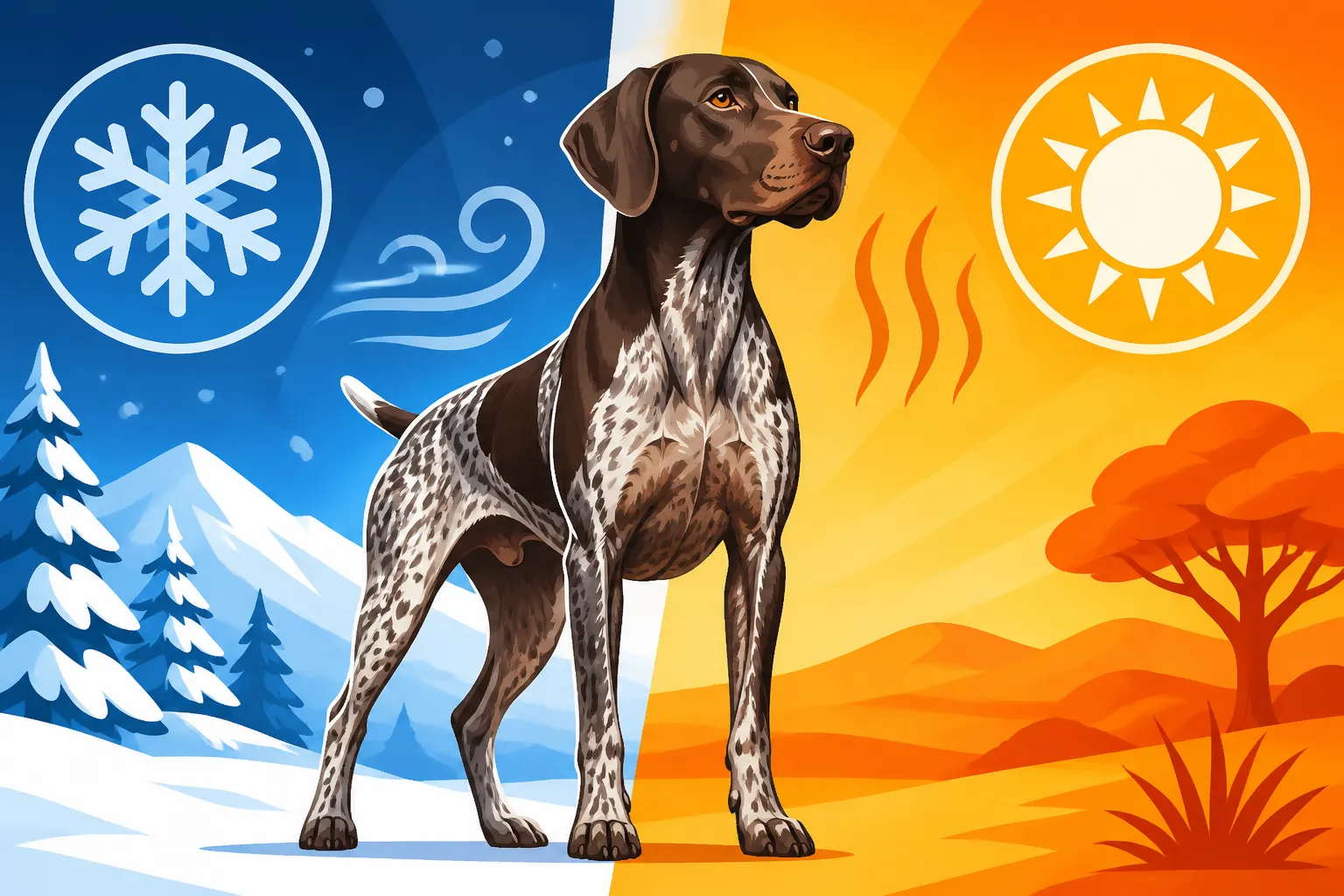
It's a common misconception that because German Shorthaired Pointers are sporting dogs, they're naturally equipped to handle any weather condition thrown their way. However, their incredibly short, dense coat, while amazing for shedding water and navigating thick cover, offers surprisingly little insulation against extreme cold and can exacerbate heat issues. This guide is here to help you understand the nuances of keeping your beloved GSP safe, comfortable, and healthy, no matter if the thermometer is plunging or soaring.
Understanding the German Shorthaired Pointer's Unique Coat and Its Limitations
When you look at a German Shorthaired Pointer, their sleek, short coat is one of their defining features. It's often described as a "wash and wear" coat, incredibly easy to maintain compared to many other breeds. But what makes it so practical for navigating thorny briars and shedding muddy water also leaves them vulnerable to the elements in ways owners sometimes overlook. This isn't a double coat like a Labrador's, nor does it have the coarse, insulating wire of a German Wirehaired Pointer.
The Anatomy of a Shorthair's Coat
A GSP's coat consists of thick, stiff hairs, generally shorter on the head and ears, and slightly longer on the underside of the tail. This texture is fantastic for protecting against scrapes and punctures from brush, and it helps water bead off rather than soak through to the skin. It's a single layer, not a thick undercoat paired with guard hairs. This characteristic, while functional for its original purpose of hunting in moderate climates and retrieving from water, means there's simply less material to trap air and create an insulating layer against bitter cold. Think of it like wearing a t-shirt in winter – it might keep a light chill off, but it's no match for serious freezing temperatures.
The coat is also remarkable for how quickly it dries. After a swim or a rainy hunt, a quick shake often leaves them mostly dry, preventing them from staying waterlogged and potentially chilling down too much. This quick-drying ability is a testament to its design for efficiency in the field. However, even with this trait, prolonged exposure to cold, wet conditions without proper drying and warmth can lead to hypothermia much faster than in a dog with a more substantial coat. You can read more about The Water Resistant Coat a Shorthair Carries if you're interested in the specifics.
Why the Short Coat Poses Challenges in Extreme Weather
The primary challenge with a GSP's short coat is its limited thermal regulation capacity. In cold weather, without a thick undercoat to provide insulation, their body heat dissipates rapidly. Imagine your own skin exposed to winter air; that's essentially what your GSP's body experiences. This makes them highly susceptible to hypothermia, especially when inactive or wet. A brisk run might keep them warm for a time, but sitting in a blind, waiting, or traveling in an unheated kennel can quickly lead to dangerous drops in body temperature.
Conversely, in hot weather, while the short coat doesn't trap heat as much as a thick, dense coat might, it also doesn't offer much protection from direct sun exposure. Their skin can still absorb significant radiant heat, and areas with sparse hair or white markings are particularly prone to sunburn. They also rely on panting to cool down, and if the ambient air is too hot or humid, this evaporative cooling becomes less effective. The lack of a thick coat doesn't grant them immunity to overheating; it simply presents a different set of considerations for managing heat.
Protecting Your Shorthair in Freezing Conditions
Winter can be a magical time for outdoor enthusiasts, and many German Shorthaired Pointers thrive in the snow, eager to chase birds or just bound through fresh powder. However, their physical makeup demands extra vigilance when temperatures drop, sometimes even when they just seem a little chilly to us. You can usually tell whether a Shorthair shivers easily – and the answer is often, yes, they do!
Recognizing the Signs of Cold Stress and Hypothermia
It's crucial to be able to identify when your GSP is getting too cold. Early signs might be subtle, but they escalate quickly. Shivering is often the first visible sign, and it's your dog's body attempting to generate heat. They might hunch their back, tuck their tail, or try to huddle close to you or other dogs for warmth. Their ears or paw pads might feel unusually cold to the touch. In more severe cases, you might notice them slowing down, appearing lethargic, or even stumbling. Their gums might look pale or bluish, and their breathing could become shallow.
If these signs progress, your dog could be heading towards hypothermia, a dangerously low body temperature. This is a medical emergency. At this stage, they might be unresponsive, stiff, or collapse. Their heart rate and breathing will slow dramatically. It’s not just about comfort; it's about survival. You need to be aware of these indicators, especially if you're out in the field for extended periods or if your dog is exposed to cold water. Never underestimate how quickly a GSP can become dangerously cold, even if they seem to be having a grand time.
Essential Cold Weather Gear and Practices
To combat the cold, proactive measures are key. For starters, a good quality coat or vest is indispensable. Look for options that are waterproof and insulated, providing warmth without restricting movement. Brands like those found on Amazon or Chewy offer a wide range of insulated vests designed for active dogs. This is particularly important for older dogs or those with a thin coat that shows every scrape. A well-fitting coat can significantly extend their comfortable time outdoors, whether they're hiking, hunting, or just playing in the backyard. Remember, Vests and Coats a German Shorthaired Pointer Actually Needs are not just for aesthetics; they are vital for protection.
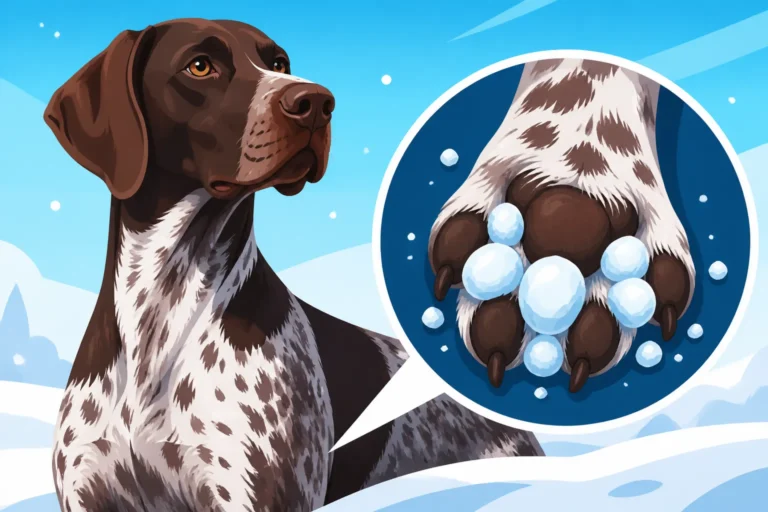
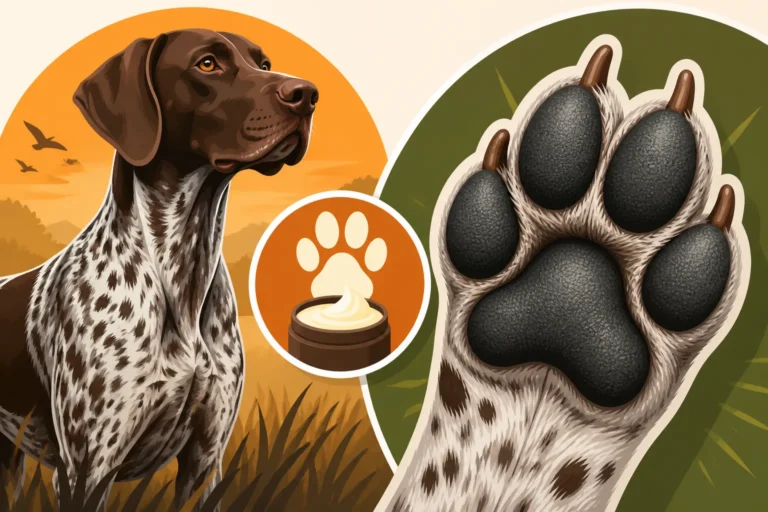
Paw protection is another critical element. Snow, ice, and especially de-icing salts can be harsh on sensitive paw pads, leading to cracks, irritation, or even frostbite. Dog booties can provide an excellent barrier, though it might take some training for your GSP to get used to wearing them. Alternatively, paw balms or waxes can create a protective layer. Always check their paws after being outside, looking for ice balls between their toes or any signs of redness or cracking. When they come inside, a quick rinse of their paws can remove any salt or chemicals.
Furthermore, ensure they have a warm, dry place to rest. If they're crated in a vehicle, make sure the vehicle is warm, or provide extra blankets in a well-insulated crate. Heated dog beds are also an option for indoor comfort. When it's truly frigid, limit their time outdoors, and keep them moving to generate body heat. Never leave them unattended in a cold car or kennel for long.
Post-Exposure Warming Strategies
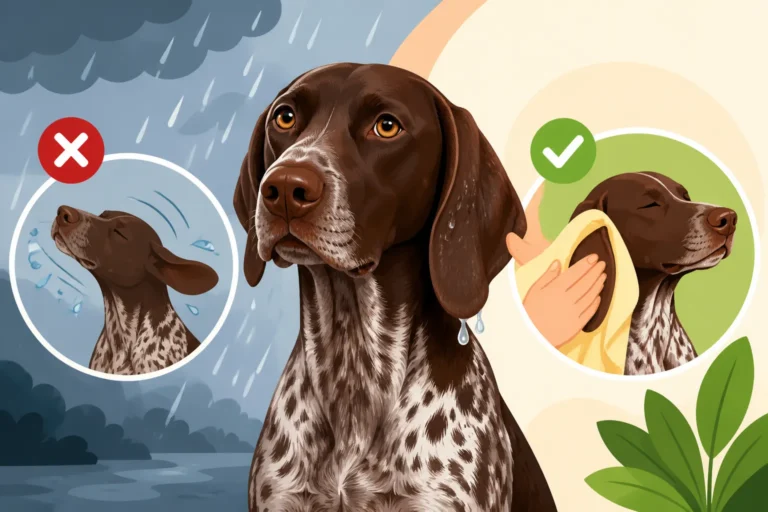
After your GSP has been out in the cold, even if they don't show severe signs of cold stress, it’s wise to help them warm up gradually. Towel-dry them thoroughly if they're wet, paying special attention to their ears and paws. You can use a dog-safe hair dryer on a low, cool setting if needed, but be careful not to overheat them too quickly, and always keep your hand moving. Provide a warm, comfortable bed away from drafts.
If you suspect mild hypothermia (e.g., persistent shivering, lethargy), wrap them in warm towels or blankets. You can also use hot water bottles (wrapped in towels to prevent burns) placed against their body, particularly around their chest and abdomen. Offer warm, not hot, water to drink. If their condition doesn't improve quickly, or if they seem disoriented or unresponsive, it's time for an emergency vet visit. They might need professional rewarming and monitoring.
Managing Heat Stress: When the Temperature Soars
Just as the cold poses risks, the summer heat can be equally, if not more, dangerous for a German Shorthaired Pointer. Their drive to work and play often overrides their natural instincts to slow down, meaning owners must be diligent in managing their exposure. Understanding How Hot Is Too Hot for a German Shorthaired Pointer is paramount.
Recognizing the Signs of Heat Stress and Heatstroke
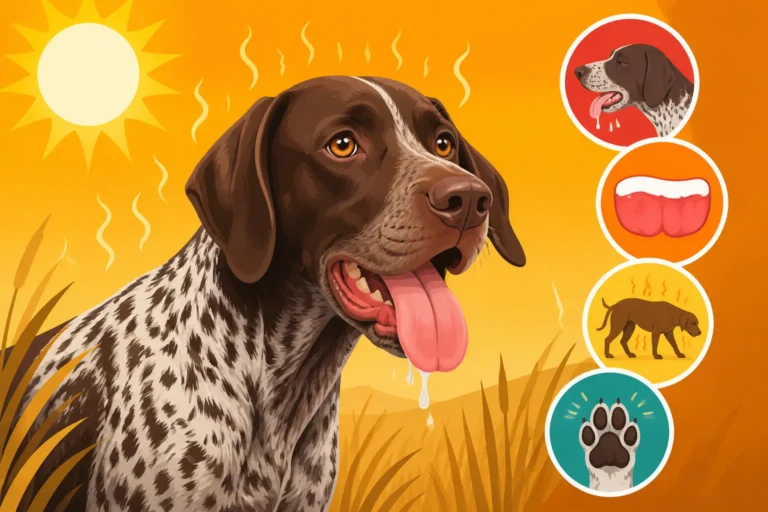
Heat stress can creep up quickly, especially in a high-energy GSP. Initial signs might include excessive panting, drooling, or a reddening of the gums. They might seem more lethargic than usual, seeking shade or water more frequently. As heat stress progresses to heatstroke, the symptoms become more severe and life-threatening. You might see stumbling, disorientation, vomiting, diarrhea, or even seizures. Their body temperature can rise dangerously high, sometimes over 105°F (40.5°C), which can cause organ damage.
It's critical to note that while a GSP's short coat doesn't trap heat like a thick one, direct sun exposure can still cause their skin to heat up rapidly. Moreover, their willingness to push themselves in the field means they can easily overexert, generating internal body heat that their panting mechanism struggles to dissipate in hot, humid conditions. This is why Signs a Shorthair Is Overheating in the Field are so important to recognize quickly.
Cooling Strategies and Preventing Overheating
Prevention is always the best approach. On hot days, adjust your exercise schedule to the cooler parts of the day – early mornings or late evenings. Avoid exercising during the peak heat, typically between 10 AM and 4 PM. If you must be outside, keep sessions short and intense, with frequent breaks in the shade. Access to fresh, cool water is non-negotiable; bring plenty for both you and your dog. You can find excellent portable water bowls and bottles on Amazon or Chewy for field use.
Cooling vests or bandanas, soaked in cold water, can help regulate their body temperature during warm-weather outings. These vests often use evaporative cooling to draw heat away from the dog's body. If your GSP loves water, allow them to swim in clean, cool bodies of water, but be mindful of potential hazards like blue-green algae. For dogs spending time in the yard, provide ample shade and a kiddie pool filled with shallow water for them to cool off in.
Never, ever leave your GSP in a parked car, even for a "quick" errand. The temperature inside a car can skyrocket in minutes, even on moderately warm days, creating a deadly oven. Even with windows cracked, it's just not safe.
Immediate Action for Overheated Shorthairs
If you suspect your GSP is overheating, immediate action is vital. First, get them into a cooler environment, ideally air-conditioned if available, or at least deep shade. Offer them cool (not ice cold, as this can cause shock) water to drink in small amounts. You can also apply cool water to their body, focusing on their paw pads, armpits, and groin area, where major blood vessels are close to the surface. Wet towels can be draped over them, or you can use a fan to aid evaporative cooling.
Monitor their temperature if you have a rectal thermometer, aiming to bring it down gradually to around 103°F (39.4°C). Once it reaches this point, stop active cooling to prevent overcooling. Even if your dog seems to recover, a vet visit is still highly recommended after a heatstroke episode. Internal organ damage can occur even without obvious outward signs, and your vet can assess any underlying issues and provide necessary care. The situation can turn serious quickly, leading to something like Heat Stroke in a September Shorthair if not managed well.
Essential Gear for Temperature Regulation
Equipping your German Shorthaired Pointer with the right gear can make all the difference in their comfort and safety across various temperatures. It's not about being pampered; it's about providing the necessary tools for a high-performance athlete to thrive.
Cold Weather Apparel and Accessories
For cold weather, insulated vests and jackets are at the top of the list. When selecting a coat, look for options that cover a good portion of their back and chest, are waterproof or water-resistant, and allow for a full range of motion. Many active dog brands offer excellent choices designed for hunting and outdoor sports, often with blaze orange or reflective elements for visibility. I've found some fantastic durable options through Chewy that hold up to tough field conditions.
In addition to coats, paw protection cannot be overstated. Dog boots come in various materials, from durable rubber for extreme conditions to lighter, more flexible options for milder cold. They protect against ice, snow, salt, and abrasive surfaces. If boots aren't an option, paw wax can create a protective barrier, preventing cracking and dryness. Always ensure any paw protection fits well to avoid rubbing or discomfort.
For dogs spending time in outdoor kennels, even insulated ones, consider a heated bed or mat. These provide a constant source of warmth, ensuring they can rest comfortably and safely. Similarly, for car travel, a well-insulated crate with extra blankets can help retain warmth, especially if your vehicle isn't consistently heated in the cargo area.
Hot Weather Apparel and Accessories
When the mercury rises, cooling gear becomes indispensable. Evaporative cooling vests are popular, designed to be soaked in water and then worn, allowing the water's evaporation to draw heat from the dog's body. Cooling bandanas work similarly for the neck area. These are great for walks, hikes, or even just relaxing outdoors on a warm day.
Portable water bowls and hydration packs are non-negotiable. Many options collapse flat for easy transport, allowing you to carry enough water for your GSP (and yourself) for extended outings. These are readily available from retailers like Amazon. Consider adding an electrolyte supplement to their water on particularly strenuous or hot days to help replenish essential minerals, which we'll discuss further in the nutrition section.
Sun protection is also a consideration, especially for GSPs with large white patches or pink noses. While there are dog-specific sunscreens, often applied to the nose and ear tips, the best protection is always shade and limited exposure during peak UV hours. Some specialized dog goggles or hats are available, though many GSPs might resist wearing them.
Seasonal Gear Checklist Table
To help you keep track, here's a quick checklist of essential gear for managing your GSP's comfort in varying temperatures.
| Season/Condition | Essential Gear | Purpose |
|---|---|---|
| Cold/Winter | Insulated, waterproof dog coat/vest | Provides warmth, wind/water resistance |
| Dog booties or paw wax | Protects paw pads from ice, snow, salt, abrasions | |
| Thermal blankets/heated bed (for resting) | Adds warmth in crates, kennels, or resting areas | |
| Insulated crate cover | Helps retain heat in travel crates | |
| Reflective/blaze orange gear | Enhances visibility in low light/snow conditions | |
| Hot/Summer | Evaporative cooling vest/bandana | Helps dissipate body heat through evaporation |
| Portable water bottle/bowl | Ensures constant access to fresh, cool water | |
| Shade structures (e.g., pop-up canopy) | Provides respite from direct sun in the field | |
| Doggie pool/splash pad | Offers a safe way for dogs to cool down at home | |
| Sunscreen (dog-specific, for sensitive areas) | Protects nose/ears from sunburn (use sparingly) | |
| All Seasons | First-aid kit (incl. wound care, thermometer) | Preparedness for minor injuries or temperature-related issues |
| High-quality leash and collar | Control and safety during outdoor activities |
Nutritional Support for Temperature Extremes
Just like human athletes, a German Shorthaired Pointer's dietary needs can shift dramatically depending on their activity level and the environmental temperature. Providing the right nutrition is crucial for maintaining their energy, body condition, and overall health in challenging conditions.
Adjusting Diet for Cold Weather Energy Needs
In cold weather, your GSP's body burns more calories to maintain its core temperature, even when resting. If they're actively hunting or exercising in the cold, their caloric expenditure can skyrocket. You might notice your dog losing weight even if they seem to be eating their regular amount. This is a clear sign their diet needs an adjustment. You'll definitely want to know Putting Weight Back on a Shorthair After Hunting.
Typically, this means increasing their food intake or switching to a higher-calorie, higher-fat performance dog food. Look for foods specifically formulated for active or working dogs, often labeled with higher protein and fat percentages. The added fat provides a concentrated source of energy, helping them maintain their body condition and generate internal warmth. Brands like Purina Pro Plan Sport or Eukanuba's working dog formulas are popular choices among GSP owners. Some owners even supplement with healthy fats like salmon oil (which also helps with skin and coat health) or simply add an extra meal or larger portion. It's about finding the right balance to keep them lean and hard, but not underweight.
Hydration is also critical in cold weather, though often overlooked. Dogs can become dehydrated even in winter, especially if they're eating snow instead of drinking water, or if water bowls freeze. Always ensure access to fresh, unfrozen water, both at home and in the field.
Managing Hydration and Appetite in Hot Weather
In contrast to cold weather, high temperatures often lead to decreased appetite in dogs, but an increased need for hydration. Your GSP might not be as enthusiastic about their kibble when it's sweltering, which is normal. However, maintaining proper nutrition and hydration is still vital, especially if they're still exercising, albeit lightly.
Focus on fresh, cool water access. Adding ice cubes to their water bowl can encourage them to drink more. Consider offering wet food or mixing water into their kibble to boost hydration. Some owners even prepare frozen treats, like Kongs stuffed with wet food or broth and frozen, to provide a cooling snack that also delivers some calories. If your dog's appetite significantly decreases for an extended period, or if they seem unusually lethargic, consult your vet.
Electrolyte supplements can be beneficial on particularly hot or strenuous days, helping to replenish minerals lost through panting and sweating (yes, dogs do sweat a little through their paw pads). These are often added to water and can be found at pet supply stores or online through retailers like Chewy or Amazon. Just be sure to use dog-specific formulations and follow dosage instructions carefully. For those interested in alternative feeding, a fresh food option like Ollie might be appealing, as the higher moisture content can contribute to hydration.
Recognizing and Responding to Temperature-Related Emergencies
Despite our best efforts, sometimes things go wrong, and our German Shorthaired Pointers can face temperature-related emergencies. Knowing how to act swiftly and correctly can be the difference between a scary situation and a tragic one.
First Aid for Hypothermia and Frostbite
If you suspect your GSP is suffering from hypothermia, the immediate goal is to raise their body temperature gradually. Get them to a warm, dry place. Wrap them in blankets or towels, ideally warmed in a dryer first. You can use hot water bottles or warm (not hot!) rice socks placed against their core, making sure there's always a barrier between the heat source and their skin to prevent burns. Keep them moving as little as possible to conserve energy. Offer small amounts of warm broth or water. If they are unresponsive or their condition doesn't improve quickly, seek emergency veterinary care. They may need intravenous fluids and active rewarming techniques.
Frostbite can occur on exposed areas like ear tips, paw pads, or tail tips. Affected skin might appear pale, waxy, or grayish. Do NOT rub the affected area, as this can cause further tissue damage. Instead, gently warm the area with warm water (around 100-104°F or 38-40°C), using warm compresses. Once warmed, the area might become red and swollen, and blisters could form. This is extremely painful, and you should seek veterinary attention immediately. Frostbite can lead to permanent tissue damage, and your vet can provide pain relief and prevent infection. This is especially a concern when you're out in a duck blind for a long time, potentially leading to Frostbite on a Late Season German Shorthaired Pointer.
Emergency Care for Heatstroke
Heatstroke is a life-threatening emergency. If your GSP collapses, is unresponsive, or shows severe symptoms like seizures, get them to a veterinarian immediately. On the way, begin active cooling: wet them down with cool water, focusing on the head, neck, armpits, and groin. Use a fan if available. Do NOT use ice-cold water, as this can cause blood vessels to constrict, trapping heat inside, and can induce shock.
Once at the vet, they can provide intravenous fluids to combat dehydration and shock, monitor organ function, and continue controlled cooling. Time is critical with heatstroke, as prolonged high body temperatures can lead to irreversible damage to vital organs. Even if your dog seems to recover on their own, a vet check-up is crucial to ensure there are no lingering internal issues.
Building a Comprehensive First-Aid Kit
Every German Shorthaired Pointer owner, especially those who spend time outdoors, should have a well-stocked first-aid kit ready for both you and your dog.
Here's what I recommend including:
- Thermometer: A digital rectal thermometer is essential for accurately checking their temperature.
- Bandages and Gauze: For wounds and wraps.
- Antiseptic Wipes/Solution: Like Betadine or chlorhexidine, for cleaning minor cuts.
- Vet Wrap: Self-adhering bandage material.
- Tweezers: For removing splinters, thorns, or ticks.
- Paw Balm/Wax: To protect and soothe paw pads.
- Emergency Blanket: A Mylar emergency blanket can help retain body heat in cold emergencies.
- Cooling Towel: For heat emergencies.
- Scissors: Blunt-nosed trauma shears are best for safely cutting through fur or clothing.
- Prescribed Medications: Any regular medications your dog needs.
- Contact Info: Your vet's number, emergency vet clinic number.
Having these items readily available, both at home and in your vehicle, means you can address minor issues quickly and provide immediate support in a crisis before professional help arrives.
Training and Acclimation for All Seasons
Just like any athlete, your German Shorthaired Pointer needs to be properly conditioned and acclimated to handle the demands of working in various temperatures. You can't just expect them to go from a warm couch to a freezing field without preparation.
Gradual Acclimation to Temperature Changes
Acclimation is about gradually exposing your dog to changing temperatures so their body can adapt. This means not waiting until the first snowstorm to introduce them to cold weather gear or letting them run in summer heat without previous exposure.
As seasons change, slowly increase the duration of their outdoor time, allowing their body to adjust. In the fall, as temperatures begin to drop, take longer walks or short training sessions in cooler weather before it gets truly frigid. This helps their metabolism and circulation adapt. Similarly, in spring, gradually expose them to warmer days, shortening strenuous activity as the mercury rises. Don't jump from indoor comfort to an all-day hunt in extreme conditions without this conditioning period.
For dogs accustomed to being primarily indoors, even moderate temperature changes can be a shock. Start with short periods outside and slowly build up. This is particularly important for puppies and senior dogs, whose thermoregulatory systems may not be as robust. Caring for a German Shorthaired Pointer After Nine often means being extra cautious with temperature.
Conditioning for Seasonal Activities
Specific conditioning can also help. For cold weather, maintaining a good lean body condition is important. While they need extra calories, they shouldn't be overweight, as excess fat can hinder movement. Consistent exercise year-round helps build stamina and cardiovascular health, which is beneficial in any temperature. Running, biking, or swimming in cooler water can prepare them for colder conditions, but again, always with gradual introduction and careful monitoring.
For hot weather work, focus on building endurance gradually in cooler parts of the day. Roading (running next to a bicycle or vehicle) is a great way to build fitness, but must be done when temperatures are mild. Water work, like retrieving dummies from a pond, can be an excellent way to exercise without overheating, as the water helps to cool them down. Always ensure the water is clean and safe, without strong currents or harmful algae. The goal is to build fitness without overstressing their system in extreme heat.
The Importance of Listening to Your Dog
Ultimately, the best guide to your GSP's comfort level is your dog themselves. Pay attention to their subtle cues. If they start shivering, slowing down, or seeking shade, it's time to adjust. A GSP's drive to please and their boundless energy can often mask discomfort, so you need to be proactive in your observations.
Don't push them past their limits, especially in extreme temperatures. A dog that is usually enthusiastic but suddenly lags or shows reluctance might be telling you they're too hot or too cold. Early intervention based on these observations is always better than waiting for severe symptoms to appear. Understanding their individual tolerance and being flexible with your plans is key to their long-term health and your enjoyment of their companionship, no matter the season. Sometimes, the best training is knowing when to call it a day.
Long-Term Considerations for a Lifetime of Comfort
Owning a German Shorthaired Pointer means a long-term commitment to their well-being, which includes thinking about how their short coat impacts their health and comfort throughout their lives. This isn't just about surviving a single season; it's about setting them up for a lifetime of activity and enjoyment.
The Impact of Age and Health Conditions
As your GSP ages, their ability to regulate body temperature naturally can decline. Older dogs may have thinner coats, less muscle mass, or underlying health conditions that make them more susceptible to both cold and heat. A senior GSP might feel the cold much more intensely than a young, robust dog, requiring thicker coats or more time indoors. Similarly, an older dog with heart conditions or respiratory issues will be at a much higher risk for heatstroke.
Dogs on certain medications might also have altered temperature regulation. For example, some medications can increase sun sensitivity, while others might affect their ability to sweat or pant effectively. Always discuss temperature precautions with your veterinarian if your GSP has any chronic health issues or is on long-term medication. Regular vet check-ups can help catch any developing issues that might impact their temperature tolerance.
Environmental Design for Year-Round Comfort
Beyond individual gear, consider your home and yard environment. If your GSP spends time outdoors, ensure they have access to adequate shelter from the sun, wind, and rain. A well-insulated dog house with raised bedding can make a huge difference in winter. In summer, multiple shaded areas are crucial, and a source of fresh, cool water should always be available.
For indoor GSPs, maintain a comfortable ambient temperature. While you might enjoy a brisk house in winter or a warm one in summer, your dog might appreciate a more moderate climate. During hot spells, ensure good air circulation, and consider cooling mats or elevated beds that allow air to flow underneath. In winter, ensure their sleeping areas are away from drafty windows or doors. Small changes to their immediate environment can greatly enhance their comfort.
Embracing the Versatility of Your GSP Safely
German Shorthaired Pointers are renowned for their versatility – they can go from the field to the show ring to being a beloved family pet. This adaptability extends to their desire to be active in all conditions. Our role as owners is to ensure this versatility is exercised safely and responsibly.
This means being prepared for every outing, having the right gear, and always prioritizing their health over our own plans. It means knowing when to modify a training session, shorten a hunt, or even stay home if the weather is truly extreme. By understanding the unique challenges their "almost no coat" presents and implementing these strategies, you'll ensure your GSP remains a happy, healthy, and active companion for many wonderful years, no matter what the thermometer reads.
Disclaimer
This article is for general informational purposes only and does not constitute professional advice. Laws, prices and regulations vary by location and change over time. Consult a qualified professional for guidance on your specific situation.