The Cancers That Turn Up Most in German Shorthaired Pointers
German Shorthaired Pointers face high risks for lymphomas and hemangiosarcomas due to genetic and environmental factors.
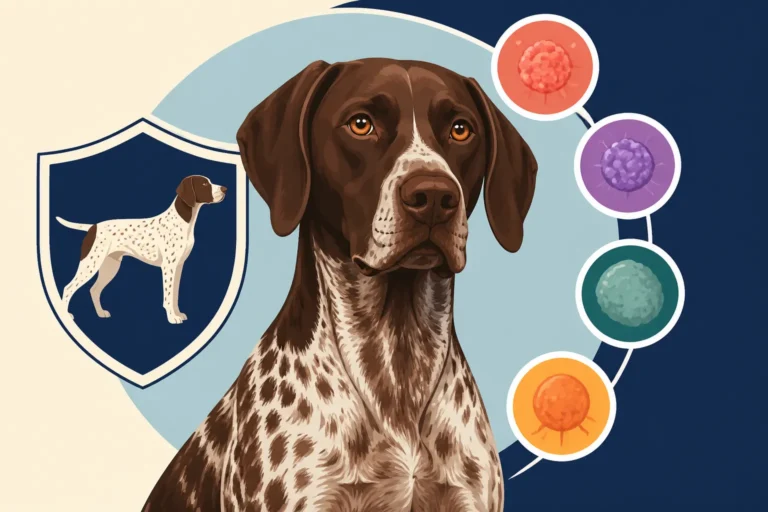
German Shorthaired Pointers face high risks for lymphomas and hemangiosarcomas due to genetic and environmental factors.

German Shorthaired Pointers face earlier cancer risks from inherited genetic predispositions and specific gene mutations.

University of California Davis research reveals how neutering German Shorthaired Pointers before one year impacts joint health.

German Shorthaired Pointer neutering timing affects joint health by influencing growth plates and skeletal structure development.

A ten year old German Shorthaired Pointer can still enjoy modified hunting, field work, and regular activities during golden years.

German Shorthaired Pointer aging helps owners identify the typical senior age range between seven and nine years for proper care.

German Shorthaired Pointer hunting careers span peak years from age two through seven or eight before slowing down.

German Shorthaired Pointer lifespan details and health factors explaining how field work and genetics impact a hunting dog.

German Shorthaired Pointer longevity depends on genetics, responsible breeding, and careful owner management to reach sixteen.

German Shorthaired Pointer median age lifespan ranges from ten to fourteen years, with longevity factors and health tips.