What Prince Albrecht Recorded About Each Dog
Anyone who has ever fallen in love with a German Shorthaired Pointer knows they're more than just a dog; they're a finely tuned athlete, a devoted companion, and a hunting machine rolled into one. But have you ever stopped to wonder how this incredible breed came to be so perfectly balanced? It wasn't by accident. This guide delves into the fascinating history of the German Shorthaired Pointer, specifically focusing on the pivotal role Prince Albrecht zu Solms-Braunfels played and the meticulous records he kept that literally laid the blueprint for the breed we know and adore today.
The Historical Context of Early German Shorthaired Pointers
To truly appreciate Prince Albrecht's contributions, we need to rewind to a time before the German Shorthaired Pointer, or GSP, as we affectionately call them, was even a glimmer in a breeder's eye. Hunting was a vital part of life, and German sportsmen found themselves in a unique bind, prompting the need for a truly versatile canine partner.
Germany's Need for a Versatile Gun Dog
In the 18th and 19th centuries, the hunting landscape in Germany was quite diverse. Hunters weren't just after one type of game; they needed dogs that could work in various terrains and situations. Imagine a sprawling estate encompassing dense forests for deer and wild boar, open fields for partridge and pheasant, and even marshy areas for waterfowl. A specialist dog, like a pointer solely for birds or a hound purely for tracking, just wasn't cutting it. Owners would need a whole kennel full of different breeds to cover all their bases, which was both expensive and impractical.
This created a real frustration for hunters: the inefficiency of needing multiple dogs for different tasks. They longed for a single, adaptable dog that could point game in the field, retrieve shot birds (both on land and from water), track wounded animals over long distances, and even deal with vermin. This wasn't just a convenience; it was an economic necessity for many landowners and professional hunters. The idea of a "Gebrauchshund" – a utility dog – began to take root, a canine jack-of-all-trades that could perform a multitude of tasks with equal skill and enthusiasm. This vision set the stage for the development of a breed that would become the German Shorthaired Pointer.
The Precursors to the Modern Shorthair
So, where did these early efforts begin? The foundation of the German Shorthaired Pointer was a mix of different types of dogs, each bringing desirable traits to the table. One significant influence was the old Spanish Pointer, a dog known for its excellent nose and solid pointing ability. These dogs were imported into Germany and bred with local German bird dogs, which were often heavier and slower, but possessed good scenting and retrieving instincts, and were more robust for the rough German terrain. You might hear whispers of other breeds contributing, too, like various types of hounds that added tracking prowess, or even early versions of the Foxhound for stamina and drive.
It wasn't a neatly planned process at first; it was often trial and error, with breeders experimenting to combine the keen scenting and pointing of the Spanish Pointers with the hardiness, retrieving ability, and tracking skills of the native German dogs. The goal was always that all-around versatile hunter. This cross-breeding laid the very groundwork, providing a varied gene pool from which a more refined, standardized breed could eventually emerge. Understanding these diverse origins helps us appreciate just how complex and intentional the later breeding efforts, spearheaded by figures like Prince Albrecht, truly were. The German Kennels the Shorthair Was Built In goes into even more detail on these early roots.
Prince Albrecht zu Solms-Braunfels: The Visionary Breeder
Into this landscape of varied, yet unstandardized, hunting dogs stepped a figure whose influence cannot be overstated: Prince Albrecht zu Solms-Braunfels. He wasn't just another hunter; he was a true visionary who understood the importance of systematic breeding.
Who Was Prince Albrecht?
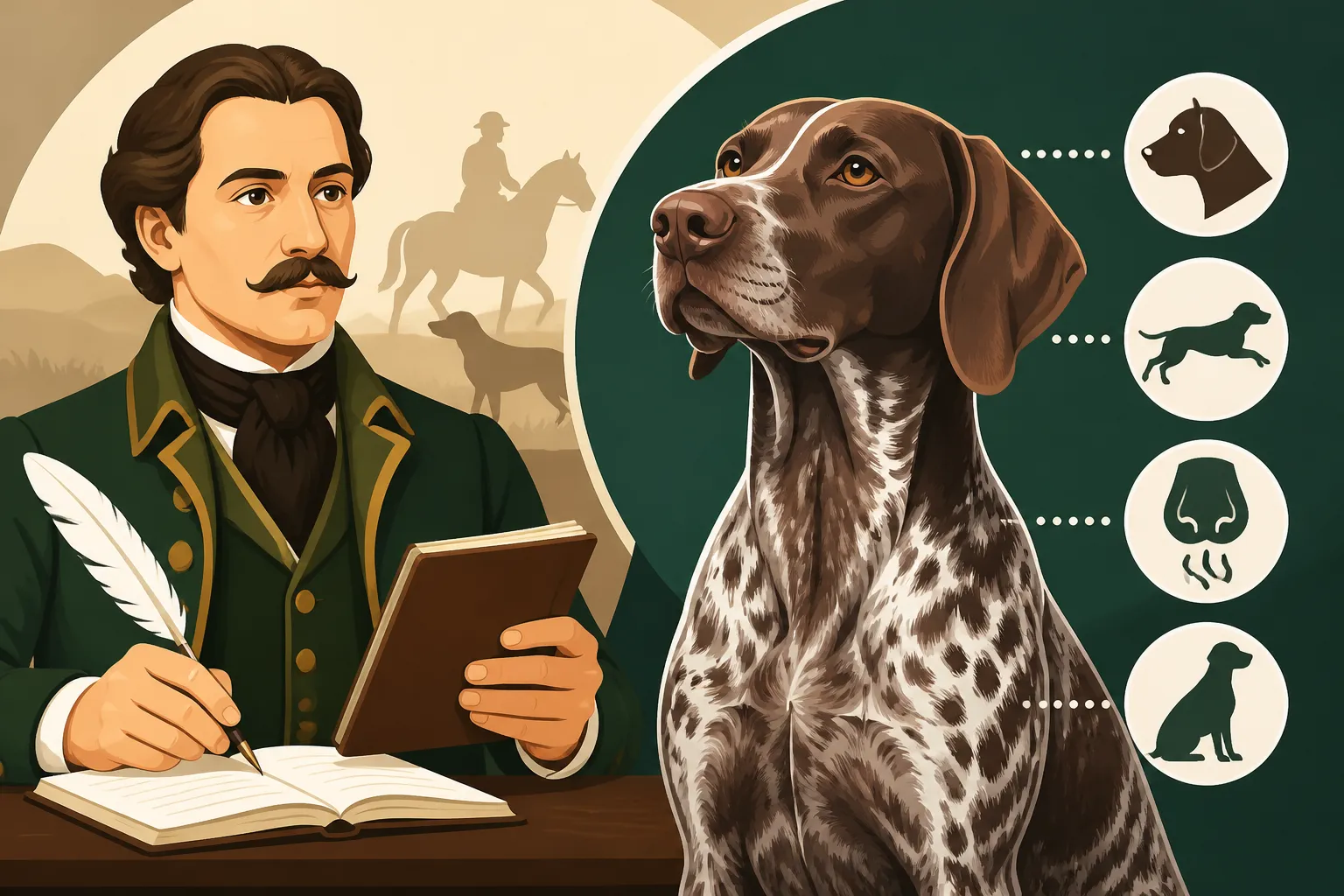
Prince Albrecht zu Solms-Braunfels was a nobleman with a profound passion for hunting and dog breeding in 19th-century Germany. He wasn't content with the haphazard approach to breeding that often resulted in inconsistent quality and unpredictable traits. He saw the potential for a truly superior, multi-purpose hunting dog, but he recognized that this potential could only be realized through careful selection and meticulous record-keeping. He was deeply invested in the practical application of dog breeding, not just for sport, but for the advancement of a working companion.
His background gave him the resources and influence to embark on such an ambitious project. He believed that to create the ultimate German hunting dog, one needed to understand precisely what each dog brought to the table, both genetically and functionally. This philosophy wasn't common at the time, making his approach revolutionary. He wasn't just looking for "a good dog"; he was looking for the perfect combination of traits, and he knew that documenting every detail was the key to achieving that.
The Drive for a Unified Breed Standard
Prince Albrecht’s greatest contribution was arguably his relentless drive to establish a unified breed standard. Before him, various regions had their own types of hunting dogs, often called "German Bird Dogs" or similar, but there was no common vision, no shared set of characteristics that defined a single breed. This meant that while some individual dogs were excellent, there was no consistency, and the traits were not reliably passed down through generations.
He understood that for the desired traits—pointing, retrieving, tracking, and water work—to become inherent and predictable in a breed, a standardized approach was essential. He authored the "Zuchtbuch des Deutsch Kurzhaar" (Stud Book of the German Shorthaired Pointer) in 1897, which outlined specific guidelines for breeding and judging these dogs. This wasn't merely a suggestion; it was a foundational document that changed German dog breeding forever. By creating a clear standard, he provided a roadmap for breeders to follow, ensuring that the best qualities were preserved and propagated, and that the German Shorthaired Pointer would evolve into the magnificent, versatile animal we know today. This dedication to standardizing the breed is a testament to his foresight. You can learn more about this in Prince Albrecht and the First Shorthair Stud Book.
The Meticulous Records: What Prince Albrecht Documented
Prince Albrecht's enduring legacy lies in the remarkable detail of his documentation. He understood that to build a breed with consistent qualities, one needed to know everything about the individual dogs that formed its foundation. His records were comprehensive, covering every aspect from physical appearance to hunting prowess and temperament.
Physical Traits and Conformation
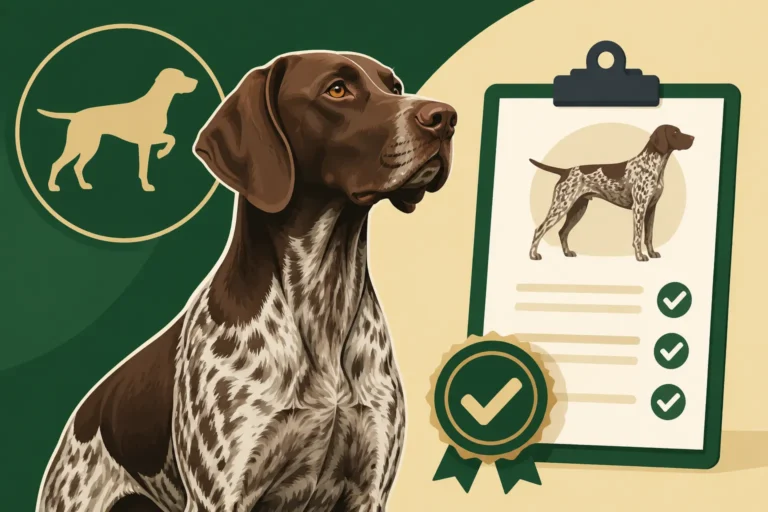
When Prince Albrecht recorded details about each dog, he wasn't just scribbling down a name. He was systematically noting their physical characteristics, which were crucial for establishing a consistent look and ensuring the dogs were built for work. This included precise measurements, such as height at the withers, length of body, and bone structure, which would later contribute to the breed standard's ideal proportions. He would also meticulously describe their coat: its length, density, and color, noting patterns like liver and white, liver roan, or solid liver. These observations were vital, not just for aesthetics, but because coat quality influences a dog's ability to withstand harsh weather and tough cover.
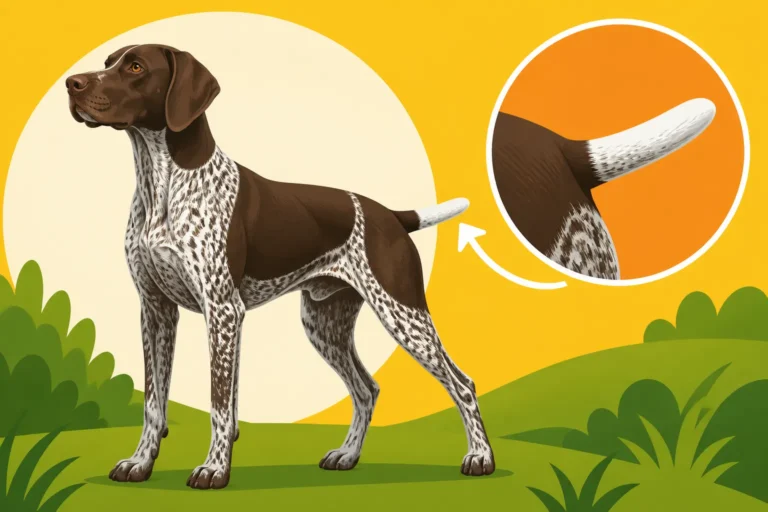
Furthermore, he paid close attention to their conformation – how their body parts fit together. Things like head shape, eye color, ear set, and tail carriage were all noted, as these elements contribute to the dog's overall balance and functionality. For instance, he likely recorded the presence of strong, well-arched feet, essential for enduring long days in the field, or a powerful neck and shoulders for carrying game. His eye was trained on both form and function, understanding that a dog's physical build directly impacts its ability to perform its demanding duties. This careful documentation of physical traits allowed breeders to select for dogs that not only looked the part but were genuinely built to last in the field.
Performance and Hunting Aptitude
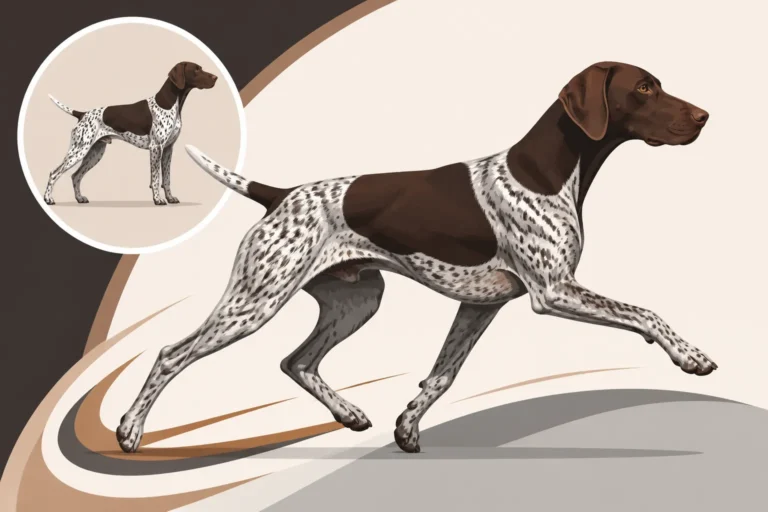
Beyond physical attributes, Prince Albrecht was intensely focused on documenting each dog's performance in actual hunting scenarios. This wasn't about subjective opinions; it was about measurable skills in the field. He wanted a dog that could truly do it all, and his records reflect this versatile ideal. He would meticulously detail a dog's pointing ability: how staunch they were, how far they ranged, and their keenness of nose. Was the point intense and focused, or did the dog creep in? These were critical observations.
Retrieving was another key area. Did the dog naturally retrieve to hand, or did it drop the bird? Did it retrieve from water with enthusiasm, even in cold conditions? He would note their tracking prowess, observing how well they followed a cold trail or recovered a wounded bird. The Nose the German Shorthaired Pointer Was Selected For delves deeper into this particular aptitude. His notes likely included specific anecdotes of successful retrieves or challenging tracks, providing a rich tapestry of each dog's working ability. This focus on practical hunting aptitude ensured that the developing breed wasn't just beautiful but supremely functional, embodying the spirit of the true "Gebrauchshund." These records were the bedrock for proving the breed’s versatility, distinguishing it from more specialized pointing breeds.
Temperament and Character
A hunting dog, no matter how skilled, is only as good as its temperament, especially if it's expected to be a family companion outside of hunting season. Prince Albrecht understood this deeply, and his records weren't solely about physical form or field performance; they also captured the intangible qualities of temperament and character. He would note a dog's biddability – its willingness to be trained and to cooperate with its handler. Was the dog intelligent and quick to learn, or did it require more patience?
He likely observed their overall disposition: were they calm and steady, or overly excitable? How did they react to new environments, other dogs, or strangers? Their courage and resilience in the face of challenging conditions, like thick cover or cold water, would also have been important observations. Furthermore, he would have documented their "desire to please," a crucial trait for a dog expected to work closely with humans. A dog might be a fantastic pointer, but if it was difficult to live with or unreliable under pressure, it wouldn't fit the ideal. These temperamental records ensured that the German Shorthaired Pointer evolved not just as a capable hunter but as a loyal, intelligent, and manageable companion, making them well-suited for families today who might find training supplies and premium food at retailers like Chewy.
The Impact of Albrecht's Documentation on the Breed
Prince Albrecht's detailed record-keeping wasn't just a personal hobby; it was the foundational act that propelled the German Shorthaired Pointer from an amalgam of regional hunting dogs into a recognized and revered breed worldwide. His methods had profound and lasting consequences.
Establishing the First Stud Book
The most significant and tangible outcome of Prince Albrecht's meticulous documentation was the establishment of the Deutsch Kurzhaar Zuchtbuch, or the German Shorthaired Pointer Stud Book. This wasn't just a list of dogs; it was a carefully curated register of individuals deemed worthy of contributing to the future of the breed, based on their documented physical traits, performance, and temperament. Before this, breeding was often local, informal, and based more on anecdotal success than systematic evaluation.
The stud book provided an official, centralized record that allowed breeders to track lineage, identify strong bloodlines, and avoid undesirable traits. It brought order to what had been a rather chaotic breeding landscape. By setting clear criteria for entry into the stud book, Prince Albrecht essentially created the first "quality control" system for German Shorthaired Pointers. This single act formalized the breed's development, moving it from a general type of dog to a distinct, identifiable, and consistently reproducible breed. It was the birth certificate, if you will, for the German Shorthaired Pointer.
Guiding Future Breeding Decisions
Once the stud book was established and filled with detailed information, it became an invaluable tool for guiding future breeding decisions. Imagine a breeder wanting to improve a specific trait, like water retrieving, or to solidify a desired conformation. With Albrecht's records, they could trace back pedigrees, identify dogs known for excellence in those areas, and make informed choices about which dogs to pair. This minimized guesswork and dramatically increased the chances of producing offspring with the desired qualities.
For example, if a breeder noticed a tendency for certain structural issues in a line, they could consult the records to see if these issues were consistently appearing, and then select mates from lines known for sounder conformation. This systematic approach helped to iron out inconsistencies and reinforce the breed's strengths across generations. It transformed breeding from an art based on intuition into a science supported by data. Even today, understanding a GSP's pedigree, which traces back to these early records, can provide crucial insights into potential health, temperament, and hunting abilities, guiding owners who might be looking for specific traits in a puppy, or seeking out quality food and supplies from places like Chewy to support their dog's lineage. Whether German Shorthair Breeding Rules Beat American Ones explores the ongoing impact of such strict breeding guidelines.
The Legacy of Versatility
Perhaps the most celebrated legacy of Prince Albrecht’s work, and his detailed records, is the German Shorthaired Pointer’s unparalleled versatility. His vision was to create one dog that could do the job of many, and his documentation ensured that this multi-talented nature was meticulously preserved and propagated. His careful notes on pointing, retrieving, tracking, and water work served as a constant reminder and a goal for every subsequent breeder.
Because he emphasized and documented all these skills equally, the breed was shaped to excel in a comprehensive range of hunting tasks, rather than specializing in just one. This means that a well-bred German Shorthaired Pointer today can still point birds with intense focus, follow a scent trail with tenacity, retrieve a pheasant from heavy cover, and plunge into icy water to retrieve a duck. This balanced skill set, directly traceable to Albrecht's insistence on recording and selecting for versatility, is what makes the GSP such a unique and beloved breed, earning it the title of "the ultimate versatile gundog." What Versatile Actually Means for a Shorthair provides further insights into this core characteristic.
Challenges and Evolution Beyond Albrecht's Time
While Prince Albrecht laid an indisputable foundation, the journey of the German Shorthaired Pointer didn't end with his stud book. The interpretation of his early records and the ongoing evolution of the breed presented new challenges and opportunities for dedicated breeders.
Interpreting Early Records
Understanding historical documents, especially those related to animal breeding, isn't always straightforward. Prince Albrecht's records, while groundbreaking for their time, might have been subject to variations in terminology, measurement techniques, and even the subjective biases of the observers. For instance, what constituted a "staunch point" to an 1890s German hunter might be described slightly differently by a modern field trial judge. Early descriptions of temperament, while detailed, often lacked the standardized psychological assessments we might use today.
Breeders and historians studying these records had to carefully interpret the language and context of the era. Sometimes, a trait noted as "good" might not mean "perfect" by today's standards, but rather "exceptionally good for its time." This ongoing process of interpretation has been crucial in understanding the true intent behind Albrecht's directives and adapting them to the evolving understanding of genetics, health, and performance. It's a bit like piecing together an ancient manuscript – you need to understand the culture and the conventions of its creation to fully grasp its meaning.
The Ongoing Pursuit of the Ideal Shorthair
Even with Prince Albrecht's foundational work, the pursuit of the "ideal" German Shorthaired Pointer has been an ongoing journey. Breeding is never a static endeavor; it's a dynamic process influenced by changing hunting styles, environmental factors, and scientific advancements. After Albrecht, breeders continued to refine the breed, sometimes emphasizing certain traits more than others, leading to slight variations between different breeding lines. The breed has also had to adapt to new health challenges that emerge over time, requiring vigilance and further documentation, such as the comprehensive health panels found for breeding animals. The Five Tests Behind a German Shorthaired Pointer CHIC Number explains some of these modern health considerations.
Modern breeders, while deeply respectful of Albrecht's legacy, also incorporate contemporary scientific understanding, including genetic testing for inherited diseases and advanced training methodologies. The ideal Shorthair today still embodies the versatility Albrecht sought, but it's a versatility refined by over a century of dedicated breeding and a deeper understanding of canine health and behavior. It's a continuous balance between preserving the historical essence of the breed and adapting it for the challenges and opportunities of the present, ensuring that the GSP remains the exceptional hunting companion and family member it was always destined to be, a dog that many owners continue to care for with the best products, often found at places like Chewy.
Key Aspects of Prince Albrecht's Documentation
To summarize the immense scope of Prince Albrecht's work, let's look at the critical categories of information he meticulously recorded for each German Shorthaired Pointer. These categories formed the backbone of the nascent breed and continue to influence breed standards and selection criteria today.
| Documentation Category | Specific Details Recorded | Purpose for the Breed |
|---|---|---|
| Physical Conformation | Height, weight, bone structure, head shape, eye color, ear set, coat color/pattern, tail carriage, foot structure. | Ensured consistency in appearance, confirmed suitability for demanding physical work. |
| Hunting Performance | Pointing intensity, range, nose quality, retrieving ability (land/water), tracking skills, endurance, prey drive. | Established versatility as a core trait, ensured practical utility in diverse hunting scenarios. |
| Temperament & Character | Biddability, intelligence, courage, steadiness, reaction to stimuli, social aptitude, handler bond. | Guaranteed a manageable, cooperative, and loyal partner for hunters and families alike. |
| Health & Vigor | General health, robustness, any observed ailments or weaknesses (though less formalized than modern health clearances). | Aimed to select for hardy, resilient dogs, minimizing inherited frailties. |
| Pedigree & Lineage | Parental information, birth dates, litter details. | Enabled tracking of bloodlines, informed selective breeding, and established the stud book. |
This table truly highlights how comprehensively Prince Albrecht approached the task of breed creation. He didn't just care about one or two aspects; he considered the whole dog, ensuring that the German Shorthaired Pointer would be a complete package, both in appearance and in ability. How the Shorthair Was Bred to Replace Four Specialist Dogs offers additional context for this comprehensive approach.
Disclaimer
This article is for general informational purposes only and does not constitute professional advice. Laws, prices and regulations vary by location and change over time. Consult a qualified professional for guidance on your specific situation.