Whether a Shorthair Specialty Show Is Worth Attending
A German Shorthaired Pointer specialty show can be a useful way to see the breed beyond photos, meet people who live with and work their dogs, and ask thoughtful questions before choosing a puppy. It is not a perfect preview of everyday life, though. This guide explains what you can learn, what a show cannot tell you, and how to make a visit worthwhile.
What a German Shorthaired Pointer specialty show can teach you
See the breed in person, not just in photographs
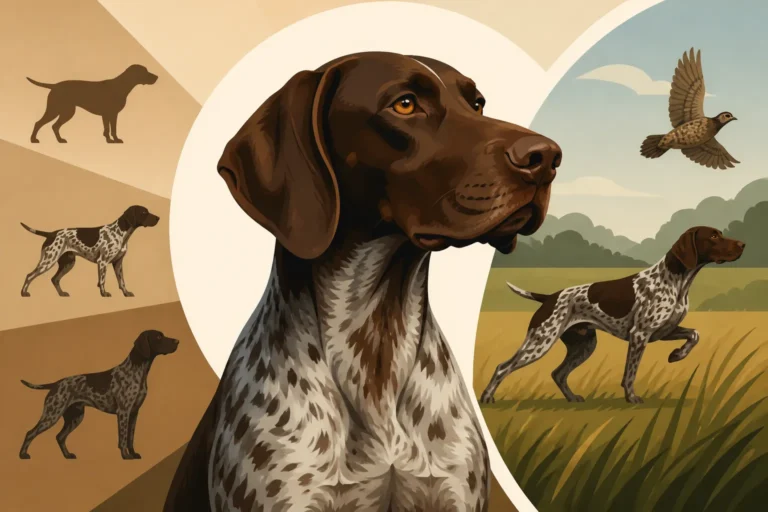
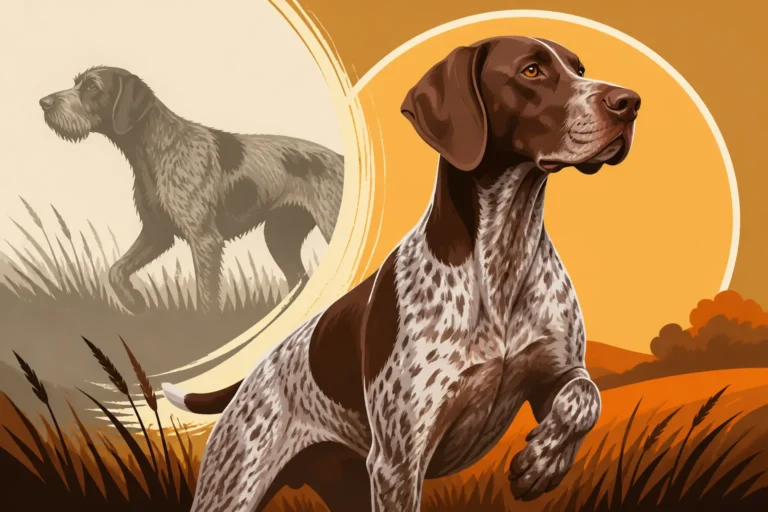
A specialty show brings together German Shorthaired Pointers for breed-focused judging and often gives visitors a chance to observe the dogs up close. That matters because photographs can hide details that are easier to understand in person: a dog’s size beside its handler, how it moves, how its coat looks, and whether its overall build is what you expected.
It can also help you picture the range within the breed. One Shorthair may look compact and substantial, while another appears rangier and lighter. Both may be recognizable examples of the breed, but their appearance, movement, and the way they are presented can influence what you find appealing. If you are still learning the standard, seeing several dogs together can make abstract descriptions feel more concrete. The Size and Build the Shorthair Standard Asks For
A show is also a chance to notice how individual dogs behave in a busy setting. Some may seem relaxed around people and noise; others may be focused on their handler or visibly excited. Remember that a show is a stimulating, unfamiliar environment, and a dog’s behavior there is only one small snapshot. Don’t assume that a calm dog in the ring will have the same temperament at home, or that an energetic dog at the show is poorly behaved.
Talk with people who know different sides of the breed
A specialty show can bring together breeders, exhibitors, owners, judges, and breed-club members. That mix is valuable: you can hear about grooming and conformation from people showing their dogs, and about daily routines from owners who may be less involved in competition. Some events may also connect visitors with activities beyond the show ring, depending on the host club and schedule.
Go with a few open-ended questions rather than a list designed to get one “right” answer. You might ask what a typical weekday looks like with their dog, what they found hardest during adolescence, or how they chose a breeder. Ask several people the same question and listen for patterns as well as differences. An owner who loves field work may define a good Shorthair’s day very differently from someone whose dog mainly joins them on hikes and family outings.
If you are considering the breed, ask about the household a particular dog or line may suit—not just whether Shorthairs are “good family dogs.” A breed’s needs depend on the individual dog, its background, training, and your routine. For broader perspective, The Household a German Shorthaired Pointer Actually Fits and Whether a First Time Owner Can Handle a Shorthair are useful topics to explore before deciding.
How to prepare for your visit
Check the event details and set realistic expectations
Before you go, look up the event organizer’s information. Confirm where visitors should enter, whether spectators are welcome, which activities are open to the public, and whether there are specific rules about bringing dogs. A specialty may be part of a larger show weekend, but the schedule and format vary. A club’s event page or the relevant event listing is the best place to check practical details.
Think about what you want from the visit. If you are mainly curious about appearance and breed standards, watch the judging and compare what you see with the written standard. If you are researching ownership, make time for conversations away from the ring, when handlers are less occupied. If you hope to meet puppies or a particular breeder, contact the organizer or breeder beforehand rather than assuming you will be able to do so on the day.
It helps to remember that exhibitors are working. Before approaching someone, wait until they are not grooming, preparing a dog, or heading into the ring. Ask whether it is a good time to talk, and take “not right now” graciously. A friendly, brief conversation may lead to a more useful exchange later than trying to ask several questions while someone is juggling a dog, leads, and show equipment.
Bring a few practical items and a short question list
You do not need much to attend as a spectator. Comfortable shoes, a water bottle for yourself, and a phone or notebook for jotting down observations can make the day easier. If you are collecting basic dog-travel supplies for a future visit with your own dog, options such as a collapsible bowl, waste bags, or a small mat are easy to compare through retailers such as Chewy. You may also find Chewy useful for checking what kinds of everyday travel items are available, but the event’s own rules should guide what you bring.
Keep your questions focused on things that affect real life. For example:
- What does a normal day look like for your dog when you are not at a show?
- How much training and exercise does your dog need to settle at home?
- What health screening do you consider important when choosing a puppy?
- How does this dog’s background relate to field work, companionship, or both?
- What would you want a first-time Shorthair owner to understand before bringing one home?
If you are not sure how to start a conversation, a simple introduction works: “I’m learning about the breed and trying to understand what living with one is like. Is this a good time to ask you a couple of questions?” That wording respects the person’s time and makes it easier for them to say when they are available.
| Your goal | What to watch or ask | What to keep in mind |
|---|---|---|
| Understand the breed’s appearance | Observe several dogs moving and standing | One show dog is not the whole breed |
| Learn about daily life | Ask owners about routines outside competition | A show weekend may not reflect an ordinary day |
| Explore breeder practices | Ask about health screening, temperament, and puppy placement | Verify details directly and review records |
| Compare field and show interests | Ask how dogs are trained and what activities they do | A show title alone does not tell you a dog’s full abilities |
| Meet club members | Ask about local events and ways to learn more | Follow the club’s visitor and dog-handling rules |
What a specialty show cannot tell you
A show result is not a complete measure of a dog
A specialty show focuses on judging dogs against a breed standard. It can help you understand conformation and presentation, but a ribbon or placement is not a guarantee of health, temperament, trainability, or suitability for your household. A dog may be an excellent show prospect and still have needs that do not match your schedule or experience. Likewise, a dog that is not shown may be a wonderful companion or working partner.
Shows also provide only limited information about what a dog does in the field. A dog’s ring performance does not, by itself, demonstrate how it searches for birds, handles training, retrieves, or behaves during a long day outdoors. If hunting ability matters to you, ask about the dog’s actual work, training, and background. Whether a Show Bred German Shorthaired Pointer Can Still Hunt and How Shorthair Field Lines and Show Lines Diverged can help frame those questions.
When you speak with breeders, distinguish between what they know firsthand and what they infer from pedigree or appearance. Ask whether a dog has been tested or worked in the activities you care about, and what its relatives are like. A pedigree can offer context, but it cannot replace observing the dog or discussing its behavior and performance with people who know it well. How to Read a Shorthair Pedigree for Hunting Ability
One event cannot show you the whole ownership experience
A show is usually a short, exciting slice of dog life. It does not show you the early mornings, the training repetitions, the muddy paws after a wet outing, or the effort involved in meeting a high-energy dog’s needs during a busy workweek. It may also feature dogs that have been groomed and prepared for the ring, so it is not a full picture of everyday coat care or household behavior.
Try to ask owners what happens when the spotlight is off. How does their dog handle a quiet day? What activities help the dog relax? What changes when it is young, under-exercised, or recovering from an outing? The answers may vary considerably, and that is useful information. The goal is not to decide based on the most impressive dog you see, but to understand the range of commitments involved in living with the breed. The Two Hours a Day a German Shorthaired Pointer Needs
A show can also give you a first point of contact rather than a final answer. Local clubs may offer other ways to meet dogs and owners, such as educational gatherings or events connected with training and field activities. Ask what is open to newcomers and whether visitors can attend without bringing a dog. Where to Meet German Shorthaired Pointers Before Buying and Which Shorthair Clubs Are Worth the Dues can help you think about the next steps.
How to decide whether attending is worth it
It is especially useful if you are still exploring the breed
A specialty show is likely to be worthwhile if you are deciding whether a German Shorthaired Pointer fits your life, want to learn what the breed standard describes, or are trying to meet people with different experiences. It is especially helpful if your knowledge so far comes mostly from online photos or brief encounters. Seeing multiple dogs and hearing different owners’ perspectives can help you ask better questions when you later speak with breeders or rescue organizations.
It may be less useful if you expect one visit to tell you which puppy to buy, prove that every Shorthair is friendly with children, or reveal how much exercise every dog needs. Those answers are too individual for a single event. Use the show to gather observations, note questions, and identify people or clubs you might follow up with—not to make a rushed decision because one dog caught your eye.
If you attend and find that the breed’s energy, size, or working interests appeal to you, take time to learn more about everyday care and training before committing. A show can be inspiring, but responsible ownership is built around the ordinary routine long after the event is over.
Make the visit more useful with a simple plan
Before you arrive, choose two or three things you want to learn. You might want to understand how dogs move in the ring, ask owners how they manage exercise, and find out which local club activities welcome newcomers. Having a modest plan keeps the day from turning into a blur of dogs, conversations, and show announcements.
During the event, compare your first impressions with what people tell you. If a dog looks especially calm, ask whether it is naturally easygoing, well practiced in show settings, or simply having a quiet moment. If someone describes their dog as easy to live with, ask what “easy” means in their household. Specific examples—like how the dog behaves when guests arrive or what happens after a missed exercise day—are more helpful than broad labels.
Afterward, write down what surprised you and what you still want to know. You may decide to attend another event, talk with a breeder, meet an adult Shorthair in a home setting, or explore a field activity. A specialty show is worth attending when you treat it as one piece of a bigger decision: an opportunity to observe, ask, and learn without expecting a single day to answer everything.
Disclaimer
This article is for general informational purposes only and does not constitute professional advice. Laws, prices and regulations vary by location and change over time. Consult a qualified professional for guidance on your specific situation.