How Much Exercise a Shorthair Puppy Should Get
It’s a common frustration for German Shorthaired Pointer owners: you bring home this adorable, leggy puppy, and within what feels like minutes, it’s a boundless ball of energy, zooming around, bouncing off walls, and seemingly never tiring. You want to give them all the exercise they need, but you also worry about doing too much too soon. Figuring out the right balance for a growing GSP puppy is absolutely crucial, and this guide will walk you through exactly how much exercise your Shorthair puppy should get to support healthy growth without risking injury.
The German Shorthaired Pointer Puppy Energy Conundrum
When you look at a German Shorthaired Pointer puppy, you see a miniature version of a high-octane athlete. Their reputation precedes them, and most owners are well aware they’re bringing home a dog with an incredible drive and stamina. What often isn't as widely understood, however, is that this immense energy doesn't mean they can, or should, be run for miles from a young age. In fact, pushing a puppy too hard too early can have serious, long-term consequences for their developing joints and skeletal structure. It's a tricky balance: managing that boundless exuberance while protecting their fragile growing bodies.
Many folks get caught in the trap of thinking, "My puppy has so much energy, I must not be exercising them enough!" This often leads to longer walks, more strenuous play, or even trying to take them on runs too soon. The truth is, a puppy's energy isn't necessarily a demand for more physical exercise, but often a cry for appropriate outlets for their mental and physical needs, combined with structured rest. Their minds are sponges, and their bodies are still forming.
Ignoring the developmental stage of your German Shorthaired Pointer puppy and over-exercising them can contribute to conditions like hip and elbow dysplasia, which are already concerns in larger, active breeds. Imagine building a house on a foundation that hasn't fully set – it's going to lead to cracks and instability down the line. The same principle applies to your growing Shorthair's bones, cartilage, and ligaments. We want to build a strong, sound adult, and that means respecting their puppyhood.
Age-Appropriate Exercise for Your German Shorthaired Pointer Puppy
The key to exercising a German Shorthaired Pointer puppy safely and effectively lies in understanding their developmental stages. What's appropriate for an eight-week-old is wildly different from what's suitable for an eight-month-old. It's not about strict distance or time limits as much as it is about type, intensity, and duration. Think of it as controlled bursts of activity and plenty of free-play opportunities, always allowing the puppy to dictate the pace and stop when they need to.
Eight to Twelve Weeks Old: Gentle Exploration and Socialization
This is the very beginning! At this age, your German Shorthaired Pointer puppy is a tiny sponge, absorbing everything. Formal exercise isn't the goal; gentle exploration, short bursts of play, and critical socialization are.
Your puppy's world at this stage should revolve around discovering their immediate environment in a safe, controlled way. Think about short strolls around the yard, no more than five to ten minutes at a time, two or three times a day. These aren't power walks; they're sniff-and-explore missions. Indoor play with toys, gently tugging, or chasing a rolled-up sock is perfect. The emphasis here is on building confidence, teaching basic manners, and letting them learn what their bodies can do without any forced impact. Supervised free play in a securely fenced area for fifteen to twenty minutes, a few times a day, is ideal. Let them self-regulate. When they flop down, it's time for a nap. Remember that their tiny bladders also play a role; these short outings are also crucial for How Long House Training Takes on a Shorthair Puppy.
Three to Six Months Old: Structured Play and Short Walks
As your Shorthair puppy gets a little older, their stamina will naturally increase, but their joints are still incredibly vulnerable. This is where structured play starts to shine, but still in moderation.
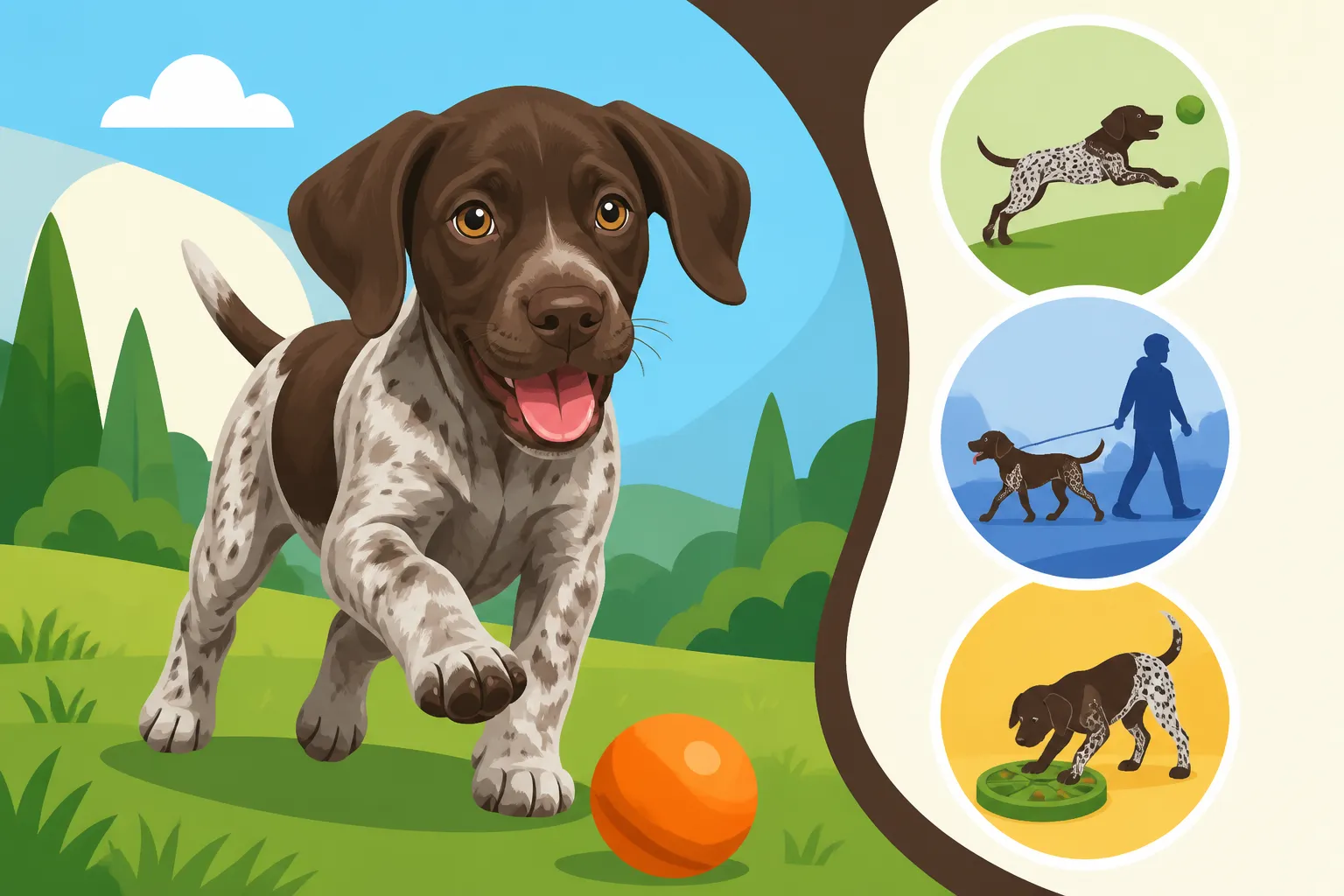
You can start to introduce slightly longer, leash-led walks, perhaps 10-15 minutes, two to three times a day. Focus on loose-leash walking and exploring new scents, rather than covering significant distances. Off-leash play in safe, enclosed spaces is still paramount. Let them run, chase, and wrestle with other appropriate puppies or well-socialized adult dogs. The key is "appropriate" – a rough-playing adult can easily injure a small puppy. Fetch in soft grass for a few throws is fine, but avoid repetitive, high-impact jumping or hard stops. Agility equipment is a no-go at this stage. Mental stimulation through training sessions (like introducing The Age a Shorthair Puppy Starts Whoa) and puzzle toys becomes increasingly important to tire them out without overworking their bodies. Many owners find that a good snuffle mat or a KONG toy filled with a favorite treat, maybe some yummy options from Chewy or even a fresh food option like Ollie, can burn more energy than a long walk.
Six to Twelve Months Old: Building Stamina Carefully
This is often the most challenging period for German Shorthaired Pointer owners because the puppy looks like an adult, but they are absolutely not fully developed. Those long, gangly legs are still growing, and growth plates are open and susceptible to injury. This is a critical time to be cautious.
At this stage, your Shorthair might feel like they could run all day, but resist the urge. Longer walks, up to 20-30 minutes, can be incorporated, but still keep them moderate in intensity. Free running in open fields is wonderful, allowing them to stretch out at their own pace. Avoid pavement or concrete for extended periods as it's much harder on developing joints. Hiking on varied, soft terrain is great for building strength and coordination, as long as it's not too strenuous or long. Again, let your puppy set the pace. If they start lagging or seem tired, it's time to head home. Whether Running a Shorthair Puppy Damages Its Joints is a real concern, so controlled exercise is vital. Avoid forced running, like running alongside a bike, until they are much older, closer to 12-18 months.
One Year and Beyond: Gradual Introduction to More Intense Work
Once your German Shorthaired Pointer reaches about a year old, their growth plates are typically closed, meaning their bones are no longer lengthening and are much stronger. This is when you can gradually start to increase the intensity and duration of their exercise.
Even at this age, "gradual" is the keyword. Don't go from 30-minute walks to a 5-mile run overnight. Slowly build up their stamina. Introduce longer runs, roadwork (on soft surfaces initially), or more intense field training over several months. Think of it as a conditioning program for an athlete. If you're planning on hunting with your Shorthair, this is when you start to really focus on conditioning them for The Age a Shorthair Can Start Distance Running. Listen to their body, watch for any signs of lameness or fatigue, and ensure they have proper nutrition to support their activity levels. Puppy Food That Suits a Growing German Shorthaired Pointer would have been essential through their growth, and now a high-quality adult performance food is key.
Here's a quick reference table to help visualize age-appropriate exercise:
| Age of German Shorthaired Pointer Puppy | Recommended Exercise Type and Duration | What to Avoid |
|---|---|---|
| 8-12 Weeks | Short, gentle walks (5-10 min, 2-3x/day); Supervised free play in secure yard (15-20 min, 2-3x/day); Indoor play; Basic training bursts. | Forced long walks; High-impact jumping; Strenuous fetching; Running on hard surfaces. |
| 3-6 Months | Moderate leash walks (10-15 min, 2-3x/day); Free play with appropriate dogs; Light fetching on soft surfaces; Mental games; Short, simple training. | Repetitive jumping; Hard starts/stops; Agility work; Forced running. |
| 6-12 Months | Longer walks (20-30 min, 2-3x/day); Free running in open fields; Hikes on varied, soft terrain; Increased mental challenges. | Forced running (e.g., alongside bike); Marathon sessions; High-impact competitive sports; Any activity that causes limping. |
| 12+ Months | Gradual increase in intensity and duration; Introduction to running, roadwork (soft surfaces), more intense field training. | Sudden, drastic increases in exercise; Ignoring signs of fatigue or injury. |
Balancing Physical Activity with Mental Stimulation
It's easy to fall into the trap of thinking that physical exercise alone will satisfy your German Shorthaired Pointer puppy. While physical exertion is undeniably important, especially for a breed with such a powerful drive, mental stimulation is equally, if not more, crucial for preventing behavioral issues and promoting a well-adjusted dog. Often, a "hyper" puppy isn't under-exercised, but under-stimulated mentally.
The Power of Play and Training
Structured play, like short games of fetch on soft ground, hide-and-seek with toys, or even just rolling a ball around the living room, provides physical activity without excessive impact. More importantly, it builds your bond and provides opportunities for teaching impulse control. Short, frequent training sessions are gold for a GSP puppy. Their intelligent minds thrive on learning. Five to ten minutes, several times a day, working on basic commands like "sit," "stay," "come," and even early exposure to things like The Age a Shorthair Puppy Starts Whoa, will tire them out significantly more than you might think. This isn't just about obedience; it's about channeling their innate desire to work and please.
Consider investing in good quality training treats, maybe some sourced from Chewy, to keep their motivation high during these sessions. These little mental workouts help shape their behavior and make them more pleasant house companions.
Enrichment and Puzzle Toys
For those times when you can't actively engage your German Shorthaired Pointer puppy, or when you need them to settle down, enrichment toys are invaluable. Puzzle feeders, treat-dispensing toys, and KONGs stuffed with frozen peanut butter or wet food (like those offered by Ollie for fresh options) can keep a puppy engrossed for a good chunk of time. This kind of work encourages problem-solving and self-entertainment, which are essential skills for an intelligent breed. You can find a huge variety of these on Amazon, ready to challenge even the smartest GSP puppy.
Scent games are another fantastic way to engage their powerful noses without putting strain on their joints. Hide treats or their favorite toy and encourage them to find it. This taps into their natural hunting instincts in a low-impact way. Engaging their senses is a powerful tool to prevent them from becoming bored and destructive, which is a common complaint for owners of What a German Shorthaired Pointer Steals Off Counters when they're not properly stimulated.
Recognizing Red Flags and Preventing Injury
As much as we want our German Shorthaired Pointer puppies to run and play, their health is paramount. Being vigilant about signs of over-exertion or injury is part of responsible ownership. Your GSP is a stoic breed, often pushing through discomfort, so it's up to you to be their advocate.
Signs of Over-Exertion or Pain
Keep a close eye on your puppy for any changes in their gait or behavior. Limping, stiffness, reluctance to play, or difficulty getting up are all major red flags. Even subtle changes, like a slight head bob while walking, or favoring one leg, should be taken seriously. Pay attention after periods of activity. Does your puppy seem excessively tired or sore the next day? That could indicate you pushed them too hard.
Look at their overall body condition. While What a Shorthair Puppy Should Weigh at Four Months gives you a guideline, healthy puppies should be lean, not overweight. Extra weight puts undue stress on growing joints. If you're unsure about their weight, consult your vet. They can help you assess your puppy's ideal body condition and discuss appropriate Calcium Levels in a Shorthair Puppy's Diet to support healthy bone growth.
The Importance of Warm-Ups and Cool-Downs
Just like human athletes, puppies benefit from warm-up and cool-down routines, even for play. Before a vigorous play session, a short, slow walk can help warm up their muscles. After play, a gentle massage or another slow walk can aid recovery and prevent stiffness. This is especially true as they get older and you start introducing more structured activities.
Always ensure your puppy has access to fresh water, especially during and after exercise. Dehydration can quickly become an issue for active puppies. On Amazon, you can find portable water bottles and collapsible bowls that are perfect for keeping your GSP hydrated on the go, whether it's a short walk in the park or a more extended hike once they're older.
When in Doubt, Consult Your Veterinarian
If you ever have concerns about your German Shorthaired Pointer puppy's exercise levels, joint health, or overall development, don't hesitate to contact your veterinarian. They can provide tailored advice based on your individual puppy's health, genetics, and activity level. Breeders are also a valuable resource; a responsible breeder will be happy to discuss The Growth Year of a German Shorthaired Pointer Puppy and offer guidance on appropriate exercise for their lines. They know the genetic history and often have specific recommendations for their puppies' upbringing. Remember, preventative care and careful management during puppyhood are the best investments you can make in your German Shorthaired Pointer's long-term health and athletic career.
Disclaimer
This article is for general informational purposes only and does not constitute professional advice. Laws, prices and regulations vary by location and change over time. Consult a qualified professional for guidance on your specific situation.