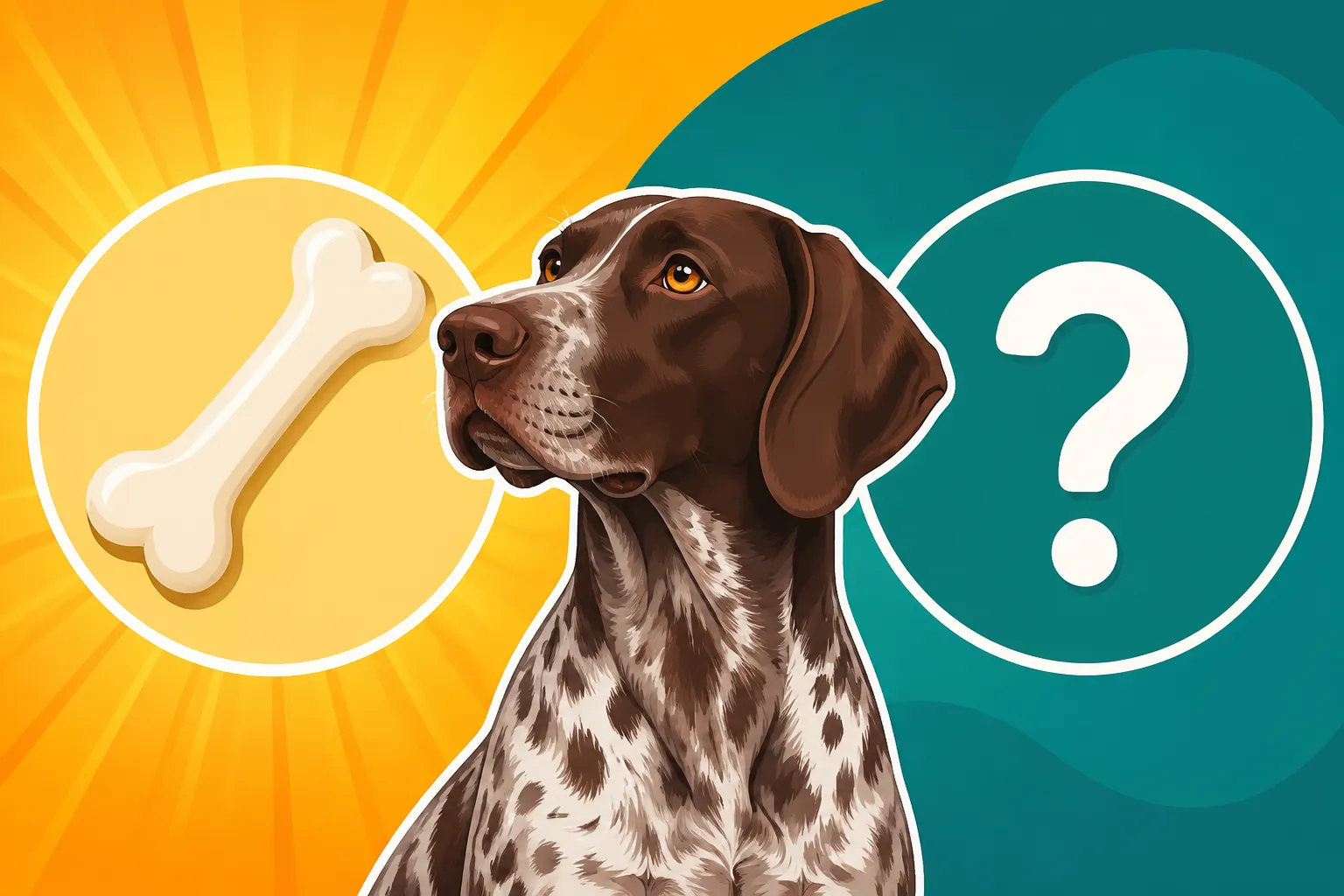
Whether Bones Suit a German Shorthaired Pointer
Many German Shorthaired Pointer owners, myself included, have stood in the kitchen with a leftover bone from dinner, wondering if it's okay to toss to their eager, ever-chewing companion. It seems like such a natural, ancient act, right? But the truth is, what might seem like a treat can hide some serious dangers for our beloved, energetic GSPs. This guide will dive deep into the world of bones for German Shorthaired Pointers, exploring the potential benefits, the undeniable risks, and safe alternatives to satisfy that powerful urge to chew.
The Lure of Bones for Your Energetic Shorthair
There’s something instinctively appealing about giving a dog a bone. It feels primal, natural, and like you're providing something truly satisfying for them. For a breed as active and mentally engaged as the German Shorthaired Pointer, that chewing instinct is incredibly strong. You want to give them something to sink their teeth into, something that will keep them occupied and happy.
Why GSPs Love to Chew and Why It's Good
German Shorthaired Pointers are built for work and possess an incredible amount of energy and drive. This isn't just physical energy; it's mental energy that needs an outlet. Chewing is a deeply satisfying and natural behavior for dogs. It helps relieve stress, combat boredom, and can even be a self-soothing activity. A GSP that isn't provided with appropriate outlets for chewing might turn to your furniture, shoes, or even the drywall, leading to frustration for both you and your dog.
Think about a young GSP puppy exploring its world. Everything goes into their mouth! This is how they learn about textures, tastes, and how things interact. As they grow, this instinct matures, but the need to chew remains. For a high-drive breed like ours, channeling this energy into appropriate chewing can prevent destructive behaviors and promote a sense of calm. It's a way for them to "work" even when they're not out in the field.
The Perceived Benefits of Bones for Dental Health
One of the biggest reasons owners consider giving bones is for dental health. We've all seen those commercials or heard tales of dogs with sparkling white teeth, supposedly achieved through regular bone chewing. It’s true that the abrasive action of gnawing on a bone can help scrape away plaque and tartar, which are major contributors to dental disease in dogs. This is especially appealing for GSP owners who know how quickly tartar can build up, leading to bad breath, gum disease, and eventually, painful extractions.
The idea is that as your German Shorthaired Pointer crunches and grinds, the bone acts like a natural toothbrush, removing the sticky film of plaque before it hardens into tartar. This promise of healthier teeth without the struggle of brushing can be very tempting. Many owners also believe that providing bones can strengthen jaw muscles, which is something you might consider for a hard-working field dog. There's a certain logic to it, given the wild ancestors of our dogs.
Addressing Nutritional Needs Through Bones (or Not)
Beyond dental health, some people look to bones as a source of nutrition. Raw meaty bones, in particular, are often touted as providing essential calcium, phosphorus, and trace minerals, along with marrow, which is rich in fats and some vitamins. For those interested in a raw or "BARF" (Biologically Appropriate Raw Food) diet, bones are often a cornerstone. The argument is that this is how dogs would naturally consume nutrients in the wild, deriving benefit from the entire animal, including the skeletal structure.
However, it's a fine line. While bones do contain nutrients, the question is whether those nutrients are safely and effectively delivered, and whether the potential risks outweigh these benefits when there are other, safer ways to provide a balanced diet. It's easy to overdo certain minerals or cause an imbalance if not carefully managed, especially for a growing puppy. When considering the comprehensive health needs of a German Shorthaired Pointer, including their high energy levels and potential for various health issues, it’s crucial to look at all angles before relying on bones for primary nutrition. For discussions on diet, you might also find useful information in Feeding a Dog That Burns What a Shorthair Burns.
The Very Real Dangers of Feeding Bones
Now, let's get to the nitty-gritty, the stuff that keeps me up at night worrying about my own dogs. While the idea of a natural chew is appealing, the reality is that many types of bones, and even certain ways of feeding them, pose significant risks to our German Shorthaired Pointers. It's not about being overly cautious; it's about being informed and prioritizing our dogs' safety over a perceived benefit.
The Hazards of Cooked Bones – A Strict No-Go
This is perhaps the most critical rule of all: never, ever feed your German Shorthaired Pointer cooked bones. This includes bones from your dinner plate, like chicken bones, pork ribs, or even beef bones that have been roasted or boiled. When bones are cooked, they become brittle and can splinter easily. These sharp fragments can cause catastrophic damage within your dog's digestive system.
Imagine your GSP, with their powerful jaws, enthusiastically crunching a cooked turkey leg bone. That bone doesn't just break; it shatters into razor-sharp shards. These shards can lodge in their throat, pierce their esophagus, stomach, or intestines, leading to internal bleeding, peritonitis (a severe abdominal infection), or even death. Even if they don't splinter, cooked bones can become rock-hard and cause severe constipation or blockages. The risk is simply too high, and emergency surgery to remove bone fragments is a nightmare scenario no GSP owner wants to face. This danger applies to all cooked bones, regardless of size or origin.
Choking and Obstruction Risks with Raw Bones
While raw bones are generally considered safer than cooked ones because they are less likely to splinter, they are far from risk-free. Raw bones can still pose serious choking hazards or lead to dangerous gastrointestinal obstructions. A GSP, with their eager nature, might try to swallow a piece of bone that is too large, leading to choking. This is especially true for enthusiastic chewers who might not take their time.
Alternatively, if they manage to swallow large pieces, these fragments can become lodged in their esophagus, stomach, or intestines. An esophageal obstruction is terrifying, as the dog struggles to breathe and swallow. Intestinal obstructions are equally dangerous, preventing food from passing through, causing severe pain, vomiting, and dehydration. You might not realize it immediately, but your dog will become lethargic, lose their appetite, and show signs of abdominal discomfort. Surgical intervention is often necessary to remove the blockage, which is expensive and carries its own risks. It's a hard lesson to learn that a seemingly innocent chew can land your dog in the emergency vet. Sometimes, The Bloat Risk a Shorthair Carries Into Every Season can be mistakenly associated with bone issues, but obstructions are a distinct and equally urgent concern.
Bacterial Contamination Concerns
Another often-overlooked risk of raw bones is bacterial contamination. Raw meat and bones can carry harmful bacteria like Salmonella, E. coli, and Listeria. While dogs' digestive systems are generally more robust than humans', they can still get sick from these bacteria, leading to vomiting, diarrhea, and severe gastrointestinal upset. More concerningly, these bacteria can be shed in their feces and contaminate your home environment, posing a risk to human family members, especially children, the elderly, or those with compromised immune systems.
Think about it: your GSP chews on a raw bone, then licks your hand, or rubs their face on the carpet. Those bacteria can spread. Proper hygiene, like thorough handwashing, sanitizing surfaces, and careful handling of raw bones, is absolutely crucial if you choose to feed them. Even then, the risk isn't entirely eliminated. This is a particularly important consideration if your GSP shares their living space with young children or anyone susceptible to foodborne illnesses.
Dental Fractures and Oral Injuries
The irony of feeding bones for dental health is that they can often cause significant dental damage. Many raw bones are simply too hard for a dog's teeth. Chewing on dense bones like beef femurs or knuckle bones can lead to fractured teeth, especially molars and premolars. A fractured tooth is incredibly painful, exposes the pulp cavity to bacteria, and often requires expensive veterinary intervention, such as a root canal or extraction.
It's not just fractures; aggressive chewing can cause gum injuries, cuts to the mouth, or even splinters from raw bones getting stuck between teeth or in the roof of the mouth. My own vet has seen countless cases of dogs coming in with bleeding gums or chipped teeth after a "recreational" bone session. What starts as an effort to keep teeth clean can end up causing far more serious and painful dental issues, requiring costly procedures. Regular Dental Disease in a Middle Aged German Shorthaired Pointer checks are essential, and a vet can often spot existing weaknesses that make bone chewing even riskier.
Table: Comparing Bone Types for Your GSP
To help visualize the different risks and considerations, here's a breakdown of common bone types and what you need to know:
| Bone Type | Description | Key Characteristics | Pros | Cons | Recommendations |
|---|---|---|---|---|---|
| Cooked Bones | Bones from roasted, boiled, or baked meats | Brittle, easily splinter | (None) | High risk of splintering, choking, internal punctures, obstructions, constipation | NEVER feed cooked bones. |
| Raw Recreational Bones | Large, non-weight-bearing bones (e.g., femurs) | Dense, hard, intended for gnawing, not consumption | Dental cleaning, mental stimulation | Tooth fractures, choking hazard, mouth injuries, bacterial contamination, can be swallowed if small enough | Only with strict supervision, remove when small or broken. Avoid weight-bearing bones. |
| Raw Edible Bones | Smaller, softer, non-weight-bearing bones (e.g., chicken wings/necks, turkey necks, oxtails) | Softer, can be fully consumed (part of a raw diet) | Nutritional value (calcium/phosphorus), dental cleaning | Choking hazard, potential for obstructions if gulped, bacterial contamination, nutritional imbalance if not balanced | Best as part of a balanced raw diet, under veterinary guidance. Choose appropriate size. Always supervise. |
Safe Chewing Alternatives for Your German Shorthaired Pointer
So, you want to give your German Shorthaired Pointer something satisfying to chew without putting them at risk? You're in luck! There are plenty of fantastic, safe alternatives that can keep their teeth clean, their minds engaged, and their bodies happy, all without the dangers associated with traditional bones. The key is knowing what to look for and how to provide it responsibly.
Dental Chews and Appropriate Toys
This is where the market truly shines for GSP owners. There are countless dental chews and durable toys designed specifically to satisfy a dog's chewing instincts safely. When choosing dental chews, look for products that are approved by veterinary dental health organizations. These chews are formulated to be abrasive enough to scrape plaque but flexible enough not to fracture teeth. Brands like Greenies or dental sticks from various reputable pet food companies are often a good starting point. They come in different sizes, so make sure to get one appropriate for your German Shorthaired Pointer's jaw size and chewing style. Many of these can be found easily on platforms like Chewy or Amazon, offering a wide selection and customer reviews to help you choose.
Beyond dental chews, investing in high-quality, durable chew toys is a must for any GSP household. Look for toys made from tough rubber (like Kong brand toys) or hard plastic designed for power chewers. These toys can be stuffed with peanut butter, yogurt, or even their regular kibble (perhaps from a brand like Ollie, if you're exploring fresh food options) to make them even more engaging and long-lasting. The mental challenge of getting the treat out can be just as tiring as a good run, providing both physical and mental stimulation. Regularly inspect these toys for wear and tear, and replace them once they start breaking down to prevent ingestion of small pieces.
Raw Recreational Bones with Supervision
If you're still keen on offering actual bones, raw recreational bones can be an option, but with significant caveats and strict supervision. These are typically large, non-weight-bearing bones from beef or bison, like femurs or knuckles, that are too large for your GSP to fit entirely in their mouth and swallow. The goal here is for your dog to gnaw on the bone, scraping their teeth against it, rather than consuming it.
Key rules for raw recreational bones:
- Size Matters: Choose bones that are much larger than your GSP's mouth to prevent choking or swallowing large pieces.
- Strict Supervision: Never leave your GSP unsupervised with a raw recreational bone. Watch for signs of splintering or if they're trying to break off and swallow large chunks.
- Time Limits: Limit chewing sessions to 15-20 minutes to prevent excessive wear on teeth or overconsumption.
- Hygiene: Feed bones on an easy-to-clean surface, like outdoors or on a designated mat, to manage bacterial contamination. Wash hands thoroughly afterwards.
- Remove When Small: Once the bone becomes small enough to be a choking hazard or if it splinters, immediately take it away.
It's a delicate balance, and many vets still advise against any bone feeding due to the inherent risks. If you do choose this route, always consult with your veterinarian first, especially if your GSP has any existing dental issues. You also want to be aware of what What a Vet Charges to Close a Shorthair's Field Cut or other injuries might cost, should something go wrong.
Considering Raw Diets and Bone Content
For some German Shorthaired Pointer owners, the appeal of a raw diet (which often includes raw edible bones) is strong. Raw diets, if properly formulated and balanced, can provide excellent nutrition and often contribute to dental health as the dog chews and tears at the raw meaty bones. However, transitioning to and maintaining a raw diet, particularly one that includes bones, is a complex endeavor and not something to undertake without careful research and professional guidance.
Raw edible bones, such as chicken necks, backs, or even whole quail, are softer and designed to be fully consumed as part of a balanced meal. They provide a natural source of calcium and phosphorus. However, precise balancing of nutrients, ensuring the bones are appropriately sized for safe consumption, and mitigating bacterial risks are paramount. This isn't just tossing a few chicken bones to your dog; it requires a deep understanding of canine nutrition to prevent deficiencies or excesses. Many commercial raw food providers, some of which you might find advertised on platforms like Chewy or Ollie, offer pre-formulated raw diets that include finely ground bone, minimizing the risks associated with whole bones while still delivering the nutritional benefits. This can be a safer alternative for those interested in raw feeding without the dangers of whole, sharp bone pieces.
Ultimately, whether you choose dental chews, durable toys, or a carefully managed raw diet with bone content, the goal is to provide safe and satisfying chewing opportunities for your German Shorthaired Pointer. They are a magnificent breed, full of life and energy, and they deserve the very best care to keep them healthy and happy for The Twelve to Fourteen Years a German Shorthaired Pointer Gets.
Disclaimer
This article is for general informational purposes only and does not constitute professional advice. Laws, prices and regulations vary by location and change over time. Consult a qualified professional for guidance on your specific situation.