Whether Medicated Baths Help a Shorthair’s Scaling
It’s truly disheartening to see your energetic German Shorthaired Pointer constantly scratching or notice their usually sleek coat flaking with dry, scaling skin. This isn't just a cosmetic issue; it can be a source of constant discomfort and even pain for your beloved companion, leading to infections or further irritation if left unchecked. Finding an effective way to manage this persistent problem is often at the top of a GSP owner's mind, and many wonder if medicated baths are truly the answer. This guide aims to shed light on how medicated baths can be a powerful tool in alleviating your Shorthair's scaling skin and what you need to know to use them effectively.
Understanding Your German Shorthaired Pointer's Scaling Skin
When your German Shorthaired Pointer develops scaling skin, it's not just a surface problem. The skin, being the largest organ, is a complex system that can reflect underlying issues. For Shorthairs, with their active outdoor lifestyles and specific genetic predispositions, scaling can stem from a variety of sources, making diagnosis and treatment a bit of a puzzle.
Common Causes of Scaling in German Shorthaired Pointers
There are several reasons why your GSP might be experiencing scaling, and understanding them is the first step toward relief. Sometimes it’s a simple environmental irritant, other times it’s something much more deeply rooted.
One of the most common culprits is allergies. Just like people, German Shorthaired Pointers can develop environmental allergies to pollen, dust mites, or even certain grasses and weeds they encounter while working cover. These allergies often manifest as itchy skin, which can then lead to secondary scaling and flaking. The constant scratching damages the skin barrier, making it dry and irritated. Another significant concern for our breed is a condition known as Lupoid Dermatosis and a Shorthair's Scaling Skin. This is a serious autoimmune skin disease that often starts with scaling, crusting, and hair loss, particularly along the back and face. It's a lifelong battle, and early recognition is key. Beyond these, fungal infections, bacterial skin infections (often secondary to allergies or immune issues), or even parasites like mites can cause significant scaling. Even diet can play a role; an imbalance in essential fatty acids might contribute to a dry, flaky coat.
Recognizing the Signs and Severity
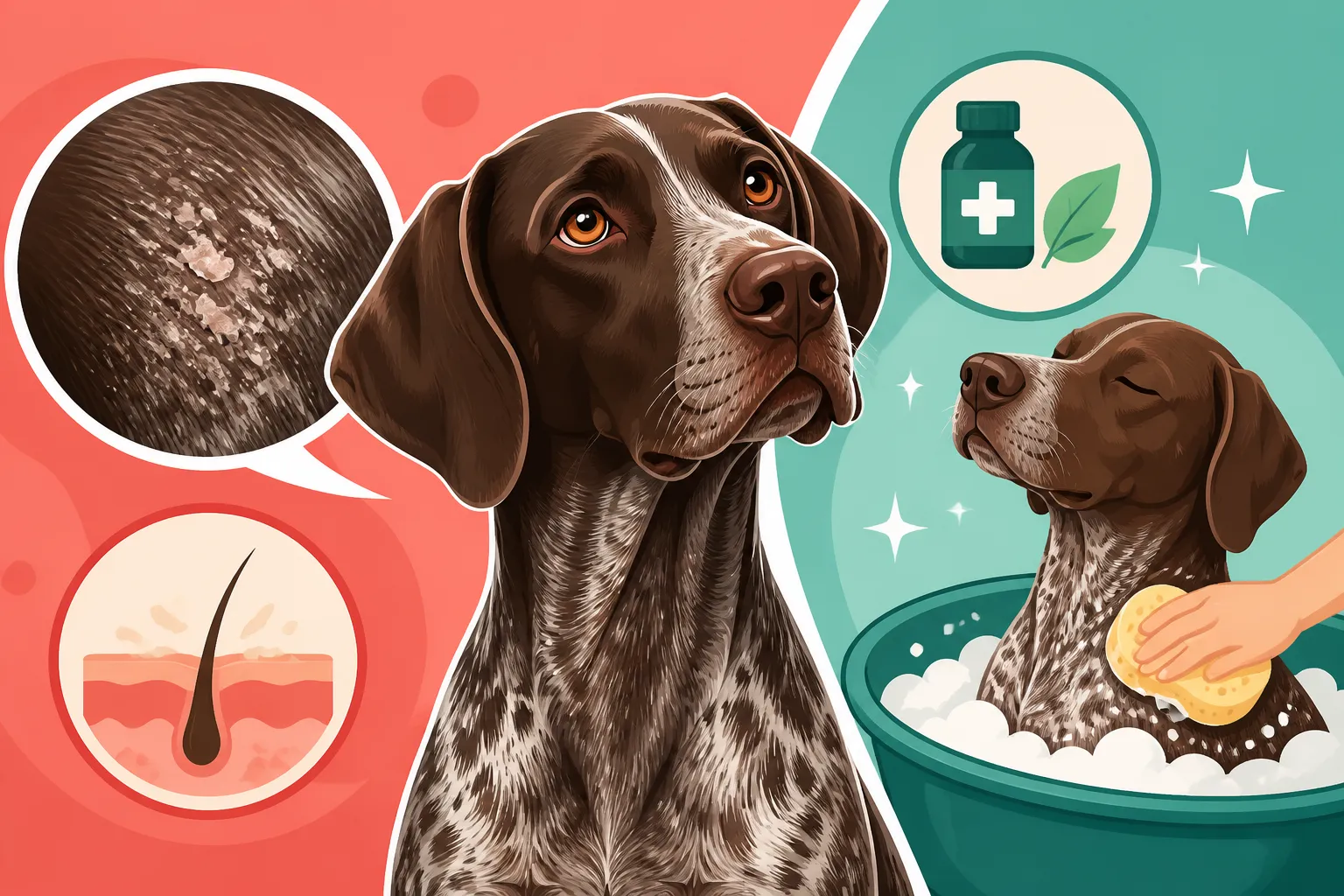
Observing your German Shorthaired Pointer closely can provide crucial clues about the nature and severity of their scaling. You might first notice a dullness to their normally vibrant coat, followed by small white flakes that resemble dandruff, especially when you brush them. As the condition progresses, you might see larger scales, redness, or even thick crusts. Is your Shorthair scratching incessantly, rubbing against furniture, or licking their paws more than usual? These are all signs of intense itchiness that often accompanies scaling. For conditions like lupoid dermatosis, the scaling might begin in specific patterns, such as along the spine or on the bridge of the nose, and can be accompanied by hair loss. In some cases, the skin might develop open sores or hot spots due to constant scratching, leading to secondary bacterial infections. These infections can introduce a foul odor and make the skin even more painful and inflamed. Knowing when the scaling started, if it's seasonal, or if it's accompanied by other symptoms like lethargy or changes in appetite, is vital information for your veterinarian.
How Medicated Baths Work for Scaling Skin
Medicated baths aren't just about cleaning; they're a targeted therapeutic approach designed to treat the specific issues causing your Shorthair's scaling skin. It’s a powerful tool in your arsenal, often recommended by veterinarians as a first-line treatment or as part of a broader management plan.
Targeted Relief for Skin Issues
The magic of medicated baths lies in the active ingredients formulated into the shampoos. Unlike regular dog shampoos that simply clean, medicated shampoos deliver powerful agents directly to the skin where they can combat the root causes of scaling. For instance, some shampoos contain antifungal ingredients to tackle yeast or ringworm infections, while others feature antibacterial agents to fight off bacterial dermatitis, which often accompanies inflamed, scaling skin. Keratolytic agents are specifically designed to help break down and remove excess scales and crusts, allowing the healthy skin underneath to breathe and new skin cells to form properly. These ingredients can also reduce inflammation and soothe the intense itchiness that makes your German Shorthaired Pointer so miserable. By directly addressing the problem on the skin's surface, medicated baths can provide relatively quick relief from discomfort, reducing the urge to scratch and thereby preventing further damage and potential secondary infections. They essentially reset the skin's environment, making it less hospitable for pathogens and promoting healing.
Penetration and Contact Time for Efficacy
To be truly effective, medicated shampoos need more than just a quick lather and rinse. The active ingredients require sufficient contact time with your German Shorthaired Pointer's skin to do their job properly. Think of it like a prescription ointment – you wouldn't just wipe it off immediately, right? The same principle applies here.
When you apply a medicated shampoo, you're not just washing the fur; you're treating the skin beneath. This means really working the shampoo down to the skin, often against the grain of your Shorthair's short coat, to ensure thorough coverage. Once applied, most medicated shampoos recommend a "contact time" of anywhere from 5 to 15 minutes. This might feel like an eternity when you have a squirmy GSP in the tub, but it's crucial for the ingredients to penetrate the skin and hair follicles, and to allow their therapeutic effects to take hold. During this waiting period, gently massage the shampoo into their skin. You can also use this time to check your dog over for any Foxtails and Grass Awns in a Hunting Shorthair or other irritants they might have picked up. Some owners use a timer, while others distract their dog with a lick mat smeared with peanut butter, or simply hold them gently, praising them quietly. Rinsing thoroughly after the contact time is equally important to remove all residue, which could otherwise cause further irritation. Following your veterinarian's specific instructions for contact time and frequency is paramount for the best results and to avoid any adverse reactions.
Choosing and Using Medicated Shampoos Effectively
Navigating the world of medicated shampoos can feel a bit overwhelming, but with the right guidance, you can select and use products that genuinely help your German Shorthaired Pointer's scaling skin. Remember, this isn't a one-size-fits-all solution, and your vet's input is invaluable.
Types of Medicated Shampoos and Their Ingredients
Medicated shampoos come in various formulations, each designed to target specific skin conditions. The active ingredients are what make the difference, and knowing what to look for can help you understand your vet's recommendation.
- Antifungal Shampoos: These often contain ingredients like Miconazole or Ketoconazole, which are effective against yeast and fungal infections that can cause scaling and itching.
- Antibacterial Shampoos: Common active ingredients include Chlorhexidine or Benzoyl Peroxide. These are crucial for combating bacterial skin infections, which frequently occur as secondary issues with scaling and scratching.
- Keratolytic Shampoos: These shampoos, often containing salicylic acid, coal tar, or sulfur, help to break down and shed excessive scales and crusts, allowing healthier skin to emerge. They're great for extremely flaky skin.
- Antipruritic (Anti-itch) Shampoos: While not always solely medicated, many medicated shampoos also include soothing ingredients like colloidal oatmeal, aloe vera, or pramoxine to reduce itching and inflammation.
- Combination Shampoos: Many effective medicated shampoos will combine several of these ingredients to address multiple aspects of a skin condition, for example, a shampoo with both chlorhexidine and miconazole to tackle both bacterial and yeast overgrowth.
You'll find these specialized shampoos available through your veterinarian, and sometimes at larger pet supply retailers or online platforms like Chewy or Amazon. However, always consult your vet before self-prescribing, as the wrong shampoo can sometimes exacerbate the problem.
Best Practices for Bathing Your German Shorthaired Pointer
Giving a medicated bath isn't quite the same as a quick rinse after a muddy field day. It requires a bit more technique and patience to ensure the treatment is effective and stress-free for your Shorthair.
First, prepare your supplies. Gather your chosen medicated shampoo, a brush (to remove loose hair and scales before bathing), several towels, and perhaps some cotton balls for ear protection. Consider a non-slip mat for the tub or shower. Next, pre-wet your Shorthair's coat thoroughly with lukewarm water. Ensure the water penetrates all the way to the skin. Then, apply the shampoo, starting at the neck and working your way back, paying close attention to any particularly scaly or irritated areas. Lather well, ensuring the shampoo makes good contact with the skin, not just the fur. This is where a good massage comes in handy. Remember the contact time! Distract your GSP with a treat or a chew toy if needed. If your Shorthair gets Hot Spots on a Shorthair After Swimming, you'll want to be extra gentle in those areas. After the recommended time, rinse, rinse, rinse! This is paramount. Any residue left on the skin can cause irritation or even negate the effects of the medicated ingredients. Finally, dry your Shorthair thoroughly. A quick towel dry is usually sufficient for their short coat, but make sure they're not left damp, especially in cooler weather, as this can worsen skin issues. The frequency of bathing will depend on your vet's recommendations, but often starts at 1-2 times a week, gradually reducing as the skin improves.
Here's a quick reference for common medicated shampoo ingredients:
| Ingredient Type | Common Active Ingredients | Primary Action | Best For |
|---|---|---|---|
| Antifungal | Miconazole, Ketoconazole | Inhibits fungal and yeast growth | Yeast infections, ringworm, malassezia |
| Antibacterial | Chlorhexidine, Benzoyl Peroxide | Kills bacteria, cleanses follicles | Bacterial skin infections (pyoderma) |
| Keratolytic | Salicylic Acid, Sulfur, Coal Tar | Breaks down scales, reduces oiliness | Seborrhea (oily or dry scaling), crusting |
| Antipruritic | Colloidal Oatmeal, Pramoxine | Soothes itch, reduces inflammation | Allergic reactions, general itchiness |
| Moisturizing | Ceramides, Fatty Acids | Restores skin barrier, adds hydration | Dry, flaky skin, improving skin health |
Beyond the Bath: Holistic Management for Scaling
Medicated baths are a crucial component, but they're often most effective when integrated into a comprehensive approach to skin health. Think of it as a multi-pronged attack on your German Shorthaired Pointer's scaling problem.
Dietary Support and Supplements
What goes into your German Shorthaired Pointer can significantly impact the health of their skin and coat. A high-quality diet provides the building blocks for healthy skin, while certain supplements can offer targeted support.
Look for dog foods that list a specific meat source as the first ingredient and contain healthy fats. Some owners find that switching to a limited ingredient diet or a novel protein diet helps if food allergies are suspected to be contributing to skin issues. While a specific brand like Ollie might offer fresh, tailored diets, always introduce new foods gradually. Essential fatty acids, particularly Omega-3s (EPA and DHA), are incredibly beneficial for skin health. They help to reduce inflammation, support the skin barrier, and promote a healthy, shiny coat. You can add fish oil supplements to your Shorthair's diet, or choose foods that are fortified with them. Fish Oil for a German Shorthaired Pointer's Skin is often a veterinarian-recommended supplement for dogs with chronic skin conditions. Probiotics can also play a role by supporting gut health, which is increasingly linked to overall immune function and skin health. Before adding any supplements or making drastic dietary changes, it's always wise to discuss it with your vet to ensure it's appropriate for your individual Shorthair's needs.
Environmental Control and Hygiene
Even the most diligent bathing routine can be undermined if your German Shorthaired Pointer is constantly exposed to environmental triggers or poor hygiene. Creating a healthy environment for your Shorthair is just as important as the baths themselves.
Start with managing allergens in your home. Regular vacuuming, washing your dog's bedding frequently, and using air purifiers can help reduce dust mites and pollen that your Shorthair might be sensitive to. If your GSP has Environmental Allergies in a Shorthair That Works Cover, wipe down their paws and coat with a damp cloth after outdoor excursions to remove pollen and other irritants. Consider what plants are in your yard; some can be irritating. For the outdoor adventurer, a thorough post-hunt check is essential. Look for any grass awns or other foreign bodies that could be irritating the skin. Regular grooming, even if it's just a quick brush, can help distribute natural oils and remove loose scales and hair. For German Shorthaired Pointers prone to ear infections, especially those that love to swim, Drying a Shorthair's Ears After Every Swim is crucial to prevent moisture buildup that can lead to yeast or bacterial overgrowth, which can sometimes extend to generalized skin issues. Keeping your home clean and your dog's living areas tidy minimizes exposure to irritants and pathogens that can worsen scaling.
When to Seek Professional Veterinary Help
While medicated baths can offer significant relief, there are times when scaling skin indicates a more serious underlying condition that requires immediate veterinary attention. Don't hesitate to reach out to your vet if you notice certain signs or if the problem persists.
Persistent or Worsening Symptoms
If you've been diligently giving medicated baths as advised, but your German Shorthaired Pointer's scaling skin isn't improving, or worse, seems to be getting worse, it's a clear signal to consult your veterinarian. Persistent scaling, despite treatment, could mean the initial diagnosis was incomplete, or there's a resistant infection at play. Look out for new symptoms appearing, such as increased redness, swelling, oozing, open sores, or a foul odor emanating from the skin. If your Shorthair is exhibiting signs of pain, lethargy, or a decreased appetite alongside their skin issues, these are urgent indicators. Managing a German Shorthaired Pointer's Lifelong Skin Disease often requires a multi-faceted approach, and if one part isn't working, it's time to re-evaluate. Sometimes, what looks like simple scaling can mask a more severe condition like The Skin Disease That Hits a German Shorthaired Pointer Before One or other autoimmune diseases that need stronger, systemic treatments beyond topical solutions. Your vet has specialized diagnostic tools and knowledge to delve deeper.
Advanced Diagnostics and Treatment Options
When medicated baths and basic interventions aren't enough, your veterinarian can employ a range of advanced diagnostic tools to pinpoint the exact cause of your Shorthair's scaling. This might include skin scrapings to check for mites, fungal cultures to identify specific yeast or dermatophyte infections, or cytology to look for bacterial overgrowth and inflammatory cells.
For more complex cases, a skin biopsy might be recommended, particularly if an autoimmune condition like lupoid dermatosis is suspected. How Lupoid Dermatosis Is Diagnosed in a Shorthair usually involves this more invasive procedure to get a definitive answer. Once a precise diagnosis is made, your vet can recommend more targeted treatments. This could include oral antibiotics or antifungals for widespread infections, steroids or other immunosuppressants for allergic reactions or autoimmune diseases, or even specialized prescription diets for food sensitivities. They might also suggest specific prescription topical medications that are stronger than over-the-counter or general medicated shampoos. Remember, tackling a chronic skin issue like scaling in a German Shorthaired Pointer is often a partnership between you and your vet. Don't be afraid to ask questions, voice your concerns, and work together to find the most effective and sustainable long-term solution for your active companion. Checking in for a routine The Vet Schedule a Working Shorthair Should Keep can help catch these issues early.
Disclaimer
This article is for general informational purposes only and does not constitute professional advice. Laws, prices and regulations vary by location and change over time. Consult a qualified professional for guidance on your specific situation.