Drying a German Shorthaired Pointer in Cold Weather
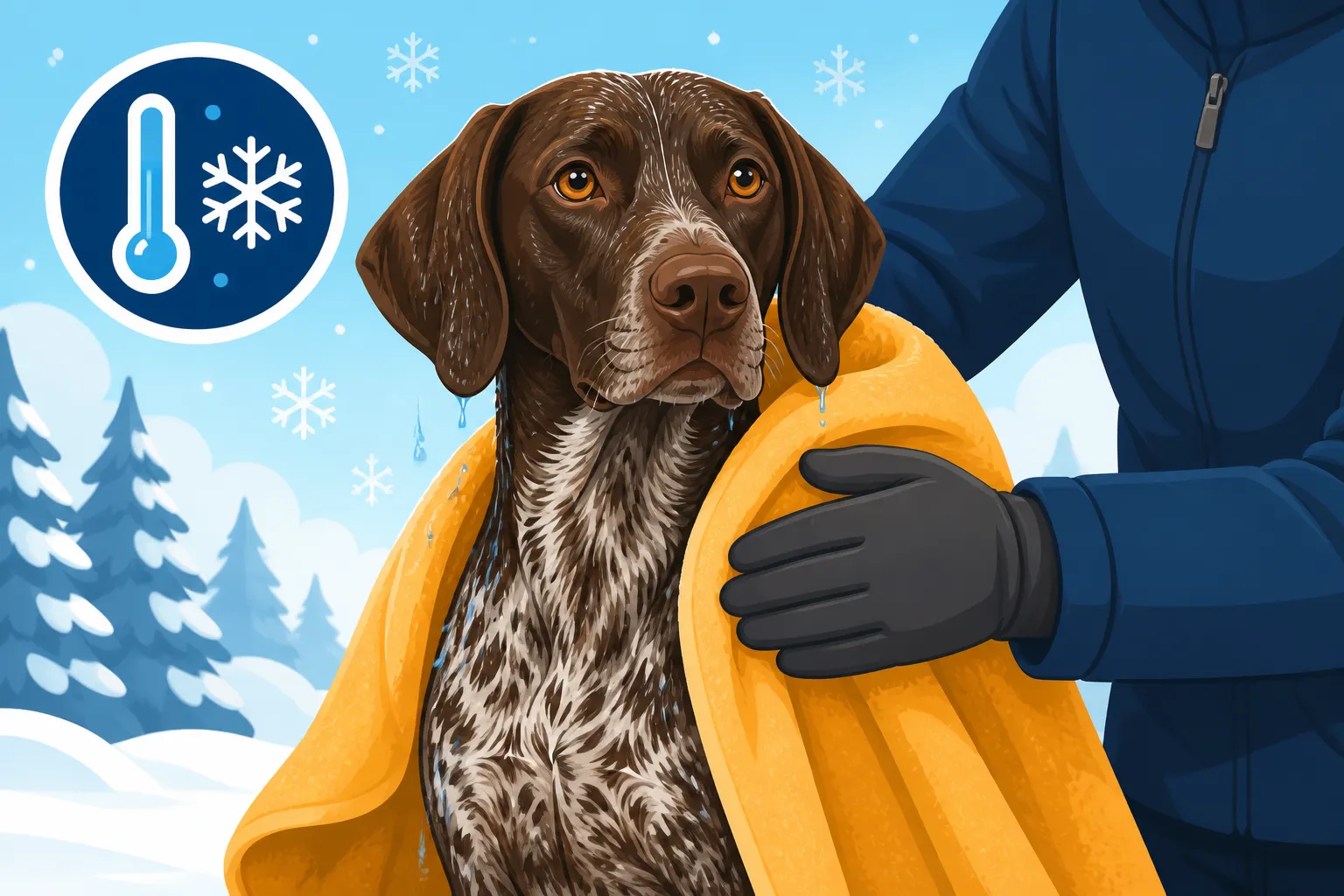
It’s a scenario every German Shorthaired Pointer owner knows well: your energetic companion, having plunged into an icy pond during a late-season retrieve or dashed through snowy fields, comes bounding back to you a soaking wet, shivering mess. That thin, sleek coat that looks so elegant in the show ring offers practically no protection against the biting cold once it’s wet, leaving your beloved Shorthair vulnerable to chilling quickly. Getting them properly dry isn't just about comfort; it's a critical health and safety concern, and this guide will walk you through exactly how to tackle that challenge effectively in cold weather.
The Urgent Need for Thorough Drying in Cold Climates
German Shorthaired Pointers are incredible athletes, built for speed and endurance, and they truly thrive on activity, even when the thermometer dips. But their physical traits, while excellent for pointing and retrieving, also make them particularly susceptible to the cold when wet. You can't just rub them down with a single towel and call it a day, especially when the air is crisp and unforgiving.
Why Their Short Coat Isn't Enough
Unlike some northern breeds with thick, double coats designed to trap warm air against their skin, a German Shorthaired Pointer’s coat is short, dense, and single-layered. While it's great for shedding burrs and drying relatively quickly in mild weather, it provides minimal insulation once saturated with cold water or melted snow. Think of it like wearing a wet t-shirt in winter – it offers no warmth and actually makes you colder faster. Your Shorthair’s body heat rapidly dissipates, leaving them exposed. This is why you'll see them shivering violently, often tucking their tail, or hunching up, trying to conserve every bit of warmth their body can generate. It’s a stark visual reminder of just how quickly they can go from active to at-risk.
Imagine your dog, after a thrilling retrieve from an icy slough, shaking off as much water as they can. While some of the surface water flies off, a significant amount remains trapped against their skin, especially on their belly, chest, and the backs of their legs – areas that have been completely submerged. This dampness, combined with a brisk wind or freezing temperatures, acts as a super-conductor for heat loss. It's not just discomfort; it's a genuine threat to their core body temperature. Understanding this vulnerability is the first step in ensuring their safety and well-being after cold-weather adventures.
Health Risks of Lingering Dampness
Allowing your German Shorthaired Pointer to remain damp in cold weather can lead to a host of health problems far more serious than just a little shiver. Hypothermia is a very real danger. As their body temperature drops, their vital organs can begin to shut down, leading to lethargy, disorientation, and in severe cases, even death. This is particularly true for younger puppies or older, less robust dogs, but even a seasoned hunting Shorthair is not immune. Early detection and prevention are key.
Beyond the immediate threat of hypothermia, damp skin can also lead to various skin issues. Prolonged moisture can create a breeding ground for bacteria and yeast, potentially causing uncomfortable hot spots or general dermatitis. Their short coat can sometimes hide these problems until they become quite advanced. Furthermore, cold, damp muscles are prone to stiffness and cramping. A dog that has been running hard and then is allowed to cool down too quickly and stay wet can experience increased muscle soreness and even become more susceptible to injury. It’s a vicious cycle that can shorten their effective working life. Hot Spots on a Shorthair After Swimming can be a recurring nightmare if not properly managed.
The Challenge of a GSP's Energy Post-Swim
One of the most endearing, yet sometimes frustrating, traits of a German Shorthaired Pointer is their boundless energy and enthusiasm. Even after a strenuous hunt or a chilly swim, many Shorthairs still have plenty of "go" left in them. This means that simply putting them in a crate to "air dry" isn't a viable solution, especially not in cold weather. An undried, high-energy dog is a recipe for disaster.
They might rub themselves against your furniture, roll on your rugs, or decide a fresh pile of hay or even dirt in the truck bed looks like an ideal spot for a post-swim roll. This not only defeats the purpose of trying to dry them but can also introduce more cold, dirt, and potential irritants into their damp coat. Furthermore, their innate desire to stay warm might lead them to seek out heat sources that could be dangerous if left unsupervised, such as fireplaces or space heaters. The challenge, then, is to dry them thoroughly and safely while also managing their drive to move and explore, even when they’re cold and wet. It's a balancing act that requires patience and the right tools.
Essential Gear for Cold Weather Drying
When you're dealing with a German Shorthaired Pointer and cold, wet conditions, having the right equipment isn't just a convenience; it's a necessity. Trying to make do with inadequate tools will only prolong the process, frustrate both you and your dog, and ultimately put your Shorthair's health at risk. Investing in purpose-specific drying aids will make a world of difference.
Absorbent Towels and Specialized Drying Coats
Forget those old bath towels that just seem to spread water around. For a GSP in cold weather, you need serious absorbency. Microfiber towels are an absolute game-changer. They wick away moisture far more effectively than traditional cotton, significantly cutting down on initial drying time. Keep several on hand, especially if your dog loves water. You can even find specialized drying mitts that fit over your hand, allowing you to really work the moisture out of their coat quickly and efficiently. You can find excellent options for these on sites like Amazon, which often carry multi-packs perfect for a dog owner who frequently deals with wet conditions.
Beyond towels, consider a specialized drying coat or robe. These aren't just for warmth; they're designed with highly absorbent materials (often microfiber) that continue to draw moisture from the dog's coat as they wear it. Once you’ve done an initial towel-off, slipping your Shorthair into one of these coats can help them continue drying, especially if they need to travel in a Keeping a Shorthair Warm in a Truck Box or wait for the full drying process. Look for designs that wrap around the chest and belly for maximum coverage. A good quality drying coat can make a huge difference in managing dampness and keeping their core warm while you prepare for the next steps.
The Role of Forced Air Dryers
This is where many owners get it wrong, and it's absolutely crucial for your German Shorthaired Pointer's safety. Human hair dryers are designed for human hair, which is fundamentally different from a dog's coat and skin. They operate at high temperatures that can easily burn a dog's sensitive skin, even through their short coat, and their motors are not built for continuous use, often leading to overheating. Never use a human hair dryer on your dog.
Instead, invest in a pet-specific forced air dryer, also known as a high-velocity dryer or blaster. These dryers move a large volume of air at a high speed, rather than relying on extreme heat. This powerful airflow literally blasts water off the dog's coat, speeding up the drying process dramatically while keeping them safe from burns. Many models come with different nozzle attachments for various coat areas and adjustable speed settings. They might seem like a significant investment, but for a GSP owner who regularly encounters cold, wet conditions, they are invaluable for preventing issues like hypothermia and skin problems. They are a professional-grade tool that offers safety and efficiency in one package.
Safe Drying Spaces and Setup
Having the right gear is only part of the equation; you also need a safe and effective space to use it. When bringing your soaking wet German Shorthaired Pointer in from the cold, the first thing to consider is where the drying will take place. A warm, draft-free environment is paramount. A tiled bathroom, a utility room, or a designated "dog drying" area in your garage or mudroom works best. Avoid areas with carpets or upholstered furniture, as your dog will inevitably shake off a lot of water.
Set up your drying station with everything you need close at hand: your stack of microfiber towels, the forced air dryer plugged into a safe outlet, any drying coats, and perhaps even some treats to make the experience more positive. If your Shorthair is crate trained, a large wire crate can be useful during the drying process to contain them while you work, especially if they're still full of energy. Just make sure to place absorbent towels or a mat at the bottom of the crate. A rubber mat under your drying area can also prevent slips and falls, both for you and your dog, on wet floors. Controlling the environment ensures maximum efficiency and safety.
Step-by-Step Cold Weather Drying Strategy
Bringing a shivering, soaking German Shorthaired Pointer in from a cold hunt requires a systematic approach. You can't just haphazardly rub them down and hope for the best. A strategic, step-by-step process ensures they get thoroughly dry, remain warm, and recover properly from their cold-weather exertion.
Immediate Post-Activity Protocols
The moment your German Shorthaired Pointer comes in from a cold, wet environment, your priority is to prevent further heat loss and begin the warming process. First, get them into your designated warm, draft-free drying space as quickly as possible. Don't let them wander through the house, leaving a trail of water and getting colder by the minute. Have a highly absorbent microfiber towel ready at the door.
Immediately begin a vigorous towel-off. Focus on getting as much surface water off as you can. Pay special attention to their chest, belly, and legs – these areas tend to be the wettest and are crucial for core body temperature regulation. Use firm, sweeping motions to really absorb the water, rather than just rubbing it around. Don't forget to dry their head and ears thoroughly; Drying a Shorthair's Ears After Every Swim is vital to prevent ear infections, especially in their floppy ears where moisture can get trapped. Once the initial towel-off is done, if you have a drying coat, put it on them. This will help them stay warm and continue wicking away moisture while you prepare your forced air dryer or if you need a moment before the full drying session.
The Full Drying Process
After the initial towel-off and any drying coat, it's time for the heavy lifting with your forced air dryer. If your Shorthair isn't used to it, introduce the dryer slowly, starting on a low setting away from their body, offering treats and praise. The goal is a positive association. Once they're comfortable, start drying from the rear of the dog, working your way forward. This allows the water to be "blasted" off the dog and away from areas you've already dried.
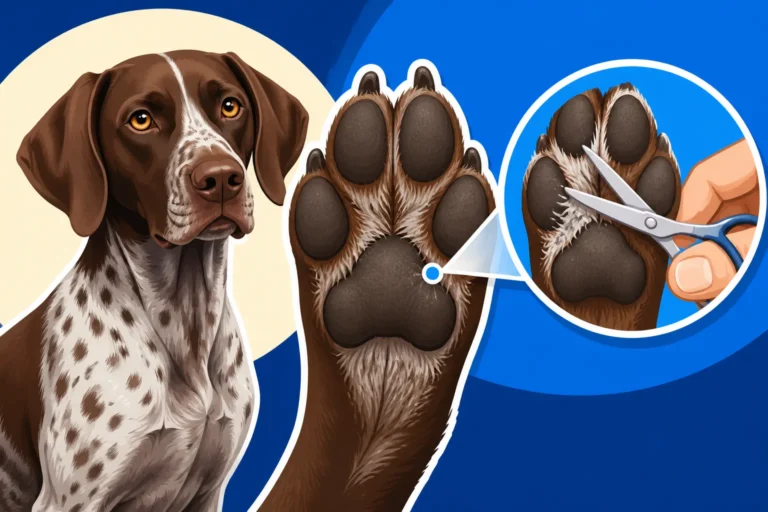
Hold the nozzle a few inches from their coat, systematically moving across their body. Lift their legs to dry their armpits and groin area, pull back their ears to get into the folds, and make sure to dry between their toes and paw pads – these are often overlooked spots where moisture can linger. Keep one hand on your dog's skin as you dry to monitor the temperature; the air should feel warm but not hot. The powerful airflow from a pet dryer will quickly remove water that towels simply can't reach, getting right down to the skin. This complete drying is essential, particularly when it's cold outside, as even slightly damp skin can chill them considerably.
Post-Drying Care and Monitoring
Once your German Shorthaired Pointer is thoroughly dry – and I mean truly dry down to the skin – the care isn't over. Keep them in a warm, comfortable environment for a while. You might consider putting a light fleece vest on them if they’re still prone to chilling, especially if they are one of those Vests and Coats a German Shorthaired Pointer Actually Needs. Observe them for any lingering shivers, signs of discomfort, or unusual behavior.
This is also a great time to offer a warm, nutritious meal and fresh water. After burning so many calories in the cold, their body needs to refuel. A hearty meal, perhaps from a high-quality brand like Ollie, can help replenish their energy stores and generate internal warmth. Consider feeding them Feeding a German Shorthaired Pointer After a Hunt Instead of Before to aid in their recovery. Make sure they have a soft, warm bed to curl up in, preferably away from drafts. Continue to monitor them for the next few hours to ensure they’ve fully recovered from the cold exposure. A completely dry and warm dog will quickly return to their usual, happy self, ready for their next adventure.
Common Pitfalls and How to Avoid Them
Even with the best intentions, it's easy to fall into common traps when drying a German Shorthaired Pointer in cold weather. These mistakes, however, can have significant consequences for their health and well-being. Being aware of these pitfalls and actively working to avoid them is crucial for responsible ownership.
Not Drying Completely
One of the most frequent mistakes I see, and one I've been guilty of myself in a rush, is stopping the drying process too soon. A German Shorthaired Pointer's coat might look dry on the surface, but if you run your fingers through their fur and feel any dampness down to the skin, they are not truly dry. Their short, dense coat can hold a surprising amount of moisture close to their body, especially on their underside, chest, and between their legs.
This "mostly dry" state is almost as bad as being completely wet, particularly in cold weather. The lingering moisture will continue to draw heat from their body, leaving them susceptible to chilling, hypothermia, and skin irritations like chafing or fungal growth. Always take the extra time to ensure they are bone-dry from nose to tail, paying particular attention to those hard-to-reach areas. It's a matter of patience and diligence, but it's non-negotiable for their health and comfort.
Overheating with Incorrect Tools
As mentioned earlier, the temptation to use a human hair dryer on your GSP can be strong, especially when you're in a hurry. However, this is a dangerous pitfall that can lead to severe burns. Human hair dryers produce concentrated heat, and a dog's skin is much thinner and more delicate than ours, with less protective hair on many parts of their body. Their short coat offers minimal buffer against direct heat.
Even if you use a "low heat" setting, the continuous application of forced hot air can cause thermal burns, which may not be immediately apparent but can lead to blistering and serious skin damage later. This is why a pet-specific forced air dryer is such a critical piece of equipment. It works by moving high volumes of room temperature air, effectively blasting water off without the risk of burning. Always double-check that you are using the correct equipment to avoid this painful and preventable injury.
Ignoring the Environment
You've done the hard work of getting your German Shorthaired Pointer dry, but the job isn't done if you immediately send them out into a cold, drafty environment. Even a fully dry dog can quickly become chilled again if they're exposed to cold air, especially after their body has just undergone the process of warming up. This is particularly relevant if they are allowed to go outside for a potty break immediately after drying, or if their designated resting spot is on a cold floor or near a drafty window.
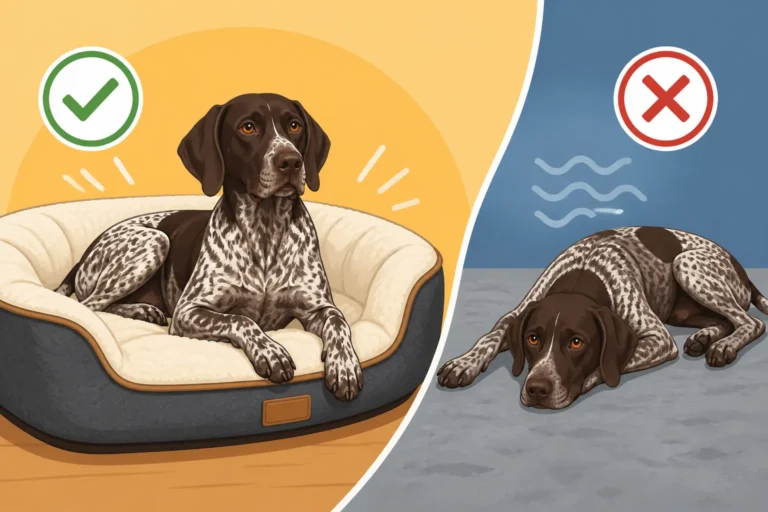
Ensure that the room where they are drying and resting is comfortably warm and free from drafts. If they need to go outside for a quick relief break, try to make it brief and avoid prolonged exposure to the cold. Consider The Temperature a German Shorthaired Pointer Should Not Hunt In for context, but also consider how cold temperatures affect them even when dry, especially if they're tired from a hunt. A warm, insulated dog bed or a cozy blanket can make a significant difference in helping them maintain their body temperature post-drying. Remember, the goal is to keep them warm and comfortable for several hours after a cold-weather adventure.
The Importance of Internal Temperature Regulation
While external drying is vital, don't overlook the importance of helping your Shorthair regulate their internal temperature, especially after intense activity in the cold. Their bodies are burning a tremendous amount of calories to stay warm and perform, which means they need proper fuel to recover and maintain their core warmth.
After drying, ensure they have access to plenty of fresh, unfrozen water. Dehydration can exacerbate the effects of cold. A calorie-dense, high-quality food is also crucial. For working dogs, this might mean a diet rich in protein and fat, perhaps found through suppliers like Chewy or specialized performance brands. Consider how many pounds of food a sixty pound Shorthair eats to ensure adequate intake, and ask your vet if Whether a Shorthair Needs a High Fat Diet in Season is appropriate for your dog's activity level. Good nutrition isn't just about sustained energy during the hunt; it's also about supporting their body's ability to generate and maintain warmth during recovery. This holistic approach ensures your GSP is not just superficially dry but truly warm and healthy from the inside out.
| Drying Method | Pros | Cons | Best Use Case |
|---|---|---|---|
| Absorbent Towels | Quick initial water removal, portable, no noise, low cost | Not fully effective for deep drying, requires many towels | Immediate post-activity, initial wipe-down |
| Drying Coats/Robes | Wicks moisture, provides warmth, passive drying | Slower than forced air, dog may still be damp underneath | Travel, post-towel drying, maintaining warmth |
| Forced Air Dryer | Fastest, most thorough drying, no heat risk, reaches skin | Noise (requires desensitization), initial cost, needs power source | Full drying after swim/hunt, deep coat drying |
| Air Drying (indoors) | No equipment needed, quiet | Very slow in cold weather, high risk of chilling/hypothermia, messes | Not recommended for cold weather drying |
Disclaimer
This article is for general informational purposes only and does not constitute professional advice. Laws, prices and regulations vary by location and change over time. Consult a qualified professional for guidance on your specific situation.