Treating a Shorthair’s Hot Spot After Swimming
There’s nothing quite like watching your German Shorthaired Pointer leap into a pond, full of joyful retrieve, or bound through a dewy field, ears flapping in the wind. But that wonderful love for water and the outdoors can sometimes come with a frustrating and painful consequence: the dreaded hot spot. These angry, red, weeping lesions can pop up seemingly overnight, leaving you wondering how your healthy, active dog suddenly developed such an irritated patch of skin. This guide is here to walk you through understanding why these happen, how to provide immediate care, and what steps you can take to prevent them from turning your Shorthair's next swim into a week of discomfort.
Understanding Hot Spots in German Shorthaired Pointers
Hot spots, medically known as acute moist dermatitis, are a common and incredibly annoying skin condition that can affect any dog, but breeds with dense coats or those prone to getting wet, like our beloved German Shorthaired Pointers, often seem particularly susceptible. It's a sudden, localized inflammation and infection of the skin that can spread rapidly and become quite painful if not addressed quickly.
What Exactly is a Hot Spot?
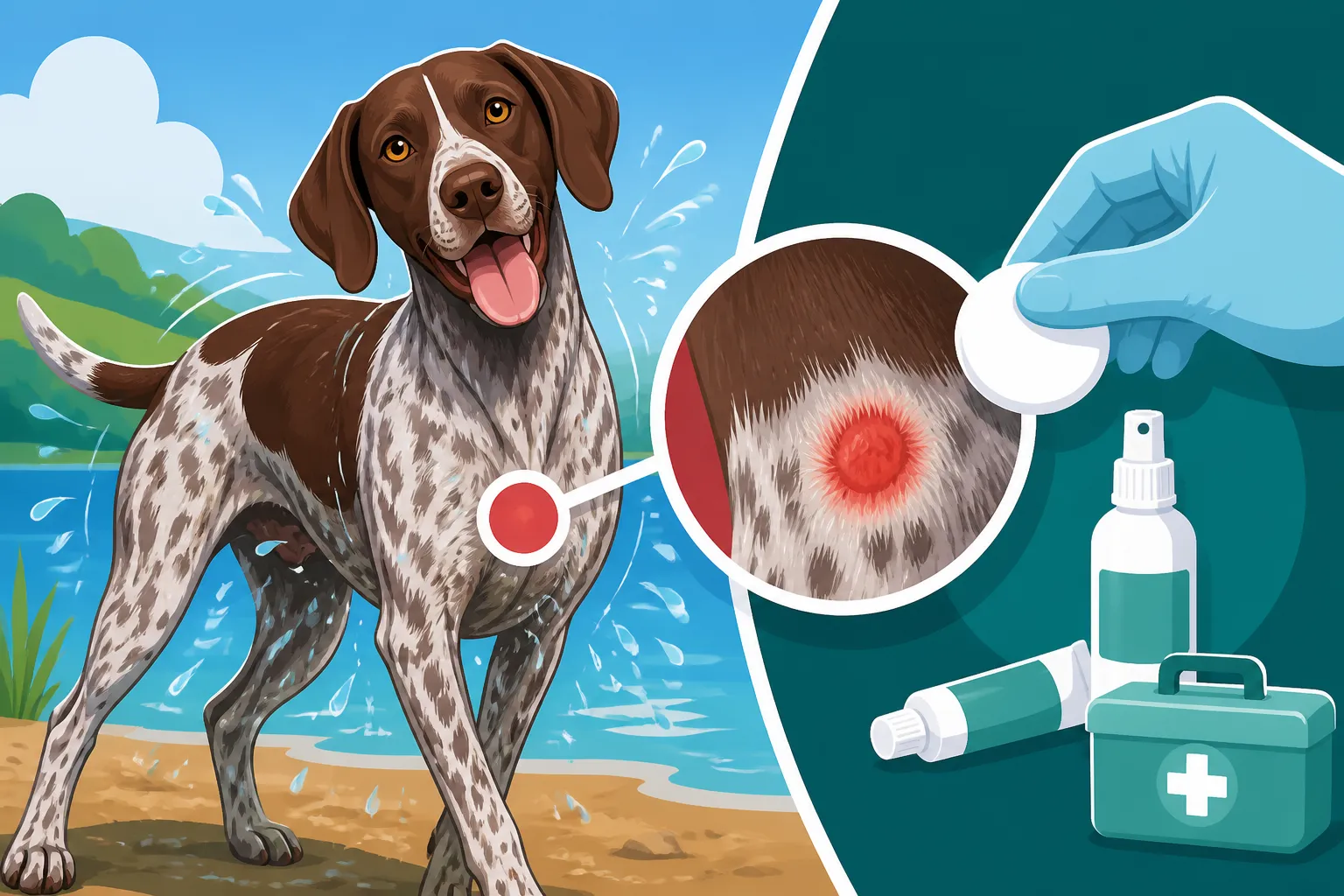
Imagine a small itch. Your Shorthair scratches it. Then they scratch it a bit more, maybe lick it when it feels tingly or weird. Before you know it, what was a tiny, innocent scratch has turned into a self-perpetuating cycle of itching, licking, chewing, and further irritation. This intense self-trauma quickly breaks the skin barrier, allowing normal skin bacteria to invade and cause a secondary infection. The result is a hot spot: a raw, red, oozing lesion that's often warm to the touch and can sometimes even weep pus. It's truly shocking how fast they can escalate from a minor annoyance to a significant problem, often growing to the size of a silver dollar or larger in just a few hours.
The problem with hot spots is their rapid onset. You might notice a small matted patch of hair one evening, and by morning, it's a full-blown, angry lesion. The constant moisture from licking or from external sources only makes it worse, providing a perfect breeding ground for bacteria. Your GSP's short, dense coat, while amazing for shedding water, can also trap moisture against the skin if not dried properly, which is a major factor we'll dive into.
Why Swimming Aggravates Them
German Shorthaired Pointers, with their inherent love for water and their energetic, all-weather disposition, often find themselves immersed in ponds, lakes, or even just wet grass for extended periods. This love for water, while a joy to behold, is a primary culprit in the formation and worsening of hot spots. When your Shorthair gets wet, especially after a good swim or a romp in the rain, that moisture can become trapped against their skin, particularly in areas where the fur is a bit denser or where they have folds or creases.
The persistent dampness creates a warm, humid environment that is absolutely ideal for bacteria and yeast, which are naturally present on your dog's skin, to multiply rapidly. This bacterial overgrowth then triggers an inflammatory response. Add to that any existing minor skin irritations, like flea bites, allergies, or even burrs hidden in their coat, and you have a recipe for disaster. Your dog starts to feel itchy or uncomfortable, begins to lick and chew, and the cycle of hot spot development accelerates. Rinsing a German Shorthaired Pointer After Pond Water can become even more crucial when considering skin health.
Common Locations on a Shorthair
Hot spots tend to favor certain areas on a German Shorthaired Pointer's body, primarily those that are easily reached for licking and chewing, or those that retain moisture more readily. You'll often find them popping up on the neck, just behind the ears, where a damp collar might rub, or where they can easily scratch with a hind paw.
The flanks and hips are another common area, especially if your Shorthair has a habit of lying on damp ground or experiences environmental allergies that make these areas itchy. The base of the tail is also a prime location, sometimes triggered by a flea bite or just persistent licking after a good swim. In some cases, you might even see them develop between their toes, especially if they're often retrieving from water or running through wet fields, leading to trapped moisture and irritation. Being vigilant about checking these spots after any water activity is key to catching a hot spot before it gets out of hand.
Immediate First Aid for Hot Spots
Once you've spotted a hot spot, it's natural to feel a pang of worry and a strong desire to make your dog comfortable immediately. The good news is that swift and proper first aid at home can often stop the progression of a mild hot spot and prevent a trip to the vet. The key is to address the moisture, control the itch, and prevent further self-trauma.
Gently Cleaning the Area
The absolute first step in treating a hot spot is to expose it to air and clean it thoroughly. This might be the hardest part, as the area can be quite painful for your Shorthair. If there's matted hair over the lesion, you'll need to carefully trim it away using blunt-nosed scissors or electric clippers. This is critical because the hair traps moisture and prevents healing. You want a clear margin of healthy skin around the entire lesion. Be extra gentle, as the skin beneath will be raw and tender.
After trimming, gently clean the hot spot with an antiseptic solution. A diluted povidone-iodine solution (like Betadine, diluted to the color of weak tea) or a chlorhexidine solution (available at most pet stores or online at places like Chewy) works wonderfully. Avoid alcohol, hydrogen peroxide, or anything that stings, as this will only increase your dog's discomfort and likely lead to more licking. Pat the area dry with a clean, soft cloth or paper towel. The goal is to get it clean and dry – dryness is crucial for healing.
Applying Soothing Treatments
Once the area is clean and dry, it's time to apply a topical treatment designed to soothe the irritation and help dry out the lesion. Many over-the-counter options contain hydrocortisone to reduce inflammation and itching, and often an antibiotic or antifungal agent. Sprays are often easier to apply than creams, especially if the area is very sensitive. Look for formulations specifically for hot spots, many of which contain astringents like aluminum acetate or witch hazel, which help dry the weeping lesion.
A thin layer applied a couple of times a day, after cleaning, can make a significant difference. Be careful not to over-apply, as too much moisture can still be detrimental. For more natural approaches, some owners use a diluted apple cider vinegar rinse (though this can sting initially) or a thin application of aloe vera gel, but always ensure it's pure and free from additives harmful to dogs. Remember, the goal is to calm the inflammation and keep the area dry.
Preventing Further Self-Trauma
This is perhaps the most challenging, yet most important, part of home treatment. If your German Shorthaired Pointer can continue to lick, chew, or scratch the hot spot, all your cleaning and treating will be in vain. They will keep irritating it, and it will get worse. The most effective tool for preventing self-trauma is an Elizabethan collar, often called an "E-collar" or "cone of shame." While they aren't your dog's favorite accessory, they are invaluable for healing.
There are various types available, from rigid plastic cones to softer, more comfortable inflatable collars or flexible fabric cones, which you can find readily on Amazon. Choose one that is long enough to prevent your Shorthair from reaching the hot spot, but comfortable enough that they can still eat and drink. Sometimes, a protective bandage can be used for hot spots on the body, but only if your dog isn't prone to chewing it off immediately, and if it allows the wound to breathe. A T-shirt or dog bodysuit can also work for body hot spots, creating a barrier without completely occluding airflow. Consistency is key here; the cone needs to stay on until the hot spot is completely healed and no longer itchy.
When to Call the Vet
While many mild hot spots can be managed at home with diligent care, there are definitely times when a professional veterinary opinion is not just helpful, but absolutely essential. Ignoring severe or worsening hot spots can lead to deeper infections and more complicated health issues for your German Shorthaired Pointer.
Recognizing Signs of Bacterial Infection
The primary concern with a hot spot is that the initial irritation can quickly lead to a secondary bacterial infection. If you observe certain signs, it's a clear signal that the infection might be advancing beyond what over-the-counter treatments can handle. Look for pus that is thick, yellow, or green, rather than just clear serous fluid. A foul odor emanating from the lesion is another strong indicator of significant bacterial growth.
The skin around the hot spot might become very swollen, feel hot to the touch, and the redness could spread rapidly, indicating cellulitis (a spreading bacterial infection of the skin and underlying tissues). Your Shorthair might also show systemic signs of illness, such as lethargy, loss of appetite, or even a fever. If the hot spot seems to be causing extreme pain, making your dog whimper or snap when touched, it's a good idea to seek veterinary care. Skin Infections Under a Shorthair's Short Coat can be particularly tricky to manage without professional input.
When Home Treatment Isn't Enough
Sometimes, despite your best efforts with trimming, cleaning, and applying topical treatments, the hot spot just doesn't seem to improve, or worse, it continues to spread. If you've been diligently treating the area for 24-48 hours and you see no noticeable improvement, or if the lesion actually looks larger, deeper, or more inflamed, it's time to call your vet.
Another scenario is when the hot spot is located in a particularly sensitive or difficult-to-reach area, such as near the eye or deep in a skin fold. These locations can be challenging to clean and treat effectively without professional help. Furthermore, if your Shorthair is completely miserable, unable to rest, or continues to obsessively lick and chew despite the cone, a vet visit is warranted. They can provide stronger medications to break the itch-scratch cycle more effectively.
The Vet's Approach: Diagnosis and Prescription
When you take your German Shorthaired Pointer to the vet for a hot spot, they will first conduct a thorough examination to assess the extent of the lesion and look for any underlying causes. They'll likely clean and clip the area even more meticulously than you could at home, ensuring all affected skin is visible. They may even take a sample from the skin for cytology (examining cells under a microscope) or bacterial culture. This helps identify the specific bacteria or yeast involved and determine the most effective antibiotic or antifungal medication.
Treatment typically involves a combination of approaches. Your vet will likely prescribe oral antibiotics to combat the bacterial infection from the inside out, often for a course of 10-14 days or longer. They might also prescribe oral anti-inflammatory medications, such as steroids, to quickly reduce the itching and inflammation, providing immediate relief for your dog. Stronger topical sprays or ointments, often with potent steroids and antibiotics, may also be given. The vet will also emphasize the importance of preventing self-trauma with an E-collar or other barrier, ensuring the healing process can truly begin.
Preventative Measures and Long-Term Care
Preventing hot spots is always better than treating them, and for an active German Shorthaired Pointer who loves the water, establishing a routine of proactive care is essential. By taking a few consistent steps, you can significantly reduce the likelihood of these painful lesions disrupting your dog's adventures.
Thorough Drying After Water Activities
This is, hands down, one of the most critical preventative measures for a water-loving Shorthair. After every swim, bath, or even a very wet walk in the rain or dewy grass, you need to thoroughly dry your dog. Don't just towel them off quickly; aim to get down to the skin. Pay particular attention to areas where moisture can easily get trapped: under their armpits, behind their ears, in their groin area, and especially at the base of their tail.
Using absorbent towels, and even a forced-air pet dryer (like the kind groomers use) on a cool setting, can be incredibly effective. If you don't have a pet dryer, simply take the time to really rub and fluff the coat dry. If your Shorthair is still damp, consider confining them to a well-ventilated area until they are completely dry, preventing them from lying on cold, damp surfaces. This habit will go a long way in preventing the warm, moist environment that bacteria thrive in. Drying a Shorthair's Ears After Every Swim is another key related practice to prevent ear infections which can also lead to scratching and hot spots around the ears.
Regular Coat and Skin Health Checks
Beyond drying, a routine of regular visual inspections and tactile checks of your Shorthair's skin and coat can help catch potential issues before they become full-blown hot spots. Aim to do a quick "once over" a few times a week, especially after outdoor excursions. Gently part their fur, looking for any redness, bumps, scabs, or matted areas. Run your hands over their body, feeling for any heat, swelling, or tenderness.
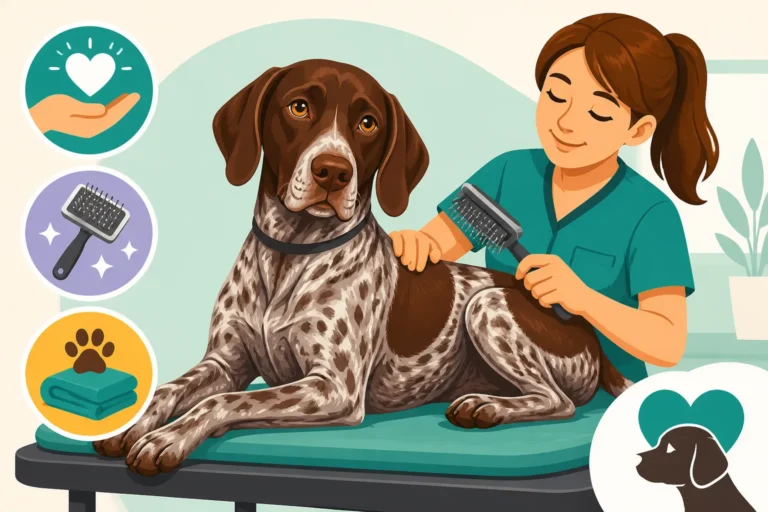
Brush your Shorthair regularly, even with their short coat. A good grooming mitt can help remove loose hair and distribute natural oils, improving skin health. How Rarely a Shorthair Actually Needs a Bath reminds us that frequent bathing isn't always the answer, but keeping the skin clean and healthy through regular checks and appropriate bathing (perhaps with a gentle, moisturizing shampoo if needed, available through Chewy) is crucial. If you spot any minor irritation, address it immediately with a gentle antiseptic wipe before it escalates.
Dietary Support and Supplements
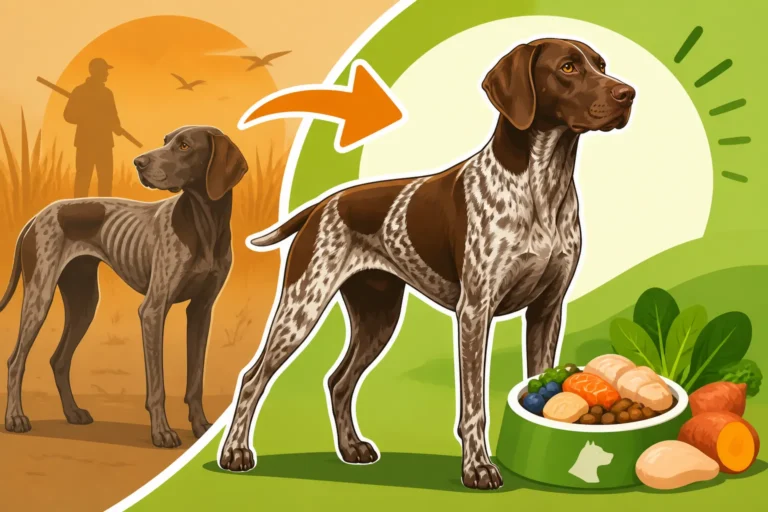
A healthy skin barrier starts from within, and your German Shorthaired Pointer's diet plays a significant role in their overall skin health. Ensure they are on a high-quality, balanced dog food appropriate for their activity level. For active dogs like GSPs, premium foods often contain better quality ingredients that support coat and skin health. Brands like Ollie, which offer fresh, human-grade food, prioritize nutrient-dense ingredients that can contribute to a stronger skin barrier.
Beyond a good base diet, certain supplements can be highly beneficial. Omega-3 fatty acids, found in fish oil, are well-known for their anti-inflammatory properties and their ability to promote healthy skin and a shiny coat. Fish Oil for a German Shorthaired Pointer's Skin is a great resource if you want to dive deeper into this topic. You can find high-quality fish oil supplements for dogs on sites like Amazon. Probiotics can also support gut health, which in turn can positively impact skin health and the immune system. Always discuss any new supplements with your vet to ensure they are appropriate for your individual dog.
Managing Underlying Allergies
For many German Shorthaired Pointers, hot spots aren't just a random occurrence; they are often a symptom of an underlying issue, and allergies are a prime suspect. Whether it's environmental allergies (atopy) to pollen, dust mites, or molds, or even food sensitivities, chronic itching can lead to your Shorthair constantly licking and chewing, inevitably resulting in hot spots. Environmental Allergies in a Shorthair That Works Cover can provide more information on how these impact working dogs.
If your Shorthair experiences recurring hot spots, especially in the same areas or during specific seasons, it's wise to work with your veterinarian to investigate potential allergies. This might involve allergy testing, dietary trials, or a combination of treatments to manage the allergic response. Medications to control the itch, such as antihistamines, Apoquel, or Cytopoint injections, can be game-changers for dogs with allergies, breaking the cycle of scratching that leads to hot spots. Addressing the root cause is the most effective long-term strategy for preventing these frustrating skin issues.
Quick Guide to Hot Spot Care Stages
| Stage | Description | Action Steps | When to Vet |
|---|---|---|---|
| Early Irritation | Small red patch, mild itching, matted fur. | Trim hair, clean with mild antiseptic, apply soothing topical, prevent licking (cone). | If no improvement in 24 hours or spreads. |
| Active Hot Spot | Raw, red, oozing lesion, intense itching, spreading rapidly. | Thoroughly trim hair (wide margin), clean with antiseptic, apply targeted hot spot treatment, absolute E-collar. | If worsening after 24-48 hours, foul odor, pus, lethargy, fever, extreme pain. |
| Healing Phase | Dry, scabbed, less red, hair starting to grow back, mild itching. | Continue topical treatment (if vet advises), maintain E-collar until fully healed, regular checks. | If new redness, swelling, or re-opening. |
| Prevention | Healthy skin, no current lesions. | Thorough drying after water, regular skin checks, high-quality diet, consider supplements/allergy management. | For recurring hot spots to find underlying causes. |
Disclaimer
This article is for general informational purposes only and does not constitute professional advice. Laws, prices and regulations vary by location and change over time. Consult a qualified professional for guidance on your specific situation.