Whether Paw Balm Helps a Shorthair’s Working Feet
You’ve seen your German Shorthaired Pointer tear through stubble fields, bound across icy ground, or race over sun-baked pavement, seemingly invincible. Their enthusiasm for work and play is boundless, but beneath all that drive, their paw pads are taking a beating. It’s natural to wonder if those tough, leathery pads could use a little extra help, and that’s where paw balm comes into the picture. This guide will explore whether paw balm truly offers a benefit for your Shorthair’s hard-working feet, and how to incorporate it into their routine.
The Harsh Realities of a Shorthair's Working Feet
Our German Shorthaired Pointers are athletes, pure and simple. They were bred for a demanding lifestyle, and their bodies are generally robust. However, even the toughest pads have their limits when faced with the relentless demands of a working life. You might notice your usually stoic companion favoring a foot after a particularly long day, or you might spot small cracks and dryness that just weren't there before. These are the tell-tale signs that their paws are enduring significant stress.
The Constant Assault from the Elements
Think about what your Shorthair’s paws encounter on an average day, let alone during hunting season. It’s a gauntlet of environmental challenges. In the field, they’re navigating everything from sharp stubble and burrs to abrasive rocks and uneven terrain. These aren’t manicured lawns; these are wild, untamed landscapes that can easily nick, abrade, and wear down paw pads.
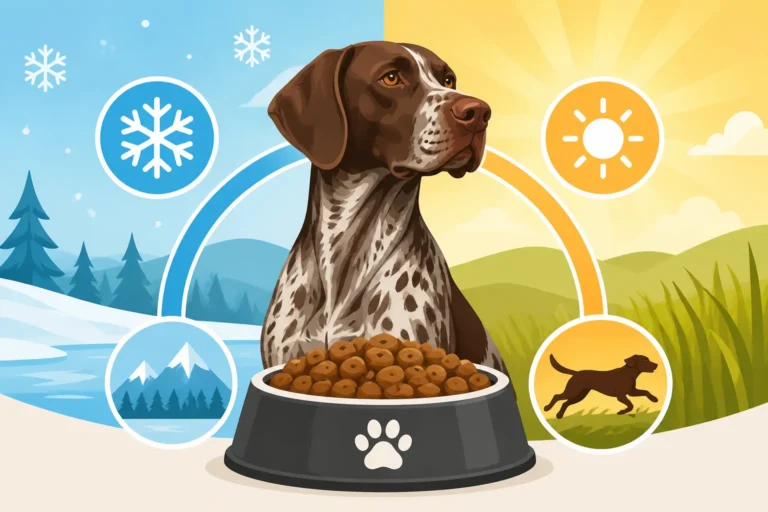
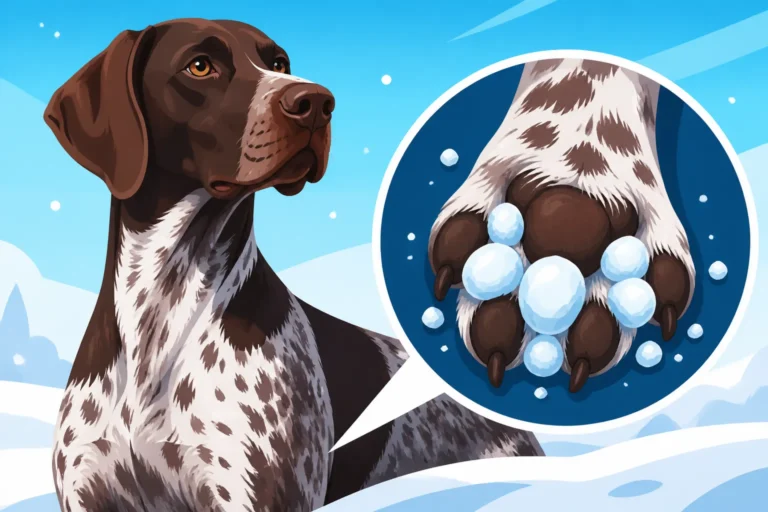
Then there's the weather. Winter brings ice, snow, and often, chemical de-icers that can be incredibly irritating and drying. The cold itself can make pads brittle. Summer offers its own set of problems: scorching asphalt or sand that can cause severe burns, and dry, dusty conditions that suck moisture right out of the pads, leading to cracking. Even city living isn't safe, with hot sidewalks and hidden chemicals like weed killers and fertilizers that can irritate delicate paw tissue. It’s a lot for those four hardworking feet to handle, and sometimes, they just need a break, or at least a little protection.
Why a GSP's Pads Are Different (and Vulnerable)
A German Shorthaired Pointer's paw pads are miracles of natural engineering. They're designed with a thick layer of fatty, elastic tissue that acts as a shock absorber, protecting bones and joints from impact. The outer layer of skin is heavily keratinized, meaning it’s tough and resistant to wear. This is what gives them that wonderfully leathery feel. However, while robust, they are still living tissue.
Unlike a sedentary house dog whose paws might remain relatively soft, a working Shorthair's pads are constantly regenerating and thickening in response to friction. But this constant wear and tear can also lead to issues. The natural oils and moisture in the pads can be stripped away, especially in dry, cold, or hot conditions. This leaves the pads vulnerable to drying out, becoming stiff, and eventually cracking. Once a crack forms, it can deepen, become painful, and even open the door for bacterial infections. A deep crack can sideline a dog faster than almost any other minor injury, transforming a powerful stride into a hesitant shuffle. You know how resilient your Shorthair usually is, so when they start showing discomfort, it’s a clear sign their pads need attention.
What Exactly is Paw Balm and How Does it Work?
So, with all these challenges, what is paw balm and how can it possibly help? Think of paw balm as a specialized moisturizer and protective barrier, specifically formulated for the unique skin of a dog’s paw pads. It’s not just a fancy cream; it’s designed to address the specific issues of dryness, cracking, and exposure that working dogs face. Many owners find it an indispensable part of their routine, especially when their dogs are in heavy work seasons or living in harsh climates.
Ingredients and Their Benefits
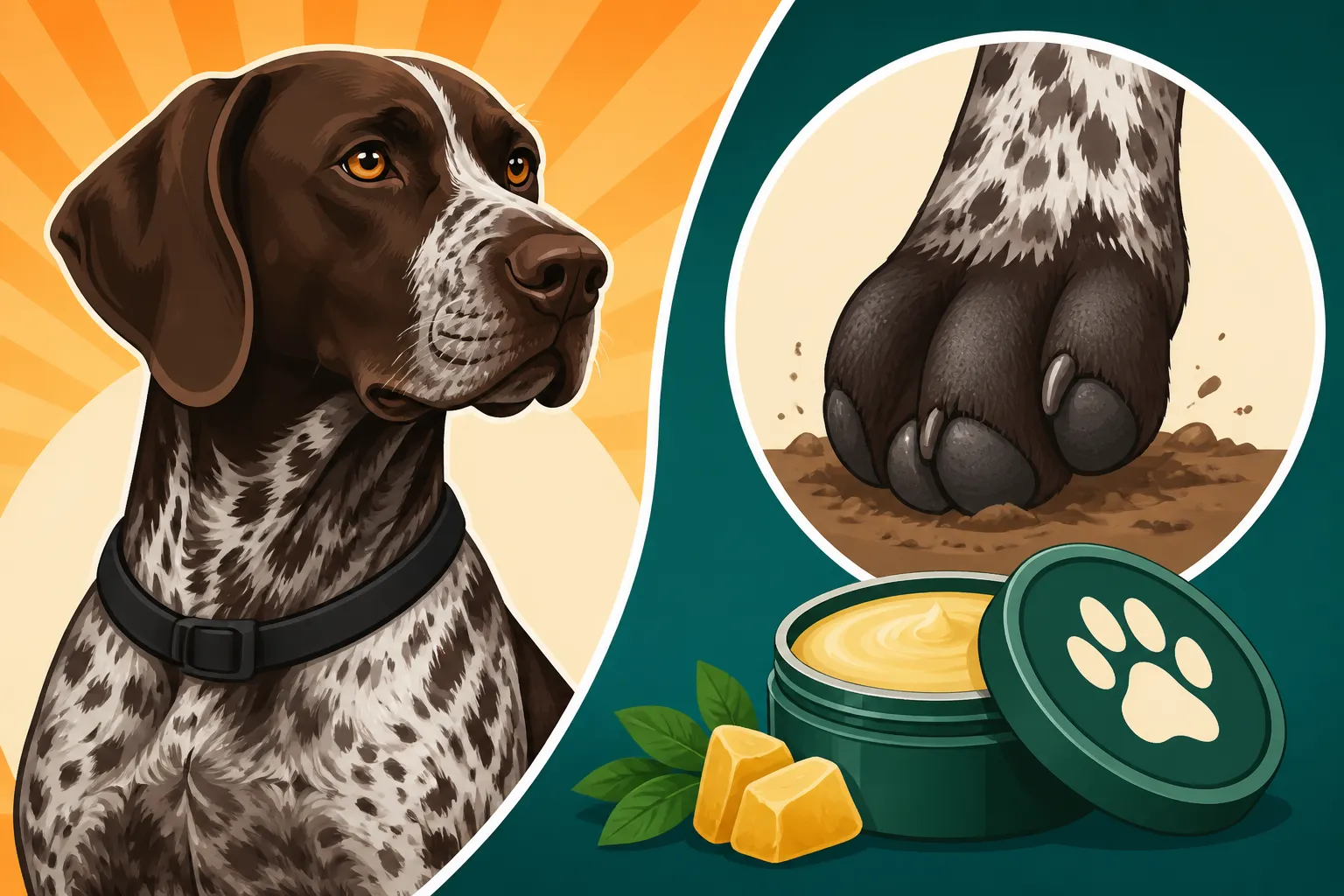
Most effective paw balms leverage a blend of natural, soothing, and protective ingredients. You'll typically find a base of natural waxes, such as beeswax or carnauba wax, which provide a semi-occlusive layer on the surface of the pad. This layer helps to seal in moisture while also creating a barrier against external irritants like salt, ice, hot pavement, or abrasive terrain. It’s like putting a very thin, invisible shield on your dog's paws.
Beyond the waxes, the real magic comes from a variety of natural oils and butters known for their moisturizing and healing properties. Ingredients like coconut oil, shea butter, and almond oil are fantastic emollients that soften and hydrate the tough skin. Vitamin E oil is often included for its antioxidant properties, which can help promote skin health and repair. Some balms might also contain calendula or comfrey for their anti-inflammatory and healing capabilities. When you look for a good paw balm on sites like Chewy or Amazon, pay attention to these natural ingredients—they’re the ones doing the heavy lifting to keep those pads supple and strong.
The Science Behind the Softness (and Protection)
At its core, paw balm works by restoring and maintaining the natural moisture balance in your dog's paw pads. The emollients in the balm penetrate the outer layers of the keratinized skin, softening it and making it more flexible. Dry, stiff pads are prone to cracking, much like dry skin on our own hands. By making the pads more pliable, the balm significantly reduces the risk of splits and fissures, especially in areas that flex with every step.
Furthermore, the waxy components create a protective barrier. This barrier isn't just about preventing moisture loss; it also helps repel water, snow, and irritating substances. For example, when your Shorthair is out in the snow, a good balm can help prevent ice balls from forming between their toes and can shield their pads from harsh de-icing chemicals. While a balm can offer remarkable protection and aid in the healing of minor irritations, it’s important to remember its limits. It’s an excellent preventive and supportive tool, but it's not a magic cure for deep wounds or infections. For serious concerns, a trip to the vet is always the right call. It’s a tool for wellness and minor recovery, not a substitute for professional medical attention.
Applying Paw Balm for Optimal Results on Working Feet
So, you've decided to give paw balm a try for your German Shorthaired Pointer's feet. That's a great step towards proactive paw care! But just like any treatment, the effectiveness of paw balm heavily depends on how and when you apply it. It's not a one-and-done solution; consistency is truly key, especially for a dog whose paws are constantly put to the test.
Best Practices for Application
The first step to effective paw balm application is ensuring your dog's paws are clean and dry. After a long day in the field or even just a muddy walk, take a moment to wipe down their paws. This removes dirt, debris, and any potential irritants, allowing the balm to absorb better. A simple warm water rinse and pat dry often suffices.
Once the paws are clean, take a small amount of balm and gently massage it into each pad, making sure to work it into any dry areas or cracks. Don't forget the spaces between the pads and around the nails – these areas can also suffer from dryness and irritation. Many dogs find this massage quite pleasant, turning it into a bonding ritual. A good time to apply is before bedtime. This allows the balm to soak in overnight, undisturbed by walking or licking. If your Shorthair is a persistent licker, you might consider using dog boots or even a cone for a short period after application, just to give the balm a chance to absorb fully. Regularity is more important than quantity; a thin, consistent layer applied daily will yield far better results than a thick glob applied once a week.
When to Use It (and When It's Not Enough)
Paw balm is most effective when used proactively and preventatively. Start applying it regularly a few weeks before hunting season begins or before extreme weather conditions set in. This helps to build up the pads' resilience, making them less susceptible to cracking and irritation. It's also fantastic for regular maintenance, keeping pads supple and healthy year-round. If you notice early signs of dryness, a little flakiness, or very minor surface cracks, paw balm can work wonders in restoring moisture and preventing the issue from worsening. For those really cold days or hot pavement walks, a layer of balm acts as an immediate protective barrier. Many excellent balms can be found on platforms like Chewy or Amazon, making it easy to keep your supply stocked.
However, it's crucial to understand that paw balm has its limitations. It is not a substitute for veterinary care. If your Shorthair has a deep cut, a bleeding crack, signs of infection (like pus, significant swelling, or an unpleasant odor), or is showing consistent lameness, you need to consult your veterinarian immediately. These issues require professional medical attention, which might include cleaning, antibiotics, or even stitches. Paw balm is for minor irritations and prevention, not for treating serious injuries. Think of it as part of your dog's regular wellness routine, similar to how you’d monitor them for Field Injuries a Hunting German Shorthaired Pointer Comes Home With after a rigorous outing.
Beyond Balm: Comprehensive Paw Care for Your German Shorthaired Pointer
While paw balm is a fantastic tool for maintaining healthy paws, it's just one piece of a larger puzzle. A holistic approach to paw care ensures your German Shorthaired Pointer's feet remain in top condition, ready for whatever adventure you throw their way. Their paws are their primary interface with the world during their work, so keeping them sound is paramount to their performance and overall happiness.
Routine Inspection and Cleaning
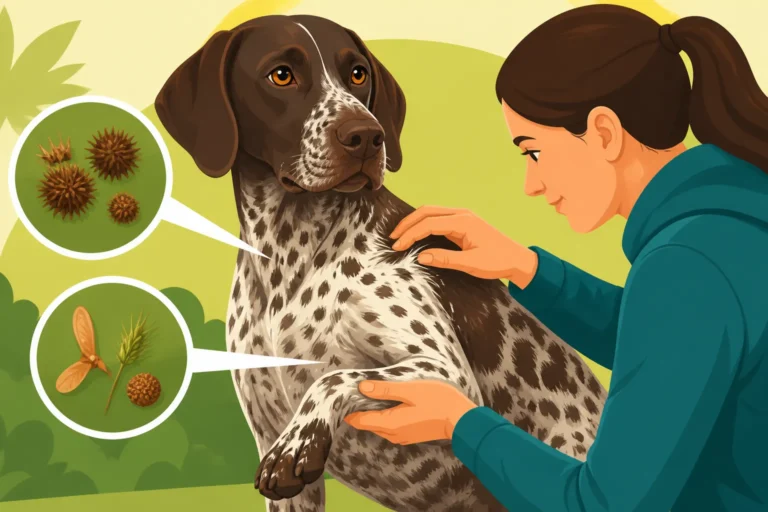
This is perhaps the most important, yet often overlooked, aspect of paw care for any active dog, especially a German Shorthaired Pointer. After every outing, particularly after hunting or exploring rough terrain, make it a habit to thoroughly inspect each paw. This means getting down and actually feeling between the pads, checking around the nails, and looking for any foreign objects.
What are you looking for? Keep an eye out for small cuts, punctures from thorns or sharp stones, burrs, foxtails, or even tiny pieces of gravel wedged between toes. Look for redness, swelling, or any signs of tenderness. Sometimes, the smallest burr can cause immense discomfort if left unnoticed. It’s also wise to check for any unusual odor, which can be an early indicator of a developing infection. If you find anything concerning, a gentle cleaning with warm water and a mild, dog-specific soap can help, but if it looks serious or deep, don’t hesitate to call your vet. This kind of thorough Checking a German Shorthaired Pointer Over After a Hunt should be as routine as putting away your gun.
Conditioning, Trimming, and Protection
Beyond inspections, there are several other practical steps you can take to ensure optimal paw health. Regular nail trimming is essential. Overgrown nails can change the way your dog walks, putting undue stress on their paw structure and potentially leading to splayed toes or even painful breaks. Aim to trim their nails frequently enough so that they don’t click on hard floors. If you're unsure how, ask your vet or a professional groomer for a demonstration. You can find more specific advice on How Often a German Shorthaired Pointer's Nails Need Trimming.
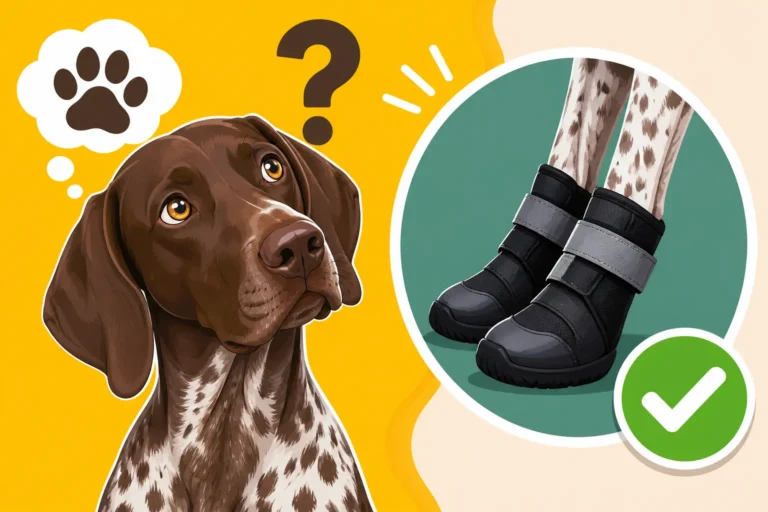
Trimming the hair between the paw pads is another important step. Excess hair can collect debris, burrs, mud, and ice balls, leading to discomfort or matting. Keeping this hair short allows for better air circulation and makes it easier to spot potential issues during your routine inspections. Check out Trimming the Hair Between a Shorthair's Pads for detailed guidance. For extreme conditions, like deep snow, icy trails, or very abrasive surfaces, dog boots can offer superior protection. They might take some getting used to, but for some working Shorthairs, they are invaluable for preventing injuries like Cut Pads on a German Shorthaired Pointer After a Long Day. You can explore options on sites like Chewy or Amazon and read up on Whether a Shorthair Tolerates Boots to help with the introduction process. Finally, proper physical conditioning through varied terrain helps naturally toughen their pads, but even with conditioning, supplements like Pad Toughener Products for a Hunting Shorthair can be beneficial.
When to Consult the Vet
Knowing when to transition from home care to professional veterinary attention is critical for your Shorthair's well-being. While paw balm and diligent home care are excellent for prevention and minor issues, some problems warrant immediate veterinary consultation.
If you observe deep lacerations that might require stitches, persistent bleeding, or any sign of a foreign object deeply embedded in the paw, don't delay a visit to the vet. Signs of infection, such as significant swelling, redness that spreads, warmth to the touch, pus, or a strong foul odor, also indicate a need for professional medical intervention. Persistent lameness, where your Shorthair continues to limp for more than a day or two despite rest, should also prompt a vet visit, as it could indicate a more serious underlying issue like a sprain, fracture, or joint problem. Even if you're just unsure, it’s always better to err on the side of caution. Your veterinarian can accurately diagnose the problem and provide the appropriate treatment, ensuring your German Shorthaired Pointer gets back on their feet safely and swiftly. Staying on top of The Vet Schedule a Working Shorthair Should Keep is paramount to preventing small issues from becoming big problems.
Disclaimer
This article is for general informational purposes only and does not constitute professional advice. Laws, prices and regulations vary by location and change over time. Consult a qualified professional for guidance on your specific situation.