Which German Region the Shorthair Developed In
It’s a common thing, isn’t it? You get this incredible German Shorthaired Pointer, full of energy and personality, and everyone tells you they’re "German." But Germany is a big, diverse country, and if you’ve ever wondered where exactly in that rich European tapestry your beloved GSP's story truly began, you’re not alone. The general label doesn't really tell you about the specific cultural and environmental influences that shaped this remarkable breed. This guide is going to take a deeper dive into the historical regions and intentions behind the development of the German Shorthaired Pointer, shedding light on its fascinating origins.
The Historical Canvas: Where the Shorthair's Story Begins
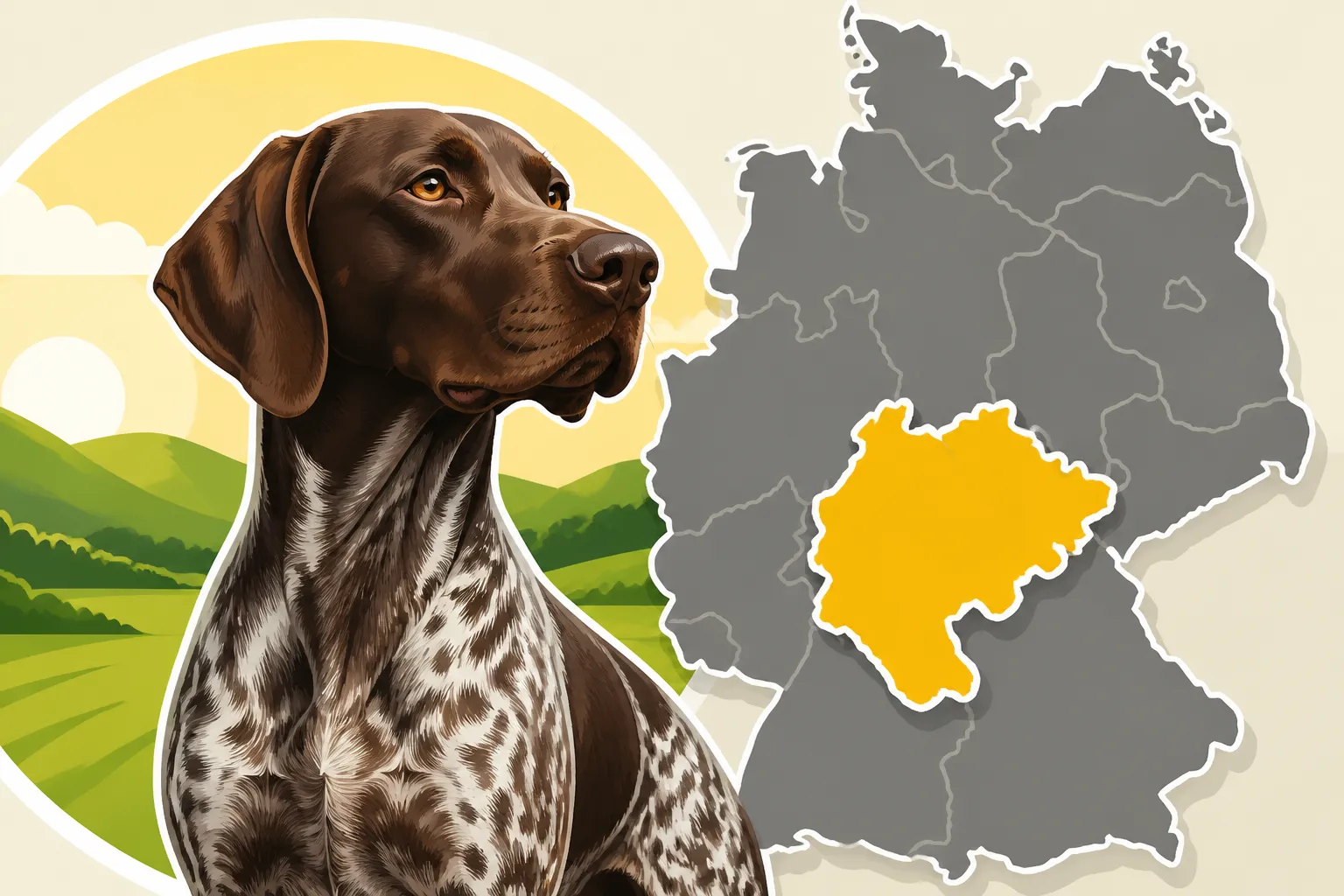
When we talk about the German Shorthaired Pointer, or GSP, we often just say "German." But that’s a bit like saying a fine wine comes from "France" without specifying Bordeaux or Burgundy. The truth is, the GSP didn't spring from one single village or even one isolated state. Instead, its development was a concerted effort across several German regions, driven by a specific vision for a versatile hunting dog. It wasn't a casual happenstance; it was a deliberate, almost scientific breeding program aiming for perfection.
More Than Just a "German" Dog: Pinpointing the Specific Regions
The early 19th century in Germany was a time of intense agricultural development and changing hunting practices. Nobles and keen sportsmen weren't content with specialist dogs – one for pointing, one for retrieving, one for tracking. They needed a jack-of-all-trades, a dog that could do it all, and do it well, across diverse terrains and game types. This ambition wasn't confined to a single duchy or kingdom, but rather gained traction in areas with strong hunting traditions and landowners who valued efficiency and capability in their sporting dogs. Regions like Württemberg and Hanover played particularly prominent roles, but it was truly a collaborative effort that slowly merged various regional ideals into a singular, superior canine athlete.
Why Location Matters: The Influence of Local Hunting Traditions
Imagine the varied landscape of Germany: dense forests, open plains, marshy wetlands, and rolling hills. Each area presented different hunting challenges. In some regions, a dog needed to track deer through thick woods; in others, it needed to hold a staunch point on upland game in vast fields, then retrieve waterfowl from cold water. This diversity meant that different regional dogs, each suited to their local environment and prey, held valuable genetic traits. The genius of the GSP's early developers was to recognize this and intentionally blend these regional strengths. It wasn't about picking one "best" dog from one region, but about creating a composite, a "super-dog" that could excel anywhere. This is why the GSP truly embodies what it means to be a "versatile" hunter, a term often associated with What Versatile Actually Means for a Shorthair.
The Core States of German Shorthaired Pointer Development
While many regions likely contributed, some stood out more than others in actively shaping the breed. These weren't necessarily the largest or most powerful states, but rather those with dedicated breeders, enlightened noble patrons, and a clear vision for the future of hunting dogs.
The Early Foundations: Württemberg and Hanover's Contributions
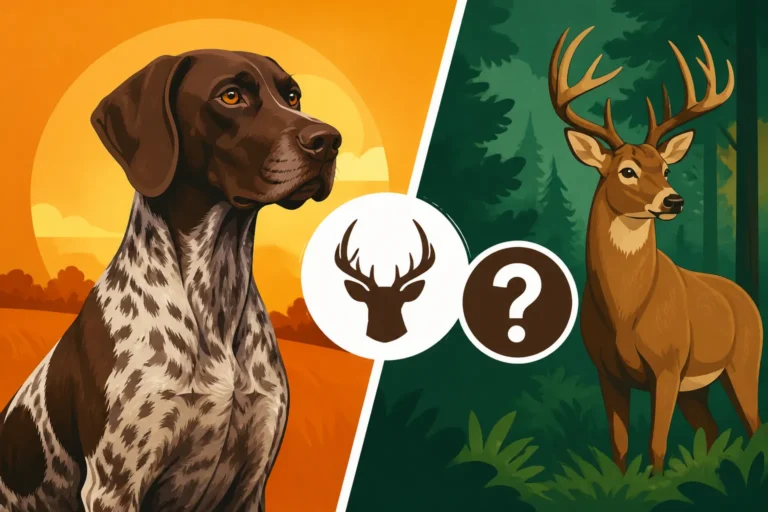
The Kingdom of Württemberg, located in southwestern Germany, was a significant hub for dog breeding and hunting culture. Here, the emphasis was often on a dog that was robust, intelligent, and capable of both pointing and tracking. Breeders in this region likely introduced dogs that possessed strong scenting abilities and an innate desire to please, crucial for a versatile hunter. Meanwhile, the Kingdom of Hanover, further north, also held a strong influence. The Hanoverian Hound, known for its exceptional tracking skills, is often cited as a possible early contributor to the GSP's lineage, helping to cement its reputation as a formidable tracking dog. The blend of these regional specialties, with an eye towards an all-around performer, was critical. It was less about specific border lines and more about the shared goal of creating a dog with exceptional natural abilities. The German Kennels the Shorthair Was Built In were centers for this kind of selective breeding, where detailed records of lineage and performance were meticulously kept.
Expanding the Blueprint: Other Regions Lending a Hand
While Württemberg and Hanover are frequently highlighted, it’s important to remember that the development was broader. Other German states, such as those within Prussia and parts of Bavaria, likely contributed different types of native German bird dogs and hounds. These might have offered additional traits like increased speed, a more intense point, or greater stamina. The breeders weren't just crossing random dogs; they were looking for specific attributes to enhance the emerging breed. Imagine breeders from one area seeking a dog with a stronger retrieve, while another focused on a more disciplined "whoa" command in the field. This iterative process, sharing and refining, took many decades, really shaping the breed. This widespread collaboration across various German regions truly allowed for the robust genetic pool that makes the GSP what it is today. You see this kind of meticulousness even in modern dog care, where thoughtful owners will often turn to resources like Chewy for breed-specific books on training and history to understand their dog's full potential, or for specialty dog foods formulated to support their active lifestyle.
The "Deutsch Kurzhaar" and Unification of a Vision
The term "German Shorthaired Pointer" is actually the English translation of its German name, "Deutsch Kurzhaar." This name itself speaks volumes about the breed's origins: "Deutsch" for German, and "Kurzhaar" meaning "short hair." This transition from a collection of regional types to a formally recognized national breed was a pivotal moment.
From Regional Variants to a National Breed
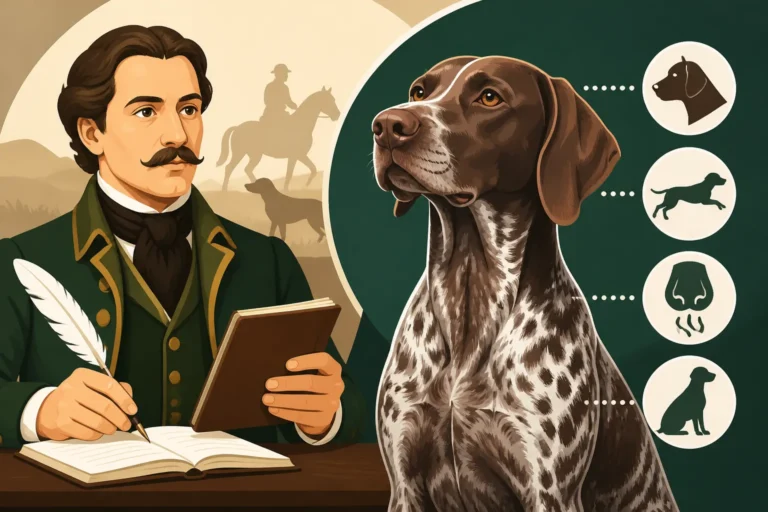
As the 19th century progressed, there was a growing desire to standardize and formalize many dog breeds. For the German Shorthaired Pointer, this meant consolidating the best traits from its various regional ancestors into a unified breed standard. This wasn't without its challenges, as different breeders had slightly different ideals. However, the overarching goal remained consistent: to produce a medium-sized, powerful, and adaptable dog that could point, retrieve on land and water, and track both feather and fur. This push for standardization truly began with influential figures like Prince Albrecht zu Solms-Braunfels, who laid down guidelines for functional hunting dogs, emphasizing performance over mere appearance. Prince Albrecht and the First Shorthair Stud Book details the importance of this early documentation. This dedication ensured that the qualities of hardiness and intelligence were preserved and passed down through generations.
The Role of Enthusiasts and Early Breed Clubs
The establishment of official breed clubs and registries was instrumental in solidifying the German Shorthaired Pointer as a distinct breed. These organizations created the first breed standards, outlining the physical characteristics and working abilities that defined the GSP. They promoted careful breeding practices, organized field trials, and ensured that the breed’s versatile hunting capabilities were maintained and even enhanced. These clubs effectively brought together disparate regional efforts under one banner, transforming various "German short-haired dogs" into the German Shorthaired Pointer. They understood that to truly create Why German Hunters Bred the Shorthair Instead of Four Dogs, they needed a unified approach. Even today, these clubs continue to be vital, advocating for the breed's health, temperament, and working ability, providing a wealth of information and products, often available through online retailers like Chewy, to help owners understand and care for their GSPs according to these established standards.
Here's a quick look at how the regional intentions shaped our beloved Shorthair:
| German Region (Historical Influence) | Key Contributions to GSP Development | Type of Hunting/Game |
|---|---|---|
| Württemberg | Robustness, intelligence, strong point, desire to please. | Upland birds, tracking small game. |
| Hanover | Exceptional tracking ability, strong scenting. | Deer, larger game tracking (influence from Hanoverian Hounds). |
| Prussia/Other North German States | Speed, stamina, water retrieving prowess. | Waterfowl, open field upland hunting. |
| General German Philosophy | Versatility, biddability, endurance, all-around hunting dog. | All game, all terrain, all conditions. |
When you look at your German Shorthaired Pointer today, chasing a ball with boundless energy or intently focused on a scent in the wind, you’re seeing the culmination of centuries of dedicated breeding across these diverse German regions. Their heritage is one of intelligence, athleticism, and an unwavering drive to work, all brought together to create the magnificent companion we know and love.
Disclaimer
This article is for general informational purposes only and does not constitute professional advice. Laws, prices and regulations vary by location and change over time. Consult a qualified professional for guidance on your specific situation.