The Ear Set on a German Shorthaired Pointer
Many German Shorthaired Pointer owners find themselves staring at those soft, expressive ears, wondering not just about their beauty, but also about the hidden challenges they might pose. It’s a common frustration to battle recurring ear issues, and often, it all starts with understanding the unique structure and purpose of a GSP's ear set. This guide will walk you through everything from what defines a GSP's ears to practical care strategies and when it's time to call the vet.
Understanding the German Shorthaired Pointer's Characteristic Ear Set
Those ears are undeniably part of what gives a German Shorthaired Pointer that noble, intelligent look. But their appearance isn't just for show; it's steeped in centuries of selective breeding for a working dog. To truly appreciate what you're dealing with, we first need to look at what the breed standard dictates and why those ears are shaped the way they are.
The Breed Standard's Description of GSP Ears
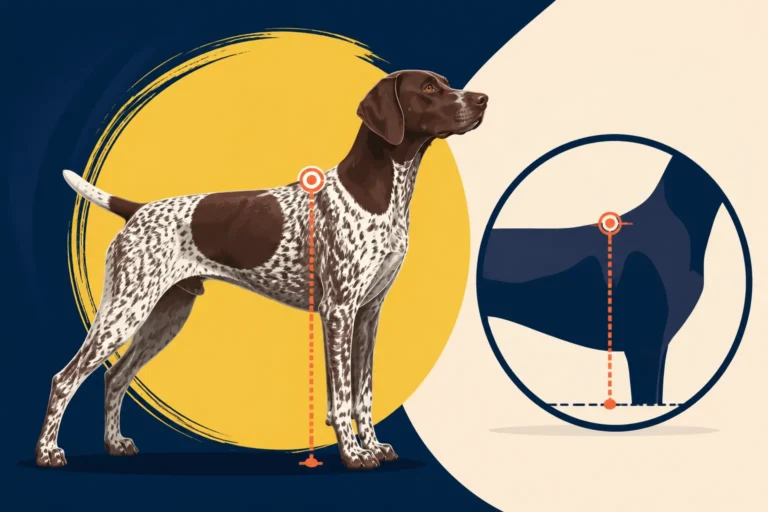
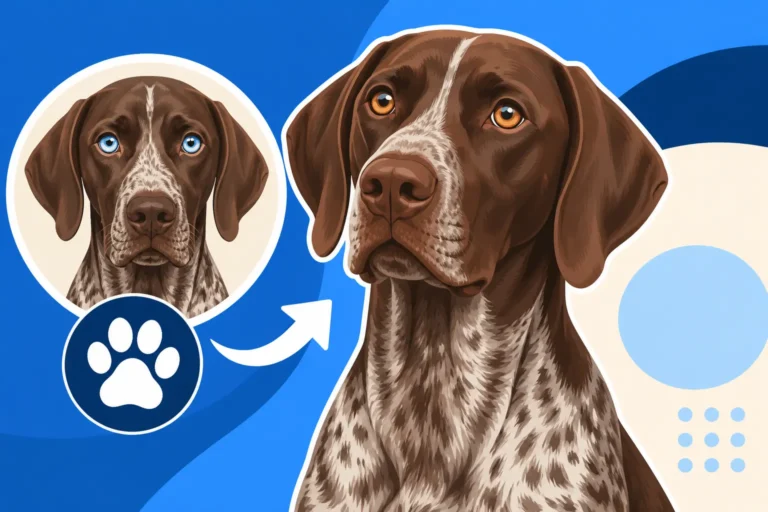
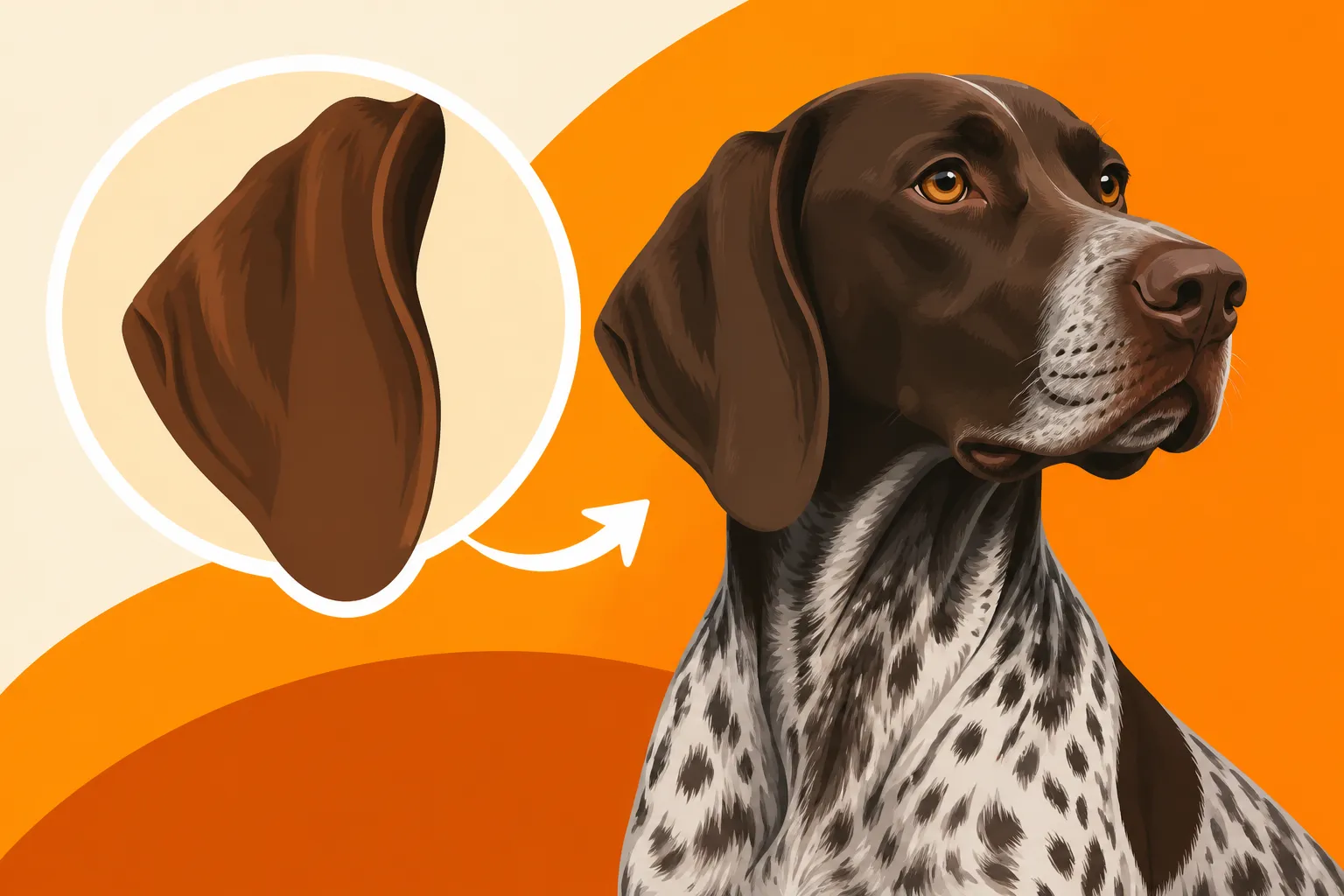
When you read the breed standard for a German Shorthaired Pointer, you'll find a very specific description of the ears, and for good reason. They are generally described as "broad, rather thin, and set high." This "high set" means they originate closer to the top of the skull, which is distinct from some other sporting breeds where ears might appear to start lower down. They should hang close to the head without any pronounced folds or wrinkles. The length is also important: when brought forward, the ear should reach approximately to the corner of the dog's nose, but not extend much beyond.
The texture is another key detail. They're typically quite soft and velvety to the touch, and relatively thin. This combination of being high-set, flat-lying, and not excessively long creates a distinct look that contributes to the breed's overall elegant silhouette. You might wonder why such a precise description matters, especially if your GSP is purely a companion. However, these physical traits, including ear set, were honed over generations to optimize the dog for its demanding tasks in the field, and they continue to influence how we need to care for our Shorthairs today.
Function Over Form: Why the GSP Ear Set Matters
It's easy to dismiss a dog's ears as just another part of their anatomy, but for a German Shorthaired Pointer, their ear set plays a functional role in their traditional work. While they might not be as dramatically long or heavy as a Basset Hound's, the GSP's ears still offer a degree of protection in thick cover. Imagine crashing through dense brush, thorny brambles, or tall grasses – a floppy ear, even a relatively high-set one, acts as a natural barrier, helping to shield the delicate inner ear structures from twigs, seeds, and minor scrapes.
There's also a long-held belief, especially among traditionalists, that the floppy nature of these ears can help funnel scent towards the dog's nose as they work the ground. While modern scientific studies might debate the exact extent of this effect, it's undeniable that the GSP was bred to be a superior scenting machine, a true "nose on legs." The ears, combined with their deep muzzle, contribute to their overall head conformation, which is paramount for their tracking and pointing abilities. This functional design means that while they offer some protection, they also introduce certain care considerations that owners need to be acutely aware of, especially those whose dogs spend ample time in the field.
How the GSP Ear Set Impacts Health and Common Issues
The very design that makes a German Shorthaired Pointer so adept in the field also creates a predisposition for certain health challenges, particularly concerning their ears. It’s a common lament among GSP owners that ear infections seem to be a constant battle, and it's not just bad luck—it's often a direct result of their ear anatomy.
The Environment Inside a Floppy Ear
Think about what happens inside a floppy ear. Unlike breeds with erect ears that allow for excellent air circulation, a GSP's pendulous ears effectively seal off the ear canal. This creates a warm, moist, and dark environment—a perfect breeding ground for various opportunistic microorganisms. Bacteria and yeast thrive in these conditions, multiplying rapidly when given the chance. When your Shorthair comes in from a swim or a rainy hunt, that moisture gets trapped, compounding the issue.
This is why you feel like you're constantly battling ear infections with your Shorthair! It’s not just about what gets in, but what stays in because of that lack of airflow. Without proper ventilation, even a small amount of moisture or debris can quickly escalate into an uncomfortable, itchy, and painful infection. It’s a frustrating cycle for many owners, making diligent care not just a recommendation but a necessity. For a deeper dive into these persistent problems, consider reading A Shorthair's Ear Infection That Returns Every Duck Season.
Predisposition to Ear Infections and Other Concerns
Beyond the general environment, the GSP's lifestyle often exacerbates these inherent predispositions. These are dogs that love water, love to run through tall grasses and heavy cover, and are generally enthusiastic about life outdoors. All of these activities increase the chances of foreign bodies like grass awns, burrs, or dirt making their way into the ear canal, where they can quickly cause irritation, inflammation, or even perforate the eardrum. What Collects in a Shorthair's Folded Ear explores this in more detail.
Ear infections are the most common ailment, ranging from bacterial otitis to yeast infections, often presenting as a pungent odor, redness, and excessive scratching. But it's not always just about what gets into the ear. Many GSPs also suffer from environmental allergies (atopy) or food sensitivities, and one of the first places these allergies manifest is often in the ears, causing chronic inflammation and recurrent infections. Repeated head shaking due to irritation can even lead to aural hematomas, where blood vessels in the ear flap rupture, creating a swollen, fluid-filled pocket that often requires veterinary intervention. It's a cascade of potential issues that starts with that characteristic ear set and lifestyle.
Essential Grooming and Prevention Strategies for GSP Ears
Given their predisposition to ear issues, proactive and consistent ear care is not just a good idea for German Shorthaired Pointers—it's absolutely crucial for their comfort and long-term health. Don't wait for a problem to appear; prevention is always easier (and often cheaper) than treatment.
Establishing a Regular Ear Care Routine
The cornerstone of healthy GSP ears is a consistent routine. You should be checking your dog's ears at least weekly, if not daily, especially if they're active outdoors. What are you looking for? Redness, swelling, any unusual odor (often described as yeasty or pungent), discharge (ranging from dark brown to yellowish green), or excessive scratching or head shaking. The earlier you spot these signs, the sooner you can intervene.
When it comes to cleaning, gentle is key. Avoid cotton swabs, as they can push debris further into the ear canal and damage the delicate structures. Instead, use a veterinarian-approved ear cleaning solution designed to break down wax and dry quickly. Many excellent options are available from retailers like Chewy. Simply apply the solution into the ear canal as directed, massage the base of the ear to help loosen debris, and then use a soft cotton ball or gauze pad to wipe out any visible dirt and excess solution from the outer ear flap and entrance to the canal. Remember, you're cleaning the visible part, not probing deep inside. Whether Weekly Ear Cleaning Is Enough for a Shorthair can give you more insights into frequency.
Preventing Issues in the Field and Water
A German Shorthaired Pointer's love for the outdoors means you need to be extra vigilant about ear care after every adventure. If your Shorthair has been swimming, whether in a pond, lake, or even just had a bath, it's absolutely vital to dry their ears thoroughly. Use a soft towel or cotton balls to absorb as much moisture as possible from the outer ear and just inside the canal. Some owners even use a specific ear drying solution, which you can often find alongside ear cleaners on sites like Chewy, to help evaporate remaining moisture and acidify the ear canal, making it less hospitable for pathogens. You can learn more about this in Drying a Shorthair's Ears After Every Swim.
After every hunt, walk through tall grass, or romp in wooded areas, perform a thorough check for foreign bodies. Burrs, foxtails, and grass awns are notorious for migrating into ear canals and causing severe irritation or infection. These tiny, barbed seeds can work their way deep inside, sometimes requiring veterinary removal. This post-outing check is non-negotiable for a hunting Shorthair. Foxtails and Grass Awns in a Hunting Shorthair offers crucial information on preventing and dealing with these common field injuries. Even in cold weather, wet ears can be an issue; Ear Infections in a Shorthair That Swims covers the seasonal aspect of these problems.
| Symptom | Healthy GSP Ear | Unhealthy GSP Ear |
|---|---|---|
| Appearance | Clean, pale pink, no visible discharge | Redness, swelling, crusts, excessive wax |
| Smell | Neutral or faint "dog" smell | Strong, foul, yeasty, or sweet odor |
| Discharge | Minimal, light brown ear wax (normal) | Dark brown, black, yellow, green, puss-like, excessive |
| Temperature | Matches surrounding skin | Warm or hot to the touch |
| Behavior | No scratching, head shaking, or sensitivity | Frequent scratching, head shaking, ear rubbing, pain on touch |
| Response to Touch | Tolerant, calm | Flinching, vocalizing, pulling away |
When to Seek Veterinary Care for Your Shorthair's Ears
Despite your best efforts with preventative care, sometimes ear problems still crop up. It's important to know when a simple cleaning won't cut it and when it's time to involve your veterinarian. Delaying professional care can lead to more serious, painful, and harder-to-treat conditions.
Recognizing the Warning Signs of Ear Problems
Your GSP can't tell you in words that their ears hurt, so it's up to you to be observant. The earliest signs of trouble might be subtle: a slight increase in head shaking, a more frequent scratch behind the ear than usual, or a subtle tilt of the head. As the problem progresses, these signs become more obvious. You might notice a strong, unpleasant odor emanating from the ear – a tell-tale sign of infection. The Smell That Means a Shorthair's Ear Is Infected will help you identify what that smell signifies.
Look for discharge that is more than just a normal small amount of light brown earwax. Any black, dark brown, yellow, or greenish discharge, especially if it looks puss-like, is a clear indicator of an infection. Redness and swelling of the ear canal or the ear flap itself are also urgent signs. Your dog might become sensitive to having their ears touched, flinching or crying out when you try to examine them. They might even rub their head along furniture or the floor in an attempt to alleviate the discomfort. Don't ever feel guilty about a vet visit for ears; sometimes, what seems minor to us is causing significant pain to them.
Veterinary Diagnosis and Treatment Options
When you bring your German Shorthaired Pointer to the vet with ear concerns, they will start with a thorough examination. This typically involves using an otoscope, a specialized tool with a light, to look deep into the ear canal and assess the eardrum. They'll be checking for inflammation, foreign bodies, tumors, and the overall health of the canal. Often, a sample of the ear discharge will be taken and examined under a microscope (a process called cytology) to determine whether the infection is bacterial, yeast-based, or a combination of both. This step is critical because different types of infections require different medications.
Based on the diagnosis, your vet will recommend a treatment plan. This often includes prescription ear drops or ointments that contain antibiotics, antifungals, and/or anti-inflammatory medications. In more severe cases, or if an underlying issue like allergies is suspected, oral medications might be prescribed. Sometimes, if the ear is very painful or packed with debris, a professional ear flush under sedation might be necessary. It’s also important to address any underlying causes, such as allergies, which might require dietary changes or ongoing allergy management. In rare, chronic cases, where other treatments have failed, surgical options might even be considered to improve ventilation or remove diseased tissue. Remember, proactive veterinary care, often guided by your regular The Vet Schedule a Working Shorthair Should Keep, is key to keeping those energetic GSP ears healthy.
Disclaimer
This article is for general informational purposes only and does not constitute professional advice. Laws, prices and regulations vary by location and change over time. Consult a qualified professional for guidance on your specific situation.