Where German Shorthaired Pointers Show Up in Advertising
A German Shorthaired Pointer in an advertisement can look instantly recognizable to breed fans and like “just a spotted hunting dog” to everyone else. That uncertainty makes it hard to tell whether the breed is being deliberately featured or simply cast for its athletic look. This guide explains where Shorthairs tend to fit in advertising, what their image communicates, and how to identify them with care.
Why advertisers choose German Shorthaired Pointers
The visual shorthand of an athletic dog
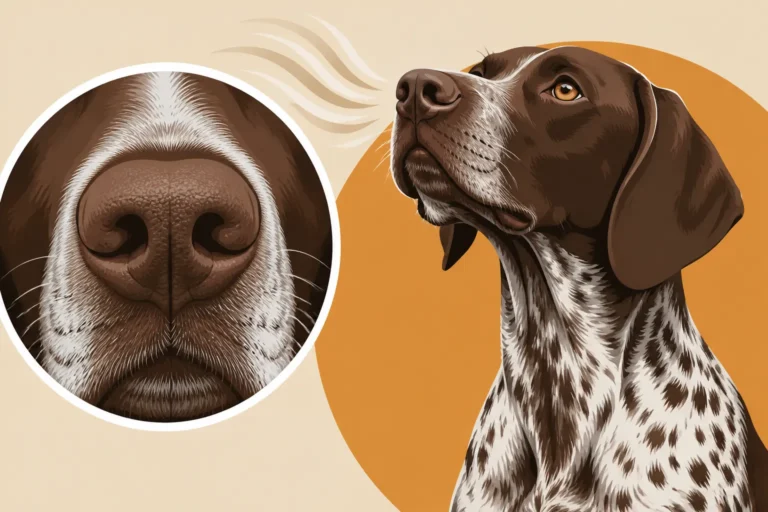
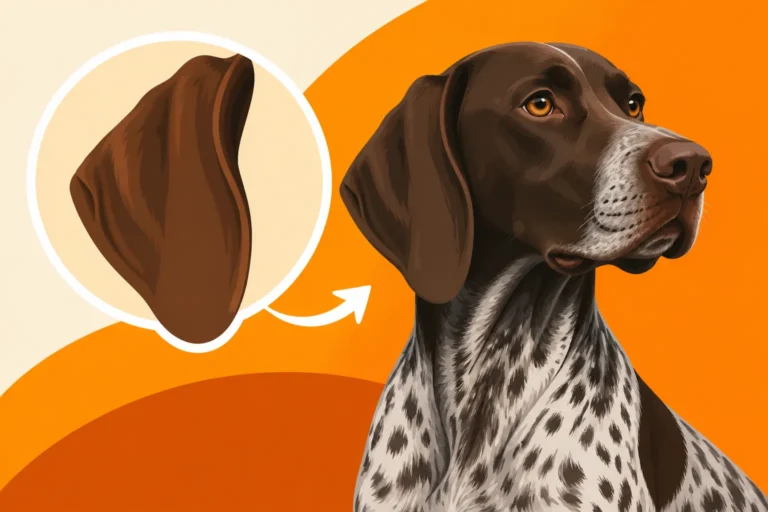
German Shorthaired Pointers have a distinctive combination of a lean, muscular build, short coat, floppy ears, and liver-and-white or black-and-white coloring. Their alert expression and ready-to-move posture can make them a natural fit for an advertisement trying to convey energy, outdoor life, or companionship. A dog running through grass or waiting beside a hiker can suggest an active lifestyle before a viewer has read a single word.
That visual shorthand is useful to advertisers, but it can also make the breed hard to recognize. A Shorthair seen briefly in motion may be called a Pointer, a mixed breed, or simply “a sporting dog.” The short coat and ticking or roan pattern are clues, but they are not proof of breed on their own. Ads often use quick cuts, distant shots, or stylized lighting that hide the very details breed enthusiasts look for.
The breed’s athletic image is also tied to its working background. German Shorthaired Pointers were developed as versatile hunting dogs, with abilities that include pointing, retrieving, and tracking. For a deeper look at that all-around role, see What Versatile Actually Means for a Shorthair. That heritage gives the breed a believable place in stories about fieldwork, travel, and active weekends, even when an ad is selling something unrelated to hunting.
The lifestyle an ad may be trying to sell
A Shorthair in an advertisement may be there to make a scene feel adventurous, sociable, or outdoorsy. Imagine a family packing a car for a weekend trip, a runner crossing a park with a dog at their side, or a person returning from a walk with a muddy companion. The dog can make the scene feel lived-in and energetic. The ad may be selling the feeling of an active life, not making a statement about the breed itself.
This is why German Shorthaired Pointers may fit advertisements for outdoor clothing, vehicles, travel, pet supplies, food, or household products. That does not mean every commercial in those categories features the breed, or that an appearance signals an official partnership. It simply means the breed’s look and reputation can suit the story an advertiser wants to tell. In many cases, the dog is a supporting character rather than the focus.
A useful distinction is whether the ad names the breed or merely uses a dog with a similar appearance. If the copy says “German Shorthaired Pointer,” the advertiser is identifying the dog directly. If it does not, the most accurate description may be “a dog that appears to be a Shorthair” rather than a definite breed claim. The difference may seem small, but it matters when people share a screenshot or try to trace a particular dog’s identity.
Where Shorthairs may appear in advertising
Pet products and retail marketing
Pet food, toys, beds, harnesses, grooming tools, and travel accessories all rely on images of dogs using the products. A German Shorthaired Pointer can be a useful model for an ad that wants to show a medium-to-large, active dog. The dog might be pictured carrying a toy, riding in a vehicle, wearing a harness, or relaxing after a walk. The product—not necessarily the breed—is usually the central message.
Retail websites and social feeds can make these images feel especially personal because shoppers see them while browsing for their own dogs. On a retailer such as Chewy, for example, a dog in product imagery may demonstrate how an item looks in use; that does not by itself establish that the pictured dog is a German Shorthaired Pointer. Look for descriptive captions, campaign credits, or breed information before treating an image as a confirmed breed appearance.
The same caution applies to sponsored posts and short-form videos. A recognizable Shorthair may appear in a creator’s content, a product demonstration, or a retailer’s advertising without being identified by name. A dog’s liver-and-white coat can prompt viewers to make a quick guess, but confirmation may require a caption or information from the dog’s handler. For questions about coat patterns and breed appearance, Liver and White Patterns on a Shorthair offers useful context.
Outdoor, travel, and active-lifestyle campaigns
A German Shorthaired Pointer’s athletic outline suits scenes built around movement: running beside a person, exploring a trail, or waiting near a campsite. The dog can help an advertiser create a sense of momentum and connection with the outdoors. Sometimes the scene is about the dog’s life; often it is about the human character’s lifestyle, with the dog acting as a visual signal of companionship and activity.
Travel and vehicle advertisements can use dogs to make a trip feel more inviting. A Shorthair in the back of a car or near camping gear may suggest that the vehicle or destination accommodates an active household. The practical realities of traveling with a real dog—safe restraint, breaks, water, and room to settle—may be outside the scope of the ad. Viewers should not assume that a polished image shows a complete or recommended travel setup.
There can also be a gap between the breed’s energetic reputation and the easygoing moment presented on screen. An ad may show a dog lying quietly beside a person, but that single calm scene does not tell viewers how much exercise, training, and engagement the breed needs day to day. The Household a German Shorthaired Pointer Actually Fits and Whether a German Shorthaired Pointer Suits a Non Hunting Home explore the lifestyle considerations behind the appealing image.
| Advertising setting | What a Shorthair may communicate | What the image does not prove |
|---|---|---|
| Pet product listing | A product being used by an active dog | That the dog is a confirmed purebred |
| Outdoor or travel campaign | Energy, companionship, and adventure | That the dog’s daily needs are simple |
| Family or home advertisement | Affection and life with a dog | That every Shorthair has the same temperament |
| Hunting or sporting promotion | Working ability and field heritage | That the pictured dog represents all lines |
| Social media promotion | A relatable pet or creator’s companion | That the appearance is a paid breed endorsement |
How to tell whether the dog is a German Shorthaired Pointer
Recognizing the breed without overcalling it
Start with the overall outline rather than one marking. German Shorthaired Pointers are generally lean, athletic dogs with a short, close coat and a balanced, alert appearance. Their coloring may include liver and white or black and white, with patterns that can be patched, ticked, or roan. A still image that clearly shows the head, body, coat, and proportions gives you more to work with than a distant shot of a dog running.
Even then, appearance alone has limits. Other pointing breeds and mixed-breed dogs may share a short coat, athletic build, floppy ears, or similar markings. A quick commercial edit can make it especially difficult to distinguish a Shorthair from another dog. If an ad never identifies the animal, it is sensible to describe it cautiously rather than treating a visual guess as a confirmed fact. Whether a Shorthair Is Mistaken for a Pointer Mix discusses why those look-alike questions come up.
Color can be a helpful clue, but it should not be used as a shortcut to certainty. German Shorthaired Pointers can come in more than one accepted color pattern, and an image’s lighting or color grading may distort what viewers see. A pale coat can look brighter under studio lighting; a liver patch can appear nearly black in a shadow. The Size and Build the Shorthair Standard Asks For can help readers understand the breed’s general structure beyond coat color.
Checking the source before sharing a breed claim
If you want to identify a dog from an advertisement, look first at the original post or campaign page. The caption, credits, or behind-the-scenes material may name the dog, its handler, or its breed. If the image appears in a repost, search for the earliest version you can find; a crop or screenshot may have removed the context that would answer the question. Avoid assuming that a familiar-looking dog is the same one used in another campaign.
When the original material gives no information, use careful wording if you discuss it. “This looks like a German Shorthaired Pointer” is more accurate than “This is definitely a German Shorthaired Pointer” when you have only a picture. For example, a viewer might recognize the short coat and roan pattern in an ad, then discover that the campaign describes the dog only as a rescue mix. A cautious description leaves room for that possibility.
A retailer’s product page can be useful for understanding what an image is meant to show, but product context does not necessarily verify a dog’s identity. Chewy may feature pet imagery in shopping or promotional settings, just as other retailers do; the image alone is not confirmation of breed or ownership. If a specific dog matters to the story, rely on direct identification from the campaign or the dog’s people, not on comments that repeat an unverified guess.
What advertising portrayals leave out
A striking image is not a complete breed profile
Advertising compresses a story into a short scene. It may show a Shorthair sprinting across a field, sitting calmly in a living room, or riding along on a weekend outing. Those moments can be real, but they do not explain the time, training, and management behind a dog’s behavior. A well-framed scene cannot tell you whether the dog has practiced a cue many times, whether the shoot used breaks, or what the dog is like at home after the cameras are gone.
The breed also includes variation among individual dogs and breeding lines. Some people keep Shorthairs primarily as hunting companions; others share life with them as active pets. A single advertisement cannot represent every dog’s drive, confidence, energy, or ability. For more on the differences that can exist between field and show backgrounds, see The Split Between Field and Show Shorthairs.
That distinction matters for anyone considering a Shorthair after seeing one in a commercial. The dog may look like an effortless adventure partner, but a real household needs to think about daily exercise, training, secure handling, and how the dog will spend time when nobody is outdoors. What Shorthair Owners Wish Someone Had Told Them gives a more grounded perspective on the everyday realities behind the breed’s appealing image.
Responsible representation and practical questions
A thoughtful advertisement should treat the dog as more than a prop. Viewers can look for signs that the animal appears comfortable: a relaxed body, the ability to pause between takes, access to water and shade when needed, and handling that does not force the dog into an unsafe situation. A still image cannot reveal every detail of a production, but it can be a prompt to think about how animal talent is being managed.
It is also worth noticing what the ad implies. Does it suggest that a high-energy dog is automatically easy for any household? Does it show a dog loose near traffic or riding unsecured in a vehicle? Does it frame hunting instincts as a cute quirk without acknowledging training and control? These questions do not require assuming bad intent. They help viewers separate attractive storytelling from practical guidance.
Chewy or any other pet retailer can use dog imagery to make a product feel relatable, but an ad is not a substitute for choosing equipment, food, or training based on an individual dog’s needs. A harness pictured on one dog may not fit another; a food image does not establish that a formula suits every Shorthair. Treat the image as illustration, check product details separately, and ask a veterinarian or qualified trainer when a decision concerns your dog’s health or safety.
German Shorthaired Pointers can appear in advertising because their athletic look, expressive faces, and outdoor associations make compelling visual storytelling. But the dog in an ad may not be identified by breed, and even a confirmed Shorthair represents only one individual in one carefully selected moment. Enjoy the appearance, check the original context before repeating a breed claim, and remember that real life with the breed is richer—and more demanding—than a polished campaign frame.
Disclaimer
This article is for general informational purposes only and does not constitute professional advice. Laws, prices and regulations vary by location and change over time. Consult a qualified professional for guidance on your specific situation.