Whether a German Shorthaired Pointer Suits a Non Hunting Home
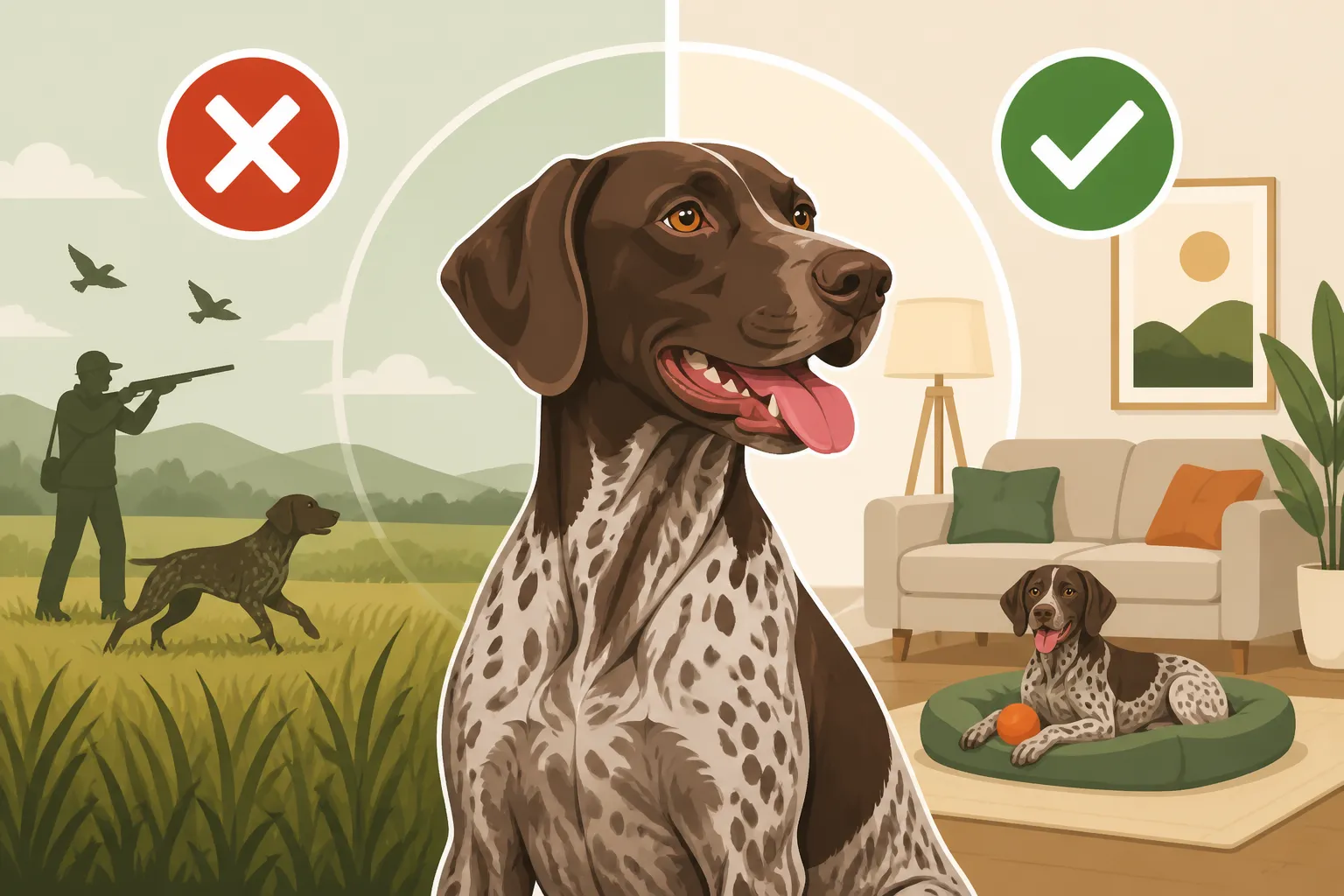
Many families fall head over heels for the striking good looks and intelligent gaze of a German Shorthaired Pointer, imagining a loyal companion for walks and cuddles. What they often don't fully realize is that these dogs were purpose-bred athletes with an intense drive to hunt, and deciding to bring one into a non-hunting home means embracing a significant lifestyle shift. This guide will walk you through the realities, challenges, and immense rewards of owning a GSP when feathered game isn't on the agenda, helping you understand if your home truly aligns with their unique needs.
Understanding the German Shorthaired Pointer's Core Nature
Before we even begin to talk about daily life, it's absolutely crucial to grasp who a German Shorthaired Pointer truly is at its core. These aren't just pretty dogs; they are finely tuned working machines, built over generations for a very specific job. Their personality and physical needs stem directly from this heritage.
A History of Purpose-Bred Versatility
The German Shorthaired Pointer isn't just a pointer; it's a versatile hunting dog, crafted by German breeders to do it all. Imagine a dog that could track, point, and retrieve on land and in water, from small game to larger birds. That's the GSP. They were designed to be an all-in-one hunting companion, which meant selecting for an incredible array of instincts. This deep history is why you see such intense drive and intelligence in every modern GSP. Their ancestors were doing complex jobs in the field, making quick decisions, and working closely with their human partners. The legacy of The German Kennels the Shorthair Was Built In means they have an innate desire for purpose and a keen problem-solving mind.
This isn't just about a "love for fetching." It's about an entire sensory experience built around scent, sight, and movement. When a GSP catches a whiff of a rabbit or sees a bird flutter, it triggers a chain reaction of ingrained behaviors. You might see a sudden stiffening, that iconic GSP point, followed by an intense desire to pursue. These aren't quirks; they are fundamental aspects of their being. Ignoring or suppressing these instincts without providing suitable outlets can lead to immense frustration for the dog and, in turn, for the owner. It’s like owning a high-performance sports car and only driving it to the grocery store once a week; it's capable of so much more and needs to perform.
The Unmistakable Energy and Drive
If there's one thing every GSP owner will tell you, it's that these dogs have energy in spades. We're not talking about a casual trot around the park; we're talking about boundless, relentless energy that can feel like a small equine running through your house. This isn't just puppy exuberance that fades with age, though puppies are certainly a whirlwind. This is a sustained, lifelong need for physical exertion that defines the breed. Their sleek, athletic build isn't just for aesthetics; it's for covering vast amounts of ground efficiently and tirelessly.
Without a productive outlet for this incredible drive, that energy doesn't just dissipate. It redirects. And often, it redirects into behaviors that can be destructive, exasperating, and downright challenging for a non-hunting household. Picture chewed furniture, relentless barking, digging craters in your yard, or frantic pacing. These aren't "bad dog" behaviors in the traditional sense; they're symptoms of an unmet need. Their minds are also incredibly active, constantly seeking engagement. A bored GSP is a mischievous GSP, and their intelligence means they can find incredibly creative (and often destructive) ways to entertain themselves if you don't provide appropriate alternatives. It's a commitment to a lifestyle, not just a pet.
Fulfilling Exercise Needs Without the Field
So, you're not going to be taking your GSP out for a ten-mile upland hunt every weekend. That's fine, but it means you need to get creative, and most importantly, be consistent with providing alternative, high-quality exercise. This is where many prospective non-hunting GSP owners either shine or struggle.
More Than Just a Walk Around the Block
Let's be brutally honest: a casual stroll down the sidewalk, even for an hour, is likely to leave your German Shorthaired Pointer feeling like they just warmed up. This breed needs serious physical exertion, the kind that leaves you tired. We're talking about sustained, high-intensity activity that engages their entire body and their drive. The Two Hours a Day a German Shorthaired Pointer Needs isn't just a suggestion; it's often a baseline for a happy, well-adjusted GSP in a non-hunting home.
Think about what a GSP does in the field: they run, they stop, they search, they point, they sprint, they retrieve. They are athletes. To simulate this, you'll need activities like:
- Running: Not a jog, but a full-on run. Many GSPs make fantastic running partners for miles. If you're a runner, great! If not, consider a bike attachment that allows them to run safely beside you while you cycle.
- Swimming: A fantastic full-body workout that's easy on the joints. If you have access to a safe lake, river, or even a large dog-friendly pool, this can be an incredible energy burner. Most GSPs absolutely adore water.
- Off-leash romps: If you have access to a securely fenced area or a designated off-leash park where you can trust their recall, letting them gallop at top speed is vital. This allows them to stretch their powerful legs and truly burn off steam.
- Flirt poles: These are like giant cat toys for dogs, engaging their prey drive with a lure they can chase and "catch." It's an intense, short burst of exercise that can be done in a smaller yard.
Remember, a tired GSP is a good GSP. If your dog is constantly pestering you, pacing, or getting into trouble, the first question to ask yourself is: "Have they truly had enough high-intensity exercise today?" It's usually the answer.
Mental Stimulation is Just as Crucial
While physical exercise is paramount, neglecting a German Shorthaired Pointer's sharp mind is equally detrimental. These dogs were bred to think, problem-solve, and make decisions in dynamic hunting situations. Their intelligence means they crave mental engagement, and if you don't provide it, they'll invent their own "jobs"—which, as we discussed, usually aren't jobs you'll appreciate.
Think about how you can challenge their brains daily:
- Obedience and Advanced Training: Go beyond the basics. Think about advanced obedience, trick training, or even dog sports like agility or rally. These activities require focus, problem-solving, and teamwork, engaging their minds and strengthening your bond.
- Scent Work/Nose Work: This is a fantastic alternative that taps directly into their innate hunting abilities without actually hunting. Puzzle Feeders and Scent Games for a Shorthair can start simply with hiding treats around the house and encouraging them to find them. You can progress to formal nose work classes where they learn to identify and locate specific scents, mimicking the "search and find" aspect of hunting.
- Puzzle Toys and Feeders: Instead of just putting their kibble in a bowl, make them work for it. There's a huge variety of puzzle toys available, from those that dispense food as they're rolled to more complex ones that require manipulation. Companies like Chewy offer a fantastic selection of interactive feeders that can turn mealtime into a mental workout, extending the time it takes them to eat and engaging their brains.
- Chewing: While not strictly "mental stimulation," providing appropriate, long-lasting chews can engage their minds and satisfy an instinctive need. A good quality, durable chew toy can keep them occupied and mentally satisfied for a significant period. Just be sure to choose safe, size-appropriate options.
A well-exercised and mentally stimulated GSP is a much calmer, happier, and more manageable companion. Neglect either one, and you're setting yourself up for a whirlwind.
Training and Behavioral Considerations for a Pet GSP
Bringing a GSP into a non-hunting home means embracing their intense personality and channeling it effectively through consistent training. These aren't dogs you can just "let be." Their instincts are powerful, and without guidance, they will follow them regardless of your rules.
The Importance of Consistent, Early Training
German Shorthaired Pointers are incredibly intelligent and, generally, eager to please their people. This makes them highly trainable. However, that intelligence also means they can learn undesirable behaviors just as quickly if not given proper direction. Consistent, positive-reinforcement training from a young age is not just recommended; it's absolutely essential for a GSP, whether they're hunting or not.
Focus on core obedience commands like "sit," "stay," "come," and "down" from day one. These aren't just parlor tricks; they're life-saving commands for a high-energy dog with a strong prey drive. A solid recall, for instance, is non-negotiable if you ever plan to let your GSP off-leash in a safe, appropriate area. Think about teaching them excellent Loose Leash Walking a German Shorthaired Pointer skills, because a sixty-pound dog that pulls like a freight train on every walk is no fun for anyone. They thrive on routine and clear expectations. If you're inconsistent, they'll get confused and start making their own rules. Remember, they are always learning, whether you're actively teaching them or not. Every interaction is a training opportunity.
Managing the GSP's Strong Prey Drive
Here's a big one for non-hunting homes: the GSP's prey drive is real, and it's strong. They were literally bred to find, chase, and retrieve game. This instinct doesn't disappear just because you live in a suburban house rather than a pheasant field. It means that squirrels, rabbits, neighborhood cats, and even blowing leaves can trigger an intense reaction.
This can manifest in several ways:
- Chasing: Expect them to bolt after anything that moves quickly. This is why a rock-solid recall and secure containment are so vital. A tall, sturdy fence is a must for most GSP owners.
- Focus on Scent: Their nose is their superpower. They will often have their nose to the ground, pulling you towards interesting smells. This can make walks a constant battle if they haven't been trained to walk nicely on a leash.
- Living with Other Pets: This is where things get tricky. While many GSPs can live peacefully with cats or other small pets if introduced carefully as puppies, it's never a guarantee. A GSP's instinct to chase can be overwhelming for a small, fast-moving creature. A German Shorthaired Pointer With Children and Cats is possible, but it requires careful management, supervision, and often separate living spaces or constant training reinforcement. Never assume your GSP will be safe with a pet bird, hamster, or even a very small dog. Their prey drive is not malice; it's instinct.
Understanding and managing this drive is key to a harmonious household. It means being proactive, thinking ahead, and always being a step ahead of your GSP's natural tendencies.
Integrating a GSP into a Family Life
Beyond exercise and training, how does a German Shorthaired Pointer actually fit into the rhythm of a household? These dogs have a distinct personality that can be both endearing and demanding, shaping family dynamics in profound ways.
The "Velcro Dog" Tendency
If you're looking for an independent dog who is content to spend its days snoozing in another room, the German Shorthaired Pointer is not your breed. These dogs are famously known as "Velcro dogs" for a reason: they want to be with you, near you, and preferably touching you, almost all the time. They thrive on companionship and being an integral part of their human family.
This intense bond is one of their most charming qualities. They'll follow you from room to room, settle at your feet while you work, and demand to be included in evening couch sessions. For many, this constant presence is exactly what they love about the breed. However, it also means they can be prone to separation anxiety if not properly conditioned to tolerate alone time. A Shorthair That Panics Alone in the House is a common problem for GSPs who aren't taught coping mechanisms and given enough mental and physical outlets before being left by themselves. Crate training can be a valuable tool to create a safe, den-like space for them, but it's not a substitute for meaningful human interaction and exercise. If you work long hours away from home and don't have provisions for dog walkers, doggie daycare, or family members to provide mid-day interaction and exercise, a GSP might struggle immensely.
Compatibility with Children and Other Pets
When it comes to kids, German Shorthaired Pointers can be wonderful, playful companions. They often have an endless tolerance for games of fetch and love to be involved in family activities. However, their sheer size, strength, and boundless energy mean that supervision is absolutely critical, especially with young children. A GSP's enthusiasm can easily lead to accidentally knocking over a toddler during a burst of zoomies or nudging a child with their strong nose.
Teaching both the dog and the children how to interact respectfully is key. A Sixty Pound Shorthair Around a Toddler needs careful management. Children need to learn appropriate ways to play and interact, and the GSP needs to understand boundaries. Early socialization with well-behaved children can make a huge difference.
As for other pets, we touched on the prey drive earlier. While GSPs often get along well with other dogs, especially if they're similarly active and robust, smaller, faster-moving species can be a challenge.
Consider these factors:
- Other dogs: They are generally social with other dogs, especially if they have been socialized properly. A second active dog can sometimes help burn off energy, but it also means double the exercise commitment.
- Cats: Again, possible but requires extreme care and awareness of the GSP's instincts. Many GSPs simply cannot coexist safely with cats.
- Pocket pets/Birds: Generally, a no-go. The risk is too high given their strong hunting instincts.
The decision to bring a GSP into a multi-pet household should be made with a deep understanding of the individual dog's temperament and a commitment to strict management and supervision.
Potential Challenges and Realistic Expectations
Let's not sugarcoat it. Owning a German Shorthaired Pointer, especially in a non-hunting home, comes with its own unique set of challenges. Being realistic about these potential hurdles is the first step toward successfully integrating one into your life.
The Realities of an Under-Exercised German Shorthaired Pointer
If you fail to meet your GSP's profound need for physical and mental stimulation, prepare for chaos. An under-exercised German Shorthaired Pointer isn't just a little bored; they are often genuinely miserable, and that misery manifests in ways that can make your life miserable too. What an Under Exercised Shorthair Does to a House is not pretty, and it's a primary reason why many GSPs end up in shelters or rescue organizations.
Imagine coming home to:
- Destructive Chewing: Your furniture, shoes, books, remote controls – anything within reach becomes fair game. They're not being "bad"; they're relieving stress, boredom, and excess energy with their powerful jaws. This can be costly both in terms of replacing items and potential vet bills if they ingest something harmful.
- Digging: If they have yard access, expect craters. They'll dig to explore, to bury things, or simply to burn energy. They might even try to dig under your fence.
- Excessive Barking: A GSP with pent-up energy might become a nuisance barker, alerting you to every leaf that blows by or simply vocalizing their frustration.
- Hyperactivity and Anxiety: They might bounce off the walls, constantly seek attention, pace relentlessly, or even develop anxiety-related behaviors like obsessive licking or fearfulness, despite their otherwise confident nature.
- "Counter Surfing": Their long legs and keen noses make them experts at clearing your kitchen counters of any tempting treats. They're opportunistic and intelligent.
These behaviors are not inherent flaws in the GSP's character; they are direct consequences of an owner not understanding or meeting their fundamental needs. They are cries for more activity and engagement.
Time Commitment and Lifestyle Adjustments
Beyond the direct behavioral challenges, owning a German Shorthaired Pointer outside of a hunting context requires a significant re-evaluation of your own lifestyle. This isn't a dog you can squeeze into a busy schedule; you need to build your schedule around your GSP, especially in their younger years.
Let's break down the time commitment:
- Exercise: We're talking 1.5 to 2 hours minimum of dedicated, high-intensity exercise daily. This isn't optional; it's foundational. This might mean waking up earlier for a run, dedicating your lunch break to an intense play session, or committing evenings to dog parks or advanced training.
- Training & Mental Stimulation: At least 15-30 minutes daily of active training sessions, plus incorporating puzzle toys or scent games throughout the day.
- Grooming & Health: While GSPs are low-maintenance coat-wise, they still need regular ear checks (especially if swimming), nail trims, and overall health checks, particularly if they are active outdoors. You'll want to regularly check their paws and ears for foreign objects like foxtails after outdoor adventures. Companies like Chewy can help you stay stocked on grooming supplies, ensuring you have what you need when you need it.
- Companionship: Remember, they are Velcro dogs. They need to be part of family life, not just relegated to the backyard or a kennel.
This breed demands an active, engaged owner who genuinely enjoys spending a lot of time with their dog. If your ideal weekend involves quiet contemplation and little physical activity, a GSP will likely be a mismatch. You need to be prepared for the financial implications too; not just the initial cost of the dog, but ongoing expenses for high-quality performance food, vet care (especially for an active dog prone to Field Injuries a Hunting German Shorthaired Pointer Comes Home With), and potentially replacing items destroyed by a bored dog. The First Year Bills on a German Shorthaired Pointer can be eye-opening. You are signing up for a very active, dog-centric life.
Here's a quick overview of the pros and cons:
| Feature | Pros (Non-Hunting Home) | Cons (Non-Hunting Home) |
|---|---|---|
| Companionship | Incredibly loyal, affectionate "Velcro dogs" | Prone to separation anxiety, constant demand for attention |
| Trainability | Intelligent, eager to please, excel in dog sports | Can be stubborn, need consistent training to channel drives |
| Energy Level | Perfect for active individuals/families, great running partners | Requires intense daily exercise (1.5-2 hrs+), destructive if bored |
| Health | Generally hardy, athletic breed | Prone to field injuries, bloat, requires significant vet care |
| Grooming | Low-maintenance coat | Sheds regularly, needs ear/paw care, can get dirty easily |
| Prey Drive | Can be channeled into scent work/dog sports | Challenging with small pets, requires secure containment, strong leash pulling |
| Adaptability | Can thrive with dedication | Not suited for sedentary lifestyles or apartment living without huge effort |
It's clear that while it's absolutely possible for a German Shorthaired Pointer to thrive in a non-hunting home, it's not a decision to be taken lightly. It requires an immense amount of dedication, time, and a willingness to adapt your lifestyle to meet their demanding needs. You'll need to be creative in providing outlets for their instincts and energy, whether that's through advanced obedience, agility, running, or extensive scent work.
Ultimately, a GSP wants a job, a purpose, and to be with their people. If you can provide that sense of purpose through consistent, high-intensity activity and mental stimulation, coupled with unwavering companionship, then you might just be the perfect home for one of these magnificent dogs. If you can't commit to that level of engagement, it's a disservice to both you and the dog. Truly consider Whether a German Shorthaired Pointer Needs to Hunt to Be Happy – they need something to do, even if it's not traditional hunting. And before you commit, listen to What Shorthair Owners Wish Someone Had Told Them and be honest about your capacity. It's a huge commitment, but for the right person, it's also incredibly rewarding.
Disclaimer
This article is for general informational purposes only and does not constitute professional advice. Laws, prices and regulations vary by location and change over time. Consult a qualified professional for guidance on your specific situation.