Primary Lymphedema in a German Shorthaired Pointer Litter
Finding a newborn German Shorthaired Pointer puppy with inexplicably swollen limbs can be an incredibly alarming experience, leaving you heartbroken and searching for answers. This condition, known as primary lymphedema, is a serious inherited disorder that affects the lymphatic system, causing persistent swelling and discomfort. This comprehensive guide will walk you through understanding primary lymphedema in GSP litters, from its underlying causes and tell-tale signs to diagnosis, management strategies, and the important considerations for affected breeding lines.
Understanding Primary Lymphedema in Shorthairs
Primary lymphedema is a challenging condition, particularly because it often appears so early in a puppy's life. It's not something a puppy "catches" or that develops due to poor care; rather, it's a structural or functional defect of the lymphatic system present from birth or early development. For GSP owners and breeders, knowing about this specific condition is crucial, as it distinguishes itself from other causes of swelling and requires a particular approach to care.
What Exactly is Lymphedema?
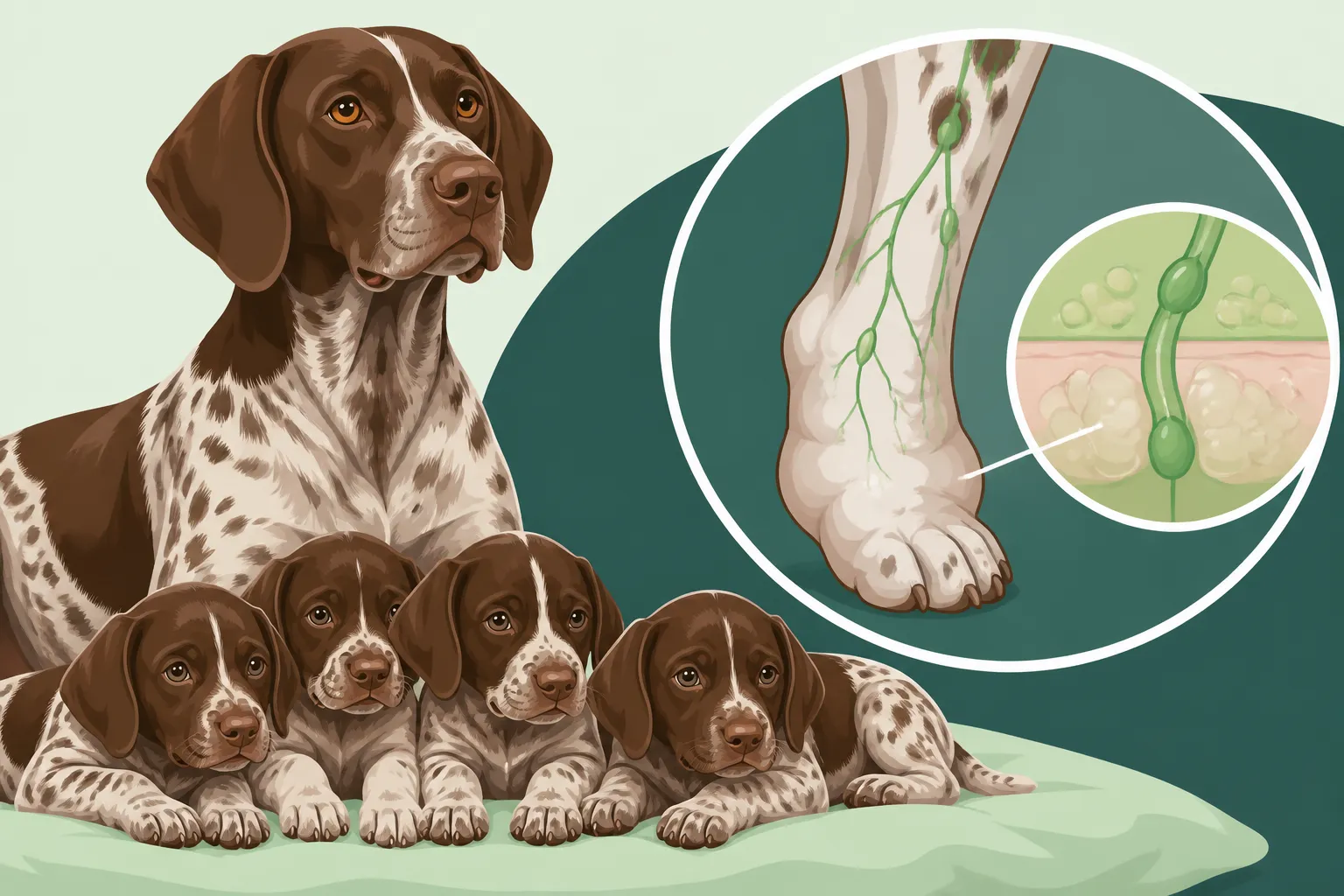
At its core, lymphedema is a chronic swelling that occurs when the lymphatic system, a vital part of the immune system and circulatory system, fails to properly drain lymph fluid. Normally, lymph vessels collect excess fluid, proteins, and waste products from tissues and return them to the bloodstream. In a German Shorthaired Pointer with primary lymphedema, these vessels might be underdeveloped, absent, or malformed, leading to a buildup of fluid in the affected areas. This accumulation of protein-rich fluid causes the tissues to swell and harden over time, creating a firm, often non-pitting edema.
This isn't just cosmetic; the persistent swelling can lead to secondary infections, skin changes, and reduced mobility. Unlike temporary swelling from an injury, lymphedema is a progressive condition that requires ongoing management. It's a stark reminder that even the most robust breeds like our Shorthairs can carry hidden vulnerabilities. When you see puppies with what might be swollen legs, it’s always important to consider the possibility of Primary Lymphedema in a German Shorthaired Pointer Litter.
How It Differs from Other Causes of Puppy Swelling
It's easy to jump to conclusions when you see a swollen limb on a tiny puppy. Perhaps you think of a bump, a minor injury, or even a systemic issue like a heart problem. However, lymphedema has distinct characteristics. For instance, if you're worried about a puppy's general health, you might also be looking out for The Heart Murmur a German Shorthaired Pointer Puppy Can Carry, but cardiac-related swelling (edema) typically presents differently, often affecting multiple areas of the body and being softer, more pitting.
With lymphedema, the swelling is usually localized, most commonly affecting one or more limbs, though it can appear on other parts of the body. The swelling tends to be persistent and doesn't resolve with simple elevation or anti-inflammatory medications. In the early stages, it might be soft, but as the condition progresses, the tissue can become firm and leathery due to fibrosis. This difference in presentation is key for early differentiation and guiding your veterinarian toward the correct diagnostic path.
Recognizing the Signs in a German Shorthaired Pointer Litter
Early detection of primary lymphedema is paramount for managing the condition and giving affected puppies the best possible quality of life. Unfortunately, the signs can sometimes be subtle, especially in energetic German Shorthaired Pointer puppies who, even with discomfort, often try to push through it.
Early Detection and Specific Affected Areas
Often, the first signs of primary lymphedema are noticed when the puppies are very young, sometimes even at birth or within the first few weeks of life. You might observe one or more limbs appearing disproportionately large or swollen compared to their littermates. This is particularly noticeable in the lower parts of the legs, often affecting the paws and hocks.
The swelling might be soft and pliable initially, but you'll notice it doesn't really go down, or it might fluctuate slightly but never completely resolve. In some cases, owners might notice Swollen Legs on a Newborn German Shorthaired Pointer that are warm to the touch, and the puppy might show a reluctance to bear weight on the affected limb, though this can be masked by their puppy exuberance. Keep a close eye on their movement patterns – any stiffness or awkwardness that doesn't resolve should be a red flag.
Progression and Secondary Concerns
Without proper diagnosis and management, primary lymphedema tends to progress. The swelling can become more pronounced and the skin over the affected area may start to thicken, develop folds, or become rough and hyperpigmented. This change in skin texture makes the area more prone to infections. The lymphatic system plays a crucial role in immunity, and its impairment means the affected limb is less capable of fighting off bacteria, fungi, or other pathogens.
These secondary infections are a significant concern, as they can cause pain, fever, redness, and further swelling, sometimes leading to a condition called cellulitis. These infections often require aggressive antibiotic treatment. Long-term, chronic swelling can also lead to joint problems and mobility issues, significantly impacting the puppy's ability to play, run, and develop normally, which is especially heartbreaking for a breed as active as the German Shorthaired Pointer.
How Vets Diagnose Lymphedema in a German Shorthaired Pointer
Diagnosing primary lymphedema can be a process of elimination, as other conditions can present with similar symptoms. It requires a thorough veterinary examination and sometimes specialized tests to confirm. It's important to work closely with your veterinarian, who might also consult with specialists to get a definitive diagnosis.
The Diagnostic Process
When you bring in a GSP puppy with suspected lymphedema, your vet will start with a comprehensive physical examination, paying close attention to the nature and distribution of the swelling. They'll ask about the onset of symptoms, whether it's improved or worsened, and any other observations you've made. They will want to rule out other common causes of swelling in young puppies, such as trauma, insect bites, or even more serious conditions like The Bleeding Disorder in German Shorthaired Pointer Lines, which can cause internal bleeding and swelling.
Blood tests might be performed to check for signs of infection or inflammation, and to assess overall organ function. X-rays of the affected limbs can help rule out bone abnormalities or fractures. However, these initial tests often don't definitively diagnose lymphedema but rather help exclude other possibilities.
Specialized Tests and Ruling Out Other Conditions
To confirm a diagnosis of primary lymphedema, more advanced imaging techniques are often necessary. Lymphoscintigraphy, also known as lymphatic mapping, is considered the gold standard. This procedure involves injecting a small amount of a radioactive tracer into the affected limb, then using a special camera to track its movement through the lymphatic system. In a puppy with lymphedema, the tracer will show delayed or absent uptake in the lymphatic vessels, confirming the diagnosis.
Other advanced imaging like MRI or CT scans can also be used to visualize the lymphatic vessels and tissue changes. These tests help vets accurately diagnose lymphedema in a German Shorthaired Pointer, ensuring that treatment is targeted and effective. It's crucial to rule out other conditions that might mimic lymphedema, such as:
- Edema due to heart failure: As mentioned, this is usually generalized and softer.
- Deep vein thrombosis (rare in puppies): This would involve blood clots.
- Cellulitis (bacterial skin infection): This is often a secondary complication of lymphedema but can also occur independently.
- Allergic reactions: These are usually acute and resolve quickly with treatment.
- Angioedema: Rapid swelling, often allergic in nature.
The detailed evaluation helps ensure your GSP puppy gets the correct path to care.
Managing Life with Primary Lymphedema
Once a diagnosis of primary lymphedema is confirmed, the focus shifts to lifelong management. While there's no cure for primary lymphedema, proactive and consistent care can significantly improve a German Shorthaired Pointer's comfort, mobility, and overall quality of life. This means a partnership between you and your vet to tailor a plan specific to your dog's needs.
Treatment Options and Long-Term Care
Management strategies for lymphedema in dogs mirror many of those used in humans. The goal is to reduce swelling, prevent secondary infections, and maintain mobility. Key components often include:
- Manual Lymphatic Drainage (MLD): This is a specialized massage technique performed by a trained veterinary physical therapist. Gentle, rhythmic strokes stimulate the lymphatic system to move fluid away from swollen areas. This isn't a DIY job; improper massage can worsen the condition.
- Compression Therapy: This might involve custom-fitted compression bandages or garments to help reduce swelling and prevent fluid accumulation. Applying these correctly is vital to avoid restricting circulation.
- Therapeutic Exercise: Gentle, controlled exercises can encourage lymphatic flow and maintain joint flexibility. Your vet or a physical therapist can design an appropriate exercise program.
- Medication: Diuretics are generally not effective for lymphedema, as the fluid is protein-rich, not just water. However, antibiotics will be crucial to treat any secondary bacterial infections that arise. Anti-inflammatory drugs might be used to manage pain and inflammation.
- Skin Care: Maintaining meticulous hygiene of the affected limb is critical to prevent infections. Regular cleaning with gentle antiseptic washes and moisturizing to prevent cracking can help.
- Weight Management: Keeping your German Shorthaired Pointer at a healthy weight prevents additional strain on the affected limbs and can reduce swelling.
It's a marathon, not a sprint, and consistency is key. Many owners wonder Whether Lymphedema in a Shorthair Puppy Improves; while it doesn't typically "cure" itself, diligent management can prevent it from worsening significantly and can improve comfort.
Quality of Life and Owner's Role
Living with a German Shorthaired Pointer puppy with lymphedema means committing to a specific routine and being highly vigilant. Your role as the owner is absolutely crucial. You'll be responsible for daily checks of the affected limbs for any signs of increased swelling, redness, warmth, or discharge that could indicate infection. You'll likely be involved in applying compression bandages, administering medications, and ensuring your GSP gets the right kind of exercise.
It's important to remember that these dogs can still lead happy lives, albeit with adjustments. They might not be able to participate in the same intense field work as their unaffected siblings, but they can still enjoy walks, playtime, and a loving home. The emotional toll on owners can be significant, seeing their beloved companion struggle. Building a strong support network with your vet, physical therapists, and perhaps other owners of dogs with lymphedema can be incredibly helpful. Be prepared for potentially higher The First Year Bills on a German Shorthaired Pointer due to diagnostic and ongoing treatment costs. Pet insurance providers like Healthy Paws often cover unexpected illnesses, but it's important to check policy specifics regarding congenital conditions.
The Genetic Link and Breeding Considerations
One of the most profound aspects of primary lymphedema in German Shorthaired Pointers is its genetic component. This isn't a random occurrence; it points to an inherited trait within certain bloodlines. For responsible breeders and future GSP owners, understanding this genetic link is paramount.
Inheritance Pattern and Screening
While the exact mode of inheritance can vary and is still being researched for all forms of primary lymphedema, it is generally considered to have a genetic basis in affected breeds. This means that if a puppy develops primary lymphedema, there's a strong likelihood that one or both parents are carriers of the gene(s) responsible. This isn't a fault of the parents themselves but rather an unfortunate genetic lottery.
Currently, there isn't a widely available genetic test to screen for the specific genes associated with primary lymphedema in German Shorthaired Pointers. This makes identifying carrier animals challenging. Therefore, pedigree analysis and careful observation of litters become even more critical tools for breeders. Keeping meticulous records of health outcomes in progeny is key to identifying potential risk factors within a breeding program.
Responsible Breeding Practices and Line Impact
Given the genetic nature of primary lymphedema, ethical and responsible breeding practices are essential. If a litter produces puppies with confirmed primary lymphedema, the parents and potentially their close relatives should be carefully considered for future breeding. The consensus among responsible breeders and canine geneticists is that Whether a Lymphedema Shorthair Line Should Keep Being Bred is a serious question, and typically, affected dogs should not be bred, nor should their parents, to avoid perpetuating the condition.
This decision can be incredibly difficult for breeders, especially if the parents are otherwise excellent examples of the breed in temperament, health, and working ability. However, prioritizing the health and welfare of the breed means making tough choices to eliminate inherited diseases. Transparency within the breeding community about affected lines can help others make informed decisions. Organizations dedicated to the German Shorthaired Pointer breed often provide resources and guidelines for health testing and responsible breeding to minimize the incidence of such genetic conditions.
Financial Realities of Lymphedema Care
It's a sad truth that managing a chronic condition like primary lymphedema comes with significant financial implications. The costs associated with diagnostics, ongoing treatments, medications, and potential emergency care for secondary infections can quickly add up, making it vital for owners to understand what they might be facing.
Diagnostic and Treatment Costs
The initial diagnosis of primary lymphedema can involve multiple veterinary visits, blood tests, X-rays, and potentially advanced imaging like lymphoscintigraphy. These specialized tests are not inexpensive. For example, a lymphoscintigraphy can cost several hundred to over a thousand dollars, depending on your location and the veterinary facility. When considering The Six Hundred to Fifteen Hundred Range on Shorthair Puppies, this quickly adds a substantial unforeseen expense.
Once diagnosed, the long-term management includes ongoing costs. This might mean regular physical therapy sessions, custom compression garments (which need to be replaced as the puppy grows or wears them out), long-term medication for infections, and specialized skin care products. These expenses are continuous, often monthly, and can place a considerable burden on a household budget.
Insurance Considerations and Ongoing Expenses
This is where pet insurance can become a critical safety net. Many owners look into pet insurance policies like those from Healthy Paws early in their puppy's life, and for good reason. Policies vary greatly, but it's essential to understand if and how primary lymphedema might be covered. Because it's a congenital condition (present from birth), some policies might have specific clauses or waiting periods, or even exclude certain congenital conditions if not enrolled early or if symptoms show before the policy is active. Always read the fine print and speak directly with insurance providers about coverage for inherited conditions. Understanding your Monthly Insurance Premiums on a German Shorthaired Pointer is just the start; understanding what is actually covered is key.
Beyond medical costs, there are other ongoing expenses. You might need to adjust your home environment to be safer for a dog with mobility issues, or invest in special bedding or ramps. While these aren't directly medical, they are part of providing a good quality of life. The commitment to a German Shorthaired Pointer with primary lymphedema is significant, both emotionally and financially, highlighting the need for thorough consideration before bringing such a puppy into your home or, as a breeder, for being transparent about the health of your lines.
| Symptom Category | Primary Lymphedema | Localized Infection/Injury | Systemic Edema (e.g., Cardiac) |
|---|---|---|---|
| Onset | Early in life (birth-weeks) | Any age, often sudden | Can be gradual or sudden, any age |
| Location | Usually limbs, can be localized to one or more | Specific site of trauma/infection | Often generalized (abdomen, limbs, face) |
| Nature of Swelling | Persistent, non-pitting (later firm/leathery) | Warm, painful, red, often pitting | Soft, pitting, resolves with elevation |
| Temperature | Normal or slightly warm (if infected) | Warm, hot | Normal |
| Pain Level | Variable, discomfort; painful if infected | Often painful | Generally not painful |
| Mobility | Reduced flexibility, stiffness | Pain-induced lameness | Variable, lethargy |
| Resolution | No spontaneous resolution, chronic | Resolves with treatment/time | May fluctuate, resolves with underlying condition |
Disclaimer
This article is for general informational purposes only and does not constitute professional advice. Laws, prices and regulations vary by location and change over time. Consult a qualified professional for guidance on your specific situation.