The Median Age a German Shorthaired Pointer Reaches
It's heartbreaking to think about, but one of the most common questions German Shorthaired Pointer owners grapple with is, "How long do I get with my beloved companion?" We invest so much love, time, and training into these incredible dogs, and the thought of their lifespan often brings a pang of worry. This guide aims to thoroughly explore the median age a German Shorthaired Pointer reaches, delve into the factors that influence their longevity, and equip you with practical steps to help your GSP live the longest, healthiest, and happiest life possible.
Understanding the German Shorthaired Pointer Lifespan
When we talk about the median age for any dog breed, we're really looking at the typical range where most dogs of that breed tend to live. It's not a hard and fast rule, but rather a statistical midpoint that gives us a good expectation. For German Shorthaired Pointers, this number often falls within a specific window, and understanding what contributes to it is crucial for every owner.
What is the "Median Age" for a GSP?
For German Shorthaired Pointers, the median age typically hovers around 10 to 12 years. Some studies and anecdotal evidence might stretch this a bit, pointing to a range of 10 to 14 years. This means that half of all GSPs will live longer than this age, and half will live shorter. It's important to remember this isn't a sentence, but an average. Many GSPs, with excellent care and a bit of luck, happily sail past this median, reaching 13, 14, or even 15 years. Conversely, some unfortunately succumb to illness or accident earlier in life. The key is to understand what factors push that needle one way or the other, giving us a clearer picture of what to expect and how we can influence it positively. If you're looking for more detail on this, our article on The Twelve to Fourteen Years a German Shorthaired Pointer Gets dives even deeper into this expectation.
Factors that Influence Longevity
So, what truly dictates whether your energetic hunting partner will be chasing pheasants well into their teens or if you might face challenges earlier? It's a complex interplay of several factors, some within our control and others less so.
- Genetics and Breeding: This is often the foundation. A German Shorthaired Pointer from well-researched, health-tested lines is simply going to have a better chance at a long, healthy life. Responsible breeders screen for common inherited conditions like hip and elbow dysplasia, certain eye diseases, and cardiac issues. They aim to breed dogs with sound temperaments and robust health, reducing the likelihood of early onset genetic diseases that could shorten a GSP's life. Always ask to see health clearances for the parents when looking for a puppy.
- Nutrition and Diet Quality: Fueling a high-energy dog like a GSP is paramount. A diet of high-quality, species-appropriate food provides the necessary nutrients for strong bones, healthy organs, a robust immune system, and sustained energy. Cheap, filler-laden foods can contribute to obesity, allergies, and a host of other health problems that can diminish lifespan and quality of life. Think of it like this: your GSP is an athlete, and athletes need top-tier nutrition. For more on what to feed your active companion, check out Feeding a Dog That Burns What a Shorthair Burns.
- Exercise and Mental Stimulation: This breed thrives on activity. A German Shorthaired Pointer that gets ample exercise—not just a stroll around the block, but real, vigorous running, swimming, or field work—maintains a healthy weight, strong muscles, and a happy disposition. Lack of exercise leads to boredom, destructive behaviors, and obesity, which is a major contributor to joint problems, heart disease, and diabetes, all of which can shorten life. Mental stimulation, through training, puzzle toys, and new experiences, keeps their sharp minds engaged, which is just as important as physical activity.
- Preventative Veterinary Care: Regular vet check-ups are non-negotiable. Annual (or bi-annual for seniors) exams allow your vet to catch potential issues early, before they become serious and costly problems. Vaccinations, parasite prevention (fleas, ticks, heartworm), and routine dental care all play a critical role in preventing diseases that can significantly impact a GSP's health and longevity. Early detection of things like thyroid issues or subtle lameness can make all the difference.
Common Health Challenges Affecting GSP Lifespan
German Shorthaired Pointers are generally a hardy breed, but like all breeds, they are predisposed to certain health conditions. Being aware of these common challenges is the first step in proactive care and potentially extending your GSP's life beyond the median.
Musculoskeletal Issues and Their Impact
Given their athletic build and high activity levels, it's perhaps not surprising that GSPs can face a range of orthopedic problems. These conditions, while often manageable, can severely impact their quality of life and, in some cases, lead to earlier euthanasia if pain cannot be controlled.
- Hip and Elbow Dysplasia: These are developmental conditions where the hip or elbow joints don't form properly, leading to looseness, pain, and degenerative arthritis. While genetic, environmental factors like rapid growth from overfeeding or excessive exercise in puppyhood can exacerbate them. Reputable breeders screen for these conditions through organizations like the Orthopedic Foundation for Animals (OFA) or PennHIP. Managing dysplasia often involves weight control, anti-inflammatory medications, physical therapy, and sometimes surgery. Knowing the signs of Hip Dysplasia in a Hard Running German Shorthaired Pointer is essential.
- Arthritis: Whether due to dysplasia, injury, or just the natural aging process, arthritis (osteoarthritis) is common in older GSPs. This painful inflammation of the joints can significantly reduce mobility and comfort. While not directly fatal, chronic pain and immobility can severely diminish a dog's quality of life, leading owners to make difficult decisions. Management involves pain relief, joint supplements like glucosamine and chondroitin, controlled exercise, and maintaining a healthy weight. Our guide on Joint Supplements for a Hunting German Shorthaired Pointer offers great insights.
- Cruciate Ligament Tears: The cranial cruciate ligament in the knee is prone to tearing, especially in active dogs like GSPs. This can happen suddenly during activity or degenerate over time. A torn cruciate causes lameness and pain, often requiring surgical repair. If left untreated, it can lead to severe arthritis in the affected joint and potentially increase the risk of the other knee tearing.
Cancer Prevalence in German Shorthaired Pointers
Cancer is a leading cause of death in many dog breeds, and unfortunately, German Shorthaired Pointers are not immune. They tend to be susceptible to certain types of cancer, which can significantly impact their longevity.
- Hemangiosarcoma: This aggressive cancer originates from the cells that line blood vessels and can appear anywhere in the body, most commonly in the spleen, heart, or liver. It often progresses silently until it causes a sudden, life-threatening internal bleed. Early detection is rare, making it particularly devastating.
- Lymphoma: A cancer of the lymphatic system, lymphoma can affect lymph nodes, spleen, liver, and bone marrow. It often presents as enlarged lymph nodes, but symptoms can vary widely depending on the affected organs. It's typically treated with chemotherapy, which can extend life and improve quality, but a cure is rare.
- Mast Cell Tumors: These skin tumors are common in GSPs and can range from benign to highly aggressive. They can appear as lumps on or under the skin, or sometimes affect internal organs. Prognosis depends heavily on the grade and location of the tumor. Early removal and pathology are crucial. If you spot any unusual Lumps Worth Removing on a German Shorthaired Pointer, get them checked immediately.
- Osteosarcoma (Bone Cancer): While less common than some other cancers, osteosarcoma is a highly aggressive bone cancer that can affect large breeds like GSPs, especially in their legs. It causes intense pain and often requires amputation and chemotherapy, but sadly, the prognosis is often poor.
Gastric Dilatation-Volvulus (Bloat) Risk
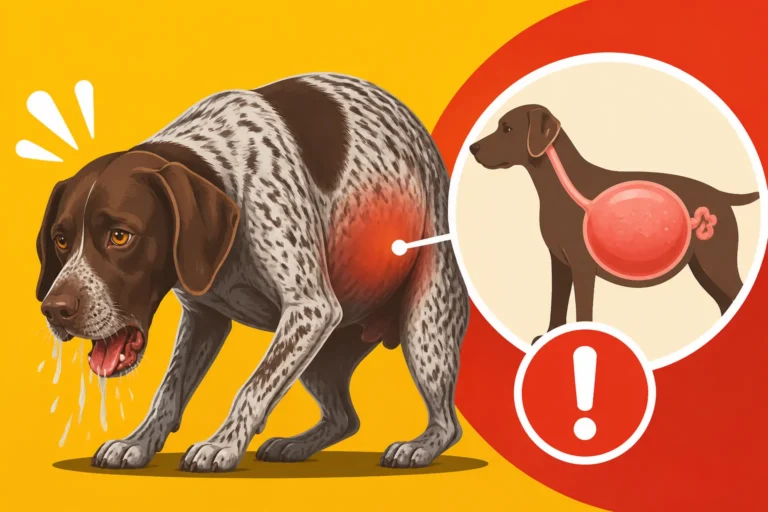
Bloat, or Gastric Dilatation-Volvulus (GDV), is an acute, life-threatening condition where the stomach fills with gas and twists upon itself. It's a medical emergency that primarily affects large, deep-chested breeds, and GSPs fit this description perfectly.
- Understanding the Risk: The exact cause isn't fully understood, but factors like eating one large meal a day, eating rapidly, exercising vigorously after eating, and stress are believed to play a role. The twisting of the stomach cuts off blood supply and can cause rapid shock and death if not treated immediately. Our article on The Bloat Risk a Shorthair Carries Into Every Season explains this in more detail.
- Signs and Emergency Response: Symptoms include unproductive retching, a distended abdomen (though not always visible), restlessness, drooling, and signs of pain. If you suspect bloat, get your GSP to an emergency vet immediately. Time is of the essence.
- Prevention: A gastropexy, a surgical procedure where the stomach is tacked to the abdominal wall to prevent twisting, is often recommended for GSPs, especially those used for hunting. It's often performed at the same time as spay/neuter surgery.
Other Health Concerns
Beyond these major concerns, GSPs can experience other health issues that, while perhaps less common, can still impact their lifespan and well-being.
- Cardiac Issues: While not as prevalent as in some other breeds, GSPs can occasionally be affected by heart conditions like Subaortic Stenosis (SAS) or Dilated Cardiomyopathy (DCM). Regular vet check-ups can help monitor heart health, especially if a murmur is detected.
- Skin Conditions: German Shorthaired Pointers can be prone to various skin issues, including environmental allergies, hot spots (especially after swimming), and even inherited conditions like Lupoid Dermatosis, which causes scaling and hair loss. While not directly life-threatening, chronic skin problems can significantly reduce a dog's comfort and lead to secondary infections.
- Eye Problems: While their eyes are generally healthy, GSPs can occasionally develop conditions like Progressive Retinal Atrophy (PRA) or cone degeneration, which can lead to vision loss. Responsible breeders test for these genetic conditions.
Proactive Care for a Long and Healthy Life
Knowing the risks is one thing, but actively mitigating them is where we can truly make a difference in our German Shorthaired Pointer's life. Proactive care is about consistent, thoughtful attention to their needs from puppyhood through their senior years.
The Importance of a Quality Diet and Exercise
These two elements are the cornerstones of GSP health and are entirely within your control. Think of them as daily investments in your dog's future.
- Tailored Nutrition: As mentioned, a GSP's diet is critical. They are high-energy dogs, especially working lines, and need a diet formulated for active breeds. Look for high-quality protein sources, healthy fats, and complex carbohydrates. The specific calorie needs will vary based on age, activity level, and individual metabolism, so work with your vet to determine the right amount. Avoid overfeeding, as obesity stresses joints, organs, and can lead to a host of other issues. Brands like Purina Pro Plan Sport or Eukanuba Premium Performance are often recommended by breeders and vets for their balanced nutrition for active dogs.
- Appropriate Exercise Regimen: For an adult GSP, we're talking about a minimum of 60-90 minutes of vigorous exercise daily. This isn't just leashed walks; it's off-leash running, fetch, swimming, hiking, or dedicated field training. Without it, they can become bored, destructive, and unhealthy. Be mindful of their age and physical condition – puppies shouldn't be over-exercised on hard surfaces, and seniors need gentler, shorter bursts of activity. Building up their stamina gradually, especially before hunting season, is crucial. Remember, a tired GSP is a happy, well-behaved GSP.
Regular Veterinary Care and Preventative Measures
Your veterinarian is your most important partner in your GSP's long-term health. Don't just go when something's wrong; prioritize preventative care.
- Annual Wellness Exams: These check-ups are vital for early detection of potential problems. Your vet will perform a thorough physical exam, listen to their heart and lungs, palpate their abdomen, and check their joints. They'll also update vaccinations and discuss parasite prevention. For senior GSPs, twice-yearly exams are often recommended, along with blood work and urinalysis to catch age-related conditions like kidney disease or thyroid issues early. Check out The Vet Schedule a Working Shorthair Should Keep for a detailed breakdown.
- Dental Health: Dental disease is rampant in dogs and can lead to serious health problems, including heart and kidney issues, if bacteria from the mouth enters the bloodstream. Regular dental care, including brushing at home and professional cleanings under anesthesia when needed, is critical.
- Parasite Prevention: Consistent protection against fleas, ticks, heartworm, and intestinal parasites is non-negotiable, especially for a dog that spends so much time outdoors. These parasites can carry diseases that range from uncomfortable to life-threatening.
- Pet Insurance: This is where pet insurance can be a lifesaver. Companies like Healthy Paws offer comprehensive coverage that can help offset the high costs of emergency care or ongoing treatments for conditions like cancer, bloat surgery, or orthopedic repairs. Knowing you have that financial safety net can allow you to make treatment decisions based on what's best for your dog, rather than your wallet. Imagine facing a sudden bloat emergency; with Healthy Paws, you can focus on getting your dog to the vet without the added stress of crushing bills. It's a worthwhile consideration for any GSP owner, given their active lifestyles and potential for accidents and breed-specific issues.
Genetic Screening and Responsible Breeding
For those looking to bring a GSP puppy into their home, choosing a responsible breeder is perhaps the single most impactful decision you can make regarding your dog's future health.
- Health Clearances: A reputable breeder will openly share health clearances for both parents, including OFA or PennHIP certifications for hips and elbows, eye certifications from a veterinary ophthalmologist (like through CERF or OFA Eye Certification Registry), and potentially cardiac clearances. They should be able to explain what these clearances mean and why they are important.
- Transparency and Support: A good breeder will be transparent about their breeding practices, allow you to visit their facility, and be a resource for you throughout your dog's life. They are invested in the health and well-being of the dogs they produce. If a breeder can't provide these clearances or seems evasive, it's a major red flag. This commitment to health through breeding directly contributes to dogs that are more likely to reach or exceed the median age.
Life Beyond the Median: Shorthairs Living Longer
While the median age gives us a general guideline, it's important to remember that many German Shorthaired Pointers live well beyond this average. With dedicated care, a bit of luck, and a strong genetic foundation, your GSP can enjoy a rich, fulfilling senior life.
Stories of German Shorthaired Pointers Reaching Senior Years
Every GSP owner dreams of having their dog by their side for as long as possible. Tales of GSPs living to 14, 15, or even 16 years old are not uncommon, especially in homes where they've received exceptional care and their activity was managed appropriately throughout their lives. These dogs often demonstrate incredible resilience, maintaining a zest for life even as their bodies start to slow down. They might not be hunting hard for entire days, but they still enjoy leisurely walks, sniffing adventures, and, of course, their beloved human companionship. These long-lived GSPs often come from lines known for health and longevity, combined with owners who are vigilant about their diet, exercise, and veterinary care.
Adapting Care for the Senior German Shorthaired Pointer
As your German Shorthaired Pointer transitions into their senior years – typically around 7 to 8 years old for this breed, which you can read more about in The Age a German Shorthaired Pointer Is Called Senior – their needs will gradually change. What worked for a high-energy adult might not be appropriate for an aging dog.
- Dietary Adjustments: Senior GSPs often need fewer calories to maintain a healthy weight, as their metabolism slows down and their activity levels decrease. However, they still need high-quality protein to maintain muscle mass. Some senior dog foods are specifically formulated with joint support supplements and different nutrient ratios. Monitor their weight closely and adjust their food intake accordingly.
- Modified Exercise: While they still need exercise, the intensity and duration should be scaled back. Short, frequent walks, gentle swimming, or controlled playtime are better than long, strenuous outings that could exacerbate joint pain or fatigue. Keeping them moving is crucial for joint health and muscle tone, but avoiding overexertion is key. Consider if How Many Seasons a German Shorthaired Pointer Hunts is still appropriate for their current abilities.
- Enhanced Veterinary Care: As mentioned, bi-annual vet visits become more important. Bloodwork, urinalysis, and potentially more frequent dental checks can catch age-related diseases early. Your vet might recommend supplements for joint health, cognitive function, or other specific needs.
- Comfort and Accessibility: Provide comfortable, orthopedic dog beds to support aging joints. Consider ramps for cars or beds if they struggle with jumping. Keep their environment consistent and easily navigable, especially if their vision or hearing starts to decline. Ensuring they have comfortable, warm places to rest, away from drafts, will also contribute significantly to their well-being. Knowing When an Old Shorthair Has Had Enough is also a crucial, empathetic step in senior care.
By being mindful and adaptable as your GSP ages, you can help them navigate their golden years with comfort and dignity, maximizing the quality and, hopefully, the quantity of the time you have together.
Here's a quick overview of some common GSP health issues and their typical impact:
| Health Issue | Typical Onset Age | Impact on Lifespan | Management/Prevention Strategies |
|---|---|---|---|
| Hip/Elbow Dysplasia | Puppy/Adolescent | Moderate | Genetic screening of parents, controlled growth, healthy weight, joint supplements, anti-inflammatory meds, surgery. |
| Cancer (various forms) | Middle to Senior | High | Genetic predisposition (less controllable), early detection through regular vet checks (especially for lumps), diet, potential chemotherapy/surgery. |
| Gastric Dilatation-Volvulus (Bloat) | Any age (more common in adults) | High (acute, fatal if untreated) | Gastropexy surgery, feeding multiple small meals, slow feeder bowls, avoiding vigorous exercise before/after meals, recognizing early signs for immediate vet care. |
| Arthritis | Middle to Senior | Moderate | Healthy weight, joint supplements, anti-inflammatory medications, physical therapy, controlled exercise, orthopedic bedding. |
| Cruciate Ligament Tears | Adult | Moderate | Healthy weight, conditioning, avoiding sudden strenuous activity without warm-up, surgery. |
| Skin Conditions | Any age | Low (impacts QoL) | Hypoallergenic diet, environmental management, medicated shampoos, regular grooming, veterinary prescribed medications for allergies. |
| Cardiac Issues | Any age | Moderate to High | Genetic screening (if applicable), regular vet checks, medication for management, controlled exercise. |
| Dental Disease | Adult | Low (impacts QoL/overall health) | Regular brushing, dental chews, professional cleanings, monitoring for bad breath/gum inflammation. |
Disclaimer
The information provided in this article is for general informational purposes only and is not intended as a substitute for professional veterinary advice. Always consult with a qualified veterinarian for any health concerns or before making any decisions related to your German Shorthaired Pointer's health or medical care.