How Hip Dysplasia Hides in a Shorthair That Never Quits
It's incredibly frustrating, isn't it? You have a German Shorthaired Pointer, a dog born with an engine that never quits, a relentless drive that defines their very being. When they're always pushing, always moving, always ready for the next adventure, it can feel impossible to tell if a minor stumble is just a tired muscle or something far more serious like hip dysplasia lurking beneath that boundless energy. This guide is here to walk you through the subtle cues and hidden signs that even the most stoic and driven Shorthair might display when battling hidden joint pain.
The German Shorthaired Pointer's Unwavering Drive: A Double-Edged Sword
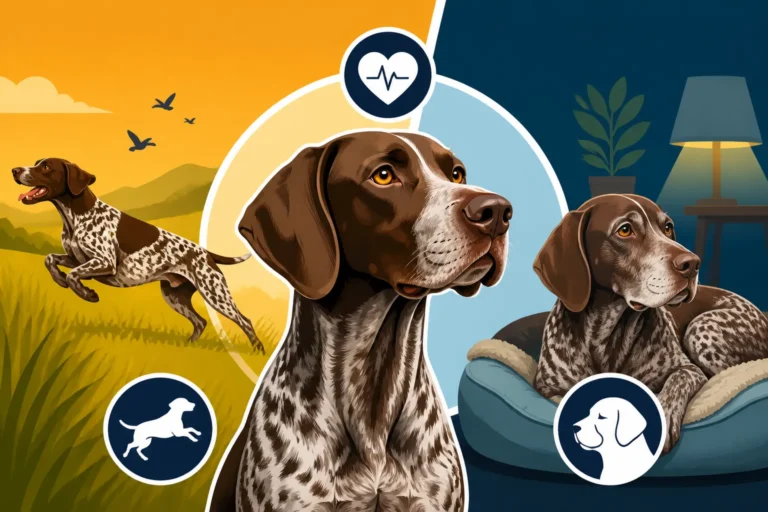
German Shorthaired Pointers are renowned for their incredible stamina, powerful musculature, and an almost obsessive desire to work and please. This very drive, which makes them such magnificent hunting partners and active family members, can inadvertently become a shield, masking underlying health issues that other, less driven breeds might immediately reveal. When your dog is seemingly always on the go, it's easy to overlook minor discomforts, attributing them to the sheer volume of their daily activity.
Why GSPs Push Through Pain
It’s not that your Shorthair is necessarily hiding pain deliberately; it’s more about their inherent genetic programming and high pain tolerance. These dogs were bred for endurance, for long days in the field, covering miles of rugged terrain. Their instinct is to keep going, to ignore minor aches and pains, especially when there’s a job to do or fun to be had. They often have an incredibly stoic nature, not complaining or vocalizing discomfort until it becomes truly debilitating. This drive to please their handler, to run for the sheer joy of it, or to chase that bird scent often overrides any subtle signals their body might be sending them. They'll push through stiffness, adapt their gait ever so slightly, and simply refuse to acknowledge that something isn't quite right. For a breed that thrives on movement, slowing down can feel like a failure, and they'd rather compensate than quit.
Early Signs Masked by Energy
In a less active breed, a slight limp after a run or a bit of stiffness upon rising might be an immediate red flag. For a German Shorthaired Pointer, these could easily be dismissed as "just a hard day," "overexertion," or even "growing pains" in a younger dog. You might see them favor a leg for a moment, only for them to shake it off and continue full tilt, making you second-guess what you observed. A young, enthusiastic GSP often appears to be clumsy or awkward during their adolescent growth spurts, which can unfortunately blend with the early, subtle signs of hip dysplasia. The intermittent nature of early discomfort, appearing one day and seemingly gone the next, also contributes to this masking effect. Owners might assume their dog is just a bit stiff from sleeping funny or cooling down too quickly, rather than suspecting a chronic joint condition. It truly takes a keen, observant eye to differentiate normal post-exertion recovery from the quiet beginnings of a problem.
Subtle Clues to Spotting Hidden Hip Dysplasia
Because of their indomitable spirit, spotting hip dysplasia in a GSP requires looking beyond the obvious. You need to become a detective, observing patterns and behaviors that, in isolation, might seem insignificant but, when pieced together, tell a compelling story. It's about noticing the nuances in their movement and daily habits.
Changes in Gait and Movement Patterns
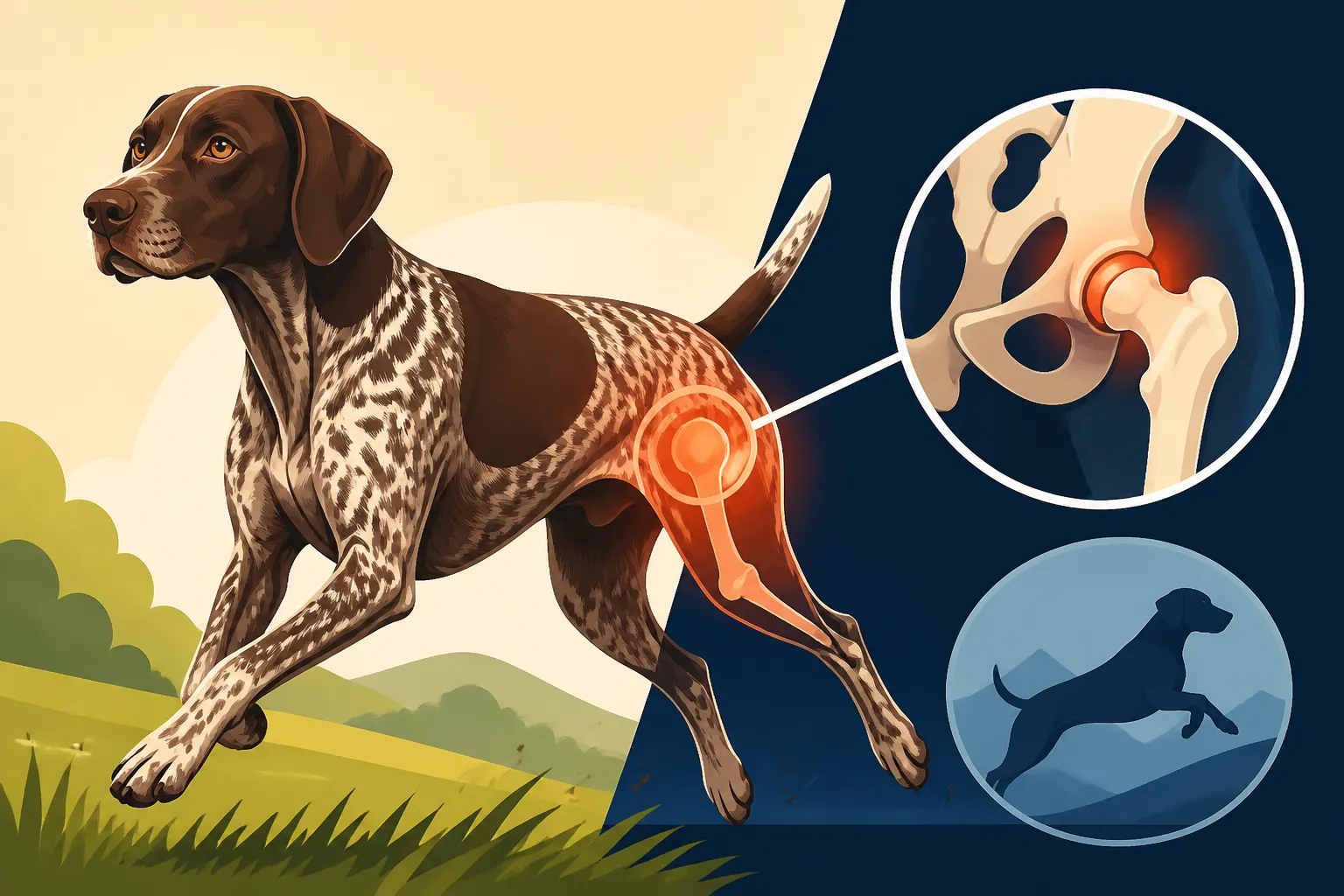
Instead of looking for a dramatic limp, pay close attention to subtle alterations in how your German Shorthaired Pointer moves. Does their powerful, ground-covering stride seem slightly shorter, particularly in the rear legs? Are they "bunny hopping" – using both back legs together, almost like a rabbit – especially when running fast or going upstairs? This is a common compensatory mechanism to reduce stress on the hip joints. You might notice a slight "sway" in their hindquarters when they walk, or a general awkwardness in their rear end movement that wasn't there before. Observe them after a long period of rest, like first thing in the morning or after a nap; any stiffness that takes a few minutes to "work out" can be a significant indicator. Watch how they navigate turns; dogs with hip pain may take wider turns or hesitate before making sharp changes in direction to avoid putting pressure on their hips. Even something as simple as a less enthusiastic shake-off after a swim could be a subtle clue.
Behavioral and Postural Indicators at Rest
The true tells sometimes emerge when your Shorthair is not actively engaged. How do they choose to sit or lie down? A dog favoring one hip might sit with one leg splayed out to the side rather than tucked neatly underneath, often called a "lazy sit" or "frog sit." They might struggle to find a comfortable position, shifting frequently, especially when trying to lie down or get up. Does your GSP get up slower than usual, perhaps pushing up first with their front legs, or showing a slight hesitation before fully extending their hindquarters? This could be indicative of discomfort. While normally eager to jump into the truck or onto the couch, they might start to hesitate, needing more encouragement, or opting to use ramps more readily. You might also notice them licking or chewing at their hips or hindquarters more frequently, or perhaps becoming more irritable or sensitive when touched in that area. Over time, muscle atrophy around the hindquarters can occur as they unconsciously shift weight forward, making their rear look less muscular than their front. This is a subtle physical change that many owners miss.
Reluctance or Hesitation in Specific Activities
Your German Shorthaired Pointer's boundless enthusiasm for activities might start to wane, but not in an obvious way. They won't necessarily refuse to go hunting or on a run, but you might notice a slight hesitation before jumping into the truck, or a less enthusiastic burst out of the gate when released. They might jump fewer times to catch a thrown toy, or start taking stairs one at a time instead of bounding up them. A previously avid swimmer might seem less eager to enter the water, or tire more quickly when doing so, as the resistance of water can put strain on the hips. Even during play with other dogs, you might observe them initiating less rough-and-tumble play, or pulling back from activities that involve sudden twists, turns, or quick sprints. For example, a dog that usually loves chasing squirrels might cut the chase short more often. These tiny shifts in their usual repertoire are critical observations.
Confirming Suspicions: Getting a Proper Diagnosis
If you're noticing these subtle signs, or even just have a gut feeling that something isn't quite right with your GSP, it's time to talk to your veterinarian. Early diagnosis is crucial for effective management and can significantly improve your dog's long-term comfort and quality of life. Don't wait until the pain is undeniable or debilitating.
The Importance of a Thorough Veterinary Exam
Your veterinarian will start with a comprehensive physical examination. They'll observe your dog's gait, paying close attention to how they walk, trot, and turn. They'll palpate the hip joints, feeling for any grinding, clicking, or pain response as they manipulate the legs. This includes what's known as the Ortolani sign, where the vet can sometimes feel a "clunk" as the femoral head slips into and out of the hip socket, indicating laxity. They’ll also assess muscle mass, range of motion, and any tenderness around the hip area. It’s important to be honest and detailed with your vet about all the subtle behavioral and movement changes you've observed, even if they seem minor. Your firsthand knowledge of your dog’s baseline behavior is invaluable to them. Sometimes, a vet may recommend a short course of anti-inflammatory medication to see if movement improves, which can help confirm if pain is present.
Imaging and Orthopedic Assessments
The definitive diagnosis of hip dysplasia comes through imaging, specifically X-rays. There are two primary methods for evaluating hips:
- OFA (Orthopedic Foundation for Animals) Evaluations: This involves specific X-ray views taken after a dog is 24 months old. The films are submitted to a panel of radiologists who grade the hips based on several criteria. This provides a universal standard for assessing hip conformation. Getting these films done requires your dog to be precisely positioned and often mildly sedated to ensure accuracy.
- PennHIP Evaluations: This method can be performed on dogs as young as 16 weeks and measures hip laxity (looseness) with greater precision. It involves three distinct X-ray views and provides a distraction index (DI) score, which indicates the degree of hip looseness. This information can be very useful for breeders and owners wanting an earlier assessment.
Your vet might also refer you to a board-certified veterinary orthopedic specialist. These specialists have advanced training and equipment to further evaluate complex joint issues. They can offer more in-depth analyses, discuss surgical options if necessary, and help tailor a long-term management plan. When considering these diagnostic steps and potential ongoing care, it's worth noting that pet insurance can be a huge help. Many owners find that a good policy, like those offered by Healthy Paws, can significantly offset the costs of diagnostic imaging, specialist consultations, and long-term medications, allowing them to make the best decisions for their dog's health without financial stress. Planning ahead with coverage from providers such as Healthy Paws can mean the difference between getting prompt, comprehensive care and delaying treatment due to cost concerns.
Living with and Managing Hip Dysplasia in an Active Shorthair
Receiving a hip dysplasia diagnosis doesn't mean your German Shorthaired Pointer's active life is over. It simply means you'll need to adjust how you manage their exercise and care to keep them comfortable and happy for as long as possible. It's about smart management, not total cessation of activity.
Tailoring Exercise to Prevent Further Damage
The key here is controlled exercise, not eliminating it entirely. High-impact activities like intense fetch sessions, sudden stops and starts, jumping, and running on hard surfaces should be minimized or avoided. Instead, focus on activities that build muscle strength around the hips without excessive jarring. Swimming is excellent, as it provides a full-body workout with minimal impact. Long, steady walks or jogs on soft surfaces like grass or dirt trails are also good. Consider using a bike attachment for controlled roadwork on softer ground, ensuring your dog maintains a consistent pace without sudden bursts. The goal is to strengthen the muscles supporting the hip joint, which can help stabilize it and reduce pain. Pay attention to the weather; cold, damp conditions can exacerbate joint pain, so adjust activity levels accordingly and ensure your GSP stays warm. Remember, the goal is to keep them fit and strong, so their muscles can better support compromised joints. Trying to push them beyond their comfort level, even if they're willing, is counterproductive.
Supportive Therapies and Medications
Managing hip dysplasia often involves a multi-modal approach. Your vet might recommend a combination of therapies:
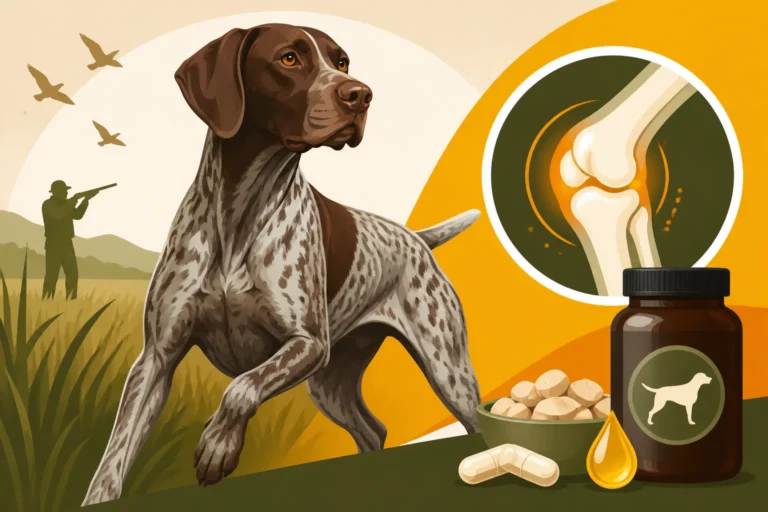
- Joint Supplements: Glucosamine, chondroitin, MSM, and omega-3 fatty acids are common ingredients in supplements designed to support joint health, reduce inflammation, and help maintain cartilage. Brands like Cosequin or Dasuquin are often recommended.
- Anti-inflammatory Medications: Non-steroidal anti-inflammatory drugs (NSAIDs) can be prescribed during flare-ups of pain and inflammation. Long-term use requires careful monitoring for side effects, especially kidney and liver function.
- Physical Therapy: Canine physical therapy can be incredibly beneficial. A certified canine rehabilitation therapist can develop a program of exercises to strengthen specific muscle groups, improve range of motion, and reduce pain. This might include underwater treadmill therapy, therapeutic exercises, massage, and modalities like laser therapy.
- Injections: Adequan (polysulfated glycosaminoglycan) injections can help protect cartilage and reduce inflammation, while certain steroid or regenerative medicine injections might be used directly into the joint.
It’s essential to discuss all options with your vet to create a tailored plan. For those unexpected costs of therapies or medications, pet insurance plans like Healthy Paws can provide immense relief. Knowing that a significant portion of these ongoing expenses might be covered can allow you to pursue the best possible care for your beloved German Shorthaired Pointer without added financial stress.
The Role of Nutrition and Weight Management
Maintaining an ideal body weight is paramount for any dog with hip dysplasia, and especially for a high-energy German Shorthaired Pointer. Every extra pound puts additional stress on already compromised joints, accelerating wear and tear and increasing pain. Work with your vet to determine the perfect weight for your individual dog and adjust their diet and caloric intake accordingly. High-quality dog food formulated for active dogs, but carefully portioned, is crucial. Some specialty diets designed for joint support, often containing higher levels of omega-3s and other beneficial ingredients, might also be recommended. Regular monitoring of their weight throughout the year, especially during and after hunting seasons, is vital. Keeping your GSP lean and hard allows their muscles to support their skeletal structure more effectively, reducing the burden on their hips. A lean dog often experiences less pain and has a slower progression of joint degeneration, extending their quality of life.
Here's a quick comparison of what to look for:
| Observation Category | Typical Early Signs (often missed) | More Obvious Signs (usually when problem is advanced) |
|---|---|---|
| Gait & Movement | Subtle "bunny hop" when running, slightly shorter stride, wider turns, stiffness after rest, slight sway in hindquarters. | Pronounced limp, refusal to bear weight, severe stiffness, dragging hind legs. |
| At Rest | "Lazy sit" (splayed legs), difficulty finding comfortable resting position, slow to rise, reluctance to jump onto furniture/vehicle. | Crying out when trying to get up/lie down, inability to stand from lying position without assistance, tremors in hind legs. |
| Activity Level | Hesitation before jumping, less enthusiastic on long runs, tiring faster, less active in play with other dogs, avoiding certain movements. | Refusal to play, refusal to run or jump, yelping during activity, complete loss of interest in exercise. |
| Behavioral/Physical | Increased licking/chewing at hips, sensitivity to touch around hips, subtle muscle atrophy in hindquarters. | Aggression due to pain, vocalizing pain, noticeable limping even at a walk, severe muscle wasting in hind end. |
Disclaimer
The information provided in this guide is for general educational purposes only and should not be considered a substitute for professional veterinary advice. Always consult with your veterinarian for any health concerns or before making any decisions related to your German Shorthaired Pointer's health and treatment.