The Age Lupoid Dermatosis Appears in a Shorthair
It's incredibly unsettling when your energetic German Shorthaired Pointer starts showing signs of a skin problem, especially one as serious and puzzling as lupoid dermatosis. Many of us find ourselves scratching our heads, wondering why this is happening and, crucially, when these issues typically begin to manifest. This guide aims to shed light on the common age range for the onset of lupoid dermatosis in Shorthairs, helping you understand what to watch for and how to approach this challenging condition.
Understanding the Typical Onset of Lupoid Dermatosis in German Shorthaired Pointers
Lupoid dermatosis, or sterile panniculitis, is a rare but frustrating inflammatory skin disease that can affect German Shorthaired Pointers. It's not something you'd expect to see in a young, vibrant dog, which often makes its appearance even more confusing and heartbreaking for owners. While it can appear at various ages, there's a general window that many vets and breeders observe.
When Symptoms Usually Emerge
Typically, lupoid dermatosis tends to show up in German Shorthaired Pointers when they are quite young, often before their first birthday, or sometimes a bit older into early adulthood. We're talking about a range that usually falls between six months and three years of age. It’s not uncommon to hear stories of puppies as young as four or five months old starting to develop those tell-tale crusty lesions, or a two-year-old in the prime of their life suddenly displaying a deteriorating coat and uncomfortable skin.
Imagine you've got a boisterous six-month-old Shorthair puppy, full of beans, tearing around the yard, living their best life. Then, you start noticing a few dry, flaky patches along their back, perhaps some hair thinning. You might initially brush it off as dry skin, maybe a reaction to a new shampoo, or even just puppy coat changes. But as it progresses, becoming more defined, scaly, and perhaps even painful, the alarm bells start ringing. This is the classic scenario for many Shorthair owners. It’s a stark contrast to many other skin conditions that might crop up later in life, often associated with allergies or aging.
Why Early Onset is Important
The early onset of lupoid dermatosis in German Shorthaired Pointers carries significant implications, not just for the individual dog, but potentially for breeding lines too. When a condition appears so early in a dog's life, it often points to a genetic predisposition. This isn't to say every case is purely genetic, but it’s certainly a strong indicator. For breeders, understanding the typical age of onset is crucial for making responsible decisions about which dogs to include in their programs, as it helps identify potential carriers or affected lines.
If you have a young Shorthair developing these symptoms, it means you're dealing with a chronic, lifelong condition from almost the start of their life together. This impacts everything from their diet and exercise routines to their overall quality of life and your financial planning for vet care. It's a heavy burden, and it emphasizes the importance of early and accurate diagnosis. It also highlights why thorough health testing and understanding pedigrees are so vital when choosing a puppy. You might be interested to read about The Skin Disease That Hits a German Shorthaired Pointer Before One to understand more about its early appearance.
Recognizing the First Signs of Lupoid Dermatosis
Catching lupoid dermatosis early can make a significant difference in managing the condition and improving your dog's comfort. It's not always obvious, as the initial signs can mimic many other common skin issues. However, knowing what to look for, especially in that vulnerable age range, can help you get to a diagnosis much faster.
Skin Changes to Watch For
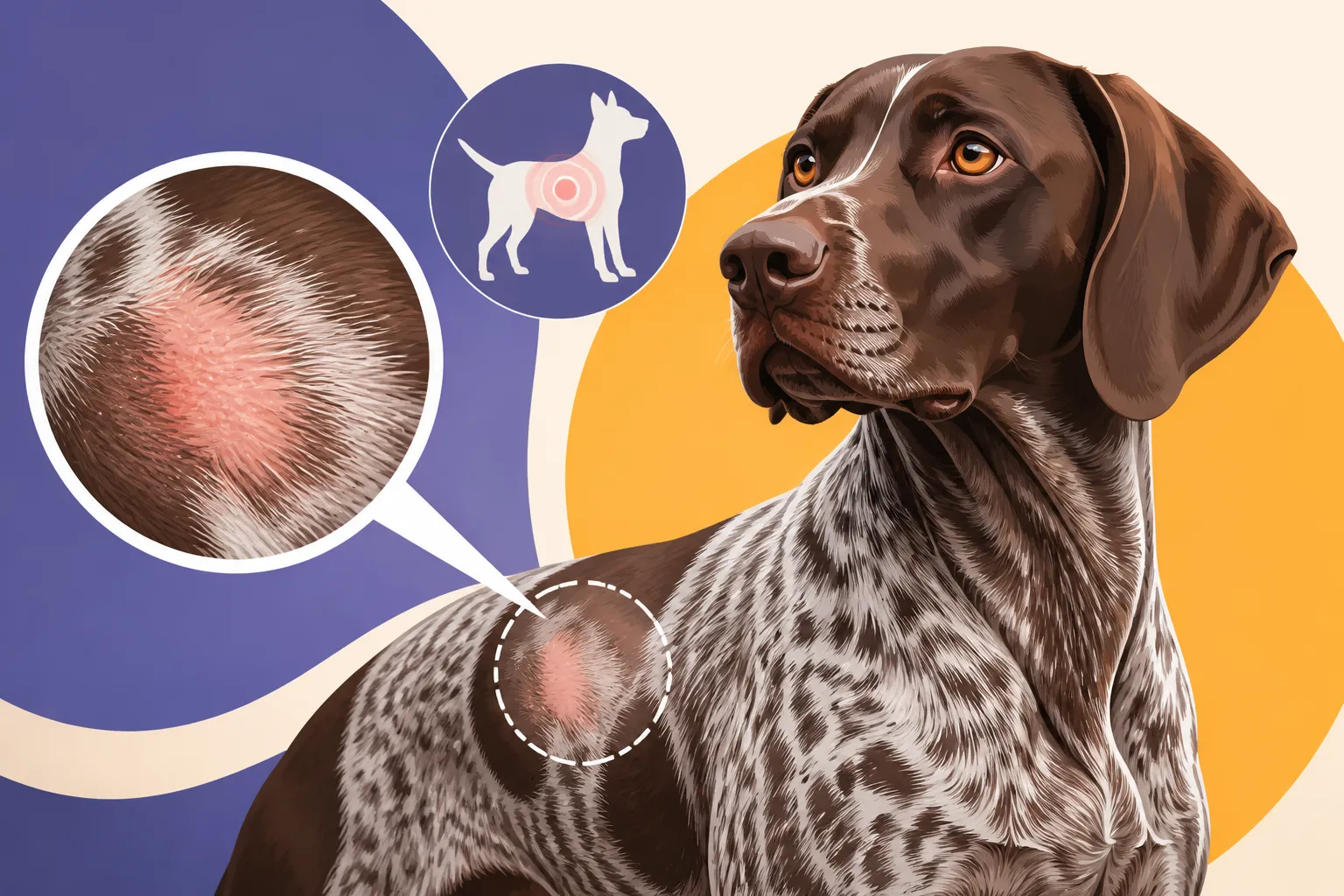
The most common initial signs of lupoid dermatosis often involve a distinctive pattern of skin changes. You might first notice scaling, crusting, and hair loss along the dog's back, often starting around the spine and spreading outwards. It's not usually a generalized itch like with allergies; instead, it tends to be more localized or patchy. The skin might look dry, greasy, or inflamed, sometimes with pustules or draining tracts. The hair loss can be symmetrical or asymmetrical, and the skin underneath might appear thickened or hyperpigmented over time.
Think of it like this: instead of your Shorthair chewing their paws constantly from environmental allergies, you might observe them with patchy hair loss on their back, along their flanks, or even on their head, accompanied by thick, silvery scales. The skin itself can become quite tough and leathery in affected areas. Sometimes, the initial lesions can be mistaken for ringworm, bacterial skin infections, or even just dry winter skin. But with lupoid dermatosis, these lesions often don't respond well to standard treatments for those conditions, and they persist or worsen. For more detail on where this starts, consider exploring The Scaling Skin That Starts on a Shorthair's Back.
Behavioral Clues Your Shorthair Might Give
Beyond the visible skin changes, your German Shorthaired Pointer might also exhibit certain behavioral clues that signal discomfort. While lupoid dermatosis isn't always intensely itchy, some dogs will certainly scratch, rub, or lick the affected areas more than usual. This might be subtle at first – a bit more grooming than normal, or an extra rub against the furniture. However, as the condition progresses and the skin becomes more inflamed or infected, the discomfort can increase.
You might notice a change in their overall demeanor. A typically playful and outgoing Shorthair might become a bit more withdrawn, less eager to engage in their usual activities. They might be sensitive to touch, flinching if you try to pet them along their back where the skin is most affected. Loss of appetite, lethargy, or a general "down" feeling can also accompany severe flare-ups, especially if secondary infections set in. It’s important to remember that any significant change in your dog’s behavior, especially coupled with physical symptoms, warrants a trip to the vet. It's all part of the big picture, and your keen observation skills are invaluable in piecing together the puzzle.
Diagnosis and Management Considerations at Different Ages
Getting a diagnosis of lupoid dermatosis can be a long and frustrating road for many owners. Because it's a rare condition and its symptoms can mimic so many other common skin ailments, it often requires specialized testing and persistence.
The Diagnostic Journey for a Young Shorthair
When a young German Shorthaired Pointer presents with these kinds of skin issues, your veterinarian will likely start by ruling out more common problems. This could involve skin scrapings for mites, fungal cultures for ringworm, and cytology to check for bacterial or yeast infections. If these initial tests come back negative or treatments aren't effective, the suspicion for something more unusual, like lupoid dermatosis, will grow.
The definitive diagnosis usually requires skin biopsies. This involves taking small tissue samples from the affected areas and sending them to a veterinary dermatopathologist for examination. It's not a cheap test, and it requires sedation or general anesthesia, which always carries some risk. However, it's the gold standard for confirming this condition. Your vet might also recommend blood tests to check for other underlying health issues. Differentiating lupoid dermatosis from other autoimmune skin diseases or severe allergies is crucial, and the biopsy results will guide that process. It's a lot to go through, especially with a young dog, and this is where having good pet insurance like Healthy Paws can truly be a lifeline, helping to cover the costs of these specialized diagnostics. To delve deeper into this, you might find How Lupoid Dermatosis Is Diagnosed in a Shorthair particularly helpful.
Long-Term Outlook and Living with Lupoid Dermatosis
Once diagnosed, it's important to understand that lupoid dermatosis is generally a chronic, lifelong condition in German Shorthaired Pointers. While it cannot be cured in most cases, it can often be managed effectively to significantly improve your dog's comfort and quality of life. Management typically involves a multi-modal approach, which might include:
- Immunosuppressive medications: Corticosteroids like prednisone are often used, sometimes in combination with other drugs like cyclosporine (Atopica) or azathioprine. These aim to reduce the inflammatory response.
- Topical treatments: Medicated shampoos, conditioners, and ointments can help manage scaling, crusting, and prevent secondary infections.
- Antibiotics/Antifungals: If secondary infections arise, these will be prescribed to clear them up.
- Essential fatty acid supplements: Omega-3 and Omega-6 fatty acids can help support skin health and reduce inflammation.
- Dietary changes: Some dogs may benefit from a novel protein or hypoallergenic diet, although this is more common with food allergies.
It’s a journey of trial and error to find the right combination and dosage of medications that work best for your individual Shorthair. Regular follow-up visits with your veterinarian, and possibly a veterinary dermatologist, will be essential to monitor their progress and adjust treatment as needed.
Living with a dog with lupoid dermatosis means being extra vigilant about their skin, managing flare-ups, and ensuring they remain comfortable. It's a commitment, but with consistent care, many German Shorthaired Pointers with this condition can live full, happy lives. This kind of ongoing care is exactly why you need to keep up with The Vet Schedule a Working Shorthair Should Keep, even if your dog isn't actively working. Discussions about Whether a Shorthair's Lupoid Dermatosis Can Be Cured and Managing a German Shorthaired Pointer's Lifelong Skin Disease can provide further context on the long-term realities. It's also worth noting that due to the potential genetic component, it's generally advised that Whether an Affected Shorthair Should Be Bred From is a definitive no.
Here's a quick overview of key aspects related to lupoid dermatosis:
| Aspect | Description | Typical Onset Age | Initial Symptoms | Diagnostic Method | Management Approach |
|---|---|---|---|---|---|
| Lupoid Dermatosis | Rare inflammatory skin disease affecting hair follicles and sebaceous glands. Autoimmune-like in nature. | 6 months to 3 years (early adulthood) | Scaling, crusting, hair loss (often on back/flanks) | Skin Biopsy (histopathology) | Lifelong, multi-modal treatment (immunosuppressants, topicals) |
| Common Misdiagnoses | Dry skin, ringworm, bacterial infections, environmental allergies, other autoimmune conditions. | Any age for differentials | Varies by condition | Skin scrapes, cultures, allergy tests | Targeted treatment for specific condition |
Disclaimer
The information provided in this article is for general informational purposes only and is not a substitute for professional veterinary advice. Always consult with a qualified veterinarian for any health concerns or before making any decisions related to your pet's care.