Hair Loss on a German Shorthaired Pointer’s Flanks
It can be incredibly disheartening, and frankly, a bit alarming, to wake up one morning and notice patches of hair thinning or completely gone from your beloved German Shorthaired Pointer’s flanks. Their short, sleek coats usually make any changes stand out like a sore thumb, and naturally, your mind starts racing, wondering what in the world could be going on. This guide is here to walk you through the common reasons for hair loss on your GSP's flanks, what it looks like, and what steps you can take with your veterinarian to get to the bottom of it.
Understanding Hair Loss on a Shorthair's Flanks
When you notice hair loss specifically on the flanks of your German Shorthaired Pointer, it’s not just a cosmetic issue; it's a sign that something deeper is at play within their system. This particular pattern often points toward a few common culprits that, while concerning, are usually manageable once diagnosed.
What Flank Alopecia Looks Like
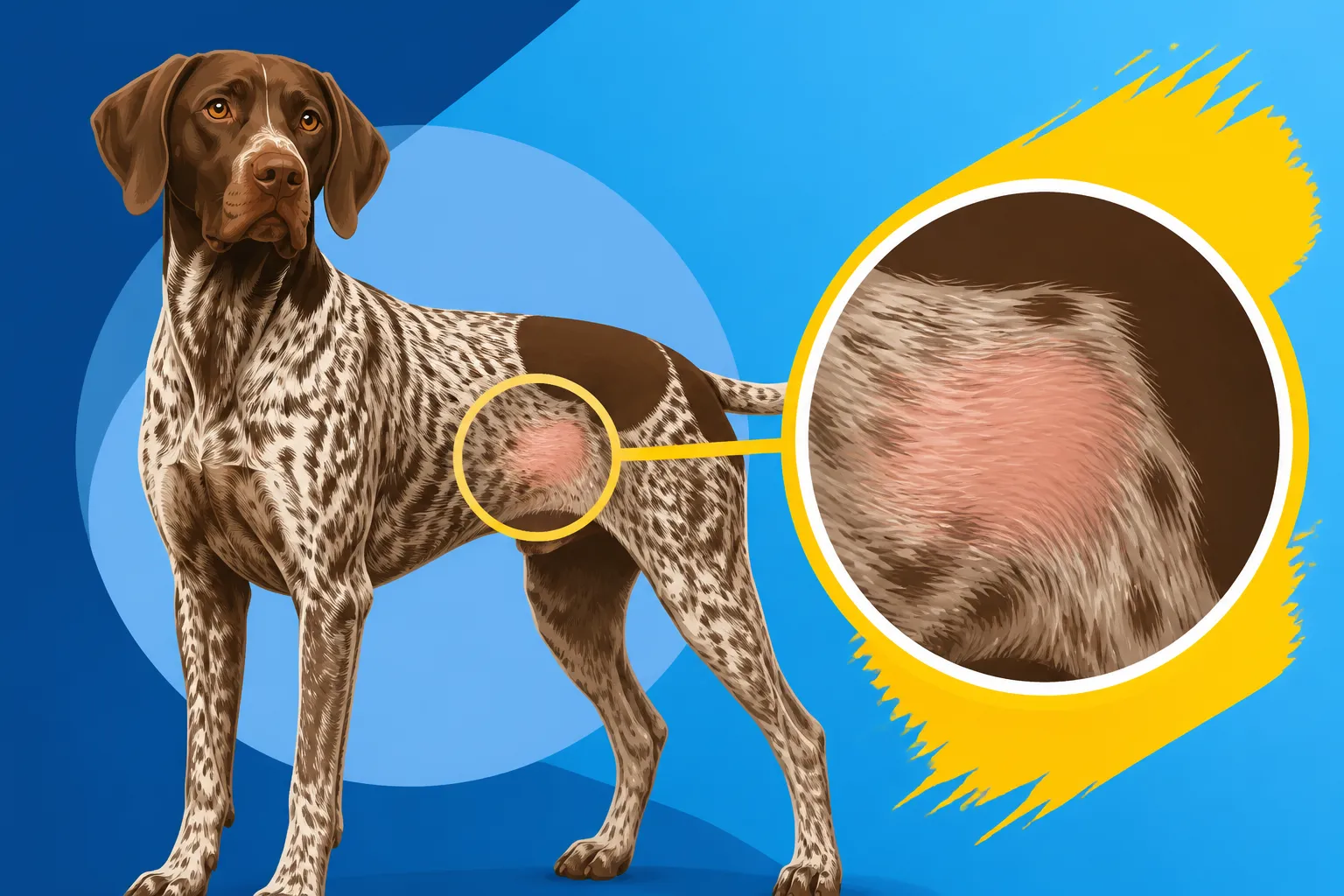
Flank alopecia typically presents as areas of non-itchy hair loss, often symmetrical, appearing on the sides of your dog's body, usually starting around the ribs and extending towards the hindquarters. You might first notice the fur thinning, becoming sparse, before progressing to complete bald patches. The skin in these areas might darken (hyperpigmentation) or become dry and flaky, but crucially, it’s usually not inflamed or itchy unless a secondary infection has set in. This lack of itchiness is a key differentiator from many allergic skin conditions, which often cause intense scratching and irritation.
Imagine your normally vibrant, liver-ticked GSP, perhaps a handsome male named "Ranger," coming in from the yard, and you notice a perfectly round, bald patch the size of a silver dollar on his left side. Then, upon closer inspection, you find a similar spot on his right. The skin underneath might look almost leathery and darker than the surrounding skin, but Ranger isn't scratching it. This classic presentation is what often leads a vet to suspect flank alopecia. It's not always so perfectly symmetrical, but often follows a similar bilateral pattern. Sometimes, the hair will grow back in the spring or summer, only to fall out again the following autumn or winter, making it a truly perplexing cyclical issue for many owners.
The Seasonal Link to Hair Loss
The term "seasonal flank alopecia" isn't just a fancy name; it points to a very real and often frustrating cycle many GSPs experience. This condition is frequently linked to changes in the seasons, particularly the shorter daylight hours of fall and winter. It’s a bit of a mystery why some dogs are affected, but the prevailing theory involves the pineal gland's production of melatonin and other hormones, like prolactin, which influence hair follicle cycles. During periods of reduced daylight, the pineal gland produces more melatonin, which some researchers believe can suppress hair growth in susceptible dogs.
Think of it like this: your dog's hair follicles have a growth phase (anagen), a transition phase (catagen), and a resting phase (telogen). In seasonal flank alopecia, it's thought that the follicles get "stuck" in the resting phase for too long, or prematurely enter it, leading to the hair falling out and not being replaced. When spring arrives and daylight hours lengthen, the hormonal balance shifts, and the hair follicles might "wake up" and resume normal growth. It's a natural, albeit visually concerning, process for these dogs. This pattern can be incredibly consistent year after year, causing owners to brace themselves for the annual "bald flank season." For some GSPs, however, the hair loss eventually becomes persistent and year-round, losing its seasonal rhythm.
Common Underlying Causes of Flank Hair Loss
While seasonal flank alopecia is a common reason for hair loss on a GSP's flanks, it's absolutely crucial to rule out other, more serious underlying health issues that can present similarly. Your veterinarian will be looking at the bigger picture to ensure no stone is left unturned.
Hormonal Imbalances
Hormonal imbalances are a significant category of causes for hair loss in dogs, and German Shorthaired Pointers are, unfortunately, not immune. The thyroid gland, in particular, plays a massive role in regulating metabolism and, by extension, skin and coat health.
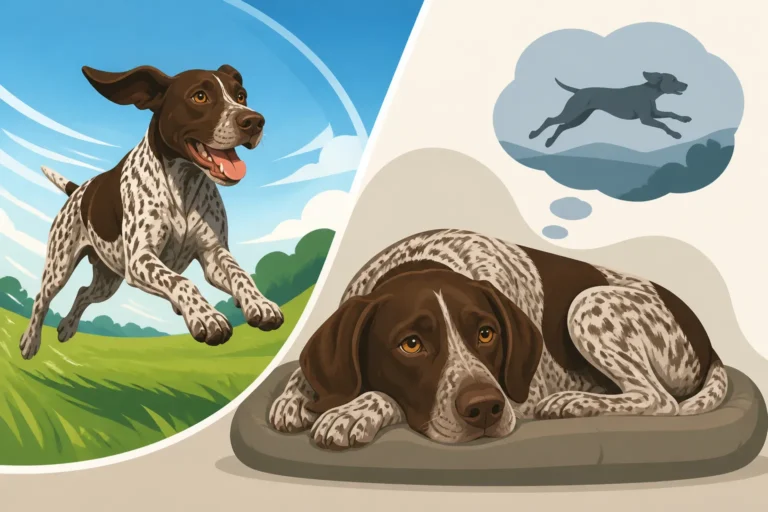
When a GSP's thyroid gland isn't producing enough thyroid hormone (a condition known as hypothyroidism), it can lead to a whole host of symptoms, including generalized hair thinning or loss, often starting on the flanks and body. You might also notice a dull, dry coat, unexplained weight gain, lethargy, and a tendency to seek out warm places. It's a condition that can often go unnoticed until more obvious symptoms appear, but hair loss is definitely a red flag. If your GSP is showing signs of Thyroid Failure in a Middle Aged German Shorthaired Pointer, hair loss could be one of them. For instance, "Buddy," a seven-year-old GSP, started to develop bald patches on his flanks, seemed unusually tired after short walks, and put on a few extra pounds despite no change in his diet. A simple blood test confirmed he had hypothyroidism. It’s amazing how quickly a dog's coat and energy levels can rebound once they start on appropriate thyroid medication. Many owners also observe Weight Gain That Points at a Shorthair's Thyroid concurrently with coat changes.
While less common than hypothyroidism in GSPs, other hormonal disorders like Cushing's disease (hyperadrenocorticism), where the body produces too much cortisol, can also cause symmetrical hair loss on the trunk and flanks. However, Cushing's usually comes with a longer list of other symptoms like increased thirst and urination, a pot-bellied appearance, and muscle weakness. Your vet will consider the entire clinical picture, not just the hair loss, when investigating hormonal causes.
Nutritional Deficiencies and Absorption Issues
Just like with us humans, what goes into your German Shorthaired Pointer's body has a direct impact on their overall health, including the health of their skin and coat. A diet lacking in essential nutrients or issues with how your dog absorbs those nutrients can absolutely manifest as poor coat quality and, eventually, hair loss.
Active breeds like GSPs burn a tremendous amount of calories and require a high-quality, balanced diet rich in protein, healthy fats, and essential vitamins and minerals to maintain their peak condition. If your GSP is on a low-quality kibble, or if they have an underlying digestive issue that prevents proper nutrient absorption, their body might prioritize vital organ function over non-essential functions like maintaining a lush coat. For example, essential fatty acids, particularly omega-3s and omega-6s, are critical for skin barrier function and coat luster. A deficiency can lead to dry, flaky skin and brittle hair that breaks easily or falls out. Zinc is another vital mineral for skin health, and its deficiency can lead to crusting, scaling, and hair loss, especially around pressure points and on the flanks.
Imagine a scenario where "Daisy," a typically vibrant GSP, starts showing dullness in her coat and then patches of hair loss on her flanks, despite appearing otherwise healthy. Upon review of her diet, it's discovered she’s been on a generic, grain-heavy kibble not formulated for highly active breeds. Switching her to a premium performance diet, perhaps one that pet parents often rely on for robust nutrition, or supplementing with fish oil, could make a significant difference. Many owners have found success with adding specific supplements, which we’ll discuss more, to support their dog's coat health. Sometimes, even with a good diet, a vet might consider if your GSP needs a probiotic, as gut health is increasingly linked to overall skin and coat health.
Allergic Reactions and Irritants
While flank alopecia is typically non-itchy, other forms of hair loss on the flanks can be directly attributed to intense itching caused by allergic reactions or external irritants. When a dog is constantly scratching, licking, or chewing an area, they can literally rub, pull, or break off their own hair, leading to localized hair loss.
Environmental allergies (atopy) are incredibly common in dogs and can cause widespread itchiness, including on the flanks, belly, and paws. These allergies are often seasonal, triggered by pollen, grass, dust mites, or mold, and can lead to inflamed, red, and intensely itchy skin. When a GSP is working cover, they are particularly exposed to a myriad of potential allergens. If your GSP is constantly digging at its sides, developing red bumps, or experiencing hot spots, this kind of hair loss is often different from the neat, non-inflamed patches of classic flank alopecia. Similarly, food allergies, though less common than environmental allergies, can also manifest as itchy skin and hair loss, often accompanied by digestive upset. You can learn more about how to manage these issues by reading about Environmental Allergies in a Shorthair That Works Cover.
External parasites are another huge source of irritation and can cause significant hair loss. Fleas are perhaps the most common culprit, and even a single flea bite can cause an intense allergic reaction in a flea-sensitive dog, leading to widespread itching and hair loss. Mites, such as sarcoptic mange mites, also cause incredibly itchy skin and can lead to severe hair loss as the dog frantically tries to relieve the itch. Contact dermatitis, where the skin reacts to something it touches (like certain bedding materials, cleaning products, or plants), can also cause localized irritation and hair loss on the flanks if that's where the contact occurs. It's why a thorough physical exam by your vet is always the first step.
Diagnosis and Management Strategies
Once you notice hair loss on your German Shorthaired Pointer's flanks, the next logical step, and arguably the most important one, is to involve your veterinarian. Trying to self-diagnose can delay appropriate treatment and potentially worsen an underlying condition.
Working With Your Veterinarian for a Diagnosis
Your vet will approach this systematically, starting with a comprehensive physical examination and a detailed history of the hair loss. They'll want to know: when it started, if it's seasonal, if your dog is itchy, what your dog eats, and any other symptoms you’ve observed. This initial conversation is crucial for narrowing down the possibilities. Don't be shy about providing every detail, even if it seems insignificant.
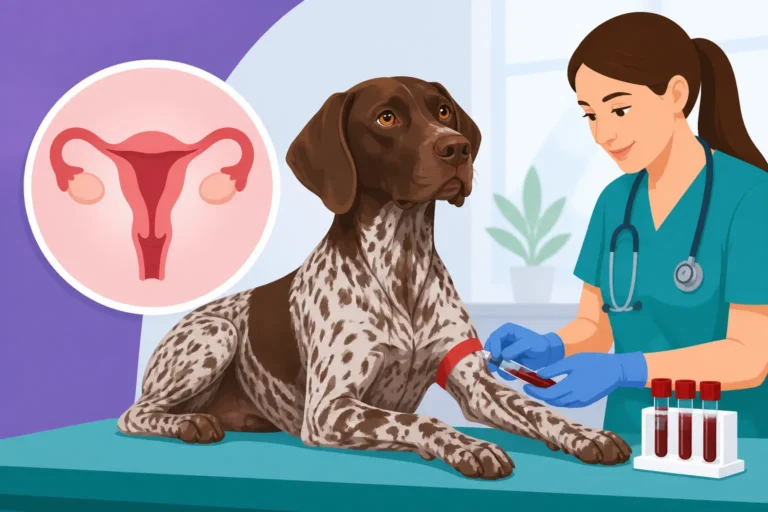
To rule out parasitic causes, your vet might perform skin scrapes to look for mites or suggest flea prevention if that's a possibility. Blood tests are almost always recommended, especially a full thyroid panel, to check for hypothyroidism. This is a common and easily treatable cause, so it’s often one of the first things vets test for. If other hormonal issues like Cushing’s are suspected based on additional symptoms, more specialized blood tests might be ordered. For "Lucky," a spirited GSP who developed flank hair loss and was also showing signs of being less enthusiastic about his morning runs and a noticeable thinning of his tail fur (often called "rat tail"), his vet immediately suggested checking his thyroid. The blood work confirmed his hypothyroidism, and treatment started promptly.
In cases where seasonal flank alopecia is suspected, sometimes a biopsy of the affected skin might be taken. This isn't usually the first step, but it can provide a definitive diagnosis by showing characteristic changes in the hair follicles that indicate the seasonal condition, or rule out other inflammatory diseases. If allergies are high on the suspicion list, your vet might recommend an elimination diet trial for food allergies or discuss allergy testing (blood tests or intradermal skin tests) for environmental allergens. The diagnostic journey can sometimes feel like a puzzle with many pieces, and it might take a few visits and different tests to pinpoint the exact cause. It's good to know that your regular vet check-ups, like The Vet Schedule a Working Shorthair Should Keep, can help catch these issues early.
Treatment and Management Options
The treatment for your GSP's flank hair loss will depend entirely on the underlying cause. There's no one-size-fits-all solution, but the good news is that many causes are highly treatable or manageable.
If hypothyroidism is diagnosed, the treatment is typically lifelong oral medication, usually levothyroxine. Your vet will determine the correct dosage, and regular blood tests will be needed to monitor thyroid hormone levels and adjust the medication as necessary. Owners often report a noticeable improvement in coat quality, energy levels, and overall demeanor once their GSP is properly regulated on medication. It's incredible to see a dog's fur grow back and their sparkle return! You can dive deeper into this topic by looking into Medicating a Hypothyroid German Shorthaired Pointer.
For confirmed cases of seasonal flank alopecia where no other underlying medical issue is found, melatonin supplementation is often tried. Melatonin, a hormone that regulates sleep cycles and can influence hair growth, is given orally. The exact mechanism isn't fully understood, but many owners have found success in stimulating hair regrowth or preventing future hair loss. It’s important to discuss dosage and potential side effects with your vet before starting any supplements. Light therapy, mimicking longer daylight hours, is another approach, though often less practical for most pet owners.
If allergies are the culprit, management strategies can be diverse. For food allergies, a strict elimination diet, followed by reintroduction trials, is key to identifying and avoiding problem ingredients. For environmental allergies, treatments range from antihistamines, corticosteroids, and cyclosporine to immunotherapy (allergy shots or oral drops). Regular bathing with medicated shampoos can also soothe irritated skin and remove allergens. Since managing allergies can be a long-term commitment with various costs, many owners find peace of mind knowing they have pet insurance from providers like Healthy Paws, which can help cover these ongoing vet visits, medications, and specialized treatments.
Supporting Coat Health Proactively
Beyond addressing specific medical conditions, there's a lot you can do proactively to support your German Shorthaired Pointer's overall coat health and potentially mitigate future issues with hair loss.
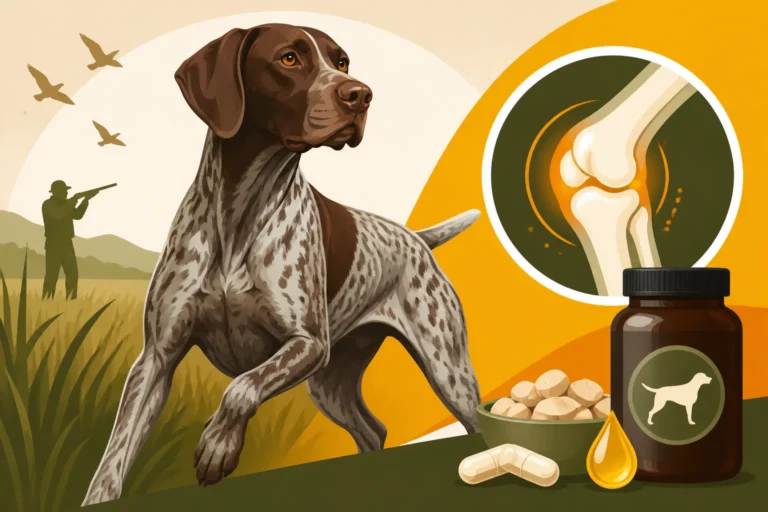
First and foremost, diet is paramount. Ensure your GSP is eating a high-quality, nutritionally complete and balanced dog food appropriate for their life stage and activity level. For highly active GSPs, this often means a performance-oriented kibble with adequate protein and fat. If you're concerned about potential deficiencies, talk to your vet about supplements. Omega-3 fatty acids, often found in fish oil supplements, are fantastic for skin and coat health, reducing inflammation and promoting a healthy sheen. You can learn more about the benefits in Fish Oil for a German Shorthaired Pointer's Skin. Zinc supplements might be recommended by your vet if a deficiency is suspected or diagnosed. Regularly assessing The Body Condition a Field Shorthair Should Carry can also give you clues about their overall nutritional status.
Regular grooming, even for a short-coated breed like a GSP, is beneficial. Brushing helps distribute natural skin oils, removes loose hair, and allows you to inspect their skin for any new lumps, bumps, or irritations. While GSPs don't need frequent bathing, occasional baths with a gentle, moisturizing shampoo can help maintain skin health. Stress can also impact a dog's immune system and overall health, including their coat. Ensuring your GSP gets plenty of exercise, mental stimulation, and a consistent routine can contribute to their well-being. Additionally, keeping up with routine preventive care, including parasite control, is essential. While not directly related to flank alopecia, even seemingly minor details like ensuring How Often a German Shorthaired Pointer's Nails Need Trimming can contribute to their overall comfort and health, reducing self-trauma from itching or discomfort. Being prepared for potential health issues with robust pet insurance, like the comprehensive plans offered by Healthy Paws, can ensure you can always provide the best care without financial stress.
Disclaimer
This article is intended for informational purposes only and does not constitute veterinary advice. Always consult with a qualified veterinarian for any health concerns or before making any decisions about your German Shorthaired Pointer's care or treatment. Individual results may vary, and what works for one dog may not work for another.