Von Willebrand Type Two in German Shorthaired Pointers
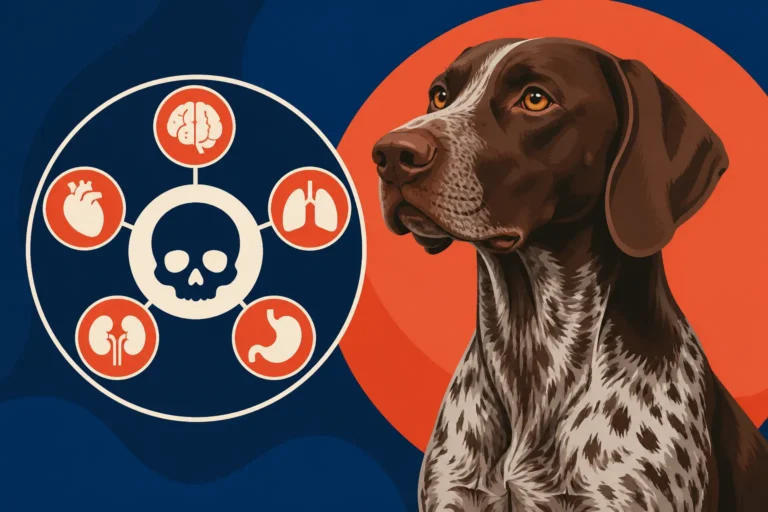
It's absolutely terrifying when your beloved German Shorthaired Pointer starts showing signs of unusual bleeding, whether it's a persistent nosebleed, bruising after a minor bump, or excessive blood loss after a routine procedure. Many of us have been there, wondering what's wrong and how to help our active companions. This guide is here to shed light on Von Willebrand Type Two, a specific bleeding disorder that can affect our wonderful GSPs, helping you understand what it is, how to spot it, and what steps you can take.
Understanding Von Willebrand Disease Type Two in German Shorthaired Pointers
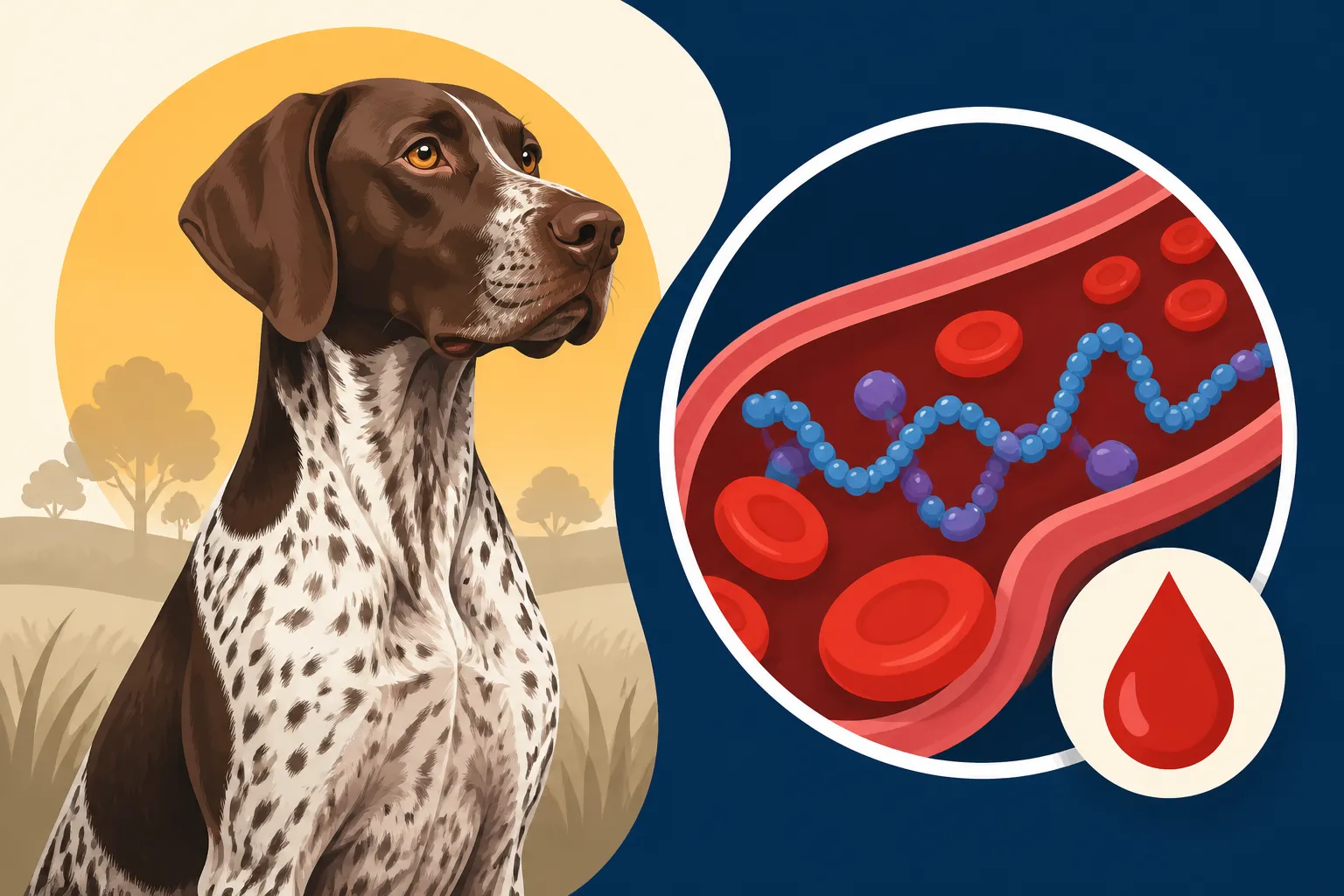
Von Willebrand Disease, often shortened to VWD, isn't just one simple condition; it's a group of inherited bleeding disorders caused by a deficiency or defect in Von Willebrand factor (vWF). This factor is a crucial protein that helps blood clot by facilitating platelet adhesion and carrying Factor VIII, another important clotting protein. Think of vWF as the glue that helps stop bleeding. Without enough of it, or if it's not working correctly, your dog's blood struggles to form a stable clot, leading to prolonged or excessive bleeding.
In German Shorthaired Pointers, specifically, we often see Von Willebrand Type Two. This isn't just a simple lack of the factor; it's more insidious. With Type Two, the dog produces a reduced amount of Von Willebrand factor, but critically, the factor that is produced is structurally abnormal or dysfunctional. This means even the VWF that's present isn't doing its job properly. It's like having a bottle of glue, but the glue is old and barely sticky – it’s there, but it won’t hold things together. This distinction is vital because Type Two tends to cause more severe clinical signs than Type One, which is merely a quantitative reduction of a normal factor.
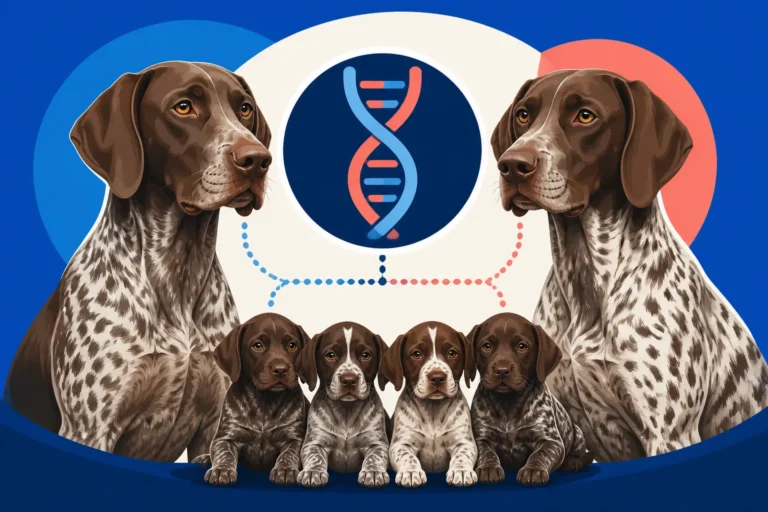
The genetic basis for this condition is autosomal recessive, meaning a dog needs to inherit two copies of the defective gene (one from each parent) to be clinically affected. Dogs that inherit only one copy are carriers and typically don't show symptoms themselves, but they can pass the gene on to their offspring. This is why responsible breeding practices, including careful genetic testing, are so crucial in preventing the spread of this serious condition. It truly highlights the importance of knowing your dog's lineage and understanding The Bleeding Disorder in German Shorthaired Pointer Lines.
How Von Willebrand Factor Works in Clotting
To really grasp why Type Two is such a concern, it helps to understand the normal clotting process. When your GSP gets a cut or bruise, their body immediately springs into action. First, blood vessels constrict to reduce blood flow. Then, platelets, which are tiny cell fragments, rush to the injury site and start to stick together, forming a temporary plug. This is where Von Willebrand factor comes in. It acts as a bridge, helping these platelets adhere both to the injured blood vessel wall and to each other. It also protects Factor VIII, another critical clotting protein, from being broken down too quickly.
In Type Two VWD, because the vWF is dysfunctional, this initial platelet plug is often weak and unstable. The platelets might not stick effectively, or the plug might easily dislodge. This means even minor injuries can lead to significant blood loss. Imagine trying to patch a leaky hose with tape that barely sticks; it might hold for a moment, but the pressure will eventually win, and the leak will continue. This inadequate initial clotting then makes the secondary, more robust clotting cascade (which involves Factor VIII) less effective, further complicating the issue.
The Severity of Type Two Versus Other VWD Types
While there are three main types of Von Willebrand Disease (Type One, Type Two, and Type Three), Type Two is generally considered more severe than Type One and less severe than Type Three. Type One, common in breeds like Doberman Pinschers, involves a mild to moderate quantitative deficiency of otherwise normal vWF. Dogs with Type One might experience issues with surgery or major trauma, but often live relatively normal lives with careful management.
Type Three is the most severe, characterized by a near-complete absence of Von Willebrand factor. Dogs with Type Three often suffer from spontaneous, severe bleeding episodes, which can be life-threatening. Thankfully, Type Three is rarer in GSPs.
For German Shorthaired Pointers with Type Two VWD, the challenge lies in the qualitative defect. Even though some vWF is present, its inability to function correctly means bleeding can be quite significant and difficult to control. It's not just about how much glue you have, but how good that glue is. This is why a GSP with Type Two might experience more pronounced bleeding issues than a dog with Type One, even if their quantitative vWF levels appear somewhat similar. It's a condition that demands careful attention and proactive management to ensure your dog's safety and quality of life.
Recognizing the Signs of Von Willebrand Type Two Bleeding
Spotting the signs of Von Willebrand Type Two can be tricky, especially in a breed as active and tough as the German Shorthaired Pointer. These dogs are built to run through cover, hunt hard, and shrug off minor bumps and scrapes. But what looks like a normal scratch might turn into a concerning, prolonged bleed if VWD is at play. As their owner, you're the first line of defense, so knowing what to look for is absolutely crucial. When you consider A German Shorthaired Pointer That Bleeds Too Long, the underlying cause could very well be VWD.
Common Bleeding Episodes to Watch For
The most common signs of VWD Type Two usually involve mucous membrane bleeding. These are the moist tissues in your dog's body, like their nose, gums, or gastrointestinal tract. Here are some specific issues to be vigilant about:
- Nosebleeds (Epistaxis): This is a classic symptom. If your GSP starts having frequent or prolonged nosebleeds, especially without obvious trauma, it's a red flag. A normal nosebleed should subside fairly quickly with direct pressure, but one related to VWD might just keep trickling, or stop only to restart a short while later.
- Bleeding Gums: You might notice this during brushing, or even spontaneously. A GSP might also bleed more than expected after losing a baby tooth or having a dental procedure.
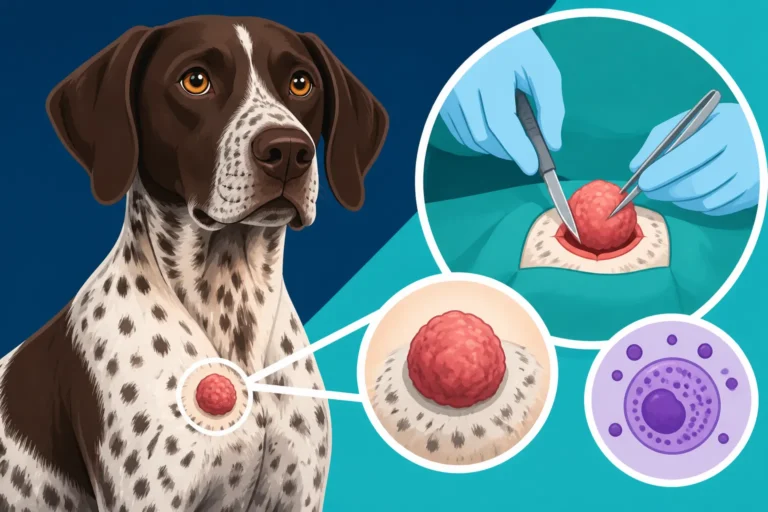
- Bruising and Hematomas: While all dogs can get bruises, those with VWD Type Two might develop unusually large, deep, or easily formed bruises (hematomas) from seemingly minor impacts. A casual bump against furniture that normally wouldn't leave a mark could result in a significant black-and-blue area.
- Prolonged Bleeding from Cuts or Scratches: A small nick from a thorn or a minor paw pad cut that would normally stop bleeding in a few minutes could continue to ooze for much longer. This can be particularly concerning for a hunting GSP that frequently encounters rough terrain.
- Bloody Stool or Vomit: This indicates internal bleeding within the gastrointestinal tract. Blood in the stool might appear bright red if it's from the lower GI, or dark and tarry (melena) if it's from higher up. Vomit might contain fresh blood or look like coffee grounds.
- Excessive Bleeding During Surgery or Procedures: This is often when VWD is first suspected. Routine surgeries like spays or neuters, or even minor procedures like nail trims, can lead to uncontrolled hemorrhage. This highlights why Testing a German Shorthaired Pointer Before a Spay or any surgery is a really smart move.
When to Seek Veterinary Attention Immediately
Any of the above signs warrant a call to your vet, but some situations demand immediate, emergency veterinary attention. Don't wait if you notice:
- Uncontrolled Bleeding: If you can't get bleeding to stop after applying firm pressure for several minutes, or if it's heavy and profuse from any site.
- Weakness or Lethargy: Significant blood loss can lead to anemia, causing your dog to become weak, tired, dizzy, or collapse. Their gums might appear pale.
- Difficulty Breathing: Internal bleeding, particularly into the chest cavity, can impair breathing.
- Distended Abdomen: This could indicate internal abdominal bleeding, which is a life-threatening emergency.
It's easy to dismiss a small bleed as just "being a dog," especially with a tough breed like a GSP. But if you have any lingering doubt, or if the bleeding seems out of proportion to the injury, it's always best to err on the side of caution and consult your veterinarian. Early diagnosis and intervention can make a huge difference in managing this condition.
Diagnosis and Management of VWD Type Two
Getting a diagnosis for Von Willebrand Type Two can be a bit of a process, and frankly, it can be frustrating because the signs aren't always glaringly obvious until a significant bleeding event occurs. Many owners find themselves in the vet's office after a scare, wondering why their seemingly healthy dog suddenly has a severe bleeding issue. The good news is that with proper testing and diligent management, GSPs with VWD Type Two can still live full and happy lives.
Diagnostic Tests for Von Willebrand Disease
Diagnosing VWD Type Two typically involves a combination of tests, starting with suspicion based on clinical signs.
- Buccal Mucosal Bleeding Time (BMBT): This is a simple, quick screening test that assesses platelet function and the initial stages of clotting. A small, standardized incision is made on the inside of the dog's lip, and the time it takes for the bleeding to stop is measured. An abnormally long BMBT suggests a primary hemostasis defect, like VWD. However, it's not specific to VWD and can be affected by other factors or medications.
- Von Willebrand Factor Antigen (vWF:Ag) Assay: This blood test measures the quantity of Von Willebrand factor present in the blood. While Type Two is characterized by dysfunctional vWF, affected dogs will also have reduced levels, though often not as severely reduced as in Type Three. This test helps differentiate between VWD types and other clotting disorders.
- VWF Multimer Analysis (Factor Electrophoresis): This is a more specialized test that looks at the structure of the Von Willebrand factor. Remember how Type Two means the factor is dysfunctional? This test can reveal the abnormal multimeric structure characteristic of Type Two, providing a definitive diagnosis of the type of VWD. It's crucial for confirming Type Two in GSPs.
- Genetic Testing: The most definitive way to diagnose VWD Type Two and to identify carriers is through a DNA test. This test identifies the specific gene mutation responsible for the condition. Many responsible breeders are already using these tests to make informed decisions about their breeding programs, as part of a comprehensive approach that includes Von Willebrand Testing Before a German Shorthaired Pointer Is Bred. This test can be done at any age, even on young puppies, and is highly accurate. Reputable labs like those run by the Orthopedic Foundation for Animals (OFA) offer these panels.
It's important to remember that a dog that is a "carrier" for VWD Type Two, meaning they have one copy of the gene but don't show clinical signs, usually won't bleed abnormally, but they can pass the gene to their puppies. This is what makes genetic testing so vital for breeding animals. Whether a Carrier Shorthair Bleeds Abnormally is a common question, and generally, the answer is no for Type Two, though risks are still managed with a vet.
Treatment and Management Strategies
Once VWD Type Two is diagnosed, the focus shifts to managing bleeding episodes and preventing them where possible. There's no cure for VWD, but effective strategies can help keep your GSP safe.
- Emergency Care for Bleeding Episodes:
- Direct Pressure: For external bleeding (cuts, nosebleeds), applying firm, constant pressure with a clean cloth for at least 5-10 minutes is the first step.
- Blood Transfusions: For severe bleeding or significant blood loss leading to anemia, a transfusion of fresh whole blood or fresh frozen plasma is often necessary. These transfusions provide functional Von Willebrand factor to temporarily improve clotting ability.
- Desmopressin (DDAVP): This synthetic hormone can sometimes be used in Type One VWD to stimulate the release of stored vWF. However, its effectiveness in Type Two VWD is often limited because the existing vWF is already dysfunctional. Your vet will determine if it's an appropriate treatment.
- Antifibrinolytic Drugs: Medications like aminocaproic acid can help stabilize existing clots and prevent their premature breakdown, particularly useful for mucous membrane bleeding.
- Pre-Surgery Management:
- Screening: If your GSP is diagnosed with VWD Type Two, it's absolutely paramount that your vet knows this before any planned surgery or procedure. This proactive approach can literally be life-saving.
- Pre-Transfusion: Before surgery, your dog may receive a transfusion of fresh frozen plasma to temporarily increase functional vWF levels and reduce the risk of excessive bleeding during and after the procedure. This is a critical step, especially given the inherent Bleeding Risk During a German Shorthaired Pointer's Surgery.
- Careful Anesthesia: While not directly related to VWD, good anesthetic protocols are always important. Managing Anesthesia Risk in a Lean German Shorthaired Pointer becomes even more crucial when factoring in a bleeding disorder.
- Long-Term Care and Prevention:
- Minimize Trauma: While you can't bubble-wrap an active GSP, try to minimize situations where they might sustain significant trauma. This means careful supervision during play, especially with other dogs, and being mindful of sharp objects or rough terrain. For hunting dogs, discuss with your vet how to best mitigate risks in the field.
- Avoid Certain Medications: Some medications, particularly NSAIDs (non-steroidal anti-inflammatory drugs) like aspirin or ibuprofen, can interfere with platelet function and exacerbate bleeding. Always consult your vet before giving any over-the-counter medications.
- Regular Veterinary Check-ups: Regular vet visits are important to monitor your dog's overall health and discuss any new bleeding concerns.
- ID Tags/Medical Alert: Consider having an ID tag or a medical alert engraved for your GSP indicating they have VWD, in case of an emergency where you're not present.
- Pet Insurance: The costs associated with emergency care, transfusions, and specialized diagnostic tests can quickly add up. Having a robust pet insurance plan, perhaps with a provider like Healthy Paws, can provide immense peace of mind and help ensure you can afford the best care for your GSP without financial strain. Many owners find that a good policy, like those offered by Healthy Paws, is invaluable when dealing with chronic or emergency health conditions.
By understanding the nature of VWD Type Two and working closely with your veterinarian, you can provide your German Shorthaired Pointer with a high quality of life, even with this challenging inherited condition.
Breeding Considerations and Prevention
For German Shorthaired Pointer enthusiasts and responsible breeders, the topic of Von Willebrand Type Two is incredibly important. This isn't just about managing an affected dog; it's about safeguarding the future health of the breed. Because VWD Type Two is an inherited condition, thoughtful breeding practices are the most powerful tool we have to reduce its prevalence. This means understanding genetics, utilizing available tests, and making informed decisions that prioritize health above all else.
Genetic Testing for Breeding Dogs
The cornerstone of preventing VWD Type Two in future generations is comprehensive genetic testing for all breeding dogs. As we discussed, the condition is autosomal recessive, which means:
- Affected (VWD/VWD): A dog with two copies of the mutated gene will have VWD Type Two and will pass one copy to all of its offspring.
- Carrier (VWD/clear): A dog with one copy of the mutated gene is a carrier. They generally don't show clinical signs themselves, but they can pass the mutated gene to 50% of their offspring.
- Clear (clear/clear): A dog with no mutated genes will not develop VWD Type Two and cannot pass the gene to its offspring.
Genetic testing is a simple, non-invasive process, usually involving a cheek swab or a small blood sample sent to a specialized laboratory. This test identifies whether a dog is clear, a carrier, or affected. It's a critical component of a responsible breeding program, ensuring that breeders are fully aware of the genetic risks they might be passing on.
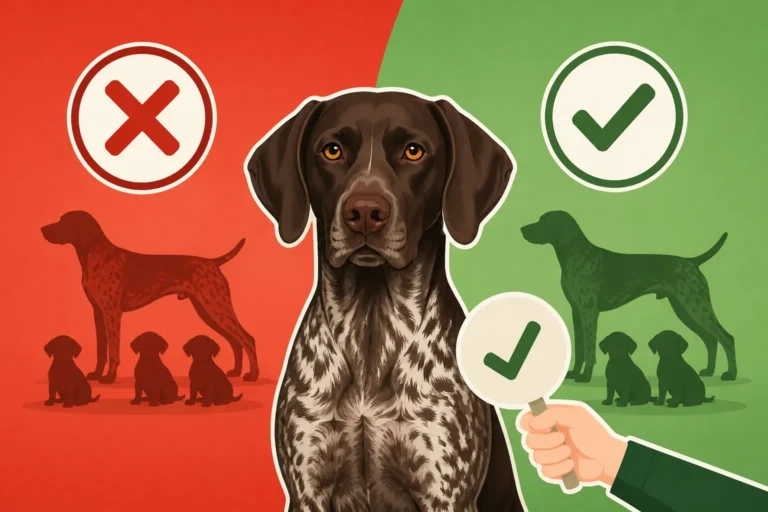
Many breed clubs and health organizations, like the German Shorthaired Pointer Club of America, strongly recommend or even require genetic testing for VWD for all breeding animals. This helps breeders make pairing decisions that avoid producing affected puppies. For example, a "carrier" dog should never be bred to another "carrier" or an "affected" dog, as this guarantees producing affected offspring. They should only be bred to "clear" mates. Genetic testing for VWD is also often one of The Five Tests Behind a German Shorthaired Pointer CHIC Number, which is a prestigious health certification for breeding dogs.
Responsible Breeding Practices to Reduce Incidence
Beyond individual dog testing, responsible breeding involves a broader commitment to the health of the breed. Here’s what that looks like:
- Know Your Lines: Good breeders understand the health history of their dog's pedigree. They aren't just looking at conformation or field titles; they're researching health clearances for ancestors, siblings, and offspring. This deeper knowledge can reveal patterns of health issues, including VWD.
- Transparent Communication: Ethical breeders are open and honest about the health testing they conduct and the results. They should be willing to share genetic test results with prospective puppy buyers. If a breeder is evasive or dismisses the importance of health testing, it's a significant red flag.
- Avoid "Double-Up" Carriers: As mentioned, the cardinal rule for recessive genetic conditions is never to breed two carriers together. Even breeding a carrier to an affected dog (which is rare but possible) is highly irresponsible. The goal is to gradually remove the affected gene from the breeding population without excessively limiting the gene pool.
- Educate Puppy Buyers: Responsible breeders take the time to educate new owners about VWD Type Two, even if their puppy is clear. They provide information about what to watch for, the importance of informing their vet about the breed's predisposition, and the role of pet insurance, like Healthy Paws, in managing unforeseen health costs. This ensures that even if an issue arises later, the owner is prepared.
- Utilize Public Databases: Organizations like the Orthopedic Foundation for Animals (OFA) maintain public databases of health testing results. Breeders can list their dogs' VWD status (alongside hip, elbow, eye, and cardiac clearances), allowing prospective puppy buyers to verify health tests independently. This level of transparency is incredibly valuable.
By adhering to these responsible breeding practices, the German Shorthaired Pointer community can work together to reduce the incidence of Von Willebrand Type Two, ensuring that these active, beloved dogs continue to thrive for generations to come. It’s a collective effort that truly makes a difference in the lives of our four-legged family members.
Disclaimer
This article is intended for informational purposes only and does not constitute veterinary advice. Always consult with a qualified veterinarian for any health concerns or before making any decisions about your German Shorthaired Pointer's health or treatment plan.