What a Shorthair’s Seizure Looks Like the First Time
Witnessing your beloved German Shorthaired Pointer suddenly collapse, convulse, and lose control can be one of the most terrifying experiences for any dog owner. It’s a moment of sheer panic, confusion, and helplessness that leaves you reeling. This guide aims to demystify what a seizure looks like in a German Shorthaired Pointer, providing clear insights into the different phases and crucial steps you can take to help your companion.
The Sudden, Disorienting Onset of a Seizure
A seizure isn't just a random event; it's often a complex neurological phenomenon that typically follows a pattern, even if it feels completely unpredictable in the moment. Understanding these stages can help you better identify what's happening and provide your veterinarian with crucial details. It's important to remember that while terrifying, many GSPs can live full, happy lives even with a seizure disorder once it's properly managed.
Pre-Ictal Phase The Aura
Before the actual seizure activity begins, many German Shorthaired Pointers will experience what's known as the "pre-ictal" phase, or aura. This can be subtle and easily missed, especially if you're not constantly observing your dog. Think of it as a warning sign, though your dog might not even be consciously aware of it. They might seem restless, anxious, or unusually clingy, seeking out comfort from you more than usual.
Some GSPs might display unusual behaviors like excessive licking, pacing, drooling, or staring blankly into space. I once had a client whose GSP, Maggie, would always start nudging her hand relentlessly for about five minutes before a seizure, something she never did otherwise. Other dogs might whine, tremble, or appear disoriented, even though they haven't started convulsing yet. Paying close attention to these minor shifts in behavior can sometimes give you a precious few moments to prepare, such as moving them to a safer, padded area. If you're wondering What Sets Off a Shorthair's Seizures, these pre-ictal signs can sometimes be triggered by external factors or specific times of day.
Ictal Phase The Seizure Itself
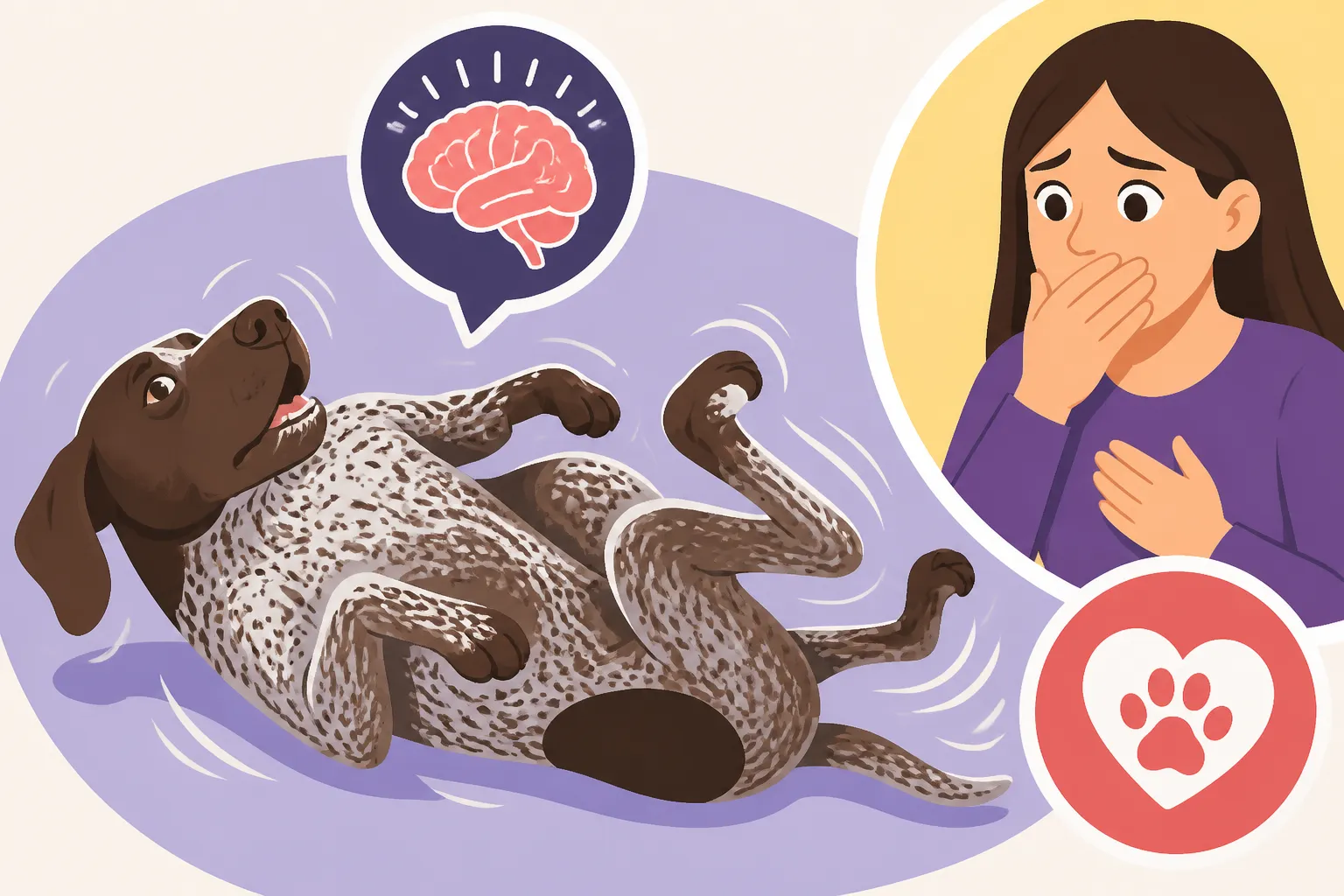
This is the phase most people associate with a seizure – the actual period of neurological activity. For many German Shorthaired Pointers, especially with generalized seizures, this phase is incredibly dramatic and distressing to witness. Your GSP might suddenly collapse, losing consciousness. Their body could stiffen, becoming rigid, often followed by involuntary muscle contractions, commonly described as "paddling" of the limbs. It looks exactly like they're trying to run or swim but are lying on their side.
During this ictal phase, you'll likely see other alarming signs: champing or chomping of the jaw, excessive salivation (often frothing at the mouth), and frequently, loss of bladder and/or bowel control. It’s a messy and frightening scene. While a generalized seizure typically lasts between one to three minutes, it will feel like an eternity. It’s critical to remember that during this time, your dog is unconscious and not in pain, though it appears they are struggling immensely. Do not attempt to restrain them or put your hands in their mouth, as they could inadvertently bite you.
Beyond generalized seizures, German Shorthaired Pointers can also experience focal seizures, sometimes called partial seizures. These are often less dramatic but no less serious. Your GSP might exhibit twitching in one part of their body, like a leg or an eyelid, or engage in repetitive, unusual behaviors like "fly-biting" (snapping at invisible flies), excessive licking, or staring into space with glazed eyes. They might remain somewhat conscious or appear dazed. These subtle forms can be harder to identify as seizures, but any repetitive, uncontrollable behavior warrants veterinary investigation.
Understanding the Aftermath: The Post-Ictal Period
Just as crucial as recognizing the seizure itself is understanding what happens immediately afterward. The post-ictal phase is the recovery period, and it can be just as disorienting for your GSP as the seizure was terrifying for you.
Immediate Post-Seizure Behavior
Once the convulsing stops, your German Shorthaired Pointer won't immediately snap back to their normal self. This recovery period, known as the post-ictal phase, can last anywhere from a few minutes to several hours, sometimes even a full day. During this time, your GSP will likely be disoriented, confused, and may exhibit a range of unusual behaviors. They might pace aimlessly, often bumping into furniture or walls, as temporary blindness or vision impairment is common. They won't recognize you, or at least not clearly, and might even shy away from your touch, appearing frightened or aggressive.
Extreme hunger and thirst are also hallmark signs of the post-ictal phase. Your GSP might frantically seek food or water, consuming them with an urgency you've never seen. They might also appear exhausted, wanting only to sleep deeply. It’s important to give them space and comfort them gently, without overwhelming them. They are not intentionally ignoring you or being naughty; their brain is simply rebooting and recovering from a traumatic event. Knowing what to expect during this phase can help you maintain your calm and provide the necessary support. Owners often worry about their GSP's overall health and ability to continue activities, and if you're concerned about Whether an Epileptic Shorthair Can Keep Hunting, discussing the post-ictal recovery time with your vet is vital.
When to Seek Emergency Veterinary Care
While a single, short seizure (lasting less than 3-5 minutes) that your GSP fully recovers from at home might not always require an immediate emergency vet visit, there are critical situations where you need to act fast. If your German Shorthaired Pointer experiences "status epilepticus," which is a seizure lasting longer than five minutes, or "cluster seizures," meaning two or more seizures within a 24-hour period without a full recovery of consciousness in between, it is a life-threatening emergency. Prolonged seizure activity can lead to hyperthermia, brain damage, and even death if not promptly treated.
In these urgent scenarios, don't hesitate. Call your emergency veterinary clinic immediately to let them know you're on the way. They may instruct you on how to best transport your dog safely. Even if the seizure was short and your GSP seems to recover well, it's always wise to contact your regular veterinarian. They can advise you on whether an immediate appointment is needed or if observation at home is sufficient. This initial episode often marks the beginning of a diagnostic journey to understand the underlying cause. Regular vet check-ups are always a good idea for any GSP, and understanding The Vet Schedule a Working Shorthair Should Keep can help prevent many health issues.
What to Do When Your GSP Has a Seizure
The initial shock of a seizure can paralyze an owner, but having a plan can empower you to act effectively and keep your GSP safe. Your quick, calm actions can make a significant difference during and after the event.
Keeping Your Dog Safe During a Seizure
The absolute first thing you must do when your German Shorthaired Pointer has a seizure is to remain calm, as difficult as that may seem. Your panic won't help your dog, and it can hinder your ability to think clearly. Immediately look at your watch or phone and note the exact start time of the seizure. This timing is incredibly important for your veterinarian. Then, quickly assess the immediate environment around your dog.
Gently move any furniture, sharp objects, or anything else your GSP could hit or injure themselves on during the involuntary movements. If they are near stairs or a hard, unprotected surface, try to shield their head with a pillow or blanket, being careful not to obstruct their breathing. It’s a natural instinct to want to comfort them, but during the actual seizure, they are unconscious and won't respond to you. Crucially, never put your hands or any object in your dog's mouth. Despite the myth, dogs cannot swallow their tongues, and attempting to pry open their jaw could result in a severe bite to you or further injury to your dog. Focus on creating a safe space and observing without interfering.
After the Seizure: Comfort and Observation
Once the active seizure has stopped and your GSP enters the post-ictal phase, your role shifts to providing comfort and continuing careful observation. Speak to your dog in a soft, reassuring voice, but avoid loud noises or sudden movements that could startle them further. Dim the lights and try to create a quiet, calm environment. If they are pacing or disoriented, gently guide them away from obstacles, but let them move on their own terms if they can. Offer a small amount of water once they appear coherent enough to drink safely, but don't force it.
It's absolutely essential to continue documenting everything you observe. Record the exact duration of the seizure, including the pre-ictal and post-ictal phases if you noticed them. Write down a detailed description of what you saw: did they paddle all four legs or just one? Did they lose bladder control? What were their eyes doing? How long did the disorientation last? This meticulous record-keeping is invaluable for your vet to diagnose the type of seizure and plan treatment. This log, along with the vet bills, is precisely why many pet owners find peace of mind with insurance providers like Healthy Paws. Having comprehensive notes on Seizure Disorders Recorded in Shorthair Lines can also give your vet a genetic context.
| Action Item | During the Seizure | After the Seizure (Post-Ictal) |
|---|---|---|
| Stay Calm | Critical for effective action. | Maintain a calm demeanor to soothe your dog. |
| Time the Seizure | Note start and end times accurately. | Note duration of disorientation and recovery. |
| Ensure Safety | Move objects away, cushion head (do not restrain or touch mouth). | Guide gently if disoriented, provide quiet space. |
| Observe & Document | Note specific behaviors (paddling, drooling, vocalizations, loss of control). | Note disorientation, pacing, thirst/hunger, recovery time. |
| Do NOT | Put hands in mouth, yell, try to stop the seizure. | Overwhelm with attention, force food/water. |
| Contact Vet | Immediately if seizure > 5 mins or multiple seizures occur. | Call for advice, schedule appointment to discuss the episode. |
| Provide Comfort | N/A (dog is unconscious). | Soft voice, dim lights, quiet space, offer water if appropriate. |
The Path Forward: Diagnosis and Management
Once the immediate crisis has passed, the real work of understanding and managing your GSP's condition begins. This is a journey you'll undertake with your veterinarian, who will guide you through diagnosis and potential treatment plans.
Initial Veterinary Examination and Diagnostics
After your German Shorthaired Pointer experiences their first seizure, a thorough veterinary examination is paramount. Your vet will want to perform a comprehensive physical and neurological exam to look for any abnormalities. Beyond that, a standard battery of diagnostic tests is usually recommended to try and identify any underlying causes. This typically includes a full blood panel (Complete Blood Count and Chemistry Profile) to check organ function, particularly the liver and kidneys, and to rule out metabolic imbalances or toxins that could trigger seizures. A urinalysis might also be performed. Sometimes, endocrine disorders, such as Thyroid Failure in a Middle Aged German Shorthaired Pointer, can manifest with neurological symptoms, so thyroid testing may be included.
If these initial tests come back normal, and especially if your GSP is between six months and five years old (a common age for onset), idiopathic epilepsy, meaning seizures with no identifiable cause, might be suspected. However, your vet will still want to rule out other possibilities like brain tumors, inflammation, or infections. This could involve more advanced diagnostics such as magnetic resonance imaging (MRI) of the brain or a cerebrospinal fluid (CSF) tap. These tests provide a detailed look at the brain's structure and can detect issues not visible on basic blood work. While these advanced diagnostics can be expensive, many pet insurance plans, like those offered by Healthy Paws, can help alleviate the financial burden of such extensive investigations. Knowing what Bloodwork Worth Running on an Older Shorthair includes can also be helpful for general preventative care.
Treatment Options and Long-Term Care
If a treatable underlying cause for the seizures is found, the focus will be on addressing that specific issue. However, if idiopathic epilepsy is diagnosed, or if the underlying cause is not curable, the goal shifts to managing the seizures with medication. The decision to start anti-seizure medication is not always immediate and depends on the frequency, severity, and duration of the seizures. For instance, if a GSP has only one very mild seizure every six months, medication might not be recommended right away. However, if they are having frequent or severe episodes, medication is crucial.
Commonly prescribed anti-seizure medications include phenobarbital, potassium bromide, and newer drugs like Levetiracetam (Keppra) or Zonisamide. These medications work by stabilizing electrical activity in the brain to reduce the likelihood and severity of seizures. Your veterinarian will determine the appropriate medication and dosage, often starting low and gradually increasing until the seizures are controlled. It's a process that requires patience, as it can take time to find the right balance for your individual dog. Like Medicating a Hypothyroid German Shorthaired Pointer, consistency is key; you must administer these medications exactly as prescribed, without missing doses, to maintain stable drug levels in your dog's system. Regular blood tests will be necessary to monitor drug levels and assess liver and kidney function, as some medications can have side effects on these organs.
Living with an Epileptic German Shorthaired Pointer
Receiving a diagnosis of epilepsy for your German Shorthaired Pointer can feel overwhelming, but it's important to remember that many dogs with epilepsy live long, happy, and fulfilling lives with proper management. Your routine will likely need some adjustments to ensure consistency in medication schedules and to minimize potential triggers. Stress reduction is often a key component, as stress can sometimes precipitate seizures in susceptible dogs. Maintaining a predictable daily schedule, providing ample but not excessive exercise, and ensuring a calm home environment can all contribute to their well-being.
It’s crucial to understand that while medication can significantly reduce the frequency and severity of seizures, it may not completely eliminate them. The goal is often to achieve good control, meaning fewer, milder seizures. You'll become an expert observer, noting any changes in behavior or potential pre-ictal signs. Keep open lines of communication with your vet, reporting any new seizures or changes in your GSP's condition promptly. With dedication and consistent care, your epileptic German Shorthaired Pointer can still enjoy a wonderful life. They might even continue to be a fantastic companion, though activities like field work might need careful consideration; for more on that, you might want to look into Whether an Epileptic Shorthair Can Keep Hunting. Ultimately, ensuring their comfort and health will help them live out The Twelve to Fourteen Years a German Shorthaired Pointer Gets to the fullest.
Disclaimer
The information provided in this guide is intended for general educational purposes only and should not be considered a substitute for professional veterinary advice. Always consult with a qualified veterinarian for any health concerns or before making any decisions related to your German Shorthaired Pointer's medical care.