Dental Disease in a Middle Aged German Shorthaired Pointer
It's incredibly frustrating and often heartbreaking when our vibrant, middle-aged German Shorthaired Pointers, who still act like puppies, start to show signs of slowing down or discomfort. One of the sneakiest issues that can silently impact their quality of life, often going unnoticed until it's quite advanced, is dental disease. This comprehensive guide aims to peel back the layers on canine dental health, specifically for our active German Shorthaired Pointers, helping you understand the subtle symptoms, prevention strategies, and treatment options to keep their smiles healthy and their spirits high.
Why Dental Disease is So Common and Sneaky in Middle-Aged GSPs
As our beloved German Shorthaired Pointers mature into their middle years, typically around ages five to seven, their bodies change in various ways. While we often focus on joint health or energy levels, the silent progression of dental disease can be easily overlooked. It's not just about bad breath; it's a painful condition that affects their overall well-being.
The Natural Build-Up of Plaque and Tartar
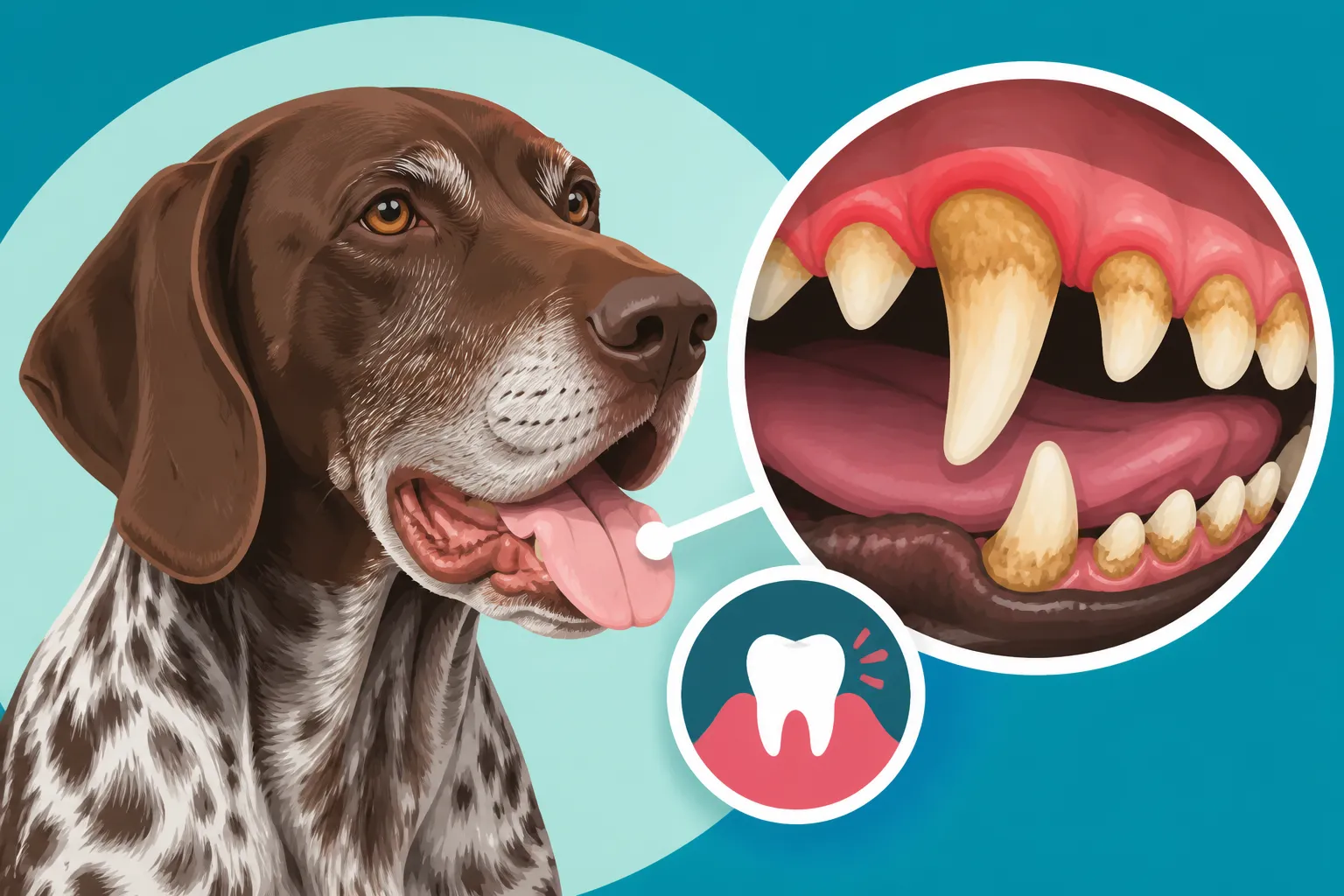
Think about your own teeth: imagine if you never brushed them. That's essentially what happens to many dogs. Over time, bacteria, food particles, and saliva mix to form a sticky film called plaque on their teeth. If not removed, this plaque hardens into tartar (or calculus), which is a rough, porous substance that adheres strongly to the tooth surface. This build-up acts as a breeding ground for more bacteria, irritating the gums and leading to inflammation.
For GSPs, who are often enthusiastic chewers or even those who don't get regular dental care, this process can accelerate. Their diet can also play a role; softer, wet foods tend to stick to teeth more than certain types of kibble or dental-specific diets that help scrape away plaque. Unfortunately, our dogs can't tell us their teeth hurt, and their instinct is often to hide pain, especially if it means they might miss out on a hunt or a run.
The Progression from Gingivitis to Periodontal Disease
Once tartar begins to form, it starts to push against the gum line, creating pockets where more bacteria can flourish. This initial stage is known as gingivitis, characterized by inflamed, red, and sometimes bleeding gums. At this point, the damage is reversible with a professional dental cleaning. However, if left untreated, the inflammation spreads deeper, infecting the ligaments and bone supporting the teeth. This is full-blown periodontal disease, and it's far more serious.
Periodontal disease leads to irreversible damage, causing tooth mobility, pain, and eventually tooth loss. Imagine trying to eat or retrieve a bird with a toothache that never goes away. Beyond the mouth, these oral bacteria can enter the bloodstream and spread to vital organs, potentially causing serious health issues for their heart, kidneys, and liver. It’s a sobering thought, but it highlights why proactive dental care is so crucial for our middle-aged GSPs, who we want to keep healthy and active for as long as possible.
Spotting the Subtle Signs of Dental Trouble in Your Energetic Shorthair
German Shorthaired Pointers are stoic by nature, especially when it comes to pain. They are driven, focused dogs, and it often takes a keen eye to notice when something is amiss. Dental pain, in particular, can be incredibly subtle, masked by their inherent desire to please and participate in activities.
Changes in Eating Habits or Mouth Sensitivity
One of the first, yet often overlooked, signs of dental disease is a change in how your GSP eats. They might suddenly be less enthusiastic about their kibble, even if it's their favorite. You might notice them chewing more slowly, or favoring one side of their mouth. Sometimes, they'll drop food, or refuse hard treats and toys they once adored. A dog with advanced dental pain might even go to their bowl, look at it longingly, and then walk away, still hungry but unable to tolerate the discomfort of eating.
It's not uncommon for owners to first notice excessive drooling or a dog pawing at their mouth more frequently. If your GSP suddenly becomes sensitive when you touch their muzzle or tries to pull away when you attempt to look inside their mouth, that's a huge red flag. This isn't just behavioral; it's often a direct indication of pain and discomfort. Any such changes, even minor ones, warrant a closer look by your veterinarian.
Unpleasant Odor and Visible Oral Changes
Let's be honest, dog breath isn't usually minty fresh. But if your GSP's breath has taken a turn for the truly foul, a smell often described as rotten or putrid, that's a strong indicator of bacterial overgrowth and infection in their mouth. This isn't just a cosmetic issue; it's a sign that their oral health is in decline. Many people shrug it off as "just dog breath," but it's really a symptom of an underlying problem.
Beyond the smell, a visual inspection can reveal a lot, though it can be tricky with an uncooperative dog. Look for yellow or brown tartar buildup on the teeth, especially the molars and canines. Their gums might appear red, swollen, or even bleed when touched. In more severe cases, you might notice missing teeth, loose teeth, or even pus around the gum line. Sometimes, a facial swelling can indicate an abscessed tooth, often affecting the upper fourth premolar and causing swelling below the eye. Don't dismiss these signs; they're your GSP's way of silently asking for help.
The Stages of Periodontal Disease and What They Mean
Understanding the stages of periodontal disease can help you grasp the seriousness of the issue and what kind of treatment your GSP might need. It's not a sudden onset problem; it’s a gradual decline in oral health that escalates over time.
From Healthy Gums to Early Inflammation
A healthy GSP's mouth should have clean, white teeth with pink, firm gums that fit snugly around each tooth. There shouldn't be any foul odor, redness, or swelling. Stage 0 is ideal – pristine oral health. However, as plaque and tartar begin to accumulate, we enter Stage 1. This is characterized by gingivitis, where the gums become inflamed and red, but there’s no significant attachment loss of the gum to the tooth. Bleeding may occur easily.
At this early stage, the damage is still reversible with professional cleaning and diligent home care. A routine dental examination by your vet can identify gingivitis before it progresses. Many vets will recommend a dental cleaning under anesthesia to remove the plaque and tartar above and below the gum line, followed by at-home brushing to maintain oral hygiene. This is the easiest and least invasive time to intervene, saving your GSP from potential pain and more extensive procedures later.
Moderate to Advanced Periodontal Disease
If gingivitis is left unchecked, it progresses to Stage 2, which involves early periodontitis. Here, in addition to red, swollen gums, there's a small amount of attachment loss, typically less than 25%. This means the gums have started to recede slightly, creating shallow pockets around the teeth where bacteria can hide and multiply. Your GSP might start to show more noticeable signs of discomfort, like bad breath or a reluctance to chew hard items.
Stage 3, moderate periodontitis, sees 25-50% attachment loss, with deeper pockets and potential bone loss. Teeth may become slightly loose, and there's often chronic pain and infection. At this stage, extractions might be necessary, alongside thorough cleaning and root planing. Finally, Stage 4, advanced periodontitis, involves over 50% attachment loss, severe bone loss, significant tooth mobility, and often pus discharge and severe pain. By this point, multiple extractions are usually required, and the dog is likely suffering considerably. It’s a painful reality, but early detection is truly the key to preventing such severe outcomes.
Here’s a quick overview of the stages:
| Stage | Description | Key Characteristics | Treatment Approach |
|---|---|---|---|
| 0 | Healthy | Pink gums, no plaque/tartar, no odor | Routine home care |
| 1 | Gingivitis | Red, swollen gums, some plaque/tartar, reversible | Professional cleaning, home care |
| 2 | Early Periodontitis | Gingivitis, <25% attachment loss, shallow pockets | Professional cleaning, possibly antibiotics, home care |
| 3 | Moderate Periodontitis | 25-50% attachment loss, deeper pockets, bone loss, pain | Professional cleaning, extractions, antibiotics, ongoing care |
| 4 | Advanced Periodontitis | >50% attachment loss, severe bone loss, loose teeth, pus | Multiple extractions, pain management, long-term support |
Proactive Dental Care and Professional Interventions for Your GSP
When it comes to dental health for our German Shorthaired Pointers, being proactive is far better than reactive. It saves them pain and saves us significant veterinary bills down the line. A combination of at-home care and regular professional check-ups is the winning formula.
Daily Home Care Practices
The gold standard for at-home dental care is daily tooth brushing. Yes, daily! While it might sound daunting with a high-energy GSP, starting young and making it a positive experience can make a world of difference. Use a dog-specific toothbrush and toothpaste – never human toothpaste, as it contains ingredients toxic to dogs. Focus on the outside surfaces of the teeth, especially the upper molars where plaque tends to accumulate fastest. Even brushing a few teeth for a minute each day can significantly reduce plaque buildup.
Beyond brushing, there are other tools that can help. Dental chews and treats specifically designed to reduce plaque and tartar can be beneficial. Look for products that carry the Veterinary Oral Health Council (VOHC) seal, indicating they meet standards for effectiveness. Water additives that inhibit bacterial growth can also be part of a comprehensive routine. Remember, these are supplements to brushing, not replacements. Regular chewing on appropriate, safe chew toys can also provide some mechanical cleaning. For instance, a durable Kong toy stuffed with frozen peanut butter or a puzzle feeder that encourages licking and gnawing can promote oral health and keep their mind busy, too!
The Importance of Professional Dental Cleanings
Even with the most diligent home care, most German Shorthaired Pointers will eventually need professional dental cleanings. These cleanings are performed under general anesthesia, which allows your veterinarian to thoroughly examine every tooth, probe for gum pockets, and scale away plaque and tartar above and below the gum line. X-rays are crucial during these procedures, as much of the disease happens beneath the gum line, invisible to the naked eye. Things like bone loss, abscesses, or un-erupted teeth can only be seen with X-rays.
Anesthesia for a lean German Shorthaired Pointer can sometimes cause concern, but modern veterinary anesthesia protocols are very safe. Your vet will conduct pre-anesthetic bloodwork to ensure your GSP is healthy enough for the procedure and tailor the anesthetic plan to their specific needs. For some GSPs, especially those prone to The Bloat Risk a Shorthair Carries Into Every Season, the vet might recommend a pre-surgical gastropexy at the same time, if applicable and desired. These comprehensive cleanings allow your vet to address issues like extractions of painful teeth or advanced periodontal treatments, giving your GSP a fresh start to better oral health.
Managing the Costs of GSP Dental Health
The reality is that veterinary care, especially specialized procedures like dental cleanings and extractions, can be costly. This can be a significant concern for many GSP owners, but neglecting dental health can lead to even more expensive problems down the road.
Understanding the Costs Involved
A routine professional dental cleaning, including anesthesia, scaling, polishing, and oral radiographs, can range from a few hundred dollars to well over a thousand, depending on your location and the clinic. If extractions are needed, the cost increases significantly, often by several hundred dollars per tooth, especially for complex removals that require surgical expertise and sutures. Antibiotics and pain medication post-procedure will also add to the bill. It's a significant investment, but it's an investment in your GSP's comfort and long-term health.
Many pet owners are caught off guard by these costs because they assume dental care is less critical than other health issues. However, the discomfort and potential systemic health problems caused by neglected dental disease are very real. It’s why regular check-ups and open communication with your vet about your GSP's The Vet Schedule a Working Shorthair Should Keep are so important; early intervention is always less expensive and less invasive.
Pet Insurance and Other Financial Planning
This is where pet insurance can truly shine. Many pet insurance plans, like those offered by Healthy Paws, will cover a significant portion of unexpected dental procedures, especially if they are due to accident or illness rather than routine cleaning. While routine cleanings might not always be covered, or only partially through wellness add-ons, severe periodontal disease requiring extractions often falls under covered treatments. If you have pet insurance through providers like Healthy Paws, it's worth checking your policy details regarding dental care coverage and deductibles.
Even without insurance, there are ways to plan for these expenses. Many clinics offer payment plans, or you can look into financing options like CareCredit. Setting aside a dedicated savings fund each month specifically for your GSP's healthcare needs can also alleviate the financial stress when a dental procedure becomes necessary. Don't let financial concerns prevent your GSP from getting the care they need. Discuss your options openly with your veterinarian's office, as they often have resources or suggestions to help make necessary treatments more manageable.
Beyond the Teeth: Systemic Impact of Poor Oral Health
It’s easy to think of dental disease as just a problem in the mouth, but the reality is far more serious. A diseased mouth is a gateway for bacteria to enter the bloodstream, impacting vital organs throughout your German Shorthaired Pointer's body.
Heart, Kidney, and Liver Health Connections
When bacteria from infected gums and teeth enter the bloodstream, they don't just stay there. They travel, and often find places to set up new infections or exacerbate existing conditions in organs like the heart, kidneys, and liver. For example, bacterial endocarditis, an infection of the heart valves, has been linked to severe dental disease. This is a critical concern, especially for middle-aged GSPs who might already be predisposed to certain cardiac issues or developing age-related organ changes.
Regular veterinary check-ups, which might include Yearly Bloodwork Costs on a Shorthair, can sometimes pick up on early signs of organ stress, but addressing the root cause, like dental infection, is paramount. Imagine a dog with a slight heart murmur; adding a constant stream of bacteria from their mouth into their circulatory system puts immense strain on an already compromised organ. It's a cascading effect that can silently undermine their health and shorten their vibrant lifespan.
The Link to Diabetes Management
For GSPs, like humans, good oral hygiene can also play a role in managing metabolic conditions. While not as common as in some other breeds, if your German Shorthaired Pointer were to develop diabetes, untreated dental disease could make it incredibly difficult to control blood glucose levels. Inflammation and infection in the mouth can lead to insulin resistance, making diabetic management a constant uphill battle.
This connection highlights the holistic nature of veterinary medicine. Every part of their body is interconnected. A healthy mouth contributes to a healthy body, plain and simple. Ensuring your GSP has good oral health means you’re not just preventing tooth loss; you’re actively contributing to the health of their entire system, including their heart, kidneys, liver, and potentially even their ability to maintain stable blood sugar. It's an often-underestimated aspect of their overall well-being.
Disclaimer
This article is intended for informational purposes only and does not constitute veterinary advice. Always consult with a qualified veterinarian for any health concerns or before making any decisions about your German Shorthaired Pointer's care.