Ninety Minutes of Real Exercise for a Shorthair
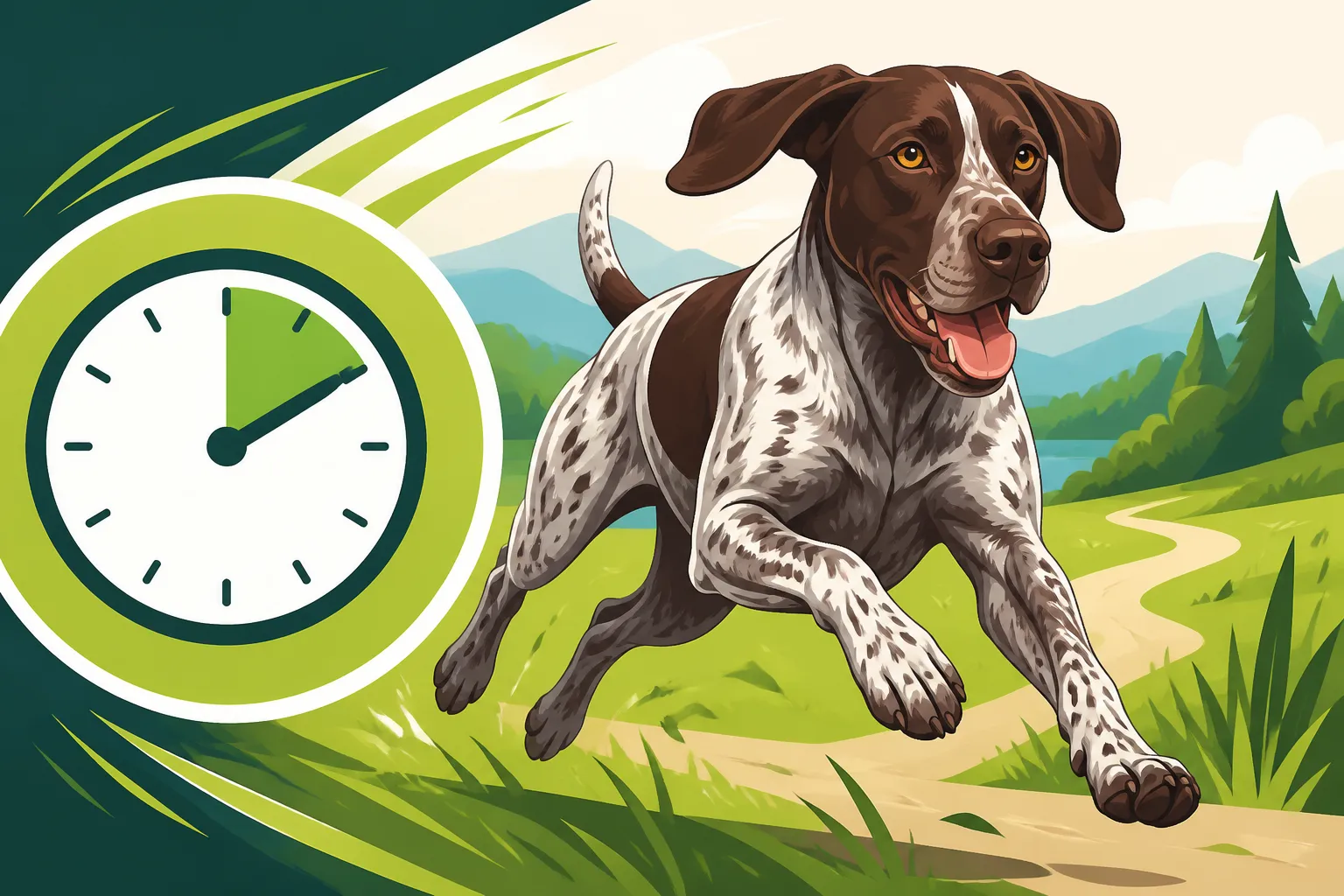
One of the biggest struggles I hear from German Shorthaired Pointer owners is the sheer, boundless energy their dogs possess. It's not enough to just open the back door; these aren't your average couch potatoes. Many think a quick walk or a trot around the yard is "enough," only to find their Shorthair still bouncing off the walls, resorting to destructive behaviors out of sheer boredom. This guide is all about diving deep into what "ninety minutes of real exercise" truly means for a German Shorthaired Pointer, moving beyond the superficial to provide practical, high-impact strategies that genuinely tire out these incredible athletes, body and mind.
Why "Ninety Minutes" Isn't Just a Number for a Shorthair
Let's be real, ninety minutes of exercise might sound like a lot to some, but for a German Shorthaired Pointer, it's often the minimum for a truly happy, well-adjusted dog. These dogs were quite literally bred to work all day in the field, covering vast distances, pointing, and retrieving. Their physical and mental makeup demands a significant outlet for that energy. Just like a high-performance sports car isn't meant for puttering around town, a GSP isn't meant for a sedate existence.
Understanding the Breed's Energy Demands
The German Shorthaired Pointer is a powerhouse, a canine athlete built for endurance, speed, and intelligence. They come from a lineage of working dogs, originally developed in Germany to be versatile hunting companions capable of pointing upland birds, tracking game, and retrieving from both land and water. This isn't just a historical footnote; it's etched into their very DNA. When we talk about their energy demands, we're not just talking about a dog that needs to stretch its legs; we're talking about a dog whose entire being is geared towards sustained, high-level activity.
Imagine a professional marathon runner being told to walk around the block twice a day and then sit quietly for the rest of it. That's essentially what many GSPs experience if their exercise needs aren't met. Their genetic predisposition means they have an efficient metabolism, strong muscles, and an inherent drive to do something. It's not a flaw in their personality; it's the very essence of what makes them a German Shorthaired Pointer. They thrive on having a job, and if you don't provide a constructive one, they'll invent their own, which usually isn't to our human liking. Their bodies are engineered for constant motion, and their minds are wired for problem-solving and engagement. Ignoring these fundamental needs is like trying to put a square peg in a round hole – it just won't fit, and everyone ends up frustrated.
The Consequences of Insufficient Exercise
When a German Shorthaired Pointer isn't getting enough physical and mental stimulation, it's not just a little restless. It's often a full-blown canine catastrophe waiting to happen. I've seen it time and again: owners describing their GSP as "hyper," "destructive," or "naughty," when in reality, the dog is simply trying to cope with an unbearable surplus of energy. Picture this: you come home from a long day to find your favorite throw pillow torn to shreds, a crater dug in your backyard that resembles a lunar landscape, or perhaps your counter-surfing champion has just made off with your dinner. These aren't acts of malice; they are symptoms.
A bored GSP will find ways to entertain itself, and those ways almost always involve channeling their energy into something you consider undesirable. Excessive barking, chewing on furniture, digging, jumping on guests, frantic zooming through the house, or even obsessive behaviors like tail chasing can all stem from a lack of appropriate outlets. It's not just about physical havoc either; chronic under-stimulation can lead to anxiety, frustration, and even depression in sensitive dogs. They might become difficult to train, constantly distracted, or seem to "forget" their manners. It’s truly heartbreaking to see a magnificent, intelligent animal reduced to these behaviors simply because its fundamental needs aren't understood or met. It's a prime example of What an Under Exercised Shorthair Does to a House.
The Difference Between "Out" and "Tired"
This is a crucial distinction that so many GSP owners miss. Getting your German Shorthaired Pointer "out" means they've been outside. Maybe they sniffed around the yard, went for a leisurely walk on a leash, or played a bit of fetch in the park. While this is better than nothing, it's usually not enough to get them genuinely "tired." A truly tired GSP isn't just lying down; they're settled. Their breathing is calm, their eyes are relaxed, and they're content to nap deeply or chew a quiet toy.
Being "out" often just scratches the surface of their physical capacity, and does little for their mental needs. A GSP can walk for an hour and still have plenty of gas in the tank to redecorate your living room. A truly effective exercise session for a German Shorthaired Pointer combines high-intensity physical work with mental engagement. It's the difference between a leisurely stroll and a challenging hike with varied terrain and new scents, or a quick game of fetch versus a structured retrieve training session that requires focus and discipline. When your Shorthair is truly tired, you'll see a profound difference in their demeanor. They're more attentive, calmer, less prone to destructive habits, and generally more pleasant to live with. Achieving that deep, contented "tired" state is the goal of those ninety minutes, not just clocking time outside.
High-Intensity Cardiovascular Workouts
For a German Shorthaired Pointer, exercise isn't just about moving; it's about pushing their cardiovascular system. These dogs are built for sustained, high-speed movement over varied terrain. Think of them as endurance athletes who also have bursts of incredible speed. Merely walking isn't going to cut it. We need to tap into that deep well of energy.
Safe Running Companionship
If you're a runner, a German Shorthaired Pointer can be your ultimate running buddy. They love to move, and they love to move fast. However, there are crucial considerations to ensure their safety and joint health. First and foremost, you need to make sure your GSP is physically mature enough for serious running. Generally, waiting until they are at least 12-18 months old is advisable to protect their developing joints. Once they're ready, start slow and build up duration and intensity gradually. Just like a human runner, they need to condition.
Make sure your GSP is always on a leash, especially in public areas or near roads. A good hands-free leash that attaches to a running belt can be a game-changer, allowing you to maintain your stride and form while keeping control. Regularly check their paw pads for wear and tear, especially if you're running on asphalt or gravel. Consider paw balms or even protective boots if the terrain is particularly harsh. Always carry water, for both of you, and stop frequently for breaks, especially on warmer days. Look for shaded trails or soft ground like dirt paths or grassy fields to reduce impact on their joints. Running with your Shorthair isn't just great physical exercise; it's an incredible bonding experience. For more specific advice, you might want to look into Running a Shorthair Beside a Bike Safely, which offers an alternative way to provide high-speed exercise.
Interval Training and Sprints
While long-distance running is fantastic for endurance, incorporating interval training and sprints can provide an even more intense workout that mimics their natural hunting patterns of bursts of speed followed by more moderate movement. This type of exercise targets different muscle groups, improves acceleration, and can tire out a GSP much faster than a steady pace alone.
You can implement interval training by alternating between fast sprints and brisk trotting during your runs. For example, sprint for a minute, then trot for three, repeating this cycle for 20-30 minutes. Another great way to incorporate sprints is with a long-line in an open, safe field. Throw a retrieve toy or a bumper, and let your Shorthair explode into a full-out sprint, retrieve it, and bring it back. These short, intense bursts are incredibly effective at burning off energy and building powerful hindquarter muscles. They also add an element of excitement and challenge, preventing boredom. Remember to always have a good warm-up and cool-down period before and after these high-impact activities to prevent injury. Start with shorter sprint durations and fewer repetitions, gradually increasing as your GSP's fitness improves.
Long-Distance Trots and Hikes
Beyond structured runs, long-distance trotting and hiking are phenomenal ways to fulfill a Shorthair's need for covering ground. These activities tap into their inherent desire to explore and traverse varied landscapes. A good long trot, whether on a leash beside a bike or alongside you on a trail, is a natural gait for a GSP and is incredibly efficient for building stamina.
Hiking offers the added benefit of uneven terrain, which challenges different muscle groups and improves balance and proprioception. Think of rocky trails, inclines, and declines – these all provide a dynamic workout that a flat park path simply cannot. Moreover, hiking introduces a multitude of new scents and sights, providing crucial mental stimulation. Every turn in the trail brings a fresh puzzle for their incredible nose. Always ensure you are hiking in areas where dogs are permitted and that you are prepared with ample water, a first-aid kit for dogs, and a way to manage waste. Be mindful of wildlife and local regulations. A GPS tracking collar from a brand like Garmin or SportDOG is always a smart idea when exploring larger, wilder areas, offering peace of mind if your dog ventures a bit too far off the path. The age at which a GSP can start sustained, demanding activities like long-distance trotting and hiking is important; generally, The Age a Shorthair Can Start Distance Running is around 12 to 18 months, once their growth plates have closed.
Engaging the German Shorthaired Pointer's Mind as Well as Body
Physical exertion alone, no matter how intense, often isn't enough to satisfy a GSP. These dogs are intelligent and perceptive, and their minds crave engagement just as much as their bodies crave movement. Without mental challenges, they can become just as frustrated and destructive as if they weren't getting enough physical exercise.
Scent Work and Tracking Games
Tapping into a German Shorthaired Pointer's incredible nose is one of the most effective ways to tire them out mentally. Their olfactory senses are phenomenal, and giving them a "job" that utilizes this natural ability is incredibly rewarding for them. Scent work, often referred to as "nose work" or "tracking," involves teaching your dog to find specific odors or follow a scent trail.
You can start simply at home. Hide favorite treats or toys around the house or yard and encourage your GSP to "find it!" Gradually increase the difficulty by hiding items in more challenging locations, under objects, or even burying them slightly in the dirt. For a more structured approach, consider joining a local scent work class. Organizations like the National Association of Canine Scent Work (NACSW) offer structured programs that can take your GSP's nose work skills to competitive levels. These activities not only exhaust them mentally but also build their confidence and focus. A tracking harness and a long line are invaluable tools for this kind of work, allowing your dog to follow a scent trail without constant interruptions from a traditional leash. Even simple games like "find the person" where a family member hides and the dog tracks them can be incredibly engaging. This kind of focused mental effort is truly beneficial, and you'll often find your GSP more deeply tired after a good scenting session than after a purely physical run. For more ideas, explore Mental Work That Tires a Shorthair Out.
Agility and Canine Sports
German Shorthaired Pointers excel at canine sports that combine physical prowess with mental quickness. Agility, flyball, and dock diving are fantastic outlets for their energy and athleticism. Agility, in particular, requires dogs to navigate an obstacle course with speed and precision, responding to their handler's cues. This involves jumping hurdles, weaving through poles, dashing through tunnels, and climbing A-frames.
The combination of physical exertion, problem-solving, and communication with their handler makes agility an incredibly enriching activity. It builds muscle, improves coordination, and sharpens their focus. Flyball, a team relay race where dogs jump hurdles, trigger a box to release a tennis ball, and then retrieve it back over the hurdles, taps into their retrieving drive and speed. Dock diving, where dogs run down a dock and jump into a pool of water to retrieve a toy, is another natural fit for many GSPs who love water and retrieving. Look for local clubs or training facilities that offer beginner classes in these sports. Not only will your GSP get an amazing workout, but you'll also build an incredible bond as you learn and grow together. These activities aren't just for competition; even recreational participation can provide immense benefits.
Puzzle Toys and Interactive Play
Even when you can't actively engage in a formal training session or a long run, there are still ways to keep your GSP's mind working. Puzzle toys, often filled with kibble or treats, require your dog to manipulate them in various ways to release the reward. This stimulates their problem-solving skills and can keep them occupied for a good chunk of time. Brands found on platforms like Amazon offer a wide variety of these, from simple treat-dispensing balls to more complex multi-step puzzles.
Interactive play sessions are also vital. This goes beyond just throwing a ball. Think about games like hide-and-seek, where you hide and call your dog to find you, or "find the toy," where you hide a favorite toy and ask them to locate it. Incorporate short, engaging training sessions throughout the day, practicing known commands or teaching new tricks. Even a few minutes of focused obedience work can be mentally taxing for a GSP. Rotate toys to keep things fresh and exciting, so they don't get bored with the same old things. A healthy variety of mental stimulation ensures your Shorthair is not just physically tired, but truly satisfied mentally.
Water Work: A Shorthair's Secret Weapon Against Boredom
German Shorthaired Pointers often have a natural affinity for water, and embracing this can open up a whole new world of exercise opportunities. Water work is incredibly efficient for tiring them out because it provides resistance, making every movement more challenging, and it's also low-impact, which is great for their joints.
Swimming for Fitness and Fun
For many German Shorthaired Pointers, swimming isn't just a fun activity; it's a full-body workout that can expend a tremendous amount of energy in a relatively short period. The resistance of the water makes their muscles work harder than on land, building strength and stamina without the concussive impact on joints that running on hard surfaces can cause. This makes swimming an excellent option for dogs with orthopedic concerns or for cross-training.
If your GSP is new to swimming, introduce them slowly and positively. Start in shallow water where they can easily touch the bottom, and encourage them with treats and praise. Never force a dog into the water. Some dogs take to it instantly, while others need a bit more coaxing. A well-fitting canine life vest can provide extra buoyancy and confidence, especially for beginners or in deeper water. Make sure the water source is safe – avoid stagnant ponds with blue-green algae, fast-moving rivers, or areas with strong currents. Using Water Work to Wear a Shorthair Out is one of the most effective ways to truly tire them out, both physically and mentally. A good swim can leave them delightfully exhausted and content, promoting deep, restful sleep.
Retrieving from Water
Combine a GSP's love for water with their inherent retrieving drive, and you've got an unstoppable exercise machine! Retrieving objects from water is a deeply satisfying activity for many Shorthairs and provides an even more intense workout than just swimming. The dog has to swim out to the object, often battling currents or waves, grab it, and then swim back, all while holding something in their mouth.
Use appropriate retrieving toys that float and are easy for your dog to grasp, like bumpers or dedicated water toys. Avoid sticks, which can splinter and cause injuries. Start by throwing the toy a short distance, gradually increasing the distance as your GSP gains confidence and strength. If you're working in a lake or pond, ensure the entry and exit points are safe and accessible. This activity can be a fantastic way to train their "fetch" and "come" commands in a high-distraction, high-reward environment. It also builds incredible focus and drive. Always remember to check their ears after water sessions, as GSPs are prone to ear infections, and thoroughly dry them to prevent issues.
Safety Around Water
While water work is fantastic, safety must always be paramount. German Shorthaired Pointers, with their short coats, are susceptible to cold. Be mindful of water temperature, especially in cooler weather, and consider if Whether a Shorthair Needs a Vest to Retrieve in Cold Water is appropriate. Even strong swimmers can get into trouble, so always supervise your dog closely around any body of water, whether it's a lake, river, or even a swimming pool.
Educate yourself about potential water hazards in your area, such as strong currents, sharp objects hidden beneath the surface, or toxic algae blooms. Always have fresh drinking water available for your dog, as consuming too much lake or pond water can lead to gastrointestinal upset or, in rare cases, even water intoxication. After a swim, make sure to rinse your GSP with clean water to remove any chlorine, salt, or potential irritants from their coat and skin. Thoroughly dry their ears to prevent moisture-related ear infections. It’s also wise to teach your Shorthair how to safely enter and exit pools, especially if there are no gradual slopes. Showing them where the steps are can be a lifesaver. Never leave your dog unattended around water, no matter how good a swimmer you think they are.
Structured Training as Part of Exercise
For a German Shorthaired Pointer, exercise isn't just about running free; it's also about structured activity that engages their innate desire to work and please. Integrating formal training into their exercise routine provides mental discipline alongside physical exertion, making for a truly well-rounded workout.
Obedience Drills and Field Work
Structured obedience drills, especially those performed off-leash in a stimulating environment, can be incredibly taxing and rewarding for a GSP. Think beyond basic "sit" and "stay" in the living room. Take your obedience practice to a large, open field, a quiet park, or even a dog-friendly trail. Practice long-distance recalls, precise "heeling" patterns, and "stays" with distractions. This requires intense focus and mental effort from your GSP, burning mental energy while moving their body.
For those inclined towards their hunting heritage, introducing them to field work is a natural extension. This doesn't mean you have to be a hunter to engage in it. Field work involves teaching your GSP to quarter a field efficiently, to "whoa" (stop and stand motionless) on point, and to retrieve birds or bumpers. This combines rigorous physical activity with complex decision-making and handler communication. It's a fantastic way to channel their prey drive constructively. Even if you're not planning to hunt, these skills are invaluable for control and partnership. Start with basics like Building Whoa on a Shorthair With a Check Cord to ensure a strong foundation before moving to more advanced concepts like steadying to wing and shot. Professional trainers specializing in gundogs can offer invaluable guidance here, often through clubs like NAVHDA (North American Versatile Hunting Dog Association).
Building Stamina Through Repetition
Consistent, repetitive drills are key to building both physical and mental stamina in a German Shorthaired Pointer. This isn't about mindless repetition, but about refining skills and pushing endurance. For instance, practicing retrieves repeatedly in a large field, increasing the distance and complexity each time, not only hones their fetching skills but also provides a significant cardiovascular workout. Each retrieve is a sprint, followed by a trot back, engaging their entire body.
Similarly, working on their "whoa" command for longer durations, or practicing "place" commands with increasing distractions, builds mental fortitude. They learn to focus and control their impulses even when highly stimulated. These sustained efforts, requiring both physical output and mental control, are what truly deplete a GSP's boundless energy reserves. It's about teaching them to work through fatigue and maintain focus, much like an athlete training for a long competition. Consider using a remote training collar, like those from trusted brands you might find on Amazon or specialty sporting dog stores, for off-leash communication once your dog has a solid understanding of basic commands and the collar itself. This allows for seamless communication during drills over longer distances. The Two Hours a Day a German Shorthaired Pointer Needs often includes a significant portion of this kind of structured, repetitive, stamina-building work.
Professional Guidance for Optimal Results
While self-training is certainly possible, the boundless energy and specific training needs of a German Shorthaired Pointer often benefit immensely from professional guidance. A good trainer can assess your dog's individual strengths and challenges, and help you develop a tailored exercise and training plan. They can introduce you to appropriate techniques for field work, agility, or advanced obedience that you might not know how to implement on your own.
Professional trainers can also help you avoid common mistakes that can inadvertently reinforce undesirable behaviors or lead to frustration for both you and your dog. They understand the nuances of the breed's temperament and drive. Look for trainers who have experience with versatile hunting breeds or high-energy working dogs. Attending workshops, seminars, or group classes is also a fantastic way to learn, socialize your dog, and gain inspiration from other GSP owners. Resources like BAXTER & Bella, while primarily focused on puppy training, offer online programs and resources that can help establish a strong foundation in obedience, which is critical before moving into higher-level physical and mental exercise routines. Investing in good training is an investment in a happy, well-adjusted GSP and a much more peaceful home.
Avoiding Over-Exertion and Injury
While German Shorthaired Pointers are incredible athletes, they are not invincible. Pushing them too hard, too fast, or in adverse conditions can lead to serious health issues and injuries. It's crucial for owners to understand their dog's limits and take preventative measures.
Recognizing Signs of Fatigue and Heat Stress
It's tempting to think your GSP will just keep going and going, but that's precisely why owners must be vigilant. German Shorthaired Pointers often have a "never quit" attitude, especially when engaged in an activity they love. They may try to push themselves past their physical limits if you're not paying close attention. Signs of fatigue include lagging behind, a reduced interest in continuing the activity, excessive panting, drooling, and a dull, unfocused look in their eyes. Their gait might become sloppy, or they might stumble.
Heat stress is a particularly dangerous concern for GSPs, especially given their enthusiasm. Watch for excessive panting, a bright red tongue, thick or sticky saliva, weakness, dizziness, and stumbling. As it progresses, it can lead to vomiting, diarrhea, seizures, and collapse, indicating a severe case of Heat Exhaustion in an Early Season Shorthair. Their short coat offers little protection from the sun, and their high metabolism generates a lot of internal heat. Always provide plenty of water and shade, especially during warmer months. Schedule intense exercise during cooler parts of the day (early morning or late evening), and on very hot days, opt for water activities or indoor mental games instead. If you suspect heat stress, stop exercising immediately, move to a cool area, offer water, and apply cool (not icy) water to their paws, belly, and armpits. Seek veterinary attention immediately if symptoms worsen or do not improve quickly.
Importance of Warm-ups and Cool-downs
Just like human athletes, German Shorthaired Pointers need proper warm-up and cool-down routines to prevent injuries and aid recovery. Jumping straight into an intense sprint or a long run without warming up can strain muscles, ligaments, and joints. A good warm-up should last 5-10 minutes and involve light activity, such as a brisk walk or a slow trot, gradually increasing in pace. This gets their blood flowing, warms up their muscles, and prepares their body for the more strenuous work ahead.
Similarly, a proper cool-down is essential after a vigorous exercise session. This should also last 5-10 minutes and involve a slow walk, allowing their heart rate to gradually return to normal and their muscles to relax. A light massage or gentle stretching can also be beneficial during the cool-down phase, helping to prevent stiffness and improve flexibility. Think about how you feel after an intense workout; your dog experiences similar physiological changes. Incorporating these simple routines can significantly reduce the risk of pulled muscles, strains, and other common exercise-related injuries, helping to keep your GSP sound for many seasons to come. You'll find that these routines become natural and an expected part of your exercise ritual.
Veterinary Check-ups and Conditioning
Regular veterinary check-ups are non-negotiable for a German Shorthaired Pointer, especially one engaged in high-level exercise. Your vet can perform a thorough physical examination, check their joints, listen to their heart, and ensure they are in optimal health for their activity level. Discuss your GSP's exercise routine with your vet, and they can offer tailored advice on nutrition, conditioning, and injury prevention. This is particularly important for working dogs; knowing The Vet Schedule a Working Shorthair Should Keep can help prevent minor issues from becoming major problems.
Beyond routine check-ups, strategic conditioning throughout the year is vital. This isn't just about the hunting season; it's about maintaining a baseline level of fitness year-round. Gradually increase the intensity and duration of exercise as the season approaches, allowing your GSP's body to adapt. This proactive approach, often referred to as Conditioning a Shorthair Before Opening Day, helps to build muscle, strengthen ligaments, and improve cardiovascular health, making them less susceptible to injury when they are truly put to the test. Ensure their diet supports their activity level – a high-quality performance dog food designed for active breeds can make a significant difference. Supplements, such as joint support, might also be beneficial, but always discuss these with your veterinarian first. Listening to your vet and consistently conditioning your GSP will help them enjoy a long, healthy, and active life.
Table: German Shorthaired Pointer Exercise Intensity Guide
To help you visualize and plan your GSP's exercise routine, here's a quick guide comparing different types of activities by intensity and the primary benefits they offer:
| Activity Type | Intensity Level | Primary Benefit | Example Session for 30 min |
|---|---|---|---|
| Leisurely Walk | Low | Basic movement, scent exposure | 30 min on-leash walk |
| Brisk Hike | Medium | Cardio, muscle strength, mental stimulation | 30 min varied terrain hike |
| Jogging/Running | Medium-High | Cardiovascular endurance | 20 min jog + 10 min cool-down |
| Interval Sprints | High | Speed, power, quick exhaustion | 5x (1 min sprint, 5 min trot) |
| Off-leash Play | Medium-High | Socialization, burst energy | 30 min dog park playtime |
| Swimming | High | Full-body, low-impact cardio | 20 min continuous swimming + 10 min warm-up/cool-down |
| Scent Work | Medium (Mental) | Mental exhaustion, focus, problem-solving | 30 min hiding/finding treats or specific odors |
| Agility Training | High (Physical & Mental) | Coordination, speed, focus, obedience | 30 min obstacle course practice |
| Structured Field Work | High (Physical & Mental) | Endurance, hunting skills, handler bond | 30 min quartering drills with retrieves |
Remember, a balanced routine will incorporate a mix of these activities over the course of a week, ensuring both their physical and mental needs are met.
Disclaimer
This article is for general informational purposes only and does not constitute professional advice. Laws, prices and regulations vary by location and change over time. Consult a qualified professional for guidance on your specific situation.