Using Water Work to Wear a Shorthair Out
It's no secret that German Shorthaired Pointers are bundles of boundless energy, often leaving their devoted owners wondering how in the world to truly tire them out. A regular walk around the block simply won't cut it, and even a vigorous run might just warm them up for more shenanigans later. If you've been searching for an activity that not only physically exhausts your GSP but also deeply satisfies their intelligent and driven minds, look no further than water work. This guide will dive into how to effectively use water activities to wear your Shorthair out, building a stronger bond and a happier, more content companion in the process.
Why Water Work Is So Effective for German Shorthaired Pointers
German Shorthaired Pointers are born athletes with an incredible capacity for work, and their history as versatile hunting dogs means they excel in various terrains, including water. This natural aptitude, combined with the unique properties of water, makes it an unparalleled environment for exercise and mental engagement. It’s not just about getting wet; it's about harnessing their inherent abilities in a way that provides maximum benefit.
The Full-Body Workout: More Than Just a Swim
Think about what happens when you swim versus run. Every muscle group, from their powerful hindquarters propelling them through the water to their strong chests and shoulders paddling, is engaged. Unlike running on hard ground, which can be tough on joints, swimming offers a non-impact, full-body resistance workout. This means your GSP gets a fantastic cardiovascular session and builds lean muscle without the wear and tear that high-impact activities can inflict, especially as they age or if they have predispositions to joint issues like hip dysplasia.
For a German Shorthaired Pointer, this full-body engagement taps into their very genetic makeup. They were bred to retrieve fallen birds from chilly lakes and swift rivers, meaning their bodies are naturally designed for efficiency in water. This isn't just about splashing around; it's an intense, demanding exercise that thoroughly works their core, builds stamina, and hones their coordination. The constant adjustment to the water's resistance and movement challenges them physically in a way that simply chasing a ball in the park cannot, leading to a much more profound level of exhaustion.
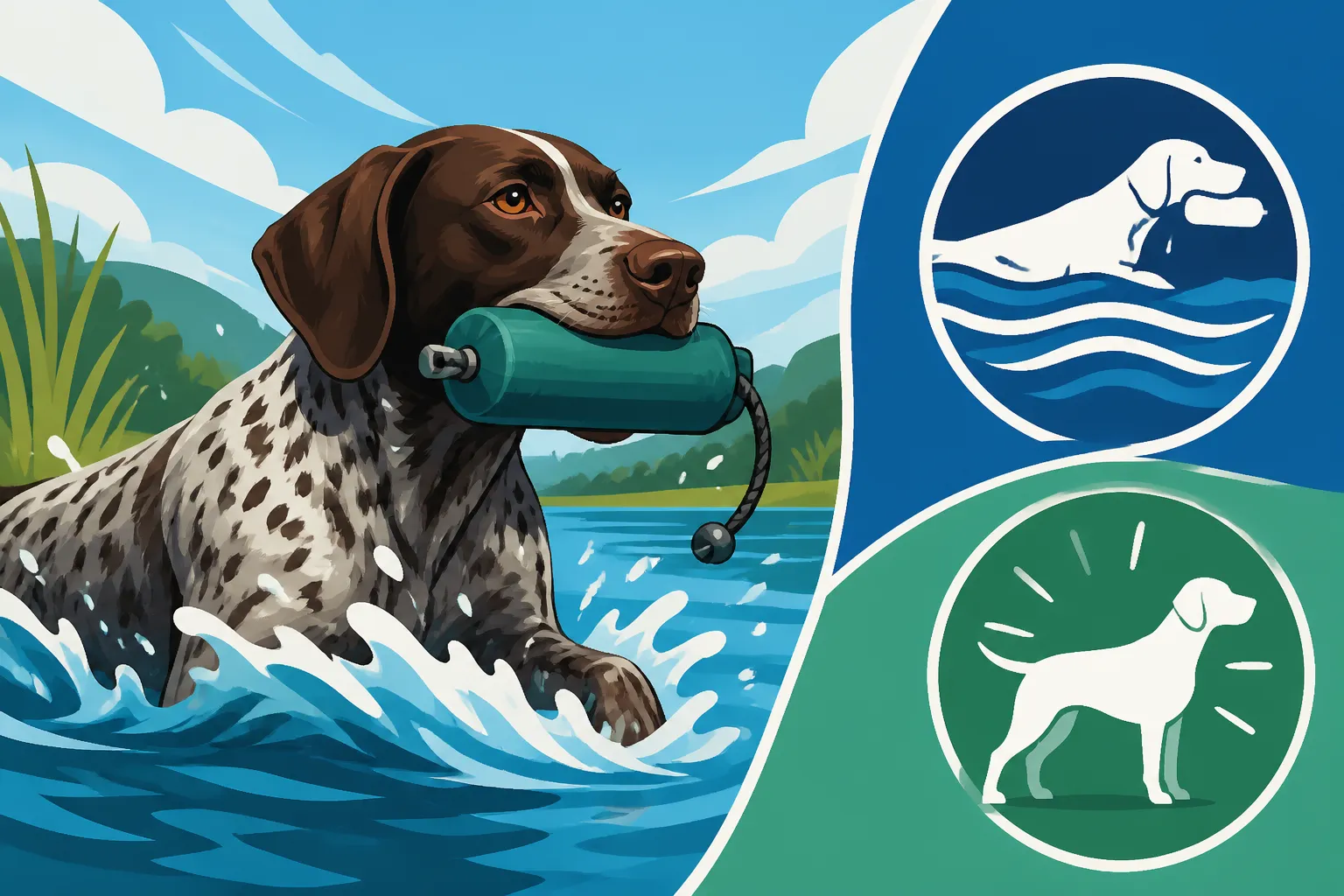
When your Shorthair is actively swimming, retrieving, and moving through water, they’re expending significantly more energy than they would performing similar movements on land. The buoyancy of the water provides resistance in every direction, turning even a short swim into a formidable workout. This is why you'll often find a GSP who has spent just thirty minutes actively working in water will be far more tired and content than one who has run for an hour on solid ground. It’s an efficient way to drain that seemingly endless battery.
Mental Stimulation: Engagement Beyond the Physical
Beyond the obvious physical benefits, water work provides a rich tapestry of mental stimulation that is crucial for a breed as intelligent and driven as the German Shorthaired Pointer. It’s not just about swimming laps; it's about problem-solving, scent discrimination, and working cooperatively with their handler. The very act of navigating through water, assessing distances, and locating a retrieve in a dynamic environment keeps their brains sharply engaged.
Imagine a scenario where you toss a bumper into a choppy lake. Your GSP isn't just swimming; they're reading the currents, using their superior nose to pinpoint the exact location of the bumper, and often formulating a strategy to reach it efficiently. This kind of complex task-solving is incredibly enriching. It taps into their primal hunting instincts in a controlled and safe manner, fulfilling a deep-seated need to "work" and achieve a goal. This cognitive effort is just as tiring, if not more so, than the physical exertion itself.
Furthermore, water work often involves close interaction with the handler, whether through directional commands, encouragement, or celebratory praise. This strengthens the bond between dog and owner, as the GSP learns to trust and rely on your guidance in a challenging environment. Programs like BAXTER & Bella, which emphasize positive reinforcement and structured learning, can be incredibly valuable in helping owners understand how to make these interactions productive and enjoyable, fostering a confident and responsive partner in the water. The combination of physical challenge and mental engagement creates a holistic form of exhaustion that leaves your Shorthair truly satisfied, leading to a much calmer and well-behaved dog at home.
Getting Started Safely: First Dips and Early Lessons
Introducing your German Shorthaired Pointer to water should always be a positive and gradual experience. Rushing it or forcing a dog into the water can create a lasting aversion, which is the last thing you want with a breed that so naturally takes to aquatic activities. The goal is to build confidence and make it an exciting adventure they look forward to every time.
Introducing Your Shorthair to Water for the First Time
The very first step is to choose the right location. Look for calm, shallow water with a gradual entry, like a quiet pond, a kiddie pool in your backyard, or a gently sloping lake shore. Avoid strong currents, steep drop-offs, or areas with thick vegetation that could tangle your dog. The water temperature is also crucial; extremely cold water can be a shock, and overly warm, stagnant water can harbor bacteria or algae. A pleasant, mild day is ideal for the initial introduction.
Start by simply walking into the shallow water yourself, inviting your Shorthair to join you. Don't immediately try to coax them to swim. Let them wade, splash, and explore at their own pace. Bring their favorite floating toy or a treat to make it an even more appealing proposition. You want them to associate the water with fun and rewards. If they're hesitant, you can even put a little peanut butter on your finger and let them lick it off while their feet are getting wet. The key is never to push or throw them in, which can be traumatic and counterproductive to building a positive relationship with water. For nervous dogs, a well-fitting life vest can provide extra confidence and security, and you can find many excellent options on Amazon.
Remember that positive reinforcement is paramount. Every small step your GSP takes into the water, every curious sniff, should be met with enthusiastic praise, petting, and perhaps a high-value treat. Keep the first few sessions short and sweet, ending before your dog shows any signs of fear or fatigue. The goal is to leave them wanting more, eagerly anticipating their next water adventure. Teaching a Shorthair to Enter Water Willingly is all about patience and positive association, and it's worth the investment in time to do it right.
Building Confidence and Basic Water Retrieves
Once your Shorthair is comfortable wading in shallow water, you can begin to introduce basic retrieves. Start with an irresistible floating toy – something highly visible and easy for them to grab. Toss it just a few feet from shore, where your dog can easily walk out and retrieve it without having to swim. This reinforces the idea that good things happen in the water and that retrieving is part of the game. Gradually increase the distance, always making sure it's within their comfort zone.
As your GSP gains confidence, they will naturally start to paddle a few strokes to reach the toy. Continue with heaps of praise and positive reinforcement for every successful retrieve. This is where a long training line can be a real asset, especially if you're working in an open area. It allows you to guide them gently back to shore and maintain control without feeling like you're reeling them in. Always ensure the line is light and won't drag them down or get tangled.
Consistency is key here. Regular, short sessions where your dog feels successful and happy will quickly build their confidence. Don't worry about perfection; focus on making it a joyful experience. If they miss a retrieve or get a little disoriented, simply encourage them and try again closer to shore. Over time, these basic retrieves will become second nature, and your GSP will be eagerly plunging into the water, ready for more challenging tasks. Water Retrieves With a German Shorthaired Pointer are a natural progression once they understand the joy of the game.
Advanced Water Work: Beyond Basic Retrieving
Once your German Shorthaired Pointer has mastered basic water retrieves and shows genuine enthusiasm for the water, you can start to introduce more complex and stimulating activities. These advanced exercises not only provide an even more thorough workout but also deepen their understanding of commands and strengthen their partnership with you in the field or at the lake.
Long-Distance and Blind Water Retrieves
The next logical step after building confidence with simple retrieves is to extend the distance and introduce the concept of "blind" retrieves. Long-distance retrieves challenge your Shorthair's stamina and drive, requiring them to swim further and maintain focus for longer periods. Start by gradually increasing the throwing distance of your floating bumper. Use consistent commands like "Fetch!" or "Retrieve!" and offer enthusiastic praise when they bring it back. As they build endurance, you'll be amazed at how far they're willing to go.
Blind retrieves, however, take mental stimulation to a whole new level. In a blind retrieve, your dog doesn't see where the object lands. Instead, they rely entirely on your directional commands – hand signals and whistle cues – to locate the hidden bumper. This is an incredible exercise in trust and obedience. You might line your GSP up on a bank, facing the water, then give a command like "Back!" while pointing directly across the water. They must then swim in that direction, using their nose and your subsequent "Right!" or "Left!" signals to find the unseen target. This not only hones their listening skills and attention span but also sharpens their natural scenting abilities, as they’ll need to work the scent cone of the bumper once they are in the general vicinity. Whistle Commands a Shorthair Should Know are absolutely critical for effective blind retrieves, allowing you to direct your dog accurately over distances.
Practicing blind retrieves requires patience and clear communication. Start with short distances and easily detectable objects. Gradually increase the distance and the difficulty, perhaps by placing the object behind a small patch of reeds or a floating log. The feeling of accomplishment your Shorthair gets from successfully completing a blind retrieve, guided solely by your cues, is immense and contributes significantly to their overall mental and physical contentment. It’s a true partnership exercise that showcases the incredible intelligence and biddability of the breed.
Incorporating Decoys and Simulated Hunting Scenarios
For the German Shorthaired Pointer, whose heritage is deeply rooted in hunting, incorporating decoys and simulating hunting scenarios into water work is the ultimate form of engagement. This moves beyond simple retrieving and taps into their innate instincts to work with game. Even if you don't hunt, these exercises provide unparalleled enrichment.
You can start by using training dummies that resemble waterfowl. These might be soft, canvas dummies or plastic ones that float naturally. Introduce them in the same way you would a regular bumper, but perhaps with a little more fanfare to simulate the excitement of a retrieve. As your dog becomes proficient, you can set out a small spread of actual decoys on the water. Throw your retrieving dummy among the decoys, encouraging your Shorthair to navigate through them to make the retrieve. This teaches them to ignore the non-target objects and focus on the task at hand, which is invaluable for a bird dog.
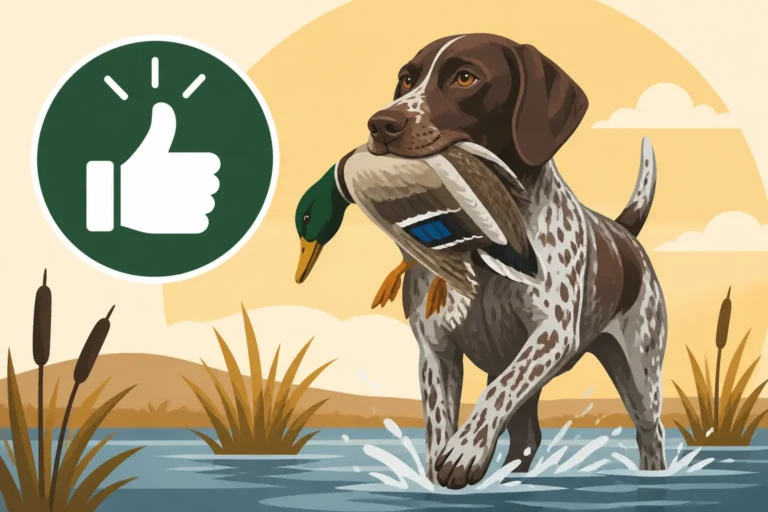
For an even more realistic experience, you can add a "simulated shot" using a starter pistol or blank gun from a distance, well away from your dog to avoid any gun shyness. The idea is to accustom them to the sound in conjunction with a retrieve. Always introduce gun sounds gradually and positively. If you have access to training birds, you can even use a remote launcher to simulate a bird flushing and falling into the water, requiring your GSP to mark the fall and make the retrieve. Whether a Shorthair Retrieves Waterfowl Well largely depends on these types of focused and realistic training scenarios. These advanced exercises are not just about wearing your Shorthair out; they're about developing their natural talents and preparing them for a lifetime of joyful work, whether in the actual hunting field or in advanced competitive events.
Essential Gear and Safety Considerations for Water Work
Just like any active pursuit, water work for your German Shorthaired Pointer requires the right equipment and a strong focus on safety. Being prepared ensures that every session is enjoyable, effective, and free from unnecessary risks for both you and your enthusiastic companion.
Must-Have Equipment for Water Training
Having the correct gear makes a world of difference in the efficiency and safety of your water training sessions. First and foremost, a well-fitting canine life vest is non-negotiable, especially for beginners, puppies, or if you plan on working in deeper, open water. Even strong swimmers can tire, and a life vest provides crucial buoyancy, visibility, and a handle for easy retrieval. Look for vests with bright colors and reflective strips for maximum visibility. Amazon offers a wide selection of robust and durable life vests suitable for active breeds like the GSP.
Next on the list are floating bumpers or dummies. These are specifically designed to float high on the water, making them easy for your dog to spot and retrieve. Avoid sticks or other random objects, as they can cause injury. Dummies come in various materials, from soft foam to more durable plastic, and often feature textures or scents that make them more enticing. A long check cord or lead can also be invaluable, particularly in the initial stages, allowing you to guide your Shorthair or gently bring them back if they wander too far. Remember to remove it for active swimming if there's any risk of entanglement.
Finally, don't forget the practical essentials: plenty of fresh drinking water for your dog to avoid them drinking potentially contaminated pond or lake water, towels for a good rub-down after a swim, and a first-aid kit for any minor scrapes or pokes. A collapsible water bowl is handy, and a waterproof bag for your own essentials keeps things dry. This essential gear ensures that you're always ready for a safe and productive water session.
Here's a quick look at essential water work gear:
| Item | Purpose | Key Features to Look For |
|---|---|---|
| Canine Life Vest | Buoyancy, visibility, safety for all skill levels | Bright color, reflective strips, strong handle, adjustable straps |
| Floating Bumpers/Dummies | Easy retrieval, engaging target | High visibility, durable material, easy to grip, good floatation |
| Long Check Cord | Control, guidance, safety in open water (remove for active swim) | Lightweight, non-absorbent, easy to handle |
| Fresh Drinking Water | Hydration, prevents drinking unsafe water | Portable bottle/bowl, ample supply |
| Absorbent Towels | Drying, preventing chills, cleaning | Microfiber or thick cotton |
| Waterproof First-Aid Kit | Addressing minor injuries | Bandages, antiseptic wipes, sterile saline, tweezers |
| Whistle | Long-distance commands, recall | Loud, clear tone, durable material, lanyard |
Avoiding Common Hazards and Health Risks
While water work is fantastic for GSPs, it's not without its potential risks. Being aware of these hazards and taking preventative measures is crucial for your dog's well-being. One of the most significant dangers is blue-green algae. This toxic cyanobacteria thrives in warm, stagnant freshwater and can be lethal if ingested. Always check local advisories and visually inspect the water before letting your dog in. If the water looks murky, has a green film, or smells off, stay away.
Strong currents or undertows in rivers or oceans are another major concern. Never allow your German Shorthaired Pointer to swim in water with currents they cannot easily overcome, even with a life vest. Always assess the conditions carefully. Similarly, cold water shock can be a danger, especially for short-coated breeds like the GSP. If the water is too cold for you to comfortably swim in, it's too cold for your dog. Gradual acclimatization or using a neoprene vest can help, but it's often best to save water work for warmer seasons. Cold Water Tail in a German Shorthaired Pointer is another common issue to watch for, often caused by overexertion or exposure to cold water.
After every water session, diligent care is essential. German Shorthaired Pointers are prone to ear infections due to their floppy ears trapping moisture. Always thoroughly dry your dog's ears after swimming, perhaps using an ear cleaner specifically designed to dry out the canal. Drying a Shorthair's Ears After Every Swim is a simple yet vital step. Keep an eye out for signs of water intoxication, which can occur if a dog ingests too much water while retrieving or playing. Symptoms include bloating, lethargy, vomiting, and loss of coordination. Finally, be mindful of exhaustion and overheating, especially on hot days. GSPs will often push themselves beyond their limits, so it's your job to enforce breaks, offer plenty of shade, and provide fresh water. Always err on the side of caution when it comes to their safety.
Integrating Water Work into Your Shorthair's Routine
Water work isn't just a sporadic activity; it can become a vital, enriching component of your German Shorthaired Pointer's regular exercise regimen. Understanding how to balance it with other forms of activity and making it a lifelong pursuit will ensure your GSP remains happy, healthy, and incredibly fit.
Balancing Water Work with Land Exercise
While water work is incredibly effective, it shouldn't completely replace land-based exercise. German Shorthaired Pointers need a diverse routine that challenges them in different ways. Think of water work as a powerful complement to their usual runs, hikes, and field sessions. On days when you might be concerned about the impact on their joints, such as after a long hunting weekend, a swimming session can provide intense cardio without the pounding.
A typical week for an active GSP might involve a few days of intense running or field training, interspersed with one or two dedicated water work sessions. For instance, you might take your Shorthair for a vigorous bike ride or a long hike through varied terrain on Monday and Wednesday, providing that high-speed, ground-covering exercise they crave. Then, on Tuesday and Friday, head to the lake for an hour of focused water retrieves, allowing them to burn energy in a different, low-impact way. Ninety Minutes of Real Exercise for a Shorthair is a good guideline, and how you split that between land and water can vary based on your dog's individual needs and the weather.
It's crucial to listen to your dog and recognize the signs of fatigue. While GSPs are tireless, they can overdo it, especially in the water. Watch for a decrease in speed, reluctance to retrieve, or excessive panting. Always end a session on a positive note, before they're completely drained. This balancing act ensures that all aspects of their physical and mental health are addressed, preventing boredom and promoting overall wellness.
Making Water Work a Lifelong Activity
The beauty of water work is its adaptability, making it an excellent activity for your German Shorthaired Pointer throughout their entire life. From energetic puppies to seasoned veterans, the intensity and duration of water sessions can be easily modified to suit their age and physical condition. This means your GSP can enjoy the benefits of water for many, many years.
For older German Shorthaired Pointers who might have some arthritis or simply aren't as agile on land, swimming is a fantastic way to maintain muscle mass and cardiovascular health without putting stress on their aging joints. You can shorten the retrieve distances, use highly buoyant and easy-to-spot toys, and keep sessions brief and frequent. Even a gentle swim for fifteen to twenty minutes can provide significant therapeutic benefits and keep them feeling engaged and young at heart. Whether an Old Shorthair Should Still Swim is often a resounding yes, provided it's done safely and within their limits.
To maintain their enthusiasm, keep the activity fun and varied. Introduce new toys, explore different safe swimming locations, or even try a casual game of "find the floating treat" to keep their minds sharp. The continuous engagement with you, the challenge of the water, and the sheer joy of retrieving make water work a perennial favorite for this incredible breed. It's an investment in their physical longevity and mental well-being, helping them stay active and happy, Keeping a German Shorthaired Pointer Hunting Past Ten and beyond, even if their "hunting" days simply involve retrieving a bumper from the local pond.
Disclaimer
This article is for general informational purposes only and does not constitute professional advice. Laws, prices and regulations vary by location and change over time. Consult a qualified professional for guidance on your specific situation.