Steadying a Shorthair That Chases the Flush
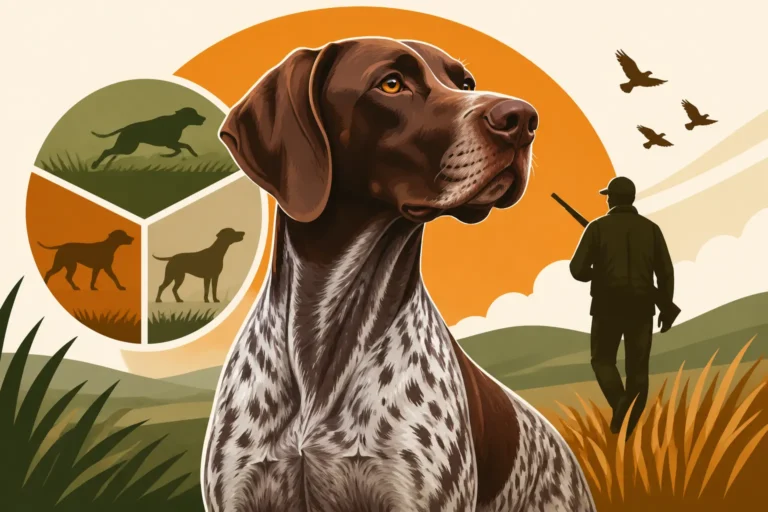
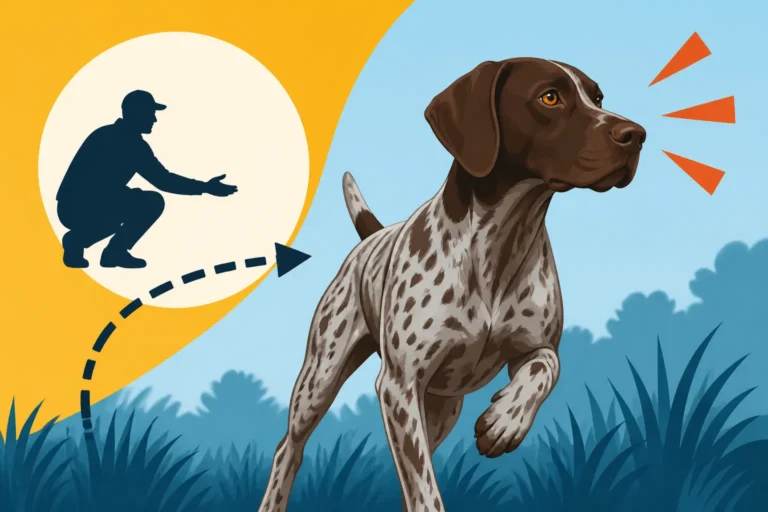
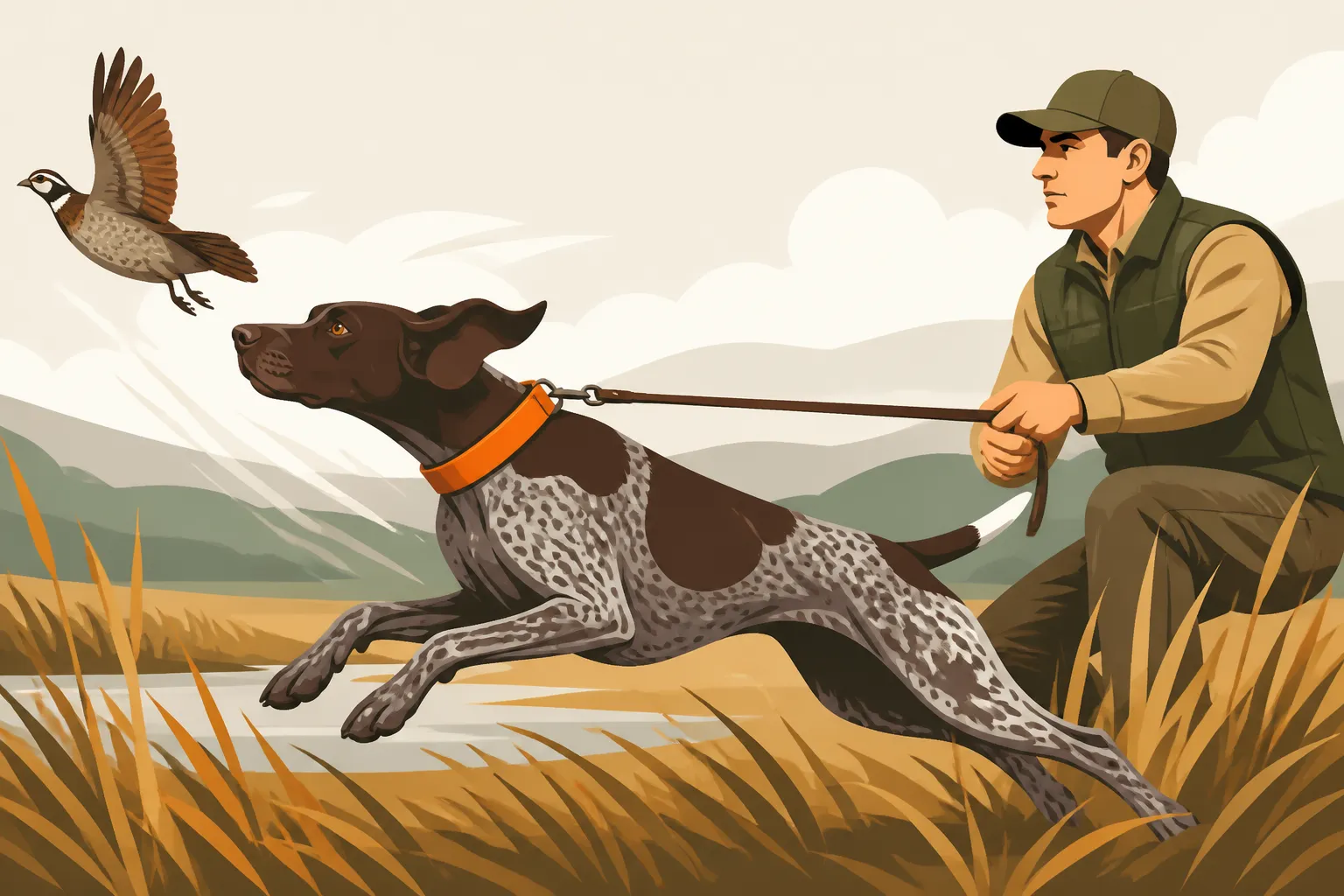
It's a common heartbreaker for German Shorthaired Pointer owners: you've got your dog on point, nose twitching, tail rigid, and then, whoosh, the bird flushes, and your GSP is right on its heels, breaking point and chasing. This isn't just frustrating; it can impact safety and certainly limits your hunting success. This guide is all about understanding why that happens and, more importantly, how to teach your spirited companion the rock-solid steadiness that makes for truly exceptional hunting.
Understanding the Drive: Why Shorthairs Chase the Flush
Let's be honest, your German Shorthaired Pointer was literally bred to do everything. Point, retrieve, track—they're the ultimate versatile gun dog. But that intense drive, that burning desire to get to the bird, is a double-edged sword. When a bird flushes, every fiber of their being screams "CHASE!" It's a primal instinct, deeply ingrained, and it feels incredibly rewarding for them. They see the movement, hear the wings, and their prey drive kicks into overdrive.
The Instinctual Rush and Its Challenges
For many Shorthairs, the sight and sound of a flushing bird is an adrenaline rush unlike any other. They aren't trying to be disobedient; they're simply following a very strong, natural urge. Imagine asking an Olympic sprinter to stop mid-stride just before the finish line. That's essentially what we're asking our GSPs to do when we demand steadiness. This instinct is further fueled by the historical role of the breed. Early German Shorthaired Pointers were developed to retrieve fallen game, sometimes even tracking wounded animals. That chase component was a desirable trait for certain tasks.
However, in modern upland hunting, especially with multiple dogs or in situations where safety is paramount, a dog that breaks point and chases the flush can be a real problem. It might bump other birds, interfere with another dog's retrieve, or even put itself in harm's way. The challenge isn't to eliminate this drive – that's impossible and undesirable – but to channel and control it, teaching your dog that there's an even greater reward in waiting and being steady. It takes patience and a methodical approach, often starting long before they ever see a live bird.
Over-Eagerness Versus Lack of Training
It's easy to mistake a GSP's exuberance for defiance, but often, chasing the flush comes down to a fundamental gap in training. Sometimes, a dog that consistently busts birds just hasn't had the consistent, step-by-step instruction needed to understand what "steady" truly means. It's not just about pointing; it's about holding that position, even when the world explodes with scent and motion.
Think of it like this: your Shorthair knows "sit" and "stay" in the living room, but can they hold a "stay" when a squirrel runs by just out of reach? The distractions in the field are exponentially higher, and the reward (the bird!) is far more tempting. A lack of proper foundation in obedience, particularly a strong "whoa" command, is often the root cause. Without that bedrock, asking for steadiness to flush is like building a house on sand. Many enthusiastic owners might rush into bird work before their dog's general obedience and impulse control are truly solid, leading to these frustrating habits.
Building the Foundation: The Indispensable "Whoa"
Before you can even dream of steadying your German Shorthaired Pointer to the flush, you need an ironclad "whoa." This isn't just a stop command; it's a freeze command, a complete cessation of all forward motion and an expectation of holding that position indefinitely, no matter the distraction. It's the absolute cornerstone of all advanced gun dog training.
Starting with Basic Impulse Control
Long before live birds enter the picture, your Shorthair needs to learn impulse control in everyday situations. This means practicing "stay" and "wait" in various environments, gradually increasing distractions. Start simple, like having them "wait" before eating their meal or before going out the door. Use a long check cord, which you can find readily on Amazon, to establish control even at a distance. This cord will be your best friend in teaching "whoa."
The goal is to teach your dog that good things come to those who wait, and that releasing from a command is always on your terms. If your GSP can't hold a solid "stay" for a couple of minutes in a relatively low-distraction environment, they certainly won't hold "whoa" when a pheasant explodes from cover. Practicing these basics with consistent praise and rewards builds the mental discipline necessary for later stages. Consider enrolling in a good basic obedience course or leveraging online programs like BAXTER & Bella that focus on strong foundational skills from puppyhood. The earlier you start instilling this patience, the easier the advanced work will be.
Introducing the "Whoa" Command Formally
The "whoa" command needs to be taught distinctly from "sit" or "stay." It means "freeze exactly where you are, no matter what." Many trainers use a whoa post or a whoa barrel to help teach this physically. The dog stands on a raised platform, making it uncomfortable for them to move, reinforcing the stationary command. You can start this by walking your dog on a check cord, giving the "whoa" command, and gently stopping them with the cord and your hand under their belly if they try to move.
Repetition is key. Walk, "whoa," release. Walk, "whoa," release. Gradually increase the duration you ask them to hold the "whoa." Don't rush it. Once they understand the concept with just the check cord, start adding very minor distractions. Have someone walk by, drop a toy, or make a small noise. Always reward for holding, and correct any breaking of the command with a firm "whoa" and a gentle correction on the check cord, guiding them back to their original spot. The consistency here is vital. You can find more detailed advice on this important step in articles like Whoa and Why Every Shorthair Starts There or Teaching a Shorthair Whoa on a Table or Barrel.
Gradually Adding Distractions
Once your Shorthair is consistently holding "whoa" on the whoa post or with a check cord in a quiet area, it's time to amp up the distractions. This is where the training truly begins to mimic real-world hunting scenarios. Start by having a helper walk around your dog while they are on "whoa." Then, introduce a thrown dummy or bumper, ensuring they remain steady. The goal is for them to understand that "whoa" means holding, even when something exciting is happening.
Next, introduce a wing on a string or a dead bird that is dragged in front of them while they are on whoa. The scent and sight of the bird are powerful motivators, so be ready to reinforce the command firmly. The check cord should always be available for gentle correction if they break. Gradually increase the intensity: bounce the dummy, flutter the wing. The core principle remains: they must remain absolutely still until you release them. This methodical approach builds confidence in both you and your dog, preparing them for the ultimate challenge: live birds. This process takes time and patience, often months of consistent work. You can read more about building up this crucial steadiness in Holding a Shorthair's Whoa Before Birds Appear.
Introducing Steadiness with Birds: The Real Test
This is where the rubber meets the road. You've built a solid "whoa" foundation, now it's time to apply it to the very thing that triggers the chase instinct: birds. This stage requires careful management and incremental steps to avoid overwhelming your dog and reinforcing bad habits.
Using Training Dummies and Scented Items
Before bringing out live birds, reinforce "whoa" with training dummies that have been scented with game bird scent. You can purchase these scents and dummies online, including options on Amazon. Walk your dog on a check cord, give the "whoa" command, and then toss the scented dummy a short distance away. Your dog should remain steady. If they break, a firm correction on the check cord brings them back to their original spot. Only when they are steady to the toss should you release them with a "fetch" command.
Repeat this many times, gradually increasing the distance and the excitement of the toss. You can even have a helper throw multiple dummies. The key is to teach them that the dummy (or eventually, the bird) is not for chasing until you give the green light. This controlled environment helps them process the visual and olfactory cues without the added adrenaline of a flushing bird. This prepares them mentally for what's to come, helping them understand that their job isn't to grab the bird as soon as it appears, but to wait for your instruction.
Working with Controlled Live Birds
This is often the most challenging and crucial step. You'll need access to live birds, typically pigeons or pen-raised quail or chukar, and a training partner is incredibly helpful here. Start in an open field, with your dog on a long check cord. Your partner will "plant" a bird a reasonable distance away. Walk your dog into the wind, allowing them to scent and point the bird. When they go on point, reinforce "whoa" verbally.
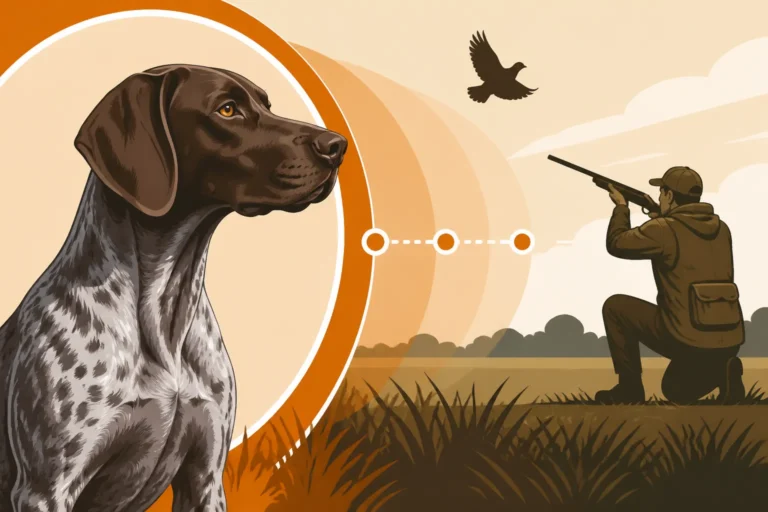
Now comes the hard part: your partner flushes the bird. As the bird takes flight, your dog's instinct will be to break and chase. This is where your long check cord and prior "whoa" training kick in. Immediately reinforce "whoa" with the check cord, preventing any forward movement. Hold them steady, even as the bird flies away. Praise profusely for holding. Only after the bird is gone and they have remained steady for a few moments, release them. This teaches them that the flush is not a signal to chase, but a signal to hold. This process is often detailed in guides like The First Live Bird for a German Shorthaired Pointer.
Introducing the E-Collar for Reinforcement
While some trainers prefer not to use e-collars, they can be an invaluable tool for reinforcing steadiness, especially in a high-distraction environment like the field. However, an e-collar should never be used for initial teaching or punishment. It is a communication tool for reinforcing commands your dog already understands. Before using an e-collar, your dog should have a rock-solid understanding of "whoa" on a check cord, as discussed above.
Start by conditioning your dog to the e-collar at low levels, associating it with a positive outcome or a known command. Once they understand the sensation, you can integrate it into your steadiness training. When your dog goes on point and the bird flushes, give the "whoa" command, and if they hesitate or begin to break, apply a low-level stimulation while simultaneously giving a check-cord correction. The goal is for the e-collar stimulation to become synonymous with the physical correction and the "whoa" command, creating an immediate and clear consequence for breaking. Consistency is paramount. Only use it as a reinforcing cue, not a primary teaching method. You can learn more about proper usage in When an E-Collar Belongs on a German Shorthaired Pointer and Conditioning a Shorthair to the E-Collar Properly.
Troubleshooting and Maintaining Steadiness
Even with the best training, GSPs are intelligent, driven dogs, and they'll test your boundaries. Sometimes, old habits creep back in, or new challenges arise. Understanding how to troubleshoot and maintain steadiness is crucial for long-term success in the field.
Common Steadiness Challenges
- Creeping: This is when your Shorthair doesn't outright chase, but subtly shuffles forward as the bird flushes, sometimes taking a step or two. It's a precursor to breaking and needs to be addressed immediately. It often means the "whoa" command isn't quite as solid as you thought or that you're releasing them too quickly after the flush.
- Bumping Birds: Some Shorthairs might be so eager that they actually flush the bird themselves instead of holding a staunch point. This often comes down to a lack of confidence in their point, or simply overpowering enthusiasm that hasn't been reined in. You can read more about this in A Shorthair That Bumps Birds Instead of Pointing.
- Selective Steadiness: Your dog might be steady for pigeons but break on pheasants, or steady for you but not for another hunter. This indicates that the steadiness isn't fully generalized and you need to go back to controlled scenarios with the specific birds or people that are causing the breakdown.
- E-Collar Reliance: If you find you're constantly having to use the e-collar, it might mean your dog hasn't truly understood the concept of steadiness, and is instead just avoiding the collar. Go back to basics with the check cord.
It's vital to identify the specific challenge your dog is facing and tailor your approach. Every dog is an individual, and what works perfectly for one GSP might need tweaking for another.
Practicing in Various Scenarios
Steadiness isn't a one-and-done training session. It needs to be continually reinforced and practiced in diverse environments. What works in a controlled field might fall apart in heavy cover, on a windy day, or when your dog is tired.
- Vary the Birds: Work with different types of game birds if possible (quail, chukar, pheasants) to generalize the command.
- Change the Terrain: Practice in tall grass, sparse cover, woods, and open fields. Each presents different challenges for scenting and visual distractions.
- Add "Real World" Distractions: Introduce gunshots (gradually, after gun introduction), other dogs (if you hunt with a brace), and even other people moving around.
- Simulate Hunting Conditions: Practice when you're wearing hunting gear, carrying your shotgun (unloaded, of course), and with the sounds of a typical hunt. The more realistic your practice, the better your dog will perform when it counts.
- Field Days with Friends: Training with experienced hunting buddies can provide new scenarios and an extra set of eyes on your dog's behavior. Observing another steady dog can sometimes even help your own.
The Long Game: Consistency and Patience
Training a German Shorthaired Pointer to be truly steady to flush is a journey, not a destination. It requires relentless consistency from you. Every time your dog is on a bird, you need to be ready to reinforce the "whoa" command, whether verbally, with a whistle, or with your e-collar. Letting them break "just this once" can undo weeks or months of hard work.
Remember, your GSP is wired to run and chase. You are asking them to override a powerful, natural instinct. That takes incredible self-control from them and incredible patience from you. Celebrate every small victory, like holding for an extra second, or looking back at you for direction after the flush. Never get frustrated to the point of anger, as this can damage your relationship and make your dog shut down. Focus on clear communication, positive reinforcement, and firm, fair corrections. With dedication, your Shorthair will become the steady, reliable hunting partner you've always dreamed of, a testament to the powerful bond and trust you've built together.
Disclaimer
This article is for general informational purposes only and does not constitute professional advice. Laws, prices and regulations vary by location and change over time. Consult a qualified professional for guidance on your specific situation.