Whether a Shorthair Retrieves Waterfowl Well
Many German Shorthaired Pointer owners, especially those new to the breed or coming from retriever-specific backgrounds, often wonder if their high-energy, land-loving dog truly has what it takes to be a competent waterfowl retriever. It's a valid question, given their reputation as upland specialists, but the truth is, a well-bred and properly trained Shorthair can absolutely excel in the duck blind, bringing an incredible level of enthusiasm and drive to every retrieve. This guide will dive deep into the Shorthair's capabilities for waterfowl work, exploring their natural instincts, the training required, and how to maximize their potential in chilly waters and dense marshlands.
The German Shorthaired Pointer's Natural Aptitude for Waterfowl Work
It's easy to look at a German Shorthaired Pointer and immediately think of a bird dog quartering a field, nose to the ground, locked on point. And while they are undeniably kings of the upland, their lineage tells a much broader story. These dogs were quite literally bred for versatility, designed to be an all-purpose hunting companion capable of handling everything from pointing pheasant to tracking deer, and yes, retrieving game from water. This isn't just a happy accident; it's a fundamental part of their genetic makeup and historical purpose.
Historical Background and Versatility
The German Shorthaired Pointer, or "Deutsch Kurzhaar" as they are known in their homeland, was painstakingly developed in Germany during the 19th century. The goal was not to create a specialist, but rather a robust, intelligent, and biddable dog that could do it all. Imagine a hunter in rural Germany who couldn't afford a kennel full of specialized dogs; they needed one dog that could point game, track wounded animals on land, retrieve shot game, and even dispatch vermin. That included fetching ducks from icy ponds. This heritage means that water work isn't just an option for a Shorthair; it's an inherent part of their design.
Physically, they come equipped with several traits that make them surprisingly adept at water retrieves. Their short, dense coat, while not as thick as a Labrador's double coat, is surprisingly water-resistant, shedding water reasonably well to prevent them from becoming waterlogged too quickly. Beyond that, if you take a close look at your Shorthair's paws, you'll notice they often have subtle webbing between their toes. This isn't just for looks; it's a natural adaptation that gives them better propulsion in the water, essentially acting like miniature flippers. Their athletic build and powerful hindquarters, so effective for bounding through fields, also translate into strong swimming ability. So, while they might not have the classic "water dog" appearance, don't let that fool you into thinking they're not built for the job.
Instinctive Drive and Retrieve
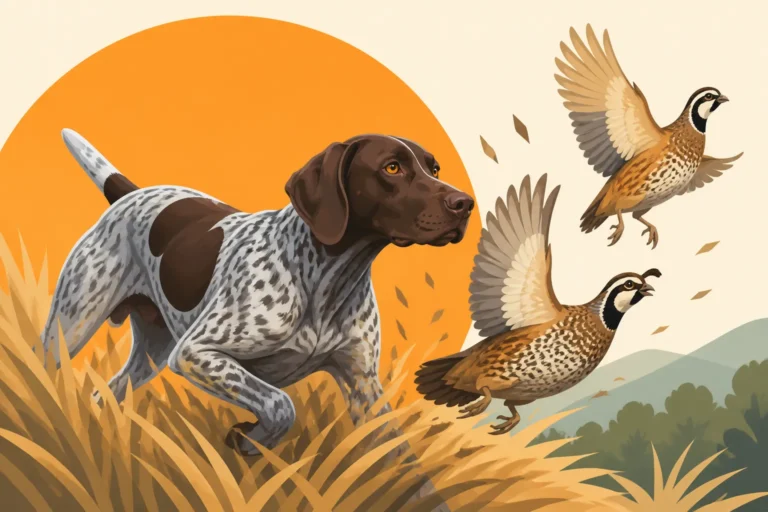
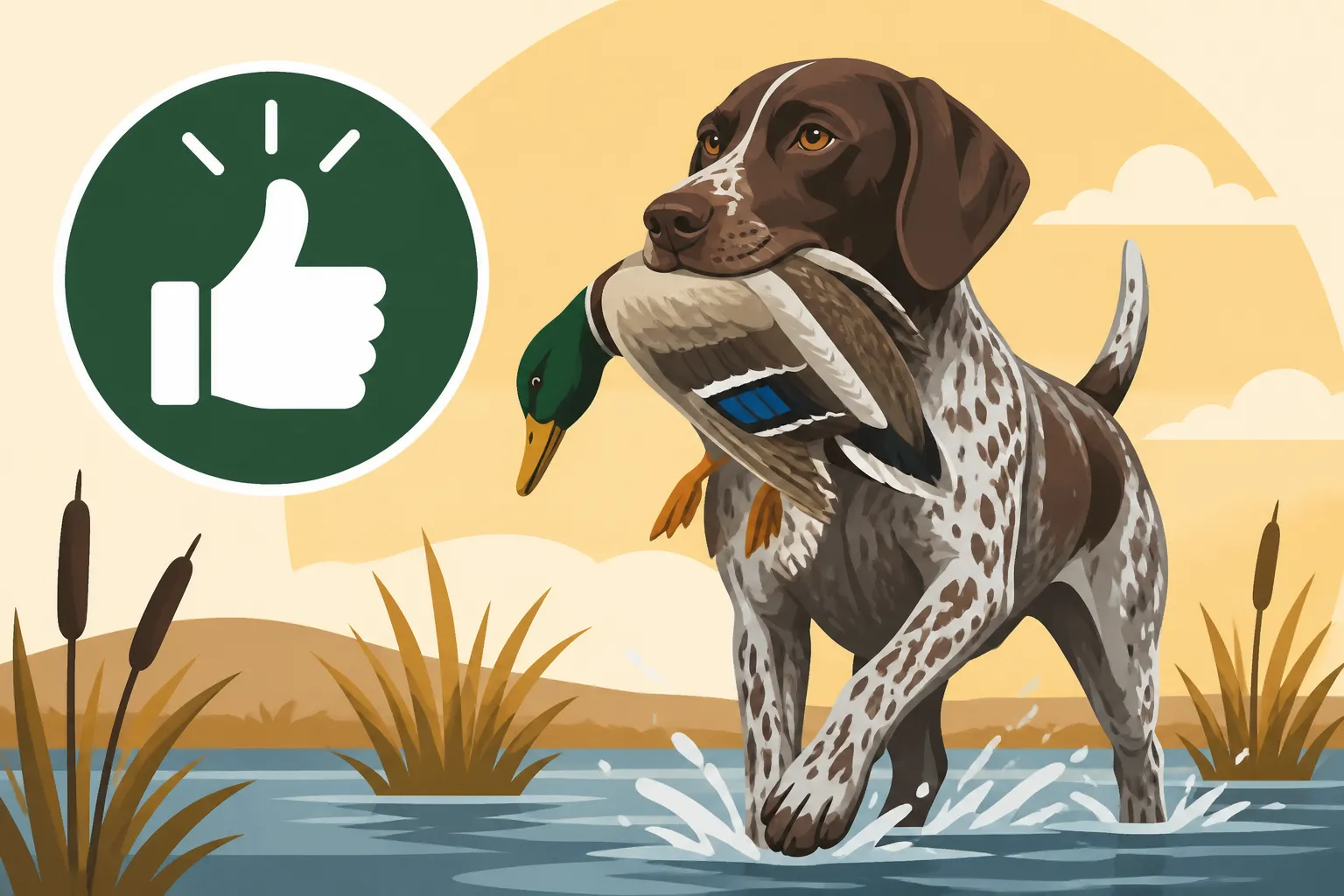
One of the most defining characteristics of a German Shorthaired Pointer is their intense prey drive. They are hunters through and through, with an almost insatiable desire to find, point, and retrieve game. This drive is a huge asset in the waterfowl blind. When a duck falls, a Shorthair is typically bursting with eagerness to get to it. They see the splash, they scent the bird, and their instinct takes over. This isn't just about fetching; it's about completing the hunt, and that deep-seated desire is what fuels those cold, arduous retrieves.
Moreover, Shorthairs possess a very strong natural retrieving instinct. For many of them, bringing an object back to their person is incredibly rewarding. While some breeds might need extensive encouragement to pick up a bird, many Shorthairs grab it with gusto and head straight back. This natural inclination to retrieve is a fantastic starting point for waterfowl training. It means you're building on an existing desire rather than trying to create one from scratch. Of course, "natural" doesn't always mean perfect; shaping that instinct into a reliable, consistent retrieve under all conditions is where the dedicated training comes in. They want to please, and they want to hunt, which creates a powerful combination for an effective waterfowl dog.
Training a Shorthair for Successful Waterfowl Retrieves
Even with all that natural talent, a German Shorthaired Pointer won't just magically become a proficient waterfowl retriever without dedicated training. It takes time, patience, and a structured approach to hone those instincts into reliable skills. The key is building confidence in the water, teaching precise commands, and ensuring they remain steady and focused in the often chaotic environment of a duck blind.
Early Introduction to Water
Just like any aspect of a hunting dog's development, the journey to becoming a waterfowl retriever begins early. The most critical step is making the water a fun and positive experience from puppyhood. Don't just throw your Shorthair puppy into the deepest, coldest lake you can find. Start with shallow, warm water – a kiddie pool in the backyard, a gentle creek, or the edge of a calm pond on a warm day. Entice them with a favorite floating toy or by wading in yourself. The goal is for them to associate water with play and enjoyment, not fear or discomfort.
As they gain confidence, gradually introduce them to more challenging environments and conditions. This might mean slightly deeper water, different textures underfoot (mud, sand, rocks), and eventually, retrieving objects that require a short swim. Keep these early sessions short, positive, and always end on a high note. A good way to keep it light and fun is with a simple retrieve of a bumper. You'll want to avoid any pressure or force that could make them associate water with negativity. Remember, a hesitant dog in the water is a liability, but a confident one is an asset. Consistent, positive exposure will build a Shorthair who views the water as just another exciting part of the hunt.
Developing a Consistent Retrieve
While many Shorthairs have a strong natural retrieve, the consistency and precision required for waterfowl hunting demand more than just a playful fetch. You need a dog that will retrieve any bird, from any location, and deliver it gently to hand, even when distractions are high. This is where formal retrieve training becomes essential.
The "fetch" and "hold" commands are fundamental. Start on land in a controlled environment. Teach your dog to pick up a bumper on command, hold it steadily, and deliver it directly to your hand. Many trainers advocate for a method called "force fetch" or "conditioned retrieve." This isn't about physical punishment, but about systematically teaching the dog that the most comfortable path is to willingly pick up the object when asked. It ensures a reliable retrieve even when the dog is tired, cold, or facing a tough retrieve in thick cover. While some pet owners might shy away from it, for a serious waterfowl dog, a solid Force Fetch Explained for a Shorthair Owner is invaluable. It removes choice from the equation, ensuring your Shorthair doesn't "selectively" retrieve. This methodical approach ensures your dog understands that the job isn't done until the bird is safely in your hand.
Gun Introduction and Steadiness
Waterfowl hunting involves loud noises and often requires dogs to remain calm and steady for long periods. A proper gun introduction is crucial to prevent gun shyness. This process should always be gradual and positive. Start with very low-level noise, like a cap pistol or small starter pistol, at a significant distance from your puppy while they are engaged in something enjoyable, like eating or playing. The sound should barely be audible to them. Gradually, over weeks and months, you can decrease the distance and increase the volume, always watching for any signs of fear or stress. The goal is for them to associate the sound of a gun with good things, like a bird falling, rather than a startling noise. If you notice any hesitation, back off and slow down the process.
Beyond gun tolerance, steadiness to wing and shot is paramount for a waterfowl retriever. This means your Shorthair must remain calm and still in the blind or on the bank until you give the command to retrieve. A dog that breaks early can spoil a hunt by flaring birds or even running into the line of fire. Practice this extensively on land, using bumpers and launchers, before ever taking it to live birds or real hunting situations. Teach them to sit patiently while a dummy is thrown or a cap gun is fired, only releasing them to retrieve on your command. The ability to remain quiet and focused in the blind is a hallmark of a well-trained waterfowl dog, and it's something that takes consistent work. Remember, patience here pays off in spades – a steady dog is a safe and effective hunting partner. Building a Shorthair's Gun Tolerance From a Distance is a critical step in this journey.
Overcoming Challenges in Waterfowl Retrieving
While German Shorthaired Pointers have many advantages in the waterfowl arena, they also face specific challenges that a dedicated owner needs to address. Understanding and preparing for these hurdles will ensure a safer, more successful, and more enjoyable hunt for both you and your canine partner.
Cold Weather and Endurance
One of the most significant challenges for a German Shorthaired Pointer in waterfowl hunting is cold weather. Unlike breeds like Labradors or Chessapeake Bay Retrievers, which boast dense, oily double coats specifically designed for insulation in frigid water, the Shorthair's short, sleek coat offers less protection. They can certainly handle cold water for short periods, thanks to their active metabolism and powerful swimming, but prolonged exposure can lead to hypothermia more quickly than in a heavily coated breed.
This means you, as the owner, need to be extra vigilant. Limiting the time they spend in the water, especially on brutally cold days, is critical. Using a neoprene dog vest can make a huge difference in helping your Shorthair retain body heat, allowing them to stay comfortable and effective for longer periods. Whether a Shorthair Needs a Vest to Retrieve in Cold Water is a question many owners ask, and the answer is almost always yes for serious waterfowl work in cold climates. Always keep a towel handy to dry them off thoroughly between retrieves, and ensure they have a warm, dry place to rest in the blind or truck. Watch for shivering or a lack of enthusiasm; these are clear signs they are getting too cold. Another potential issue in cold water is "cold water tail," also known as limber tail, a painful muscle strain that can sideline a dog. Cold Water Tail in a German Shorthaired Pointer can happen when a dog overworks its tail in cold water, so being aware of the signs is important. Proper conditioning, warm-up, and careful management of water time can help prevent these issues.
Heavy Cover and Cripples
Waterfowl often fall into dense cover – cattails, marsh grass, heavy reeds, or even submerged brush. Retrieving a dead bird from such an environment requires determination, a good nose, and resilience. Retrieving a crippled bird, which might dive or swim away, demands even more. This is where a Shorthair's upland hunting instincts really shine, even in a water setting. Their strong scenting ability, honed for finding birds in thick fields, serves them well in pinpointing downed waterfowl in challenging cover.
Their athletic build allows them to push through heavy vegetation, and their relentless drive means they won't give up easily. Training for these scenarios involves practicing retrieves in varied cover types, not just open water. Throw bumpers into dense brush near the water's edge and encourage them to work through it. For cripples, practice "mark and memory" retrieves where the dog has to remember where a bird fell and then use its nose to track it if it moves. Teach them to listen to your commands and take direction to help them navigate. This tenacity and refusal to quit make a Shorthair exceptionally good at finding those "lost" birds that a less driven retriever might miss. Teaching a Shorthair to Pick Up a Cripple is a specific skill that benefits greatly from their natural drive.
Handling and Steadiness in a Blind or Boat
Unlike upland hunting where the dog is constantly moving, waterfowl hunting often involves long periods of waiting in a cramped blind or boat. This environment presents its own set of challenges, especially for a high-energy breed like the Shorthair. Their exuberance needs to be managed to ensure they don't spook birds or make too much noise.
Training for the blind or boat focuses heavily on steadiness and quiet patience. Your Shorthair needs to learn to lie down and remain still, often for extended periods, despite the excitement of birds flying overhead or shots being fired. This starts with basic obedience – a rock-solid "stay" command is non-negotiable. Gradually introduce them to the blind or boat outside of hunting season, making it a comfortable, positive space. Practice having them lie down quietly while you move around, load a gun (unloaded, of course!), or talk. When live hunting, ensure they have a comfortable mat or stand in the blind. Their keen senses mean they will notice every incoming bird, so managing their excitement without breaking their focus is a delicate balance. Handling a Shorthair Off a Boat requires specific training to ensure they can enter and exit safely, remain steady during movement, and know their boundaries. An e-collar, when used properly, can be an invaluable tool for reinforcing these commands and ensuring instant compliance, especially when they're tempted to break on a distant flock. Just like any tool, it needs to be introduced carefully and humanely.
Gear and Care for the Waterfowl Shorthair
Equipping your German Shorthaired Pointer for waterfowl season isn't just about buying a few things; it's about making smart choices to keep them safe, comfortable, and effective. From specialized training tools to essential post-hunt care items, thinking ahead can make all the difference.
Essential Equipment
Outfitting your GSP for waterfowl work is about practicality and safety. Here's a rundown of what you'll want to consider:
- Neoprene Vest: As mentioned, this is paramount for keeping your Shorthair warm in cold water. Look for one that fits snugly but allows full range of motion. Brands available on platforms like Amazon often offer a good selection, with different thicknesses and designs.
- Floating Dummies/Bumpers: These are crucial for training. Make sure they are brightly colored for visibility and designed to float well. Scent can be added to them for more realistic training.
- Dog Stand or Blind Mat: In a duck blind, keeping your Shorthair off the cold, wet ground is important for their comfort and health. A collapsible dog stand or a thick, insulating mat will serve them well.
- GPS Tracking Collar: In dense marshland, a dog can sometimes range further than expected or get disoriented. A reliable GPS collar offers peace of mind, allowing you to locate your dog quickly.
- E-Collar: When used correctly and humanely, an e-collar is an advanced training tool for reinforcing commands at a distance, particularly critical for steadiness and recall in high-distraction environments like a waterfowl hunt. Ensure you understand how to use it before applying it in the field.
- First Aid Kit: Always have a well-stocked dog first aid kit, especially for remote hunting locations. Items like paw balm, antiseptic wipes, bandages, and even snakebite kits (depending on your location) are essential.
- Durable Leash and Whistle: A sturdy leash for moving between spots and a reliable whistle for commands at a distance are simple but vital tools.
Post-Hunt Care
The work isn't over when the hunting day ends; proper post-hunt care is vital for your Shorthair's well-being and longevity.
- Thorough Drying: After being in cold water, dry your Shorthair thoroughly. Use absorbent towels, and if possible, a warm blanket or a dog-specific drying coat. This helps prevent hypothermia and skin issues. Pay special attention to their ears. Drying a Shorthair's Ears After Every Swim is crucial to prevent moisture-related ear infections, which can be a recurring problem for dogs that spend a lot of time in water.
- Full Body Check: Every time your Shorthair comes out of the field or marsh, perform a thorough physical check. Look for cuts on their pads (especially if working on ice or rough terrain), burrs, foxtails, or other debris lodged in their coat, ears, or between their toes. Inspect their eyes for irritation. Checking a German Shorthaired Pointer Over After a Hunt should be a non-negotiable ritual.
- Nutrition and Hydration: A day of waterfowl retrieving is incredibly demanding physically. Ensure your Shorthair has access to fresh water and a high-quality, high-calorie meal to replenish their energy reserves. Electrolyte supplements can also be beneficial after an intense day.
- Warmth and Rest: Provide a warm, dry, and comfortable place for your Shorthair to rest. Their body needs to recover from the exertion and cold. A heated dog bed or a cozy crate can make a big difference.
A well-rounded training approach also includes fundamental obedience and manners, which companies like BAXTER & Bella offer through their online puppy training programs. While specific to puppies, the underlying principles of positive reinforcement and consistent training for focus and control are foundational to any advanced work, including waterfowl retrieving. Establishing a strong bond and clear communication early on will set your Shorthair up for success in all their endeavors.
Is a Shorthair the Right Waterfowl Dog for You?
The question isn't just "can they do it?" but "are they the right fit for your specific waterfowl hunting style and conditions?" A German Shorthaired Pointer can be an exceptional waterfowl retriever, but it requires a commitment from the owner to embrace their unique characteristics and provide the right training and care.
Balancing Upland and Water Work
For many Shorthair owners, the beauty of the breed lies in their versatility. They want a dog that can point pheasants in the morning and retrieve ducks in the afternoon. This is absolutely achievable, but it requires thoughtful training. The skills learned in upland work, like scenting ability, quartering, and retrieving, are highly transferable to waterfowl. However, the environment and specific demands are different. Steadiness in the blind, tolerance for cold water, and precise marking for water retrieves need separate, dedicated practice.
The key is to integrate both types of training without confusing your dog. For example, a "whoa" command is essential for both upland pointing and remaining steady in the blind. A strong retrieve to hand is critical whether the bird falls on land or water. By understanding the crossovers and the distinctions, you can shape a truly versatile hunting partner. Don't assume that because they're great in the pheasant field, they'll automatically be great in the duck blind; each environment presents its own set of rules and challenges.
Temperament and Drive Considerations
A German Shorthaired Pointer brings an unparalleled level of enthusiasm and drive to every task. This can be a double-edged sword in the duck blind. Their excitement is fantastic for motivating them through tough retrieves, but it needs to be channeled correctly. An over-enthusiastic Shorthair can be noisy, fidgety, and prone to breaking before commanded. Therefore, consistent training focused on self-control and patience is paramount.
Their "velcro" nature, often wanting to be close to their human, can be an asset in the blind, as they are typically biddable and eager to please. However, their high intelligence means they can get bored easily if not given a job, which might manifest as destructive behavior or restlessness if left idle for too long. If you're looking for a dog that will sit silently and motionless for hours without prior training, a Shorthair might test your patience. But if you're willing to invest in their training and understand their need for physical and mental engagement, their drive and intelligence make them incredibly rewarding waterfowl partners. They are keenly observant and will mark falls with precision, and their determination will ensure few birds are left unretrieved.
Here's a quick comparison of GSP traits related to waterfowl work:
| Trait | Benefit for Waterfowl Retrieving | Potential Challenge |
|---|---|---|
| Versatile Breeding | Inherently capable of both land and water work | Requires diverse training to excel in both |
| Dense, Short Coat | Relatively water-resistant, sheds water quickly | Less insulation than specialized retriever breeds in cold |
| Webbed Feet | Aids in strong swimming propulsion | Still susceptible to cold water exposure |
| High Prey Drive | Extreme motivation to find and retrieve birds | Can lead to over-excitement, breaking steadiness |
| Natural Retrieve | Eager to fetch and carry objects | Needs formal shaping for reliable, soft-mouth delivery |
| Athletic Build | Strong swimmer, good endurance, pushes through cover | Requires significant physical conditioning |
| Intelligence | Quick to learn commands and adapt to situations | Can become bored or mischievous if under-stimulated |
| Biddability | Eager to please, responsive to commands | Can be sensitive; requires positive, consistent methods |
Ultimately, a German Shorthaired Pointer can indeed be an excellent waterfowl retriever. They bring a unique blend of pointing prowess, tracking ability, and retrieving enthusiasm to the duck blind. If you're prepared to put in the training, manage their energy, and take precautions for cold weather, your Shorthair will undoubtedly prove themselves to be an incredibly capable and devoted hunting companion, whether on land or in the water.
Disclaimer
This article is for general informational purposes only and does not constitute professional advice. Laws, prices and regulations vary by location and change over time. Consult a qualified professional for guidance on your specific situation.