Introducing a Shorthair to Cold Water Safely
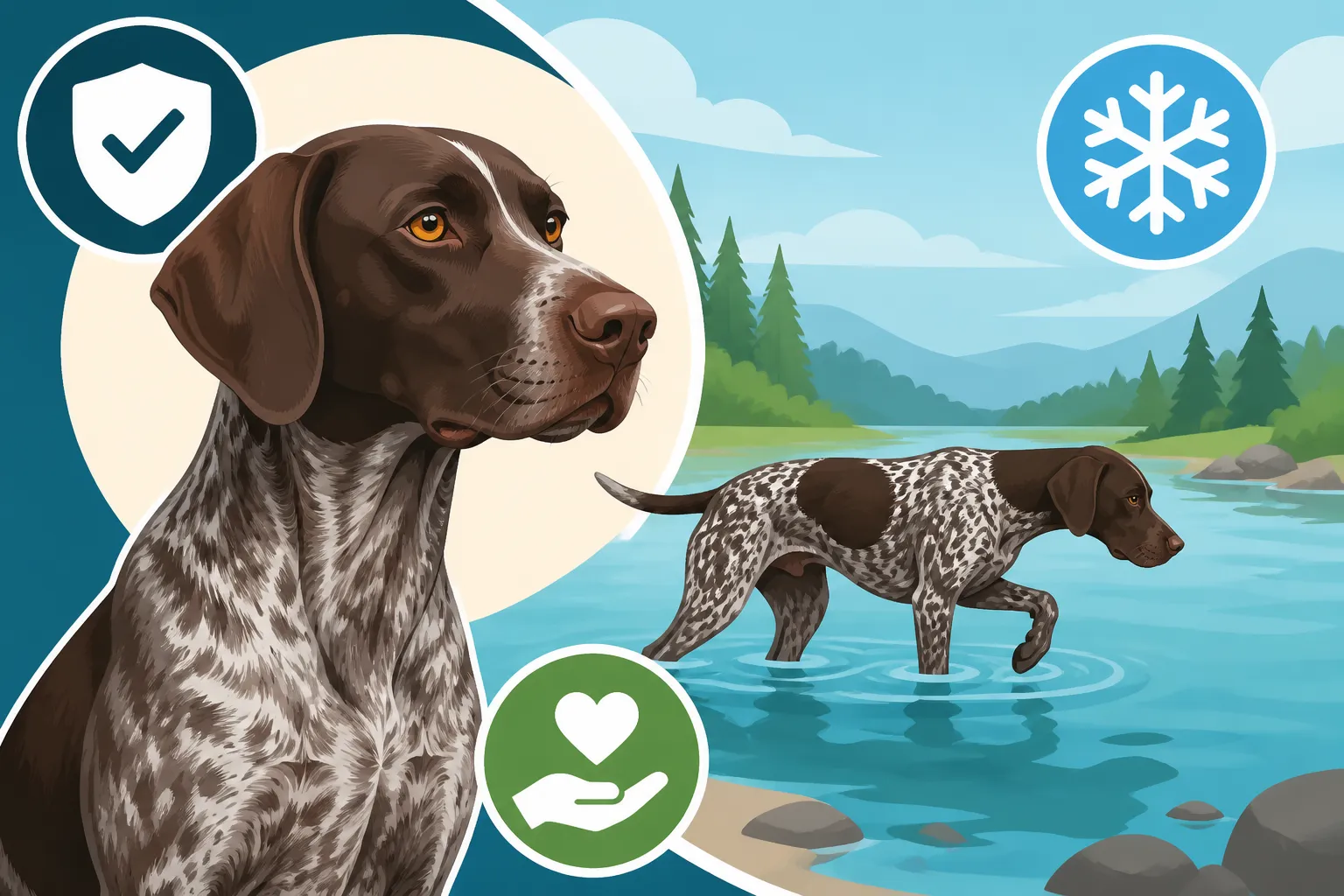
As much as our German Shorthaired Pointers adore water and seem to be born for the retrieving game, plunging them into cold temperatures without proper preparation can lead to serious health risks and a negative experience. Many of us, myself included, have felt that twinge of worry watching our enthusiastic Shorthair hesitate at the icy edge of a pond, knowing their desire to please might override their discomfort. This guide is all about navigating those chilly waters safely, ensuring your beloved companion stays healthy, happy, and ready for many more seasons of splashing fun.
Understanding the Risks of Cold Water for Your Shorthair
It’s easy to think, "Oh, they're a tough hunting dog, they'll be fine!" But cold water poses genuine threats that every German Shorthaired Pointer owner needs to understand. Their athletic build and short coat, while great for shedding burrs and drying quickly in moderate conditions, aren't built for prolonged exposure to frigid temperatures.
The Immediate Dangers of Hypothermia
Hypothermia is a condition where your dog's body loses heat faster than it can produce it, leading to a dangerously low body temperature. German Shorthaired Pointers, with their relatively lean body mass and short, single coat, are particularly susceptible compared to breeds with denser undercoats or more body fat. Imagine a blustery autumn day, the air temperature is crisp, maybe 40 degrees Fahrenheit, but the water in that duck pond is even colder, a shocking 35 degrees. Your Shorthair dives in repeatedly for retrieves, excited by the birds. Each time they exit, the cold air hits their wet coat, accelerating heat loss.
Signs of hypothermia can start subtly, making them easy to miss if you're not vigilant. You might first notice persistent shivering, more than just a momentary shake-off. As their body temperature drops further, they might become lethargic, move more slowly, or seem disoriented. Their gums and tongue might appear pale or bluish, and their breathing could become shallow. In severe cases, they can collapse or lose consciousness. It's a scary thought, but being aware of these signs and acting quickly can save your dog's life. Think about how you feel after a quick dip in cold water – now imagine that amplified for a creature unable to regulate its temperature as easily.
The Hidden Threat of Cold Water Tail Limber Tail
"Cold water tail," also known as limber tail, swimmer's tail, or technically acute caudal myopathy, is another painful condition that frequently affects active sporting breeds like German Shorthaired Pointers after exposure to cold water or intense tail use. Picture your Shorthair proudly carrying a bird, tail high and wagging. Then, after a particularly chilly retrieve, you notice their tail is suddenly limp, hanging down from the base for a few inches before kinking and becoming horizontal. It's a distinctive, painful posture that can mimic a broken tail, but it's actually an inflammation of the muscles at the base of the tail.
The exact cause isn't fully understood, but it's strongly associated with overexertion of the tail muscles, especially in cold water. Imagine your dog's tail acting like a rudder during swimming or vigorously wagging in excitement during a hunt. When those muscles get cold and overworked, they can become severely strained and inflamed. My own Shorthair, Gus, once got a mild case after an unexpectedly long training session in a brisk lake. He was so upset; it really drove home how crucial prevention is. A dog with limber tail will often be reluctant to sit, may cry out when their tail is touched, and can even have trouble defecating due to the pain. It’s a temporary condition that usually resolves with rest, anti-inflammatory medication, and warmth, but it’s incredibly uncomfortable for your dog and can put them out of commission for days, if not weeks. Remember to always be on the lookout for Cold Water Tail in a German Shorthaired Pointer.
Other Cold-Related Health Concerns
Beyond the more dramatic issues like hypothermia and limber tail, cold water exposure can lead to a host of other problems for your German Shorthaired Pointer. Their paws, while tough, are not impervious. Prolonged standing or swimming in icy water can make their paw pads brittle, increasing the risk of cracks, cuts, or even frostbite, especially on the sensitive skin between their toes. Think about how your hands feel after being exposed to freezing temperatures for too long – imagine that discomfort on their working feet.
Furthermore, cold can stiffen muscles and joints. A GSP, particularly an older one, might be more prone to strains, sprains, or exacerbated arthritis symptoms after a cold dip. Just like we need to warm up before exercise and cool down after, cold water can shock their system and make them more vulnerable to injury. Their thin coat, while quick-drying in warmer conditions, offers minimal insulation. This means that even if they don't develop full-blown hypothermia, they can simply get uncomfortably cold, which can dampen their enthusiasm for future water work or even lead to chronic health issues if ignored repeatedly. Be mindful of Whether a German Shorthaired Pointer Shivers Easily and plan accordingly.
Preparing Your Shorthair for Cold Water Adventures
Introducing your German Shorthaired Pointer to cold water safely isn't about avoidance; it's about smart preparation and understanding their limits. With the right approach, you can ensure they remain enthusiastic and healthy even when the mercury dips.
Gradual Acclimation is Key
You wouldn't jump into an ice bath without some mental preparation, and your dog shouldn't be expected to, either. Gradual acclimation is the cornerstone of safe cold water introduction. This means starting when the weather is still warm, ideally in late summer or early autumn, and slowly extending the exposure as temperatures drop. Begin with short sessions in shallow, calm water during the warmest part of the day. A small, familiar pond or a gentle riverbank where they can wade in and out at will is perfect.
The goal is to let them associate water, even cooler water, with positive experiences. Throw their favorite floating toy just a few feet from shore, encouraging them to enter without pressure. As the weeks pass and the temperatures naturally cool, you can gradually increase the duration and depth of their water activities, but always observing their comfort level. This slow progression allows their body to adjust and helps them build a mental resilience to the chill. Think of it like a human training for cold plunges; it's a process, not a sudden event. For tips on building this positive association, check out Teaching a Shorthair to Enter Water Willingly.
Essential Gear for Cold Water Protection
While German Shorthaired Pointers might not have the dense double coat of a Labrador, there are still excellent gear options to help them brave colder waters. A good neoprene dog vest is paramount. These vests provide a layer of insulation, helping to trap body heat and keep your Shorthair warmer, similar to a wetsuit for humans. Look for vests that fit snugly but don't restrict movement, especially around the shoulders and neck, as their range of motion is crucial for effective swimming and retrieving.
Beyond vests, consider quick-drying towels (microfiber works wonders) to immediately dry them off post-swim, especially their ears and paws. For those hunting in icy conditions or across rough, frozen terrain, dog boots can protect their sensitive pads from frostbite, cuts, and abrasive surfaces. While getting a GSP to tolerate boots takes some practice, it can be a game-changer for paw health. Many great options for these items can be found online, and places like Amazon carry a wide array of sizes and styles to fit your Shorthair perfectly. When choosing, consider what Vests and Coats a German Shorthaired Pointer Actually Needs to decide on the best option for your hunting environment.
Building a Strong Foundation on Land
Before you even think about introducing your German Shorthaired Pointer to cold water scenarios, ensure they have a rock-solid foundation of obedience and recall on land. This isn't just about good manners; it's a critical safety measure when dealing with potentially dangerous water. Imagine your dog enthusiastically chasing a bird into an icy river with a strong current – if you can't recall them instantly, they could be in serious trouble. A strong "come" command is non-negotiable.
Beyond recall, a solid "stay" or "whoa" can prevent them from plunging into water that's too cold or has unseen hazards. They need to understand that your commands take precedence over their natural drive. Working on these basic commands in distracting environments, gradually increasing the difficulty, will pay dividends when you're lakeside or river hunting. Resources like BAXTER & Bella offer online programs that can help you build these crucial obedience skills from puppyhood, giving you confidence that your Shorthair will listen when it matters most. It’s about building a partnership where your dog trusts your judgment and responds reliably, making every adventure, especially near cold water, much safer.
Step-by-Step Guide to a Safe Cold Water Introduction
Once you've understood the risks and gathered your gear, it's time to put a plan into action. Remember, patience and positive reinforcement are your best tools.
Choosing the Right Environment and Day
Success in cold water introduction heavily depends on the conditions you choose. First, always prioritize safety. Opt for shallow, calm water with an easy entry and exit point. Avoid strong currents, deep drop-offs, or areas with submerged obstacles. A protected cove on a lake or a wide, slow-moving river bend is often ideal. For your Shorthair's first few colder water dips, avoid anything that could make them feel unsafe or out of control.
Secondly, pick your day wisely. A sunny, relatively still day, even if the air temperature is cool, is far better than a cloudy, windy, or rainy one. The sun can help warm the shallow water and keep your dog more comfortable. Crucially, check the water temperature. If it's truly frigid – say, below 40 degrees Fahrenheit (4 degrees Celsius) – you might need to reconsider or keep the session extremely brief, perhaps just a quick retrieve near the edge. Even if your Shorthair has The Water Resistant Coat a Shorthair Carries, it's not foolproof. Our goal is to make it an enjoyable, not shocking, experience.
Making It a Positive and Controlled Experience
When you introduce your Shorthair to the water, always keep it fun and positive. Start by playing near the water's edge with their favorite floating toy. Allow them to wade in on their own terms, without forcing them. If they're hesitant, you can gently encourage them by wading in a little yourself (if safe and shallow) or tossing a toy just within their comfortable wading depth. Use lots of praise and happy tones. The last thing you want is for them to associate cold water with stress or fear.
Keep these early cold water sessions short. Five to ten minutes might be plenty at first, especially if the water is very chilly. The key is to always end on a high note, before they get too cold or tired. This leaves them wanting more, building a positive association for future water work. After their brief dip, immediately guide them out, dry them off thoroughly, and offer a warm reward. A quick game of fetch on dry land or a high-value treat can solidify the positive memory. Remember, consistency and positive reinforcement are how you build a reliable water dog, especially when the conditions aren't perfectly balmy. You can expand on this with further Water Work That Tires a Shorthair Out.
Post-Water Care and Monitoring
The work doesn't stop once your German Shorthaired Pointer is out of the water. Immediate and thorough post-water care is crucial, especially in colder temperatures. As soon as they exit, grab those quick-drying towels and rub them down vigorously. Pay special attention to their chest, abdomen, and the base of their tail, which are areas prone to rapid heat loss. The goal is to get them as dry as possible, as quickly as possible. Don't forget to give their ears a good wipe down; moisture in the ear canal combined with cold can lead to uncomfortable ear infections. Drying a Shorthair's Ears After Every Swim is a routine you should always follow.
Once they're towel-dried, get them into a warm, sheltered environment, whether that's a heated truck, a warm kennel, or back inside the house. You might even consider a warm, dry coat or blanket if they're particularly chilly. Monitor them closely for any signs of discomfort: shivering, lethargy, or reluctance to move. Ensure they have access to fresh water (not icy cold water) and offer a small, easily digestible meal to help their metabolism generate heat. Taking care of these details after the fun ensures their body recovers properly and reinforces the positive experience of water work. Also, give them a good rinse to remove any pond scum or grit, as discussed in Rinsing a German Shorthaired Pointer After Pond Water.
Recognizing When it's Too Cold or Too Much
Knowing your dog's limits is paramount, particularly when pushing them into challenging environments like cold water. They can't tell you in words that they're too cold or in pain, so you need to be their advocate.
Reading Your Dog's Body Language
German Shorthaired Pointers are stoic athletes, often driven by their desire to please us, so they might not overtly complain until they're truly uncomfortable. This makes reading their subtle body language incredibly important. Pay close attention to persistent shivering, not just the quick shake-off after a swim. If their body is hunched, or they're tucking their tail tightly, these are clear signs of discomfort or pain – potentially even the onset of cold water tail.
Lethargy, a lack of their usual enthusiasm, or a reluctance to engage in retrieves after exiting the water can indicate they're getting too cold or tired. Watch their movement: is it stiff or awkward? Are they favoring a limb? Are their ears pinned back, or are they constantly trying to seek warmth by nestling into you or a blanket? Their gums might look pale, and their breathing could become shallow. Trust your gut. If something feels off, it probably is. It's better to end a session early and have your dog be a little frustrated they didn't get one more retrieve, than to push them to the point of pain or injury.
Setting Temperature Limits and Duration
While there's no single magic number that applies to every German Shorthaired Pointer, general guidelines can help you decide when it’s truly too cold. Most experts suggest that water temperatures below 45 degrees Fahrenheit (around 7 degrees Celsius) should be approached with extreme caution, and prolonged exposure should be avoided for any dog, even those wearing protective gear. Air temperature also plays a significant role; a windy 40-degree day feels much colder than a still 40-degree day.
For early cold water introductions, keep sessions to a maximum of 5-10 minutes, always ending before you notice any signs of discomfort. As your dog acclimates and is wearing appropriate gear like a neoprene vest, you might extend this slightly, but rarely should you push beyond 15-20 minutes in genuinely cold conditions. The key is to prioritize their well-being over "getting one more retrieve." When in doubt, err on the side of caution. It's far better to pack up and go home than risk a serious cold-related injury or illness. Pay attention to The Water Temperature a Shorthair Should Not Enter.
Emergency Preparedness
Even with the best planning, accidents can happen, and conditions can change rapidly. Being prepared for a cold water emergency is crucial. Always carry extra towels, a warm blanket, and if possible, a thermos of warm, unsweetened chicken broth or water to help warm your dog internally if they become hypothermic. A small, portable dog bed or mat can provide an insulated spot to rest.
Know the signs of severe hypothermia (uncontrollable shivering, extreme lethargy, collapse) and have a plan for immediate action. This means having your veterinarian's emergency contact information readily available, and knowing the quickest route to an emergency animal hospital. If your dog exhibits severe symptoms, wrap them in blankets, keep them moving gently to stimulate circulation if they're still conscious, and seek veterinary attention immediately. Prompt medical intervention can make all the difference in a severe cold exposure incident.
| Risk | Key Signs | Prevention Strategy |
|---|---|---|
| Hypothermia | Persistent shivering, lethargy, cold skin, pale/blue gums, shallow breathing | Gradual acclimation, neoprene vest, short sessions, immediate thorough drying, warm vehicle/shelter |
| Cold Water Tail | Limp, painful tail (kinked at base), reluctance to sit, pain when touched | Avoid sudden cold exposure, adequate warm-up before intense tail use, gradual introduction to cold water, rest |
| Frostbite | Pale, waxy, or blue skin, swelling, pain in extremities (paws, ear tips, tail) | Limit exposure, dog boots for icy terrain, keep moving, immediate drying, check paws thoroughly after activity |
| Muscle Stiffness/Strain | Limping, reluctance to move, favoring a limb, visible tension or soreness | Proper warm-up before activity, shorter sessions in cold, gentle stretching, immediate post-activity warmth |
Disclaimer
This article is for general informational purposes only and does not constitute professional advice. Laws, prices and regulations vary by location and change over time. Consult a qualified professional for guidance on your specific situation.