Whether a Shorthair Needs a Vest to Retrieve in Cold Water
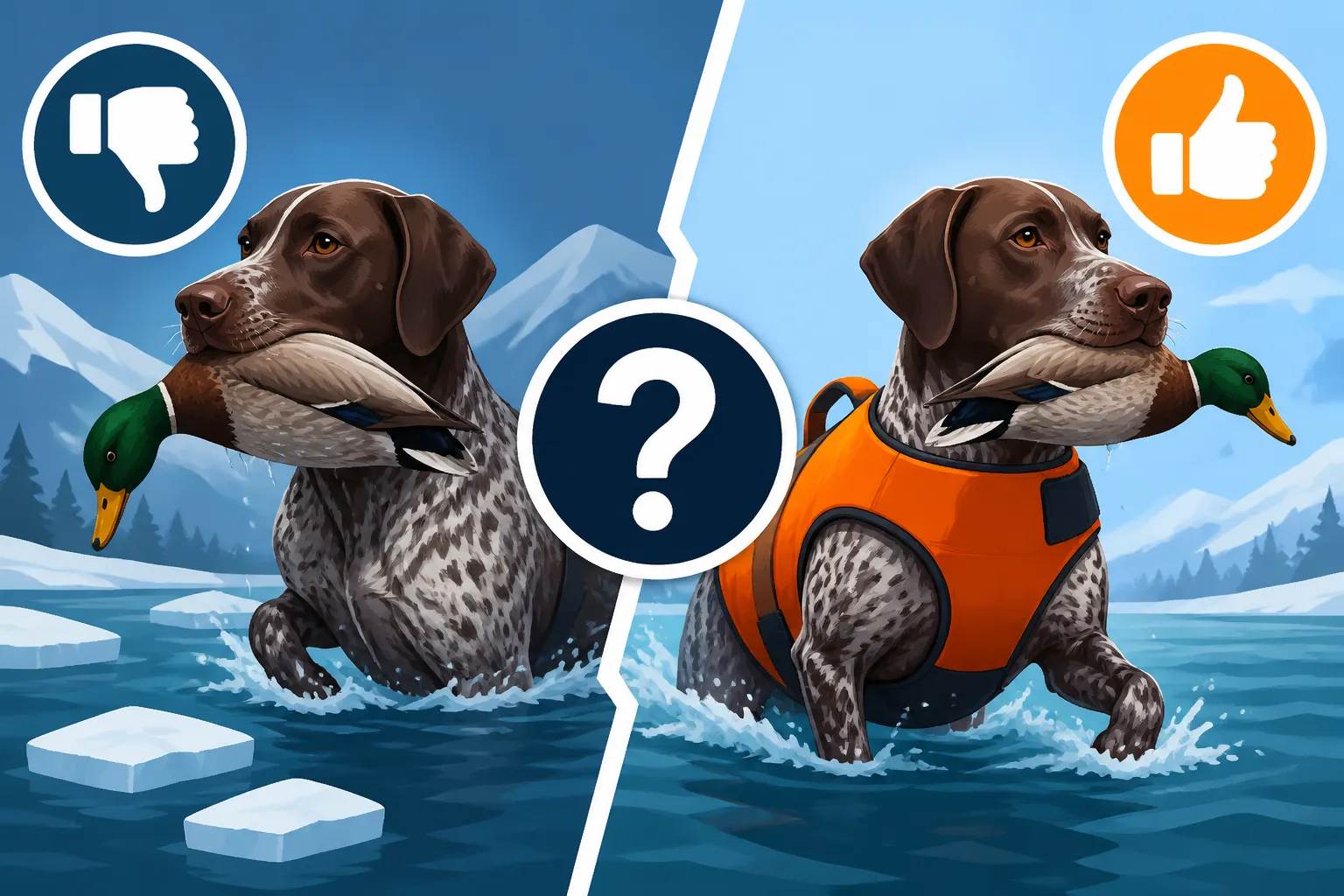
It’s a dilemma many German Shorthaired Pointer owners face when the hunting season stretches into colder months: your dedicated GSP is ready to plunge into icy water for a retrieve, but you’re left wondering if their short, sleek coat is truly enough to protect them from the chill. The truth is, while German Shorthairs are incredibly tough and driven, cold water retrieving can pose significant risks, and understanding when and why a protective vest is necessary is crucial for their safety and long-term health. This guide will dive deep into the factors that determine whether your beloved hunting partner needs that extra layer.
Understanding Your Shorthair's Natural Cold Tolerance
German Shorthaired Pointers are, by their very nature, highly athletic and built for movement. Their sleek, short coats are fantastic for shedding burrs and drying quickly after a dip in milder temperatures, but they don't offer the same insulating power as a thick double coat found on a Labrador or a specialized water dog. This can leave many owners confused about just how much cold their GSP can truly handle.
The Limits of a Shorthair's Coat in Winter
While a GSP's coat is dense and repels water fairly well, it lacks the insulating undercoat that breeds bred specifically for extreme cold or prolonged water work possess. Think of it like a light rain jacket versus a heavy winter parka. Your Shorthair’s coat will keep them from getting soaked instantly, but it won't trap a layer of warm air next to their skin once they're submerged in truly cold water. This means their body has to work much harder to maintain its core temperature, burning through energy reserves rapidly. This is particularly true if they're standing still in the water, or repeatedly plunging in and out without sufficient time to warm up.
Many owners mistakenly believe that because their GSP is always "on the go" and has a high metabolism, they're impervious to the cold. While their active nature does generate body heat, it's not a magical shield. The constant motion can only do so much, especially when faced with sustained exposure to frigid elements. A dog's ability to maintain body heat is a delicate balance, and their coat plays a significant role in tipping that balance one way or the other.
Comparing Shorthair Coats to Other Sporting Breeds
When you compare a German Shorthaired Pointer's coat to that of other popular waterfowl or upland breeds, the differences become quite apparent. A Chesapeake Bay Retriever, for instance, has a thick, oily, wavy double coat that is incredibly insulating and almost waterproof. A Labrador Retriever also boasts a dense double coat that provides excellent protection. Even a Wirehaired Pointing Griffon has a coarser, denser outer coat and a soft, thick undercoat designed for protection in rough cover and cold water.
The German Shorthaired Pointer, while versatile, was primarily developed for upland hunting and retrieving in a variety of conditions, but perhaps not specifically for sustained, icy waterfowl retrieves. Their design allows for speed, agility, and quick drying in milder conditions. This distinction is crucial, because what works for a Chessie in November might be a hypothermia risk for a Shorthair in the same water. Understanding these breed-specific differences helps us make informed decisions about protective gear.
The Risks of Cold Water for a German Shorthaired Pointer
Diving into cold water, especially repeatedly, isn't just uncomfortable for a German Shorthaired Pointer; it carries serious health risks. Their enthusiasm for the retrieve often overrides their natural discomfort, making it essential for us, as responsible owners, to be vigilant about potential dangers like hypothermia and other cold-related injuries.
Hypothermia: A Silent Threat
Hypothermia occurs when a dog's body loses heat faster than it can produce it, causing their core temperature to drop to dangerously low levels. For a German Shorthaired Pointer, whose coat isn't designed for extreme insulation, this can happen surprisingly quickly in cold water. Symptoms can be subtle at first: shivering, lethargy, and a reluctance to move. As it progresses, their muscles may stiffen, their breathing and heart rate slow, and they can become disoriented or even collapse.
It’s easy to miss the early signs in an excited hunting dog, as their adrenaline might mask initial discomfort. They might continue to perform, pushing through the cold until their body simply can't cope anymore. This is why prevention is paramount. Once hypothermia sets in, it's a veterinary emergency that requires immediate and sustained efforts to gradually rewarm the dog, which can be a slow and frightening process in the field. Having emergency supplies, like blankets or towels, and knowing how to administer first aid, is crucial for any owner taking their GSP into cold conditions. The Temperature a German Shorthaired Pointer Should Not Hunt In is a good read to understand the limits.
Other Cold-Related Injuries and Conditions
Beyond systemic hypothermia, cold water can lead to other localized and acute issues for a German Shorthaired Pointer. One common concern for active retrievers is "cold water tail," also known as limber tail or swimmer's tail. This painful condition, often observed after strenuous swimming in cold water, causes the tail to hang limply or be held stiffly for several inches from the base before drooping. It's thought to be an injury to the muscles at the base of the tail, likely due to overuse and cold exposure. It's incredibly painful for the dog and usually requires rest and pain medication. You can find more specific information on this condition in Cold Water Tail in a German Shorthaired Pointer.
Furthermore, prolonged exposure to cold and wet conditions can exacerbate existing skin conditions or lead to new ones, as the skin's natural barrier is compromised. For GSPs that might already have sensitive skin, or those prone to things like "hot spots" if their coat doesn't dry properly, the cold, wet environment adds another layer of risk. Cold also makes muscles and joints stiffer, potentially increasing the risk of strains, sprains, or even tearing ligaments, especially in dogs that are already pushing their physical limits or are prone to issues like Hip Dysplasia in a Hard Running German Shorthaired Pointer.
When a Cold Water Vest Becomes Essential
Deciding whether your German Shorthaired Pointer needs a vest for cold water retrieving isn't a one-size-fits-all answer. It depends on a combination of environmental factors, the dog's individual characteristics, and the nature of the activity. It's about risk assessment and prioritizing your dog's well-being above all else.
Environmental Factors: Water and Air Temperature
The most obvious factors are the temperature of the water and the ambient air temperature. While there isn't a hard and fast rule for an exact "danger zone" that applies to every dog, a good general guideline is to start considering a vest when water temperatures drop below 50-55°F (10-13°C), especially if the air temperature is also low or windy. The wind chill factor can be a major contributor to heat loss, even if the water itself isn't absolutely freezing. A blustery 40°F (4°C) day with 50°F (10°C) water is far more dangerous than a calm, sunny 40°F (4°C) day with the same water temperature.
Consider also the type of water. Still ponds will retain heat differently than moving rivers or large, open lakes where cold winds can churn the surface. Shallow water might feel warmer, but if your dog is repeatedly lying in it, or if it's mixed with slush or ice, the risk increases dramatically. Always check the forecast, but also test the water yourself before asking your GSP to jump in. If it feels uncomfortably cold to your hand, it's definitely too cold for an unprotected Shorthair, particularly for sustained work.
Duration of Exposure and Activity Level
The amount of time your GSP spends in the cold water is a critical variable. A single, quick retrieve where they are immediately dried off might be tolerable in slightly cooler conditions. However, a series of retrieves, or prolonged periods of waiting in a blind with intermittent water work, dramatically increases the risk. A dog that is actively swimming and retrieving will generate more body heat than one standing relatively still, but even active swimming leads to heat loss through conduction to the cold water.
Think about a full morning hunt versus a quick training session. If your Shorthair is expected to retrieve birds for several hours, with breaks that may involve sitting in a cold, wet boat or on damp ground, a vest becomes far more important. Even if they're moving, their core temperature can drop significantly over time. It's a cumulative effect, and the body can only compensate for so long before becoming compromised. How Long a Working German Shorthaired Pointer Stays Sound includes discussion of avoiding injury over time.
Individual Dog Factors
Every German Shorthaired Pointer is an individual, and their tolerance for cold water can vary. Puppies and very old dogs are generally more susceptible to cold, as are dogs that are underweight or have underlying health conditions. A very lean, hard-muscled GSP might seem robust, but they have less body fat for insulation. A dog that is unwell, recovering from an injury, or simply not as conditioned as usual will also have a lower tolerance.
Pay close attention to your dog's behavior. Are they shivering when they come out of the water? Are they reluctant to go in again? Are their gums pale, or their movements stiff? These are all signs that they are struggling with the cold. Some dogs, particularly those with a strong retrieve drive, will push themselves past their limits, so it's up to you to recognize their boundaries and protect them. It's not a sign of weakness; it's a sign of a good owner.
Choosing the Right Vest for Your German Shorthaired Pointer
Once you've determined that a cold water vest is a necessary piece of gear for your German Shorthaired Pointer, the next step is selecting one that offers optimal protection, comfort, and functionality. Not all vests are created equal, and what works for one dog or situation might not be ideal for another.
Types of Vests and Materials
The most common and effective type of cold water vest for hunting dogs is made from neoprene, similar to what human divers wear. Neoprene works by trapping a thin layer of water against the dog's body, which is then warmed by their body heat, providing excellent insulation. Neoprene vests come in varying thicknesses, typically from 3mm to 5mm. Thicker neoprene offers more insulation but can be more restrictive for movement. For most German Shorthaired Pointers working in moderately cold conditions, a 3mm or 4mm neoprene vest is usually sufficient, offering a good balance of warmth and flexibility.
Beyond neoprene, some vests might incorporate other materials like fleece linings for added warmth or cordura for increased durability in rough cover. Some designs also include flotation panels, which can be an added safety benefit, especially in deep or fast-moving water, or for dogs that tire easily. When looking for Vests and Coats a German Shorthaired Pointer Actually Needs, consider the material first and foremost.
Fit, Features, and Durability
The fit of the vest is absolutely paramount. A vest that is too loose will allow cold water to flush in and out, defeating the purpose of insulation. It can also chafe or get snagged. One that's too tight will restrict movement, especially around the shoulders and chest, and can cause discomfort or even breathing issues. You want a snug fit that allows for full range of motion. Many vests feature adjustable straps or a zipper closure to help achieve this perfect fit. Pay close attention to the chest and neck measurements, as GSPs have deep chests that can sometimes make fitting tricky. For more detail, refer to Fitting a Neoprene Vest on a German Shorthaired Pointer.
Consider features that enhance usability and safety. A sturdy handle on the back of the vest can be invaluable for helping your dog in and out of boats, over obstacles, or simply to gain control. Reinforced chest and belly panels can protect against abrasive ice, submerged logs, or sharp stubble. Bright colors or reflective strips are also excellent for visibility, especially in low light or when hunting near other parties. Look for robust stitching and durable closures, as hunting conditions are tough on gear. You can find an incredible range of options from various brands on platforms like Amazon, allowing you to compare features and read reviews from other GSP owners.
Best Practices for Cold Water Retrieving, Vest or Not
Even with the perfect vest, responsible cold water retrieving involves more than just strapping on gear. It requires a holistic approach to your German Shorthaired Pointer's care, conditioning, and careful monitoring before, during, and after the hunt.
Pre-conditioning and Acclimation to Gear
Before you even think about putting your GSP in cold water, they need to be properly conditioned. A dog that is out of shape or carrying excess weight will struggle far more with the physical demands and the cold. Regular exercise that builds stamina and muscle throughout the off-season is key. Just like an athlete, your GSP needs to be ready for the demands of the field. Roading a German Shorthaired Pointer for Fitness and Conditioning a Shorthair Before Opening Day are great resources for this.
Introducing the vest itself should be a gradual, positive experience. Don't just throw it on them right before a hunt. Let them sniff it, wear it for short periods around the house or yard, and associate it with treats and praise. Go for short walks or training sessions while they're wearing it. Some owners incorporate desensitization training for new gear, using positive reinforcement methods that mirror the comprehensive approach seen in programs like BAXTER & Bella, ensuring the vest becomes a positive experience. This helps them get used to the feel and ensures it doesn't hinder their movement or become a source of stress when they're focused on the hunt.
Post-Retrieve Care and Monitoring
The work isn't over when the retrieve is done. Immediately after your GSP comes out of cold water, especially if they've been wearing a vest, you need to ensure they are dried and warmed thoroughly. Remove the vest, rub them down vigorously with a towel, and if possible, place them in a warmed truck box or a crate with warm, dry blankets. Drying a German Shorthaired Pointer in Cold Weather cannot be overstated. Pay special attention to their ears, paws, and tail.
Monitor them closely for any signs of discomfort or illness over the next few hours. Are they still shivering? Are they lethargic or exhibiting any unusual behavior? Check their paw pads for cracking or ice balls between their toes if hunting in snowy or icy conditions. Offer warm, not hot, water to drink. Keeping a close eye on their recovery helps ensure that their next outing will be just as safe and successful. Keeping a Shorthair Warm in a Truck Box is a fantastic way to ensure they recover properly.
Knowing When to Call It a Day
Perhaps the most crucial best practice is knowing when to say "no" or "enough." Your German Shorthaired Pointer's drive to please is immense, and they will often keep going long past the point of safety. As their owner, you are their advocate. If the conditions are truly brutal – freezing rain, strong winds, slushy water, or ice – it might be best to leave the dog at home or stick to upland hunting that doesn't involve water retrieves.
Pay attention to subtle cues from your dog, but also trust your gut. If you're cold standing on the bank, imagine how your dog feels plunging into the water. No bird is worth risking your dog's health or life. Being a responsible hunting partner means understanding limits, both for yourself and for your dedicated German Shorthaired Pointer. Sometimes, the best call you can make is to pack it in early or find an alternative activity for the day.
Disclaimer
This article is for general informational purposes only and does not constitute professional advice. Laws, prices and regulations vary by location and change over time. Consult a qualified professional for guidance on your specific situation.