Whether an E-Collar Damages a Soft Shorthair
It’s a common scenario: you’ve got a German Shorthaired Pointer, that bundle of endless energy and intelligence, but they’re also incredibly sensitive. You hear about e-collars being used for field work or stubborn behaviors, but a nagging worry creeps in: could an e-collar actually damage your "soft" Shorthair? This guide will dive deep into understanding your sensitive GSP, the real risks and benefits of e-collar use, and how to navigate this complex training tool without compromising your dog’s spirit.
Understanding the "Soft" Shorthair Temperament
When we talk about a "soft" German Shorthaired Pointer, we’re not questioning their toughness in the field or their boundless energy. Instead, it refers to a dog’s sensitivity to correction and pressure. These are the dogs who, after a slightly raised voice or a firm leash correction, might cower, shut down, or refuse to engage. They wear their feelings on their sleeve, and a harsh training approach can quickly erode their confidence and willingness to work with you.
What "Softness" Looks Like in a GSP
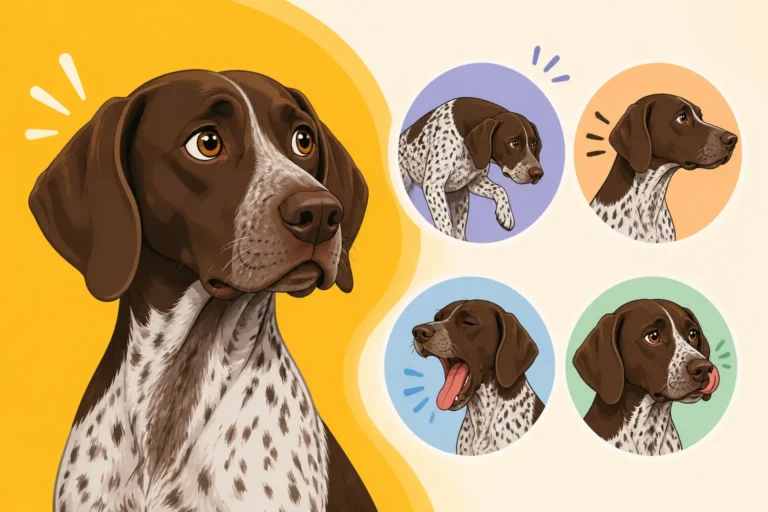
A soft Shorthair often displays subtle cues that indicate their sensitivity. You might see them avert their gaze, tuck their tail, or flatten their ears if they perceive disapproval from you. After a strong correction, they might sulk in their crate, refuse a treat they usually adore, or become hesitant to perform a command they know perfectly well. This isn’t stubbornness; it’s a deep desire to please combined with a fear of making a mistake. They thrive on positive reinforcement and clear, gentle communication, often building an incredibly strong bond with their handler, almost to the point of being velcro dogs. They want to be part of every decision, every activity, and they truly live to be your partner. When that bond feels threatened by perceived harshness, they can withdraw.
Why Some Shorthairs Are More Sensitive
Just like people, dogs have individual personalities. While German Shorthaired Pointers are generally known for their robust drive and resilience, genetics, early socialization, and individual experiences all play a role in shaping their temperament. Some lines might naturally produce more sensitive dogs, while a traumatic puppyhood experience or even a single overly harsh correction can create a soft dog. It's not a flaw, but a characteristic that requires a more nuanced approach to training. Understanding Reading a German Shorthaired Pointer's Stress Signals can be incredibly helpful in identifying these sensitive traits early on and tailoring your training methods accordingly. Ignoring these signals can lead to profound issues, where a dog becomes genuinely afraid to try new things or offer behaviors for fear of being wrong.
The Risks of Improper E-Collar Use on Sensitive Dogs
The term "e-collar" itself can be polarizing, often conjuring images of painful shocks. However, modern e-collars are designed to deliver a range of static stimulations, from a barely perceptible tingle to a strong, attention-grabbing pulse. The key distinction, especially for a soft Shorthair, is how it’s used. Improper use isn't just ineffective; it can be genuinely damaging.
Undermining Trust and Creating Fear
For a soft German Shorthaired Pointer, an e-collar applied incorrectly or at too high a level can be devastating to their spirit and your relationship. Instead of seeing it as a clear communication tool, they perceive it as arbitrary punishment. Imagine your dog is out in the field, joyfully following a scent, and suddenly experiences a strong, unexplained sensation. They might associate that feeling with the scent, the location, or even you, leading to fear, anxiety, or avoidance behaviors. This can severely damage the trust you’ve worked so hard to build, turning a willing partner into a hesitant, anxious dog. A GSP that A Shorthair That Shuts Down Under Pressure is already vulnerable, and an e-collar wielded without understanding can push them into a state of learned helplessness where they simply stop trying.
Potential for Behavioral Problems
Beyond fear, improper e-collar use can lead to more severe behavioral issues. A sensitive dog might become withdrawn, develop sound phobias, or even exhibit aggression if they feel constantly threatened or confused by the collar. They might become defensive, snapping or growling when approached, or developing resource guarding tendencies as a way to control their environment. What was intended as a way to fine-tune their field skills could inadvertently create a dog that is too anxious to enjoy any activity, field or otherwise. The goal is always to enhance communication, not to suppress a dog's natural exuberance or instill fear.
Gentle Introduction and Proper Techniques for E-Collars
If you decide an e-collar is the right tool for your GSP, especially a sensitive one, the method of introduction and ongoing use is paramount. It’s not about overpowering your dog, but about fostering clear, consistent communication. This takes patience, a deep understanding of your dog, and often, professional guidance.
Finding the "Working Level" and Positive Association
The absolute first step is finding your dog's "working level" – the lowest possible stimulation level that your Shorthair acknowledges. This is usually a slight twitch of an ear, a blink, or a momentary pause. It's often so low that you can barely feel it. Once you’ve identified this level, the e-collar should be paired with positive experiences. Let your dog wear the unactivated collar around the house, during playtime, and on walks, associating it with normal, fun activities. Some trainers recommend activating the e-collar at its lowest setting simultaneously with offering a high-value treat, so the dog learns that the sensation predicts something good. This positive association is crucial for a soft dog. You can find quality e-collars on platforms like Amazon, but always prioritize researching the specific model's features, especially those with fine-tuned levels.
Using the E-Collar for Proofing, Not Teaching
A critical rule for any dog, but especially a soft Shorthair, is that the e-collar is a tool for proofing known commands, not teaching new ones. Your dog should already understand and reliably perform commands like "come," "sit," or "whoa" on a leash and in low-distraction environments. Only when they thoroughly understand the command, but might be tempted to ignore it in high-distraction situations (like a bird flushing in the field), does the e-collar come into play.
The sequence is typically: give the command, apply a low-level continuous stimulation, and release the stimulation the instant your dog performs the command correctly. The pressure stops when they comply, teaching them that turning off the pressure is entirely in their control. This makes the e-collar a communication bridge, not a punitive device. Remember to focus on Conditioning a Shorthair to the E-Collar Properly before ever taking it into a high-stakes scenario. Many owners find guidance from online training platforms like BAXTER & Bella helpful for structured lessons, even if they aren't specifically e-collar focused, as they build a strong foundation of obedience before introducing advanced tools.
Here’s a simplified comparison:
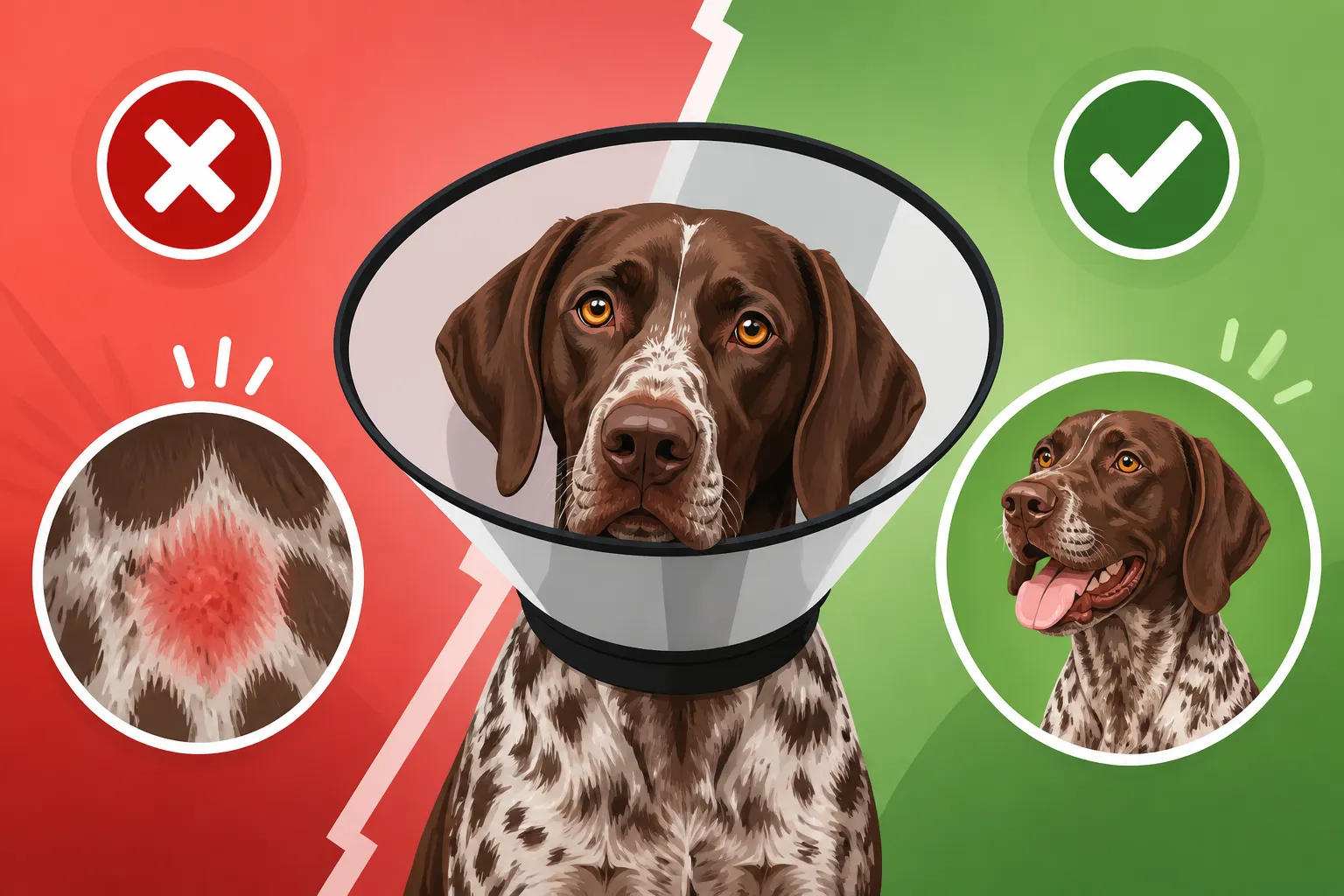
| Aspect | Improper E-Collar Use (Damaging) | Proper E-Collar Use (Effective & Fair) |
|---|---|---|
| Dog Type | Especially damaging for "soft" or sensitive dogs | Can be adapted for sensitive dogs with care and low levels |
| Primary Goal | Stopping unwanted behavior through fear or discomfort | Enhancing communication and reinforcing known commands |
| Stimulation Level | Arbitrary, often too high, causing pain or confusion | Lowest possible working level, barely perceptible |
| Introduction | Suddenly applied, without prior positive association | Gradual, with positive association; dog wears it unactivated first |
| Timing | Random or delayed, dog doesn't understand the link | Immediate cessation of stimulation upon correct response |
| Effect on Dog | Fear, anxiety, aggression, shutting down, learned helplessness | Clearer understanding of expectations, reliable response, confidence in working |
| Relationship | Erodes trust, creates tension | Strengthens communication, maintains partnership |
| Training Phase | Attempting to teach new commands or punish mistakes | Proofing established commands in high-distraction environments |
Alternatives to E-Collars for Soft Shorthairs
Before you even consider an e-collar for your sensitive German Shorthaired Pointer, remember that there are many effective, positive-reinforcement based training methods that can achieve remarkable results without any risk to your dog’s emotional well-being. Especially for a soft dog, these alternatives often build a stronger, more joyful partnership.
Building a Strong Foundation with Positive Reinforcement
The bedrock of training any GSP, but particularly a soft one, is positive reinforcement. This means rewarding desired behaviors with treats, praise, toys, or anything your dog values. Consistent, clear, and frequent rewards create a dog who wants to perform for you. For recall, practice in increasingly distracting environments, making yourself the most exciting thing in the world. Use a long line to safely practice recall at a distance before allowing full off-leash freedom. The Structure a German Shorthaired Pointer Needs Daily often includes engaging mental stimulation and positive training sessions which can prevent many behavioral issues that lead owners to consider more forceful tools.
Effective Tools for Range Control and Communication
Instead of relying on an e-collar for distance control, especially in the early stages or with a sensitive dog, utilize tools like long lines and check cords. A 30-foot or 50-foot check cord allows your GSP to explore, but you retain control and the ability to give a gentle, consistent correction when needed. This teaches them boundaries and responsiveness in a much more tactile and understandable way. When teaching "whoa," for example, a check cord combined with a physical barrier (like a whoa post or a raised platform) can be incredibly effective without electronic stimulation. Mastering Building Whoa on a Shorthair With a Check Cord is a foundational step for many bird dog owners and builds direct physical communication.
For strong recall, especially in the field when your Shorthair might be Recall on a German Shorthaired Pointer That Is Locked On, focus on making coming back to you the most rewarding choice. This means using exciting treats, enthusiastic praise, and making every recall a celebration. Sometimes, a high-pitched whistle can be incredibly effective for recall, as it cuts through distractions and is always associated with something positive.
Professional Guidance and Continuing Education
If you're struggling with a sensitive Shorthair's training or considering an e-collar, the best first step is always to seek guidance from a professional, force-free trainer or a bird dog trainer specializing in positive methods. They can assess your specific dog's temperament and help you develop a tailored training plan. Understanding canine body language is key, and a good trainer can teach you how to read your dog’s subtle cues to avoid causing stress or fear. Many reputable trainers offer online courses or private consultations, which can be invaluable. Don't be afraid to invest in proper education for yourself and your dog; it pays dividends in a happy, well-adjusted companion. Platforms like BAXTER & Bella offer comprehensive online puppy and dog training programs that emphasize positive reinforcement, building a strong foundation that might make an e-collar unnecessary, or at least ensure you understand the psychology of training before introducing advanced tools. Also, exploring dog behavior books and videos found on Amazon can provide a wealth of information to help you understand your Shorthair's unique needs.
At the end of the day, whether you use an e-collar or not, your ultimate goal is a happy, confident, and well-behaved German Shorthaired Pointer who is a joy to live and work with. For a soft Shorthair, gentle, clear, and consistent methods will almost always yield the best results, preserving their joyful spirit and strengthening your bond.
Disclaimer
This article is for general informational purposes only and does not constitute professional advice. Laws, prices and regulations vary by location and change over time. Consult a qualified professional for guidance on your specific situation.