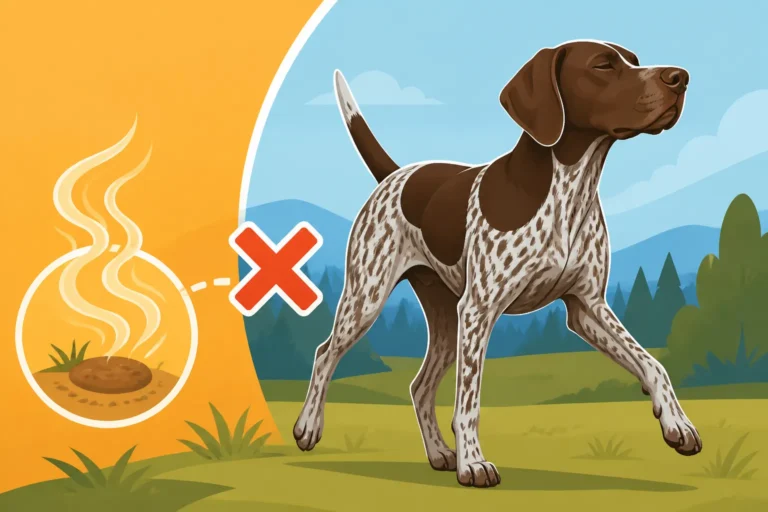
Whether a Second Dog Settles a Lonely Shorthair
It's a common dilemma that many of us German Shorthaired Pointer owners face: you adore your energetic, loyal companion, but you also feel that pang of guilt when you leave them home alone. Their boundless energy and deep connection with their people can sometimes translate into loneliness or even anxiety when left to their own devices. The idea naturally pops into your head – "If I just got another dog, wouldn't that solve everything? Wouldn't they keep each other company?" It’s a compelling thought, a tempting solution to ease that guilt and maybe even your dog's separation woes. This guide will dive deep into whether bringing a second dog into your home is truly the answer for a lonely Shorthair, exploring both the potential benefits and the significant considerations involved.
Understanding the German Shorthaired Pointer's Need for Company
German Shorthaired Pointers aren't just pets; they're partners. They were bred for centuries to work closely with their human counterparts, making decisions in the field, tracking game, and retrieving fallen birds. This deep-seated instinct for partnership means they thrive on interaction and being part of a "pack," whether that pack is human or canine. It's not just a cute quirk; it's fundamental to their being.
Why Your Shorthair Might Be Struggling Alone
Let's be real, GSPs are often called "Velcro dogs" for a reason. They stick to you like glue, following you from room to room, often preferring to be touching you if possible. This isn't clinginess in a negative sense; it's a testament to their desire for connection and companionship. When left alone, especially for extended periods, this deep need can manifest in various ways that might signal loneliness or even distress.
For example, imagine you leave for work, and your Shorthair, let's call him Gus, watches you go with those expressive brown eyes. If Gus then spends the next several hours pacing, whining, or even howling, that's a clear sign his inherent need for company isn't being met. He's not just "missing" you; he's experiencing a void that feels profound to him. Their intelligence also plays a role. A GSP's mind needs to be engaged, and without the stimulation of human interaction or a task to focus on, they can become bored and restless quickly. This can lead to destructive behaviors like chewing furniture, digging up your yard, or incessant barking. It’s not malicious; it's an outlet for their unmet needs. They're telling you, in the loudest way they know how, that they're not okay being alone. If you've ever had a GSP, you know their intensity isn't something that can be ignored. They demand, in the most charming way possible, to be part of your life, all the time. The Velcro Side of a German Shorthaired Pointer
Distinguishing Boredom from True Separation Anxiety
Before jumping to solutions, it's really important to take a moment and honestly assess why your Shorthair seems lonely or is acting out. Is it genuine separation anxiety, or is it more about boredom and an unmet need for physical and mental exercise? The distinction is critical because a second dog will address one far better than the other.
Boredom in a German Shorthaired Pointer often looks like mischief. You might come home to shredded pillows, a dug-up flower bed, or a counter-surfed dinner. These are usually attempts to self-entertain or burn off excess energy. A dog who is bored might sleep a lot until they wake up and decide to redecorate your living room with couch stuffing. They might pick up bad habits, like barking at every squirrel out the window, simply because they have nothing better to do. They're not panicking; they're just, well, being a Shorthair with too much time on their paws and not enough stimulation.
True separation anxiety, on the other hand, is a panic disorder. It's not about being bored; it's about genuine distress and fear when separated from their primary attachment figure, usually you. Signs of separation anxiety are much more intense and often include persistent howling or barking (not just a few barks when you leave), house-soiling even if they're perfectly house-trained, excessive drooling, destructive chewing focused on escape routes (like door frames or window sills), and frantic attempts to get out of the house. You might even see self-mutilation in severe cases, like excessive licking or chewing paws. A dog with separation anxiety isn't just seeking entertainment; they're experiencing a full-blown panic attack. Coming home to these kinds of intense behaviors is heartbreaking and tells you your dog is truly suffering. Signs a Shorthair Is Panicking Rather Than Bored Understanding this difference is the first step in deciding if another dog is the right path.
The Appeal and Reality of a Canine Companion
The idea of bringing a second dog home to cure loneliness or separation issues in your German Shorthaired Pointer holds immense appeal. It paints a picture of two happy dogs playing, napping together, and generally keeping each other company, alleviating your guilt. However, the reality, as with most things canine, is a bit more nuanced.
The Dream: How a Second Dog Could Help
When it works, it can be truly wonderful. A second dog can absolutely provide a German Shorthaired Pointer with much-needed companionship. Imagine coming home to find your two GSPs curled up together on the dog bed, or witnessing them engaged in a spirited game of chase in the yard. This kind of interaction can provide consistent mental and physical stimulation that you, as a human, simply cannot replicate for hours on end.
For a Shorthair suffering from boredom, a companion can be a game-changer. They might engage in wrestle-play, chew on toys together, or even just observe the world from the window as a duo. This shared experience can reduce the likelihood of destructive behaviors that stem from a lack of outlet for their energy. A new dog, particularly one with a calm and confident demeanor, can also be a positive influence on a slightly anxious GSP, providing a sense of security. They can essentially model appropriate relaxed behavior, showing the anxious dog that being alone isn't necessarily something to panic about, because they have a friend right there. I’ve seen this firsthand; a friend's extremely high-strung GSP calmed down considerably after they adopted a placid, older retriever. The retriever's steady presence seemed to ground the younger, more frantic Shorthair. This is the dream scenario, where your original dog finds a true partner in crime, and your household feels more harmonious.
The Double-Edged Sword: When Two Might Be Worse Than One
While the dream is lovely, it's crucial to consider the potential downsides, because adding a second dog is truly a double-edged sword. If your GSP has true separation anxiety, a second dog often won't "fix" it. In many cases, the anxious dog is attached to you, not just any living being. When you leave, they still panic, and now you have two dogs experiencing distress, or worse, the new dog might learn separation anxiety from the first. It's a sad reality, but anxiety can be contagious within a household. You could accidentally create a bigger problem than you started with.
Beyond anxiety, there are practical considerations. Two dogs mean double the mess, double the vet bills, double the food, and often, double the training challenges. What if the two dogs don't get along as you hoped? German Shorthaired Pointers are often gregarious, but individual personalities vary. You could face resource guarding issues (toys, food, even attention from you), jealousy, or competition for prime sleeping spots. Introducing a new dog, especially one that is not a good match in terms of temperament or energy level, can disrupt the entire household dynamic. You might find yourself managing squabbles, or one dog might bully the other. Instead of reducing your existing GSP's stress, you might inadvertently increase it, and your own! What a Second Shorthair Actually Adds Per Month It's a big investment, not just financially, but in terms of your time and emotional energy.
Factors to Consider Before Bringing Home Another Dog
Deciding to add another dog to your family is a significant commitment, and it's not a decision to be taken lightly, especially when hoping it will solve an existing behavioral challenge. Before you start browsing adoption sites or breeder listings, there are some very important factors you need to seriously consider.
Assessing Your Current Shorthair's Temperament and Needs
The first step is a brutally honest evaluation of your current German Shorthaired Pointer. We often see our dogs through rose-colored glasses, but now is the time to be objective. Is your GSP truly lonely, or are they simply under-exercised and under-stimulated? An under-exercised Shorthair can exhibit behaviors that mimic loneliness, like destructive chewing or excessive barking, when in reality, they just need more outlets for their immense energy. Sometimes, ramping up their physical activity—longer runs, more intense games of fetch, or even bikejoring if they're conditioned—can make a world of difference before you ever consider a second dog. The Two Hours a Day a German Shorthaired Pointer Needs
How does your GSP interact with other dogs currently? Are they confident and playful, or do they show signs of anxiety, reactivity, or aggression when encountering other canines? If your Shorthair is dog-aggressive or overly dominant, bringing another dog into the home could lead to constant conflict and stress for both animals, and for you. If they're shy or fearful around other dogs, a new housemate might overwhelm them further, exacerbating their existing insecurities rather than helping them feel more secure. Take your dog to a dog park (if safe and appropriate), observe them at dog-friendly cafes, or arrange controlled meet-and-greets with friends' dogs to get an accurate picture of their social skills. A well-socialized, adaptable Shorthair will generally adjust better to a new companion than one with existing social challenges.
Practical Considerations: Time, Space, and Finances
Let's talk logistics, because two dogs are, quite literally, double the commitment. The financial implications alone can be substantial. You're looking at twice the food bill, potentially higher pet insurance premiums, and certainly double the routine veterinary care (vaccines, parasite prevention, annual check-ups). Beyond that, there's always the risk of unexpected vet emergencies. If your first GSP has a torn cruciate or develops bloat, that's one emergency. If both dogs have separate emergencies, or even one after the other, the costs can escalate quickly. The First Year Bills on a German Shorthaired Pointer You also need to factor in potential training classes, daycare, or boarding if you travel.
Space is another huge factor. Do you have enough room in your home for two active German Shorthaired Pointers to comfortably stretch out, play, and have their own "safe spaces" or crates? A small apartment might feel cramped with two dogs that need to run and zoom. What about outdoor space? While a yard isn't a substitute for walks, having a secure area for two dogs to play and burn off some energy together is incredibly beneficial. Even if you have a large yard, you still need to commit to exercising both dogs individually and together. Will you have time to walk both dogs, train both dogs, and give both dogs individual attention? Dividing your time and affection fairly is crucial to prevent jealousy and ensure both dogs feel loved and secure. This isn't just about walks; it's about dedicated training sessions, cuddle time, and games. Two dogs simply take up more of your life, and while they give back immeasurably, you have to be ready to give back to them.
Choosing the Right Companion
If you've carefully considered all the factors and still feel a second dog is the right choice, the selection process is paramount. It’s not about finding just any dog; it’s about finding the right dog to complement your existing German Shorthaired Pointer and your lifestyle.
Age and Energy Level: This is perhaps the most critical match. A young, boisterous Shorthair puppy might overwhelm an older, calmer GSP, or conversely, a super-high-energy GSP might drive an older, more sedate dog crazy. Ideally, look for a dog whose energy level is similar to, or slightly lower than, your current dog's. If your GSP is an endless ball of energy, another high-drive dog could be a fantastic playmate. If your GSP is a bit more mellow, a calmer companion might be better. Remember, even older GSPs often maintain a significant amount of zest, so don't assume age alone guarantees a calm companion.
Breed: While another German Shorthaired Pointer can be a great match due to shared energy levels and play styles, it's not your only option. Sometimes a slightly calmer breed with a good nature can be an excellent foil for a high-energy GSP. Retrievers, certain hounds, or even some terrier mixes can make wonderful companions. Avoid breeds with vastly different play styles or temperaments that might clash, such as very dominant guarding breeds if your GSP is submissive, or extremely timid breeds if your GSP is boisterous.
Sex: Often, opposite-sex pairings (male and female) tend to have fewer issues with dominance and competition than same-sex pairings, especially with intact dogs. If both dogs are spayed/neutered, the sex dynamic might be less pronounced, but it's still worth considering. Many trainers and experienced owners recommend avoiding two intact males or two intact females in the same household, as this can lead to territorial disputes and more severe fights.
Personality: Beyond breed and age, individual personality is key. Look for a dog with a stable, confident, and friendly demeanor. A dog that is too shy might be bullied, and a dog that is too pushy might create conflict. Rescues and reputable breeders often have a good understanding of their dogs' individual temperaments and can help you find a suitable match. When meeting a potential new dog, observe their interaction with your current Shorthair in a neutral environment. Do they engage in appropriate play? Do they show signs of stress or aggression? Don't rush this step. It’s an investment in the harmony of your home for years to come.
Alternatives and Complementary Strategies to a Second Dog
Even if you decide a second dog isn't the right path for your family right now, or you're simply not ready for that level of commitment, there are plenty of effective strategies you can employ to help your German Shorthaired Pointer feel less lonely and more fulfilled. These options can also be used in conjunction with bringing home a second dog, to ensure a truly happy and well-adjusted multi-dog household.
Maximizing Exercise and Mental Stimulation
This is truly the cornerstone of a happy German Shorthaired Pointer's life, and it’s often the biggest factor in reducing behaviors that look like loneliness or anxiety. A physically and mentally drained Shorthair is far less likely to be destructive, bark excessively, or experience extreme separation distress. For a GSP, "exercise" doesn't just mean a leisurely walk around the block. It means intense, focused activity that challenges both their body and mind.
Think about activities that tap into their natural hunting instincts. Daily runs, biking (with proper safety training and gear – Running a Shorthair Beside a Bike Safely), swimming, or long sessions of fetch in a large, secure area can make a huge difference. Consider joining a local NAVHDA chapter or field training club, even if you don't plan to hunt professionally. The structured work and mental engagement of pointing, retrieving, and tracking can exhaust a Shorthair in a way that pure physical exercise alone can't. The Age a Shorthair Is Ready for the Natural Ability Test Even something as simple as a long line walk in a field, allowing them to follow scents and explore, is more stimulating than a paved sidewalk.
Mental stimulation is equally vital. Puzzle feeders, sniff mats, and scent games can keep their intelligent minds occupied. Hide-and-seek with treats or their favorite toys can be a fun way to engage their nose and brain. Training sessions, even short ones throughout the day, reinforce good behavior and provide mental work. Teaching new tricks or refining existing commands can be surprisingly tiring for a GSP. A bored Shorthair will invent their own "jobs," and you probably won't like what they choose (like excavating your prize-winning roses). By proactively providing engaging activities, you fulfill their intrinsic needs, making them less prone to feeling lonely or acting out.
Training and Behavioral Modification
If your German Shorthaired Pointer is exhibiting behaviors that suggest true separation anxiety, a second dog is unlikely to be a standalone solution and could potentially worsen the problem or create a second anxious dog. In these cases, dedicated training and behavioral modification are absolutely essential. This often involves a multi-pronged approach and can be a significant undertaking, but it’s worth it for your dog's well-being.
One of the key strategies is desensitization and counter-conditioning. This involves gradually exposing your dog to the cues that signal your departure (picking up keys, putting on shoes, going to the door) and associating them with positive experiences, rather than panic. Start with very short absences, even just stepping out of sight for a few seconds and returning before your dog becomes anxious, rewarding calm behavior. Slowly increase the duration of your absences over time. This teaches your dog that your departure isn't a crisis and that you will always return. Building a Shorthair's Tolerance for Being Alone
Consider enlisting the help of a certified professional dog trainer or a veterinary behaviorist. They can assess the severity of the anxiety, rule out underlying medical conditions, and develop a tailored plan. Sometimes, prescription medication in conjunction with behavior modification can be a valuable tool to help your dog learn to cope. Daycare programs or hiring a reliable dog walker can also provide crucial structured social interaction and exercise during your absence, preventing the loneliness from escalating. For a German Shorthaired Pointer, being with a trusted human or other dogs for a portion of the day can make a world of difference. Regular obedience classes, even basic ones like Group Obedience Before a Shorthair Starts Birds, can build confidence and reinforce good habits, which can indirectly help with anxiety.
Tools and Resources for Lone Dogs
Even with ample exercise and training, there will be times when your German Shorthaired Pointer is alone. Having the right tools and resources can help make those times more tolerable for them.
- Durable Chew Toys: GSPs love to chew, and providing appropriate outlets for this natural behavior is crucial. Look for high-quality, durable chew toys. Kongs, especially those filled with peanut butter, yogurt, or frozen treats, can keep a GSP occupied for a surprisingly long time. You can find a vast array of durable chew toys on Amazon, often with options specifically designed for powerful chewers like Shorthairs.
- Interactive Feeders and Puzzle Toys: These toys make your dog work for their food, engaging their brain and preventing them from scarfing down their meal in seconds. This mental challenge can be a great way to combat boredom.
- Dog-Specific Entertainment: Some dogs respond well to background noise, like classical music, audiobooks, or dog-specific TV channels designed to calm and entertain. Experiment to see what, if anything, your Shorthair reacts positively to.
- Monitoring Devices: A pet camera with two-way audio can be invaluable. It allows you to check in on your Shorthair, speak to them, and identify exactly when and how their loneliness or anxiety manifests. This information is gold for a trainer or behaviorist.
- Online Training Programs: For owners who want to be proactive, online training platforms like BAXTER & Bella offer comprehensive puppy and dog training courses. While not a direct substitute for a companion, a well-trained, confident dog is often a happier dog, and these programs can provide structure and guidance for owners to build a stronger bond and address behavioral issues, which can indirectly help with loneliness. Their structured approach can also give you ideas for engaging activities to keep your Shorthair's mind busy.
Using a combination of these strategies can create a more enriching and less stressful environment for your German Shorthaired Pointer, whether you ultimately decide to bring another dog into their life or not. It's about meeting their needs holistically, not just with a quick fix.
Comparison: Second Dog vs. Other Solutions for a Lonely Shorthair
Let's lay out a quick comparison to help visualize the different approaches to helping a German Shorthaired Pointer who struggles with being alone.
| Solution | Pros | Cons | Best Suited For |
|---|---|---|---|
| Adding a Second Dog | Companionship, built-in playmate, mental stimulation, potential anxiety reduction. | High cost (food, vet, insurance), double the mess/shedding, potential for more anxiety (contagion), mismatched personalities, resource guarding, increased training needs, not a cure for true separation anxiety. | GSP suffering from boredom and under-stimulation; well-socialized GSP; owners prepared for double commitment. |
| Increased Exercise | Low cost, addresses primary GSP need, improves physical health, reduces destructive behaviors. | Requires significant owner time/energy commitment daily, may not address deep-seated anxiety alone, weather limitations. | Any GSP, especially those with excess energy or boredom-related issues. |
| Mental Stimulation | Low cost, easy to implement, brain work can tire a GSP quickly, reduces boredom. | May not be enough for extremely high-energy dogs, some dogs lose interest quickly, doesn't replace physical exercise. | Any GSP, especially good for supplementing physical activity or during bad weather. |
| Professional Training/Behaviorist | Targeted approach for separation anxiety, expert guidance, can address root causes, medication options. | Can be expensive, requires consistent owner follow-through, not a quick fix, may involve lifestyle changes. | GSP exhibiting signs of true separation anxiety; owners committed to behavioral change. |
| Dog Daycare/Walker | Provides structured social interaction, exercise, supervision during absences. | Can be expensive long-term, not all dogs thrive in group settings, limited availability, risk of illness/injury from other dogs. | GSP needing structured activity/socialization during owner's absence; well-socialized GSP. |
| Interactive Toys/Music | Relatively low cost, provides distraction, easy to set up. | Not a substitute for human/canine interaction, short-term solution for boredom, does not address anxiety, some dogs ignore them. | Any GSP, as a supplementary tool for short absences. |
Disclaimer
This article is for general informational purposes only and does not constitute professional advice. Laws, prices and regulations vary by location and change over time. Consult a qualified professional for guidance on your specific situation.