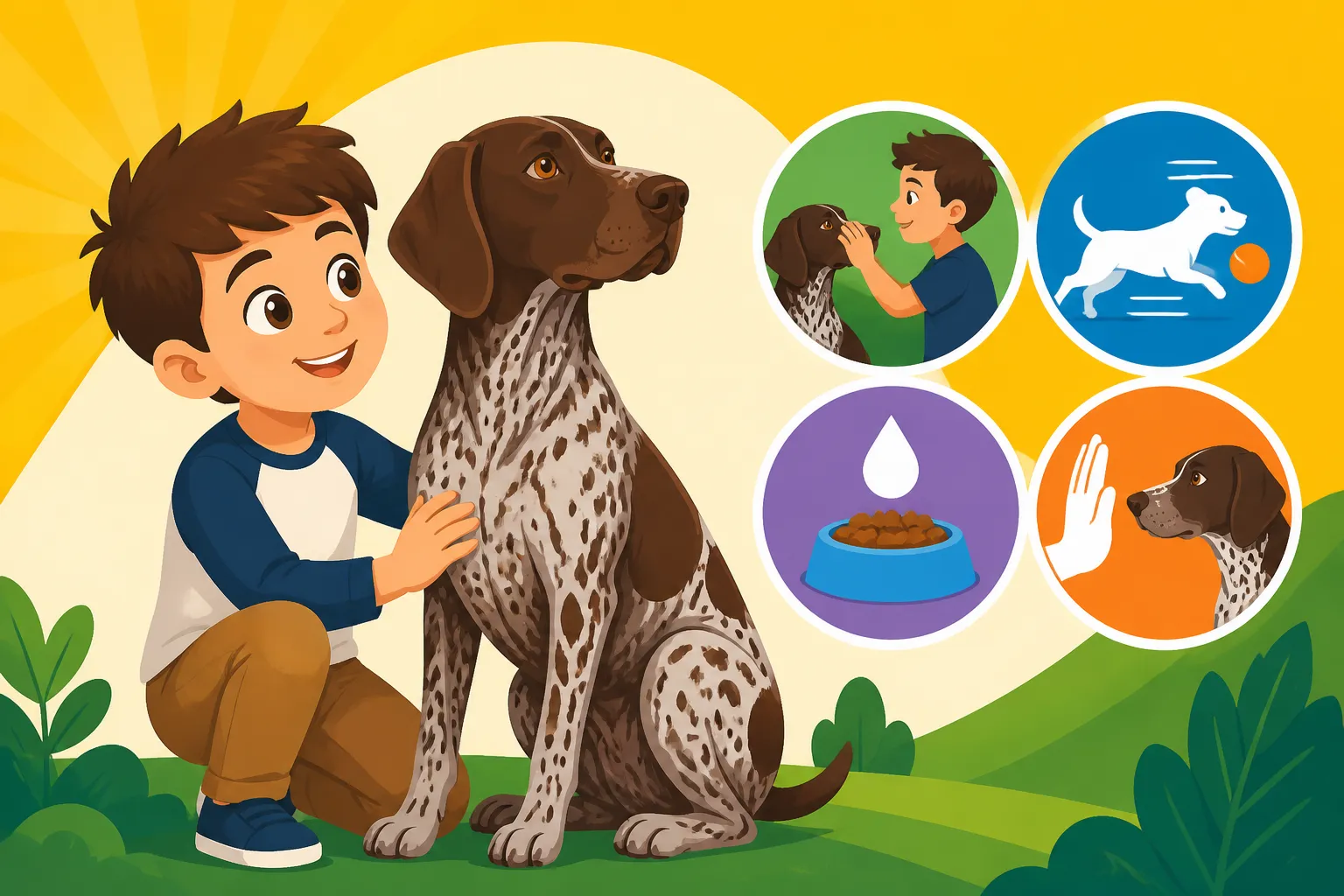
What a Child Needs to Know Around a Shorthair
Bringing a high-energy German Shorthaired Pointer into a home with children can be an incredibly rewarding experience, but it also comes with unique challenges. The sheer enthusiasm, speed, and size of a GSP can sometimes overwhelm or even accidentally injure a smaller child, leading to misunderstandings and frustration for everyone. This guide aims to help parents and caregivers teach children how to safely and respectfully interact with their GSP, fostering a harmonious and loving relationship for years to come.
Understanding Your German Shorthaired Pointer's Nature
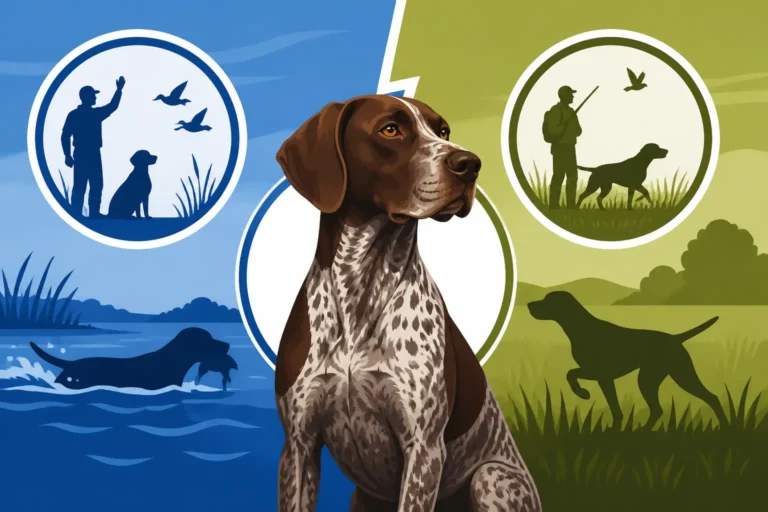
Before we can teach children how to interact, it’s vital for adults to truly understand the innate characteristics of a German Shorthaired Pointer. These aren't your calm, cuddly lap dogs, not for long stretches anyway! They are intelligent, driven, and full of boundless energy, bred for demanding work in the field.
High Energy and Enthusiasm
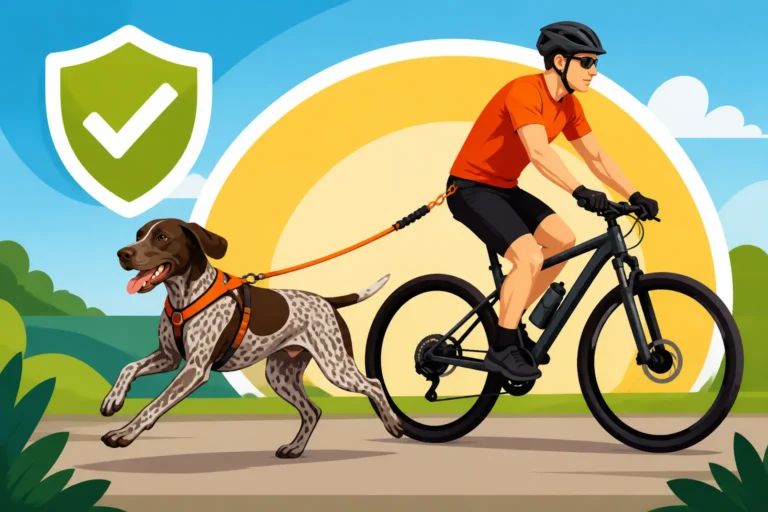
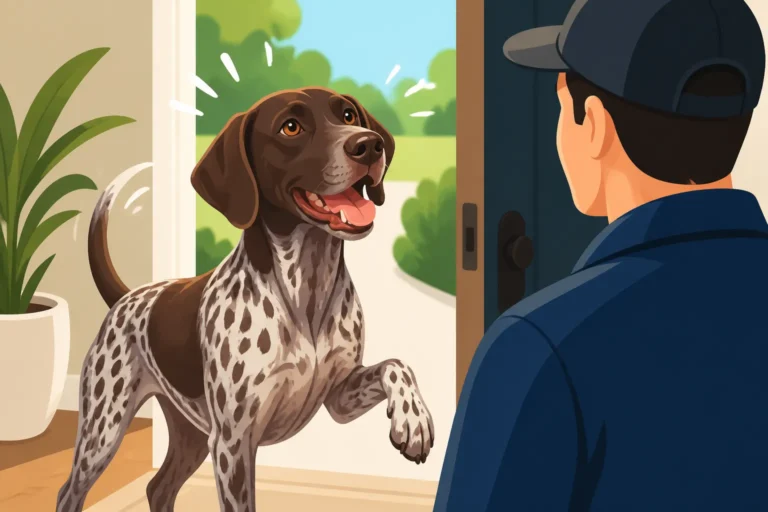
German Shorthaired Pointers are, first and foremost, athletes. They are built for endurance, speed, and an unwavering drive to work. This translates into a dog with an almost inexhaustible supply of energy, even in a home setting. A GSP's idea of a good time often involves running at top speed, sudden stops, and boisterous play. Think of it like a four-legged torpedo, albeit a very loving one! This can lead to accidental bumps, knocks, or even being bowled over, especially with young children who might not be as stable on their feet. Their natural exuberance means they might jump up to greet, or mouth excitedly during play, which, while not aggressive, can be intimidating or hurtful to a small human.
It's easy to see why a child might be startled or even scared by such enthusiastic greetings. They don't mean to be rough, they just don't always understand their own strength and speed. This is why managing their exercise needs is paramount. An under-exercised GSP is a recipe for chaos, as that pent-up energy will find an outlet, often in ways you don't appreciate. They need The Two Hours a Day a German Shorthaired Pointer Needs to truly thrive, which helps them be calmer indoors with kids.
Prey Drive and Instincts
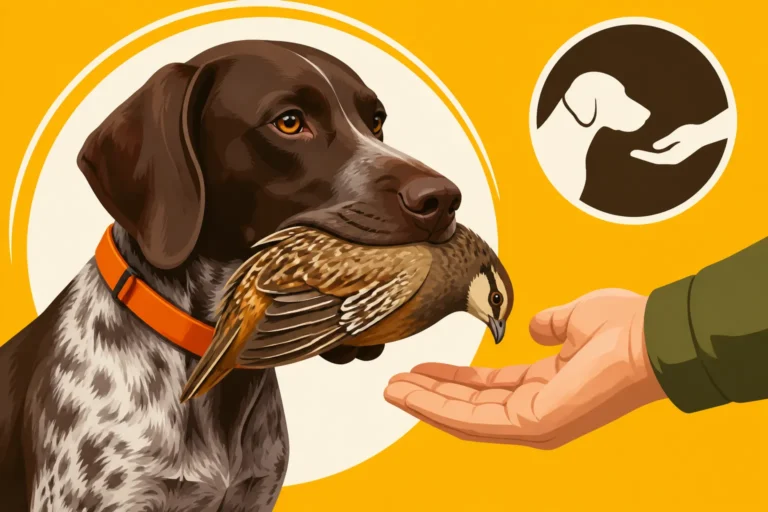
German Shorthaired Pointers were specifically bred to hunt. This means they possess a strong prey drive, an instinct to chase, point, and retrieve. While in the field this is a beautiful thing, in a home environment with children, it can present challenges. A child running, squealing, or making sudden movements can inadvertently trigger this prey drive, leading the GSP to give chase. This isn't malice; it's instinct. They might 'point' at a child who is playing hide-and-seek, or try to 'herd' them.
Teaching children not to run and scream around the dog, especially if it's overstimulated, is crucial. Likewise, teaching the GSP appropriate play, like structured fetch games with specific toys rather than chasing children, is essential. They are also incredibly intelligent and sensitive to scent. A child dropping a snack on the floor might activate their scavenging instincts, leading to quick snatching if not properly managed.
Loyalty and Protectiveness
GSPs are known for forming incredibly strong bonds with their families. They are often described as "Velcro dogs" due to their desire to be close to their people. This loyalty can also manifest as protectiveness, particularly towards their family members. While this can be comforting, it also means they might become overly protective if they perceive a threat to a child, even if it's just another child playing rambunctiously.
It's important to socialize your GSP extensively from a young age to ensure they differentiate between normal child play and actual threats. Children also need to understand that the GSP's "velcro" nature doesn't mean they're a toy. Sometimes, a GSP just wants to lie down and be near you, not necessarily engage in play. This desire to be close, often referred to as The Velcro Side of a German Shorthaired Pointer, means they integrate deeply into family life, but boundaries are still necessary.
Teaching Children Safe Interaction Rules
Establishing clear rules for interaction between children and your German Shorthaired Pointer is non-negotiable. This isn't just about the dog's safety or the furniture's integrity; it's about the child's physical safety and fostering mutual respect.
Gentle Touch and Personal Space
One of the most fundamental lessons for children is how to touch a dog gently and to respect their personal space. GSPs, like all dogs, can be sensitive in certain areas, and clumsy or rough handling can quickly lead to an uncomfortable dog. We often teach kids:
- No pulling: This includes ears, tail, fur, or paws. These areas are sensitive and pulling can cause pain or fear, leading to a defensive reaction.
- No climbing or riding: A GSP is a living creature, not a pony. Even a gentle sixty-pound dog can be seriously injured by a child climbing on its back, and the dog may react defensively.
- No disturbing while eating or sleeping: This is a golden rule for any dog. When a GSP is eating, they should be left completely alone. Similarly, if they are sleeping in their bed or crate, they are off-limits. This is their safe, private time.
Teaching children to pet gently means using an open hand, stroking in the direction of the fur, and focusing on areas like the chest, shoulders, or side. Avoid petting directly on the head or face, especially if the dog doesn't know the child well, as this can be perceived as threatening.
Approaching and Petting a Shorthair
Children, naturally, want to rush up to dogs. However, this can be alarming for a GSP, especially if they're not familiar with the child or are already feeling overwhelmed. We teach children a simple, step-by-step approach:
- Ask First: Always ask an adult if it's okay to pet the dog. This teaches respect for both the dog and the owner.
- Approach Calmly: No running or sudden loud noises. Walk slowly and quietly towards the dog.
- Let the Dog Sniff: Offer a closed fist (not fingers, to avoid accidental nips) for the dog to sniff. This allows the GSP to get their scent and decide if they're comfortable.
- Pet Gently: Once the dog has sniffed and shown positive body language (relaxed posture, soft eyes), children can gently pet the dog on the shoulder or chest.
It's also crucial for children to understand that if the dog walks away, that means they're done with interaction. Chasing a dog that is trying to get space is a recipe for trouble. This also applies when meeting new dogs, not just your own. A dog's space should always be respected. This can greatly reduce the chances of a child encountering A Shorthair That Knocks Children Over Playing or similar issues.
Playing Safely
Play is a wonderful way for children and GSPs to bond, but it must be structured and safe. GSPs love to play, but their play can quickly escalate into boisterousness.
- Appropriate Toys: Use durable dog toys, not children's toys, for play. Ropes, sturdy balls, and chew toys are excellent choices. Using items found on platforms like Amazon can ensure you have access to a wide variety of strong, engaging toys.
- Structured Games: Games like fetch are perfect for GSPs, allowing them to burn energy while focusing on a task. Tug-of-war can also be appropriate if the dog understands "drop it" and doesn't get overly possessive or aggressive. Never let children pull directly on the dog's mouth.
- No Teasing: Children should never tease the dog with food or toys, or pretend to hit them. This breaks trust and can lead to frustration for the dog.
- Supervised Play: All play sessions should be supervised by an adult to ensure rules are followed and to intervene if the dog or child becomes overstimulated.
Remember, a GSP has incredible stamina. They will often keep going long after a child (or adult!) is tired. Knowing when to end a play session before things get too wild is key. If you're looking to lay a strong foundation for your GSP's manners around children, considering an online training program like BAXTER & Bella can be incredibly beneficial from the puppy stage, helping to teach impulse control before these high-energy interactions even become an issue.
Supervision and Environment: Setting Everyone Up for Success
A well-managed environment is just as important as teaching rules. It’s about being proactive to prevent issues and ensuring both your child and your GSP feel safe and respected.
Constant Adult Supervision
This point cannot be stressed enough: children and German Shorthaired Pointers should always be supervised when together, especially young children. Even the most well-behaved dog can react unexpectedly, and a child can inadvertently provoke a situation. Supervision means active, engaged observation, not just being in the same room.
Think of it like this: your GSP is an active, powerful animal with instincts. A small child is still learning about boundaries, cause and effect, and personal space. It's not fair to either of them to expect perfect behavior without an adult guiding the interaction. This is particularly important for What a Sixty Pound Shorthair Around a Toddler, where size discrepancy is a major factor. As your GSP ages, and perhaps develops Arthritis in a German Shorthaired Pointer at Eight or A German Shorthaired Pointer That Has Stopped Wanting to Run, their tolerance for rambunctious play might decrease, making supervision even more critical.
Creating Safe Zones
Every dog needs a retreat, a place where they can go to be left alone and feel safe. For a German Shorthaired Pointer, this might be a crate, a designated dog bed, or even a separate room with a baby gate. It’s imperative that children understand this is the dog’s private space, and they are never, under any circumstances, to disturb the dog when it’s in its safe zone.
Teach your children that when the GSP goes to its crate, that's their signal to leave the dog alone. This concept is vital for preventing stress for the dog and potential confrontations. A sturdy baby gate, easily found on Amazon, can be a fantastic tool to create these physical barriers, giving both the dog and the child a sense of security and space when needed. When you are Crating a Shorthair That Has Energy to Burn, make sure children understand that crate time is quiet time for the dog.
Managing High-Energy Play Indoors and Out
German Shorthaired Pointers require significant physical and mental exercise to be well-adjusted housemates. If their energy isn't channeled appropriately, it will manifest in less desirable ways, such as jumping, chewing, or excessive rough play, which can be dangerous for children.
- Outdoor Exercise is Key: Prioritize robust outdoor exercise daily. Running, fetch, swimming, or long walks are essential. A tired GSP is a good GSP, and a good GSP is much safer around children. Consider structured activities like training sessions or even agility work to engage their minds as well as their bodies.
- Indoor Calm: Indoors, encourage calmer activities. Puzzle feeders, quiet chew time, or gentle petting can help the GSP wind down. Avoid high-energy games that encourage zooming and jumping indoors, as this increases the risk of accidental injury to a child. Remember, they are constantly seeking The Structure a German Shorthaired Pointer Needs Daily, so consistency in activities helps.
Establishing a routine where the GSP gets its exercise before high-interaction times with children can make a huge difference in managing their enthusiasm.
Recognizing a Shorthair's Stress Signals
Empowering children (and adults!) to understand canine body language is one of the most important tools for preventing bites and ensuring positive interactions. Dogs communicate constantly, and learning to read their signals is critical.
Subtle Cues
Dogs rarely bite without warning, but their warnings can be subtle. Teaching children to look for these early signs of discomfort in a GSP can prevent a situation from escalating. Some common subtle cues include:
- Lip Licking: Often a quick, subtle flick of the tongue over the lips when no food is present.
- Yawning: A yawn when the dog isn't tired can indicate stress or anxiety.
- Averted Gaze: The dog might avoid direct eye contact or turn its head away.
- Stiff Body: A dog that is suddenly very still or rigid might be uncomfortable.
- "Whale Eye": When the whites of the dog's eyes are visible, often indicating fear or stress.
- Tail Tuck: A low or tucked tail, even if wagging slightly, can indicate anxiety.
- Ear Position: Flattened or pulled-back ears.
If a child (or adult) observes any of these signals, the immediate action should be to give the dog space. It means the GSP is trying to communicate, "I'm uncomfortable, please back off." Learning Reading a German Shorthaired Pointer's Stress Signals is not just for adults; it's a life skill for kids interacting with any dog.
Escalating Signals
If the subtle cues are ignored, a GSP's signals can escalate. These are clearer warnings that the dog is seriously uncomfortable and may be nearing its breaking point:
- Growling: This is a loud, clear warning. It is not aggression; it's a dog trying to communicate "stop." Punishing a growl can teach a dog to go straight to a bite without warning, which is far more dangerous.
- Snapping: A quick, often air-snap that doesn't make contact. This is a final warning before a bite.
- Baring Teeth: Displaying teeth without necessarily growling.
- Attempting to Escape: The dog may try to move away, hide, or get behind furniture. If this is blocked, it can lead to a defensive reaction.
Children must be taught that if a GSP growls or snaps, they must immediately stop what they are doing, back away slowly, and tell an adult. An adult can then assess the situation and ensure everyone's safety. Never force a dog to tolerate an interaction if it is displaying these signals.
Teaching Respect for Boundaries
Ultimately, teaching children how to interact with a German Shorthaired Pointer is about teaching respect for another living being's boundaries and communication. It's about empowering children to be observant and responsible, and understanding that dogs have feelings and limits, just like people.
A well-trained GSP, given adequate exercise and a clear understanding of its role in the family, can be a wonderful companion for children. But it takes effort from the adults to educate both the dog and the children, and to constantly supervise interactions. By doing so, you'll help build a bond of trust and affection that can last a lifetime.
Safe vs. Unsafe Child-Dog Interactions
Here's a quick reference table to help children and adults differentiate between appropriate and inappropriate ways to interact with a German Shorthaired Pointer.
| Interaction Type | Safe & Appropriate | Unsafe & Inappropriate | Why it Matters |
|---|---|---|---|
| Greeting | Calm approach, let dog sniff hand, gentle petting. | Rushing, hugging, grabbing, direct eye contact. | Sudden movements can startle a GSP; direct eye contact can be perceived as a challenge. |
| Petting | Gentle strokes on chest, shoulder, or side. | Pulling ears/tail, climbing on dog, poking. | Dogs have sensitive areas; physical discomfort or pain can lead to defensive reactions. |
| Play | Structured fetch, tug with rules (drop it). | Chasing dog, wrestling, teasing with toys/food. | Unstructured play can escalate quickly; teasing breaks trust and frustrates the dog. |
| Dog's Space | Allowing dog to retreat to crate/bed; leaving alone. | Disturbing dog while sleeping, eating, or in its crate. | A dog's safe zone is crucial for its emotional well-being; boundaries must be respected. |
| Food & Treats | Handing treats gently (if allowed by adult). | Grabbing dog's food, interfering with eating. | Food guarding is natural; disturbing a dog while eating is a high-risk behavior. |
| Reading Signals | Noticing lip licks, yawns, turning away, growls. | Ignoring subtle cues, forcing interaction despite warnings. | Early recognition of stress signals is key to preventing escalation and potential bites. |
Disclaimer
This article is for general informational purposes only and does not constitute professional advice. Laws, prices and regulations vary by location and change over time. Consult a qualified professional for guidance on your specific situation.